



French Style Side Chairs
French style side chairs bring continental elegance to a room, offering slender proportions and decorative carving suited to formal and casual spaces alike.
French Style Side Chairs
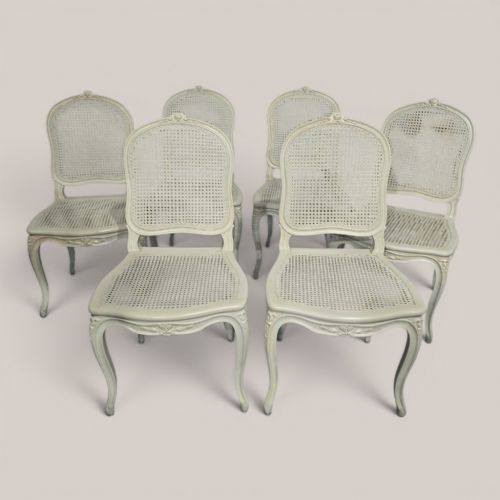
French style side chairs comprise seating forms designed without arms, intended primarily for dining, salons, or occasional use around the home. The selection spans single examples, pairs, and larger matching sets designed for dining rooms or reception spaces.
Most examples found here date from the nineteenth century onward, reflecting revival movements that drew inspiration from earlier royal courts. Makers adopted historical motifs from specific periods to create seating that suited contemporary Victorian and Edwardian interiors.
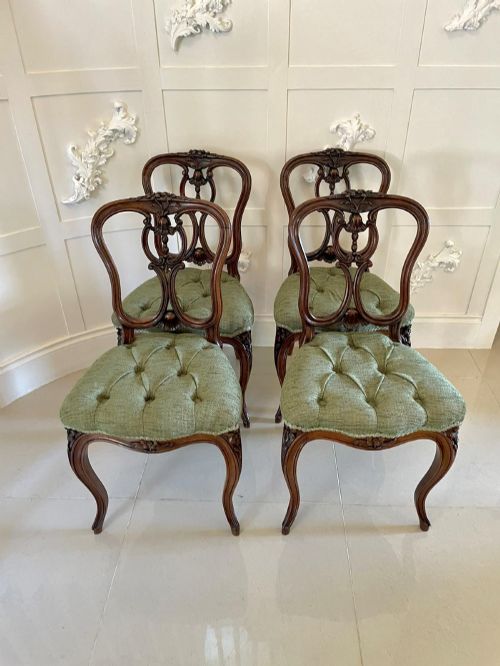
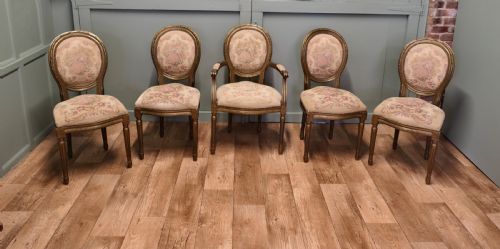
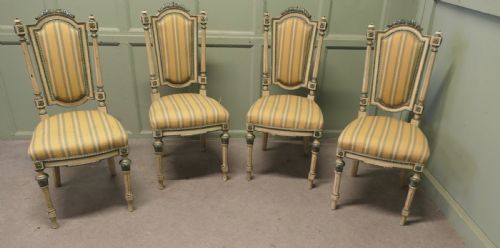
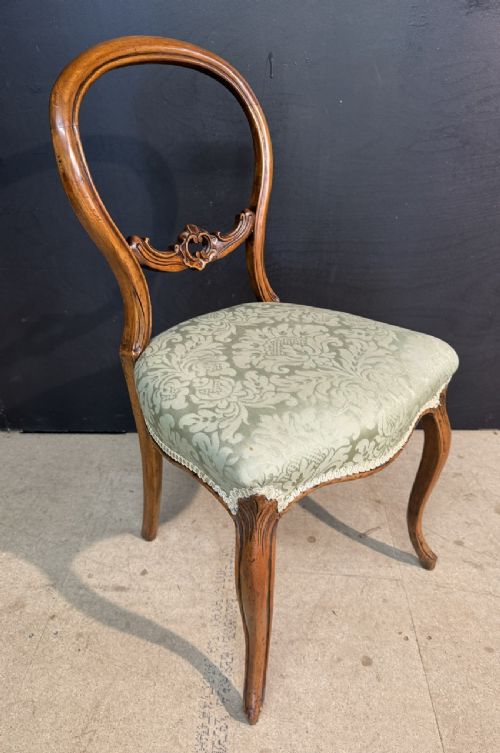
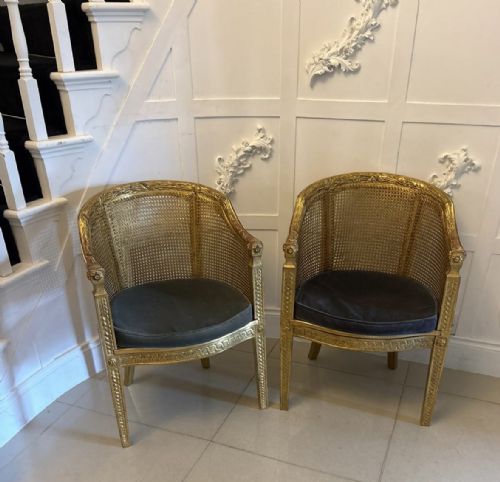
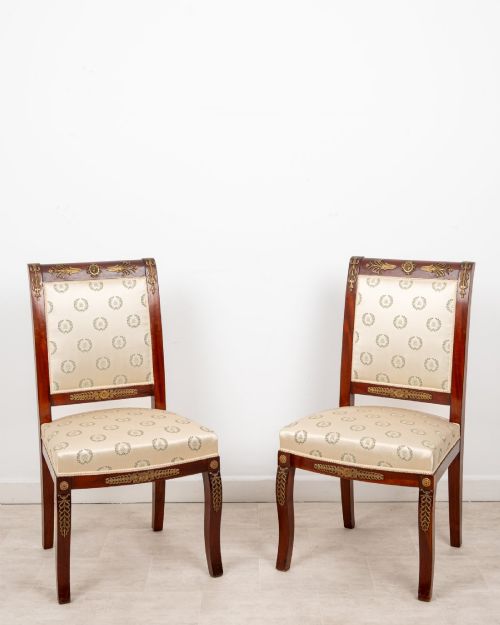
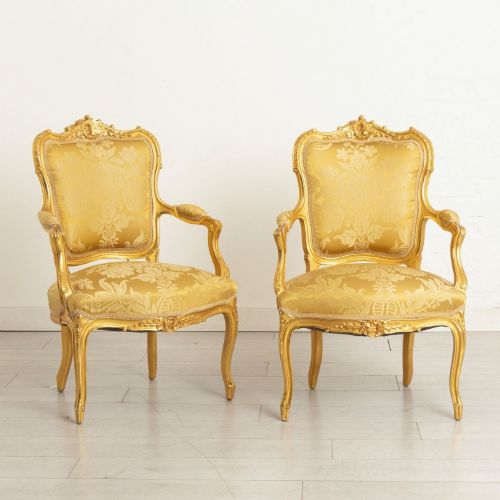
The designs draw heavily upon Louis XV and Louis XVI aesthetics, showing either the curved lines of rococo revival or the straight, fluted legs associated with neoclassical taste. Alongside standard side chairs, the listings include related forms such as salon chairs, hall chairs, and bedroom chairs.
Materials and construction methods
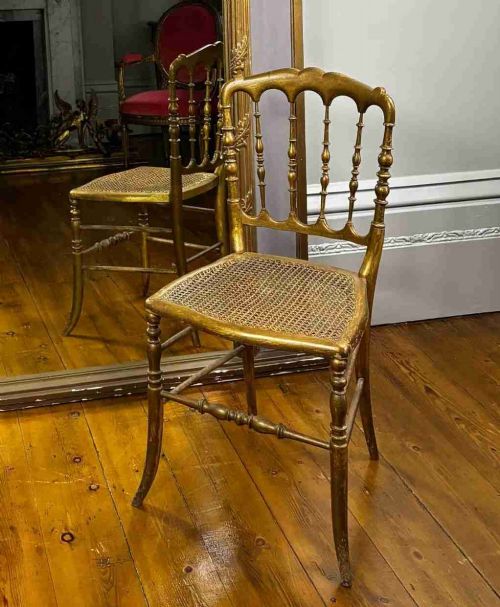
Wood selection defines the structural integrity of these chairs, with walnut, oak, and mahogany providing sturdy frames for intricate carving. Giltwood and painted finishes appear frequently, often applied over carved wooden foundations to mimic high-status court furniture.
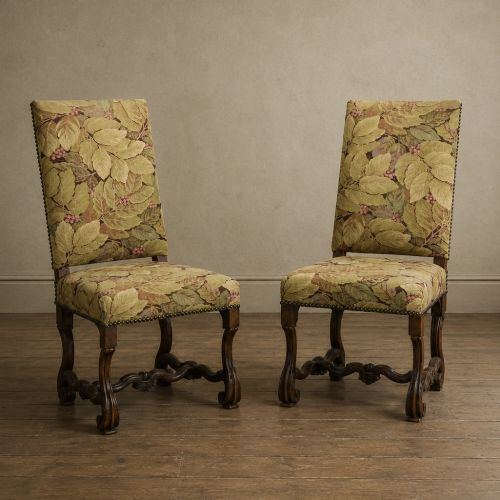
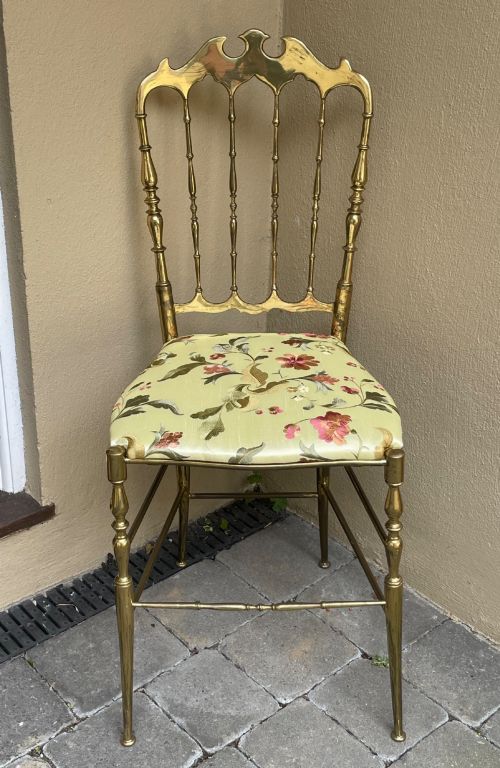
Upholstery materials range from modern fabrics to traditional silk damask, velvet, and cane inserts secured to the seat or back frames. Metal elements such as brass or ormolu mounts add decorative accents to specific revival pieces, particularly those following empire or neoclassical models.
French Style Side Chairs Retail Price Guide 2026
Typical asking prices for french style side chairs among the pieces listed under this phrase on Sellingantiques today, from the lower quarter to the upper quarter. They describe what is for sale here now, not the wider market.
Listings feature periods spanning from the eighteenth century through the Victorian era up to the 1930s.
Evaluating craftsmanship and condition
The precision of the wood carving separates standard production pieces from finer studio work, with hand-chiselled details showing sharper definition than moulded compositions. Joint construction and the stability of the frame dictate longevity, particularly in pieces subjected to regular seating use over generations.
Surface finish preservation plays a major role in assessment, whether dealing with original gilding, aged paint layers, or polished timber grains. The quality of the upholstery work and the material chosen for coverings also influence the overall standard of the piece.
Codina·Lamb of Manchester·Morison & Co of Edinburgh
The French Style Side Chairs Glossary
- Giltwood
- Timber that has been coated with a thin layer of gold leaf or powder over a prepared gesso ground. It provides a bright, reflective surface popular in formal salon seating.
- Bergère
- An enclosed upholstered armchair with wooden framing exposed around the sides and back. The seat usually incorporates a loose cushion resting on a webbed or sprung platform.
- Ormolu
- Gilt bronze ornamentation applied to the mounts, feet, or crest rails of luxury furniture. The technique involves treating brass or bronze with an amalgam of gold before firing.
- Cane
- Woven rattan strips used to create light, resilient panels for seat backs or bases. It appears frequently on lighter chairs designed for warmer rooms or summer use.
French Style Side Chairs: Frequently Asked Questions
How do I spot a Louis XV style chair?
Louis XV style chairs feature pronounced curves, asymmetric cartouche backs, and cabriole legs without straight vertical lines. Carvings often incorporate floral motifs and leaf scrolls rather than geometric patterns.
These pieces emphasise comfort and fluid movement, contrasting sharply with the subsequent neoclassical revival taste that favored symmetry and straight fluted supports.
Are these chairs comfortable for daily dining?
Most French style side chairs provide upright support intended for formal dining or occasional sitting rather than lounging. Upholstered versions offer more padding, while caned or wooden seats provide a firmer sit.
Seat heights and depths vary across the nineteenth-century examples, so checking individual dimensions helps ensure compatibility with existing dining tables.
How do I care for giltwood frames?
Giltwood requires gentle dusting with a dry, soft brush to prevent damage to the delicate gold leaf layer. Moisture and chemical cleaners can strip the underlying gesso and expose the base timber.
Keeping these chairs away from direct sunlight and excessive humidity preserves the finish and prevents the wood from warping or cracking over time.
Can I mix different chair styles together?
Mixing French style side chairs with other furniture works well if the wood tones or decorative finishes share a common thread. Pairing painted chairs with a natural walnut table creates a collected interior look.
Matching sets remain popular for formal dining spaces, while single chairs or pairs function effectively as accent seating in bedrooms and hallways.