


French Style Hall Chandelier
These french style hall chandelier pieces bring period grandeur to entranceways with brass, bronze, and glass.
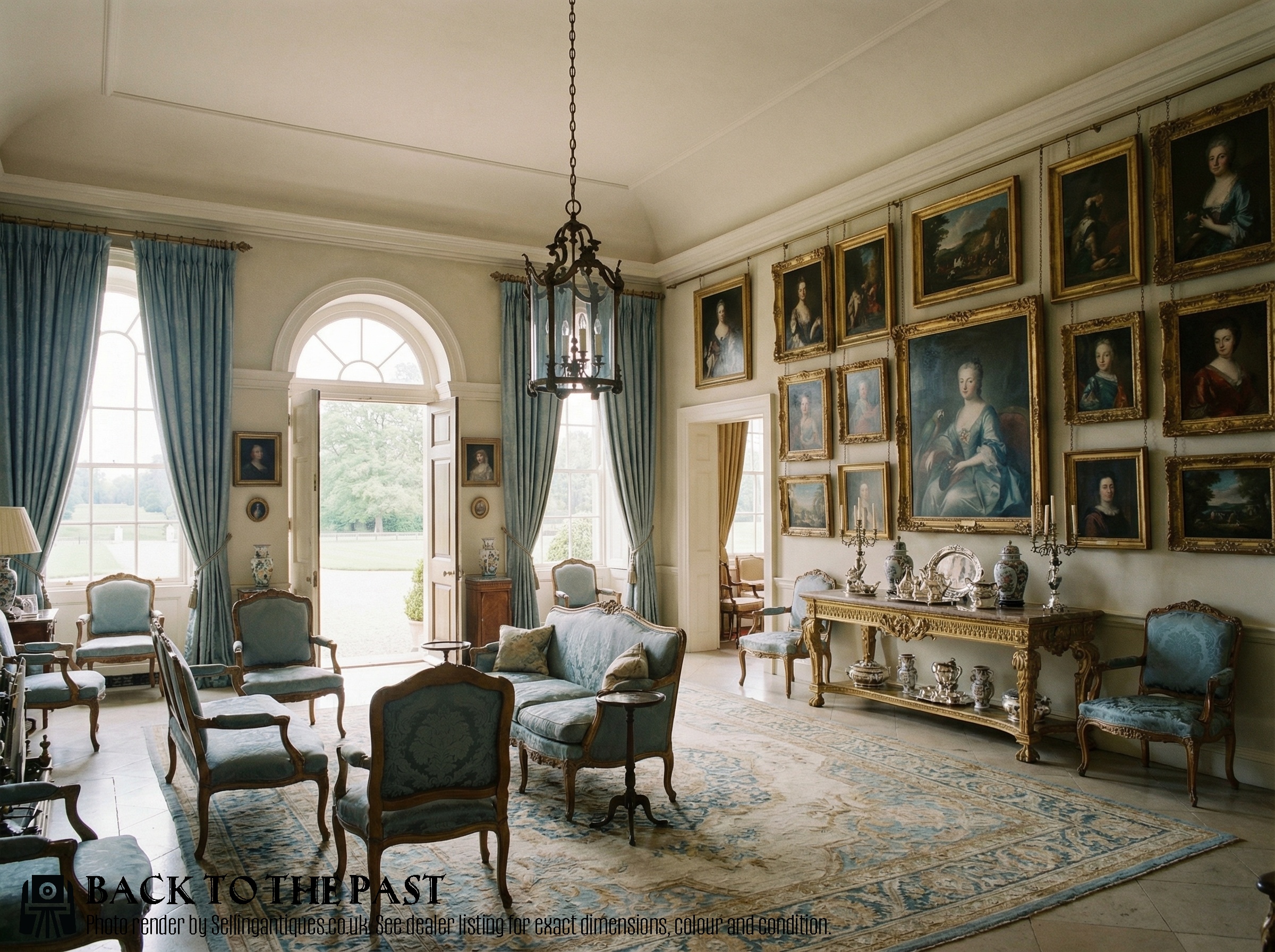
French Style Hall Chandelier
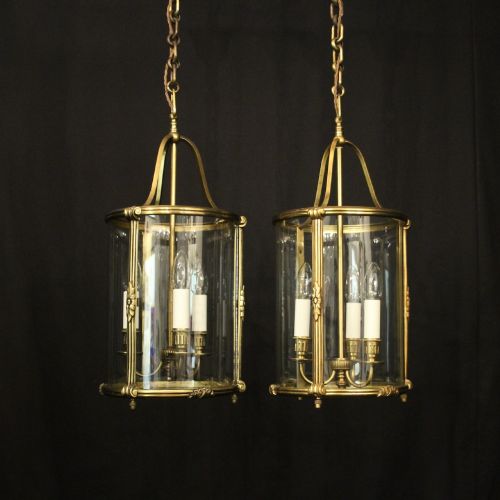
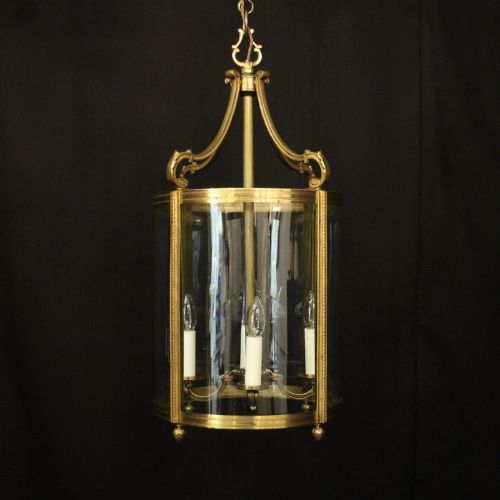
A french style hall chandelier typically takes the form of a hanging lantern or pendant light designed for entranceways and corridors. The selection on this page draws heavily from the nineteenth century and the early decades of the twentieth century, capturing historical designs.
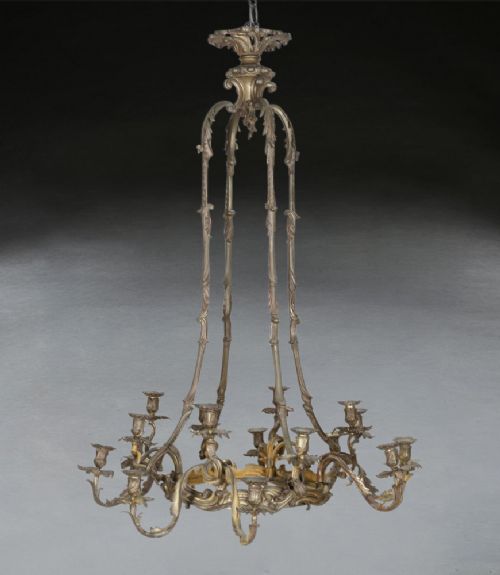
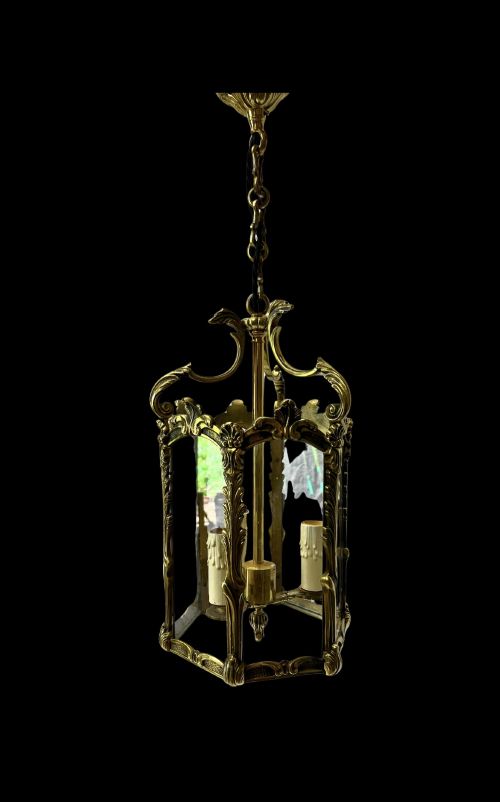
Most examples lean towards eighteenth-century Regence design, Louis XVI style, or ornate rococo revival aesthetics. Buyers frequently encounter convex glass panels, hexagonal brass or bronze frames, and multi-light configurations suitable for vertical spaces.
Makers often looked to palace interiors for inspiration, producing pieces that mirror the grand lighting found in historic chateaux. These fixtures serve both as practical illumination and as architectural statements in domestic settings.
Materials and construction methods
The construction relies heavily on metal casting, with brass, bronze, or gilt bronze forming the rigid structural framework. Artisans often applied mercury gilding or modern plating techniques to impart a rich golden finish to the metal surfaces.
Glass elements include plain panes, etched designs, frosted panels, and heavy convex lenses held securely within the metal armature. Iron, steel, and painted toleware also appear in certain variations, adding structural strength and alternative visual textures.
Wiring and electrical components are frequently added later to adapt these hanging lanterns for modern domestic use. Original construction methods focus on mechanical joins, pinned joints, and decorative mounts rather than welded seams.
Several lanterns draw direct inspiration from the opulent fixtures illuminating the Palace of Versailles.
Distinctions in quality
The sophistication of the cast ornamentation dictates much of the visual distinction between examples. Finer pieces display crisp chasing and deep relief work on the bronze or brass mounts, whereas lesser items show softer, simpler casting lines.
Glass quality also plays a role, with thick convex panes and intricate hand-etching setting apart the superior lanterns from standard flat-glass alternatives. The weight and gauge of the primary metal frame reflect the overall robustness and ambition of the original workshop.
The French Style Hall Chandelier Glossary
- Ormolu
- Gilded bronze, where a layer of gold is applied to a bronze base using mercury or chemical techniques. This finish provides a warm, enduring lustre characteristic of high-end antique lighting.
- Convex
- Curved outward in the manner of a segment of a sphere. Convex glass panes in these lanterns help to diffuse light more widely across an entrance hall.
- Toleware
- Painted or lacquered sheet metal items popular in various historic periods. Polychrome toleware lanterns introduce painted colour and decorative motifs into interior spaces.
- Regence
- A transitional French design style spanning the early eighteenth century before full rococo took hold. It bridges the formal symmetry of Louis XIV and the flowing curves of later periods.
French Style Hall Chandelier: Frequently Asked Questions
How are these lanterns hung safely?
These fixtures require secure anchorage to ceiling joists due to the weight of the metal and glass components. Professional installation ensures the electrical load and physical suspension remain balanced and secure.
Most pieces use a suspension chain attached to a ceiling rose, allowing the height to be adjusted to suit the ceiling clearance of the hallway.
What periods do these pieces represent?
The available selection spans the nineteenth century and the early decades of the twentieth century. Many items interpret earlier design eras such as the Regence or Louis XVI periods.
Makers frequently drew inspiration from palace interiors, adapting eighteenth-century aesthetics for Victorian and Edwardian homes.
Are these lights wired for modern use?
Many surviving examples have been electrified at some point in their history to function with standard household current. Rewiring is often undertaken to meet current safety standards while preserving the antique housing.
Buyers should inspect the internal lamp holders and wiring configuration to confirm compatibility with current bulbs and electrical fittings.
Where should a hall lantern be placed?
These fixtures suit entrance halls, vestibules, and stairwells with sufficient vertical clearance to allow safe passage underneath. Their downward illumination and decorative framing define the spatial entry point of a home.
Proportion is key, matching the physical diameter and drop of the lantern to the volume of the hallway.