

French Style Gold Frame
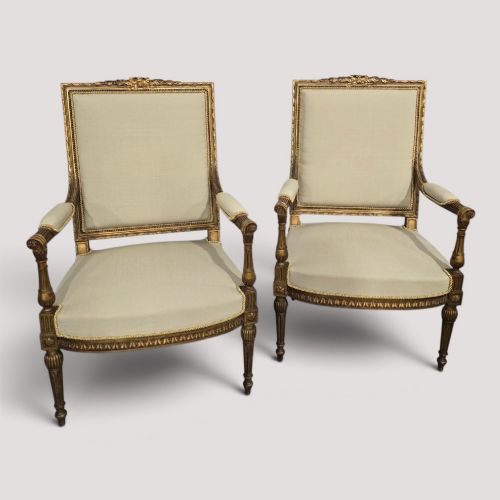
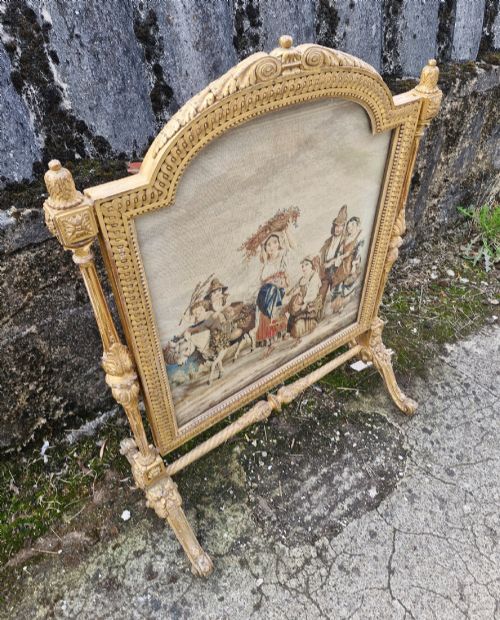
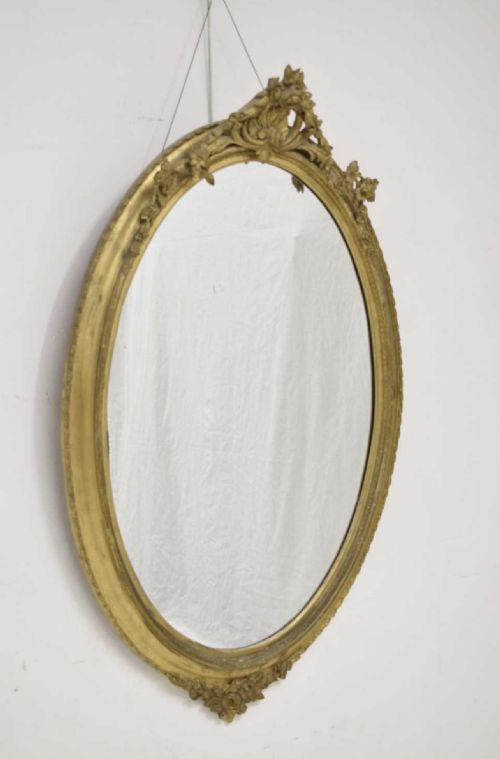
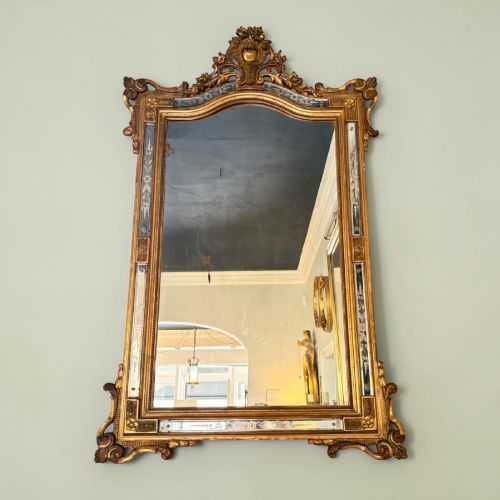
When you search for french style gold frame, you find ornate gilded mirrors and decorative surrounds from the eighteenth to the nineteenth century.
French Style Gold Frame
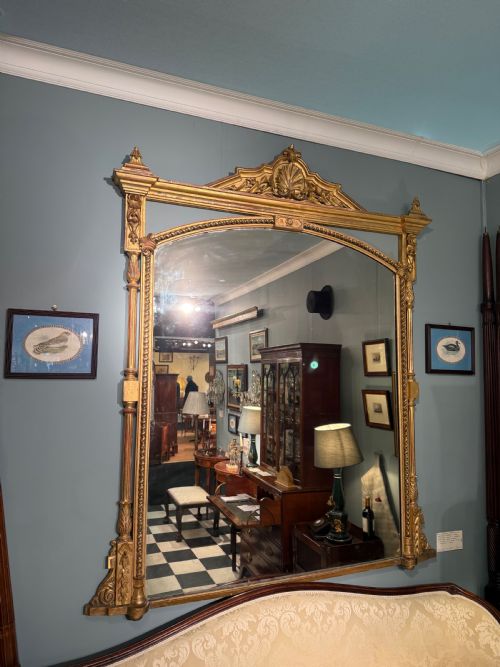
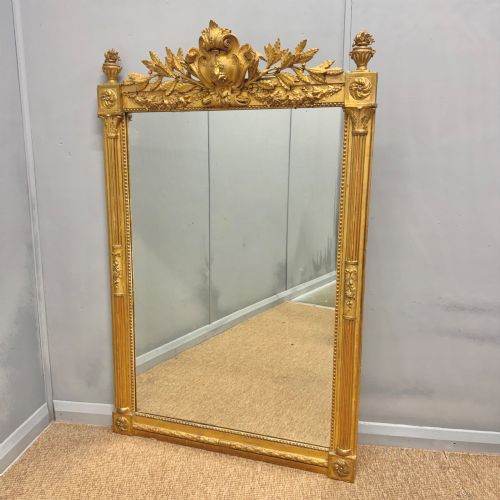
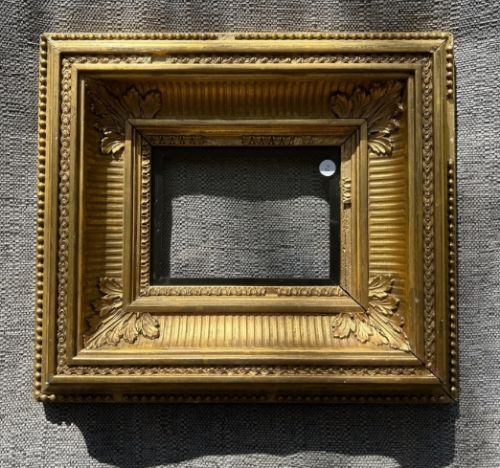
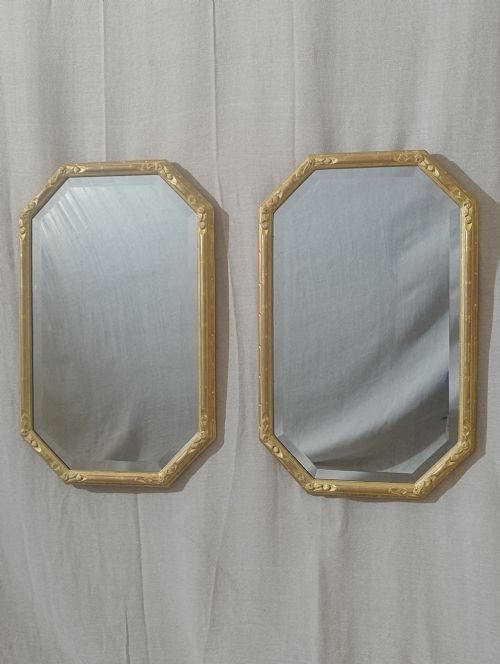
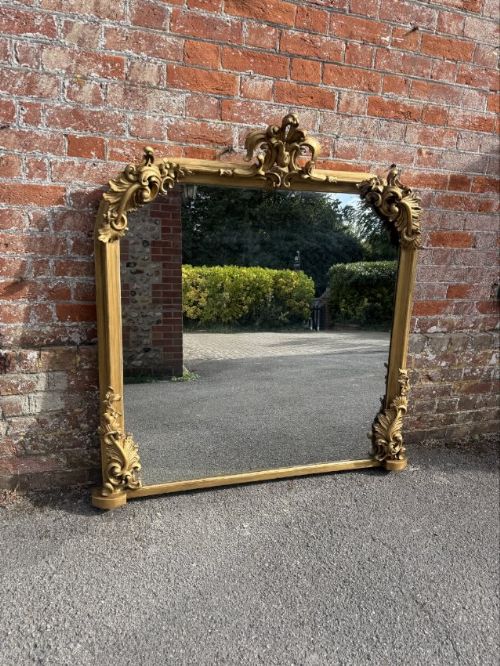
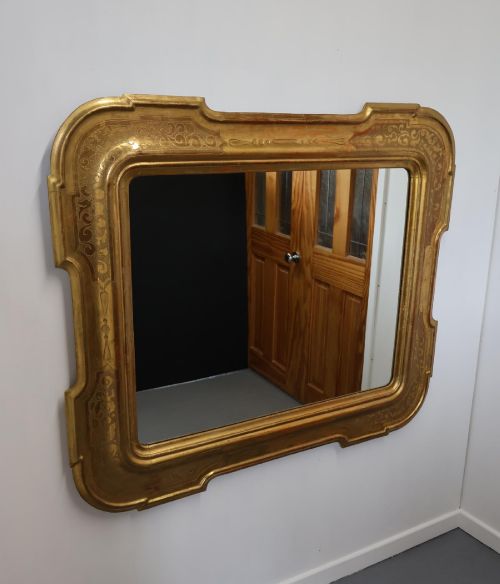
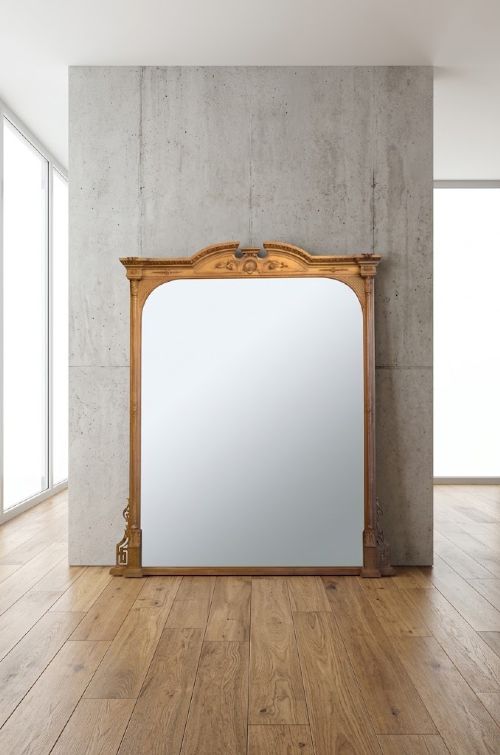
Pieces carrying a french style gold frame typically manifest as wall mirrors, overmantel mirrors, and picture frames originating from the eighteenth, nineteenth, and early twentieth centuries. Surviving examples encompass distinct regional interpretations, including English pieces created in the nineteenth century under French design influence.
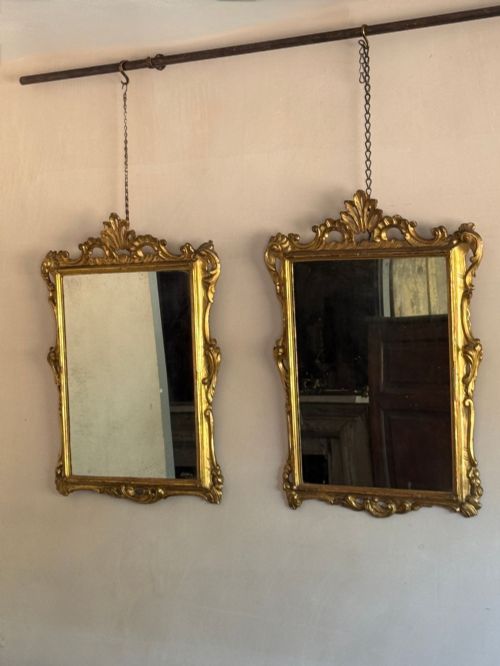
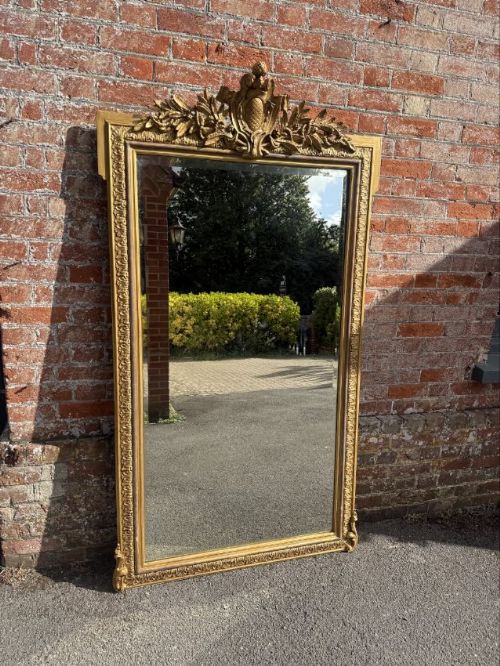
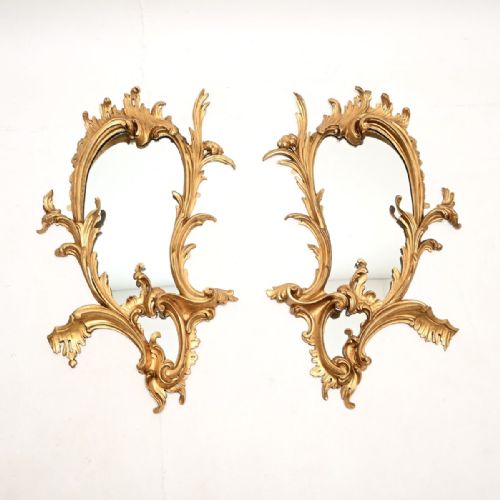
The aesthetic vocabulary draws heavily from historical design revivals such as Rococo, Baroque, and Louis XVI styles. Common formats range from large architectural overmantels designed for grand interiors to smaller wall mirrors and framed oil paintings.
Makers utilised established continental motifs including ribbon crests, rope twists, and exuberant carved foliage. These decorative objects served primarily to reflect light and ornament principal rooms within domestic and formal settings.
Materials and construction methods
The structural carcass of a french style gold frame is typically formed from carved timber, plaster, or composition applied over a wooden base. Artisans shaped these materials to create high relief ornamentation such as scrolls, floral garlands, and architectural mouldings.
Gilding was achieved through the application of gold leaf or gilt paint, frequently combined with gesso layers to build up crisp surface detail. Many mirror plates within these frames are original antique glass, occasionally displaying foxing or mercury backing from nineteenth-century production.
Current listings feature frames and mirrors spanning the eighteenth, nineteenth, and early twentieth centuries, executed in giltwood, gesso, and painted wood.
Judging quality and craftsmanship
Quality in a french style gold frame is determined by the depth and crispness of the hand-carved wood or moulded gesso relief. Superior examples exhibit sharply defined ornament and well-preserved gilding without flattening or clumsy restoration.
The integration of the frame corners, the weight and stability of the timber backing, and the retention of original mercury glass plates or early canvas inserts distinguish finer workshop output from more utilitarian commercial pieces.
The French Style Gold Frame Glossary
- Giltwood
- Wood that has been coated with gold leaf or a metallic substitute. This material forms the primary gleaming surface of high-status antique frames.
- Gesso
- A plaster mixture applied to wood frames to create a smooth base for carving or gilding. It allows intricate relief ornamentation to be modelled before the gold leaf is laid down.
- Overmantel Mirror
- A large horizontal mirror designed specifically to hang above a fireplace mantelpiece. These pieces often feature arched tops or elaborate crests.
- Mercury Glass
- A type of double-walled glass blown in the nineteenth century with a silver-mercury amalgam poured inside. It produces a distinctive mottled, dark reflection.
- Rococo Revival
- A nineteenth-century design style mimicking the asymmetrical, curving ornamentation of the eighteenth century. It employs C-scrolls, shells, and naturalistic leaf motifs.
French Style Gold Frame: Frequently Asked Questions
How do I date a gold frame?
Dating relies on examining the construction materials, the backing boards, and the specific composition of the gesso and wood. Earlier pieces from the eighteenth century show hand-carved details, whereas later Victorian examples frequently incorporate moulded composition.
The style of the rebate and the fasteners used to secure the mirror plate or canvas provide further chronological indicators. Comparing the decorative motifs against known revival periods helps narrow down the decade of manufacture.
What is mercury glass?
Mercury glass refers to silvered glass objects produced during the nineteenth century using a liquid mercury or silver solution sealed between glass walls. This technique creates an atmospheric, uneven reflection that darkens gently over time.
Finding foxing or dark spots on the reflective surface is normal for genuine antique plates. This characteristic ageing distinguishes period glass from modern silvered replacements.
Where should I hang an overmantel mirror?
An overmantel mirror is traditionally positioned directly above a fireplace mantel to anchor the room and reflect natural light. Their substantial scale makes them effective statement pieces on primary living room walls.
When hanging heavy frames, secure fixings must be anchored directly into wall studs or masonry. Positioning them opposite windows maximises the diffusion of daylight across the space.
How do I clean an antique gilt frame?
Cleaning requires a soft, dry brush to gently remove accumulated dust from the intricate carved crevices. Moisture and commercial chemical cleaners must be avoided to prevent stripping the delicate gold leaf or softening the underlying gesso.
For stubborn grime, consult a professional conservator specialising in gilded surfaces. Preserving the original patination is essential for maintaining the historical integrity of the piece.