



French Style Bijouterie Table
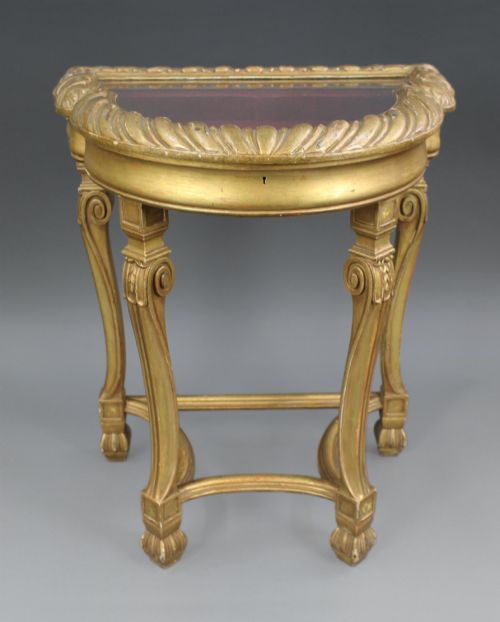
These french style bijouterie table pieces are glazed display furniture designed to showcase small treasures, offering a refined focal point for any room.
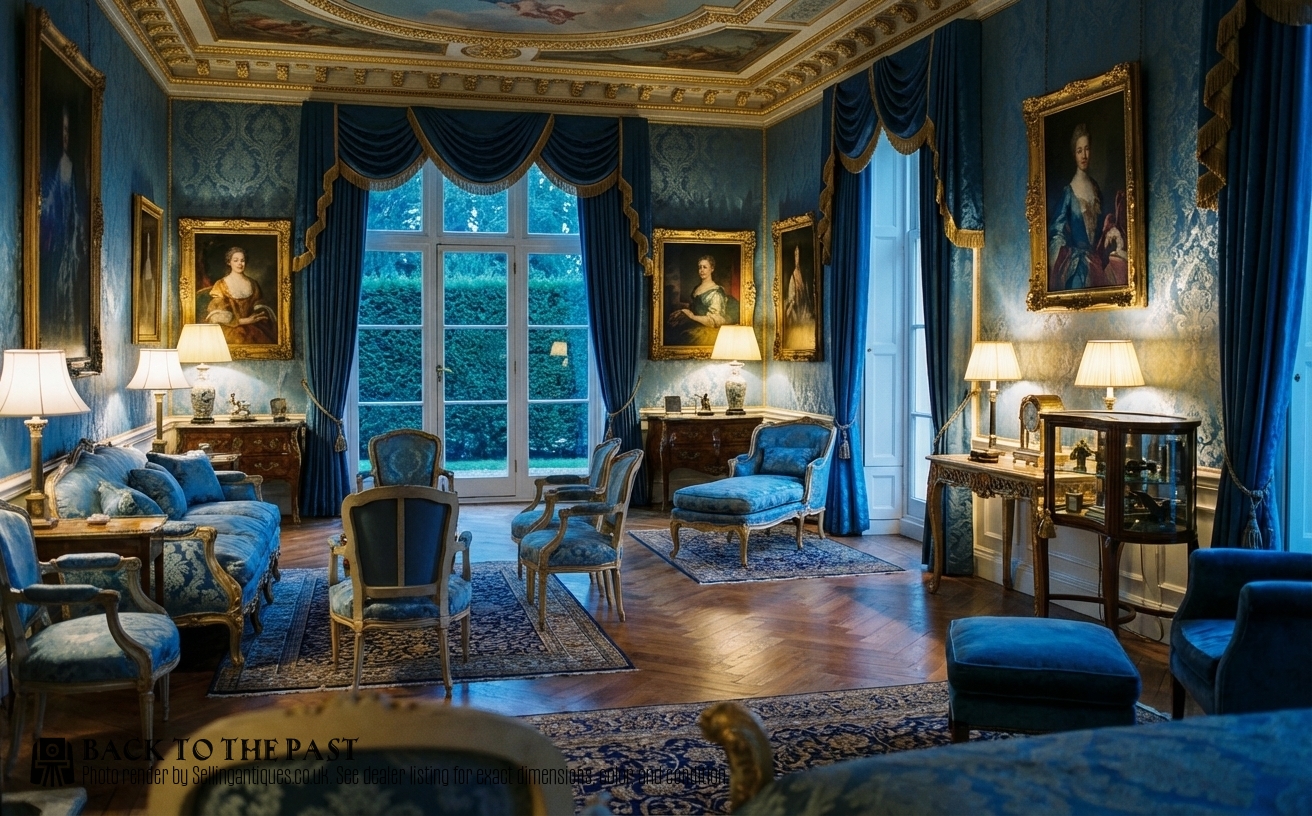
French Style Bijouterie Table
A french style bijouterie table combines a glazed top or upper cabinet with slender legs, functioning primarily as a showcase for small collectables and precious items. These pieces emerge in various forms across the Victorian, Edwardian, and later periods.
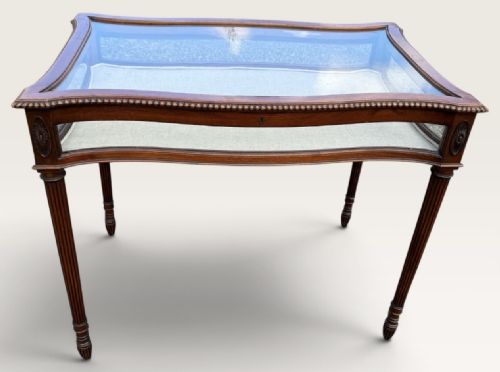
The most common examples on this page are mahogany or rosewood display tables featuring glass panels that allow views from above and the sides. Many adopt Louis XVI or Rococo revival aesthetics, referencing earlier French court furniture through curved or straight lined framing.
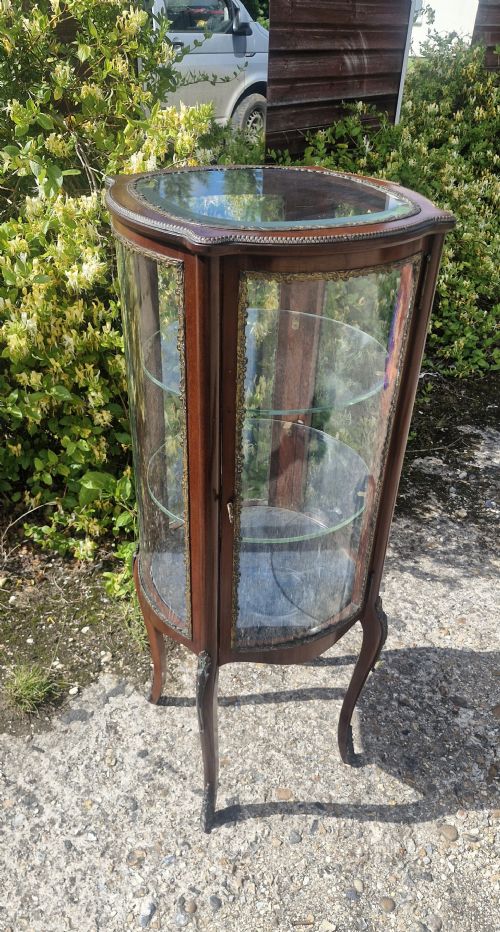
Makers adapted these display cases for both domestic drawing rooms and commercial jewellers, resulting in variations ranging from serpentine shapes to oval or rectangular vitrines. The unifying characteristic remains the glazed compartment intended for elevated viewing.
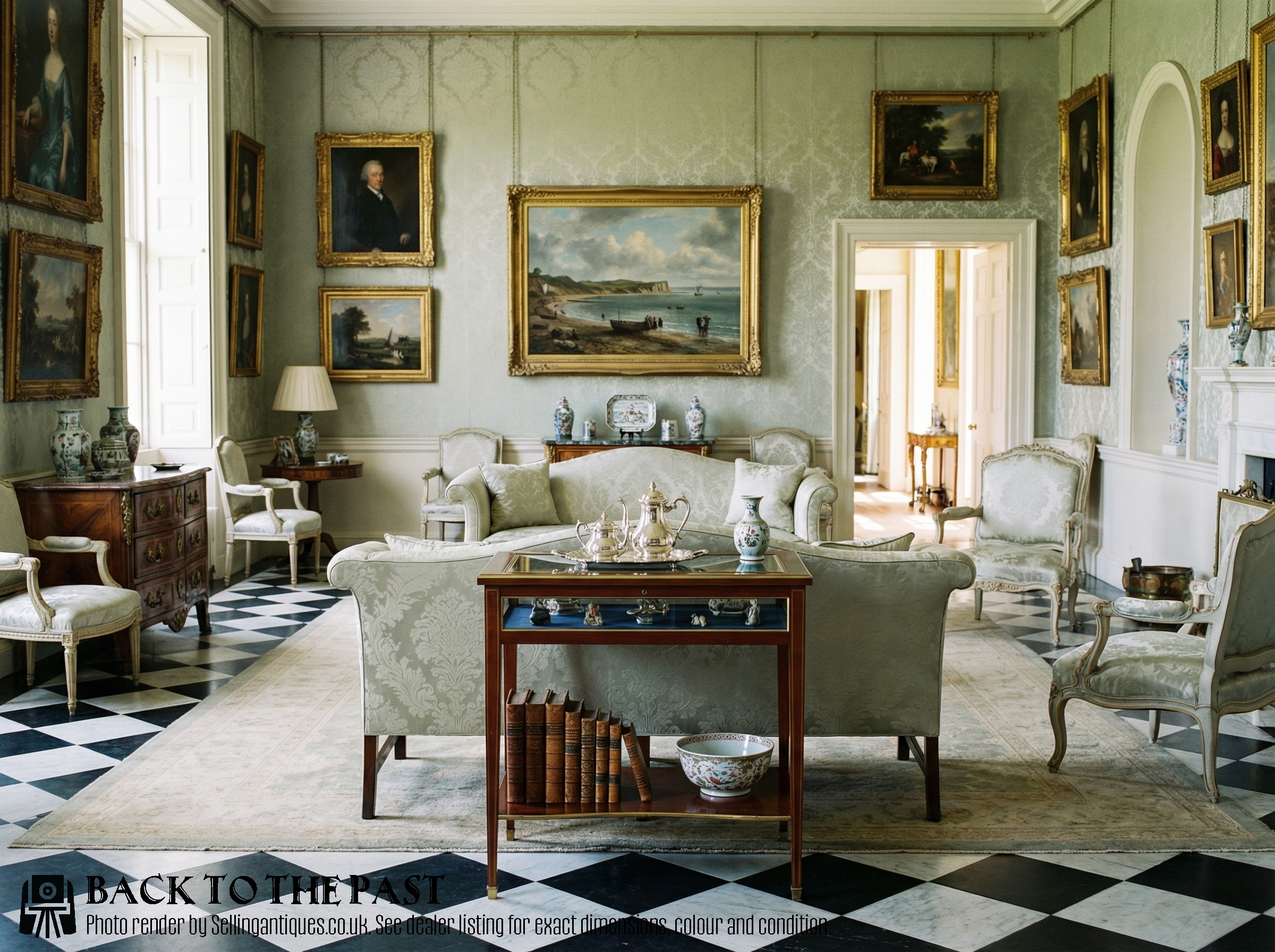
How They Were Made
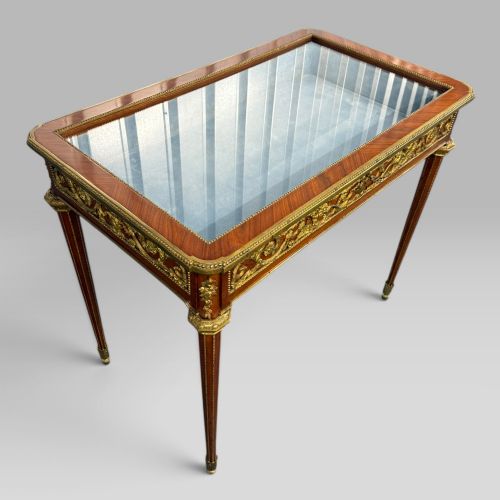
Cabinetmakers constructed the foundational frames using hardwoods such as mahogany, rosewood, and kingwood, often applying veneers and delicate marquetry inlay. Ormolu or gilded bronze mounts and brass stringing decorate the structural edges and legs.
Interior surfaces typically feature lined fabric or velvet to cushion displayed objects beneath the fitted glass lids. Glazing is secured within hinged frames that allow access to the velvet lined well inside.
French Style Bijouterie Table Retail Price Guide 2026
Typical asking prices for french style bijouterie table among the pieces listed under this phrase on Sellingantiques today, from the lower quarter to the upper quarter. They describe what is for sale here now, not the wider market.
One twentieth century hardwood example bears later sign-writing for Breitling watches, having traded drawing room trinkets for commercial timepieces.
What Varies in Quality
The standard of a french style bijouterie table rests on the crispness of its ormolu mounts and the precision of its timber veneers. Finer examples display hand chased gilt bronze and intricate marquetry rather than simpler brass stringing.
Structural harmony also dictates value, where slender legs and serpentine or oval glass forms demand exact joinery to remain stable. The quality of the interior velvet lining and the smooth action of the glazed lid further separate standard pieces from exceptional ones.
François Linke
The French Style Bijouterie Table Glossary
- Bijouterie table
- A glazed display table designed specifically for holding small valuables, medals, or jewellery.
- Ormolu
- Gilded bronze applied as decorative mounts to the corners, legs, and aprons of furniture.
- Marquetry
- Decorative patterns formed by fitting contrasting pieces of wood veneer into the primary timber surface.
- Vitrine
- A glass fronted or glass topped cabinet used for exhibiting objects of art or curiosity.
- Serpentine
- A furniture outline that curves inward centrally and outward at the ends, creating an undulating edge.
French Style Bijouterie Table: Frequently Asked Questions
What were french style bijouterie tables used for?
These tables served as elevated display surfaces in nineteenth and twentieth century drawing rooms for callers to inspect small collectables, miniatures, and trinkets.
They kept delicate items protected beneath glass while keeping them in plain sight during social gatherings.
How do I tell Edwardian examples from Victorian ones?
Edwardian versions often lean towards lighter mahogany framing with delicate marquetry and satinwood inlay, reflecting neoclassical revivals popular around nineteen hundred.
Victorian pieces tend to be heavier, utilising dense rosewood, richer ormolu mounts, and more flamboyant rococo curves.
Are the interiors usually lined with fabric?
Most examples feature a shallow well lined with velvet, silk, or other soft fabrics to cushion the objects displayed beneath the glass.
Over the decades, many of these linings have been replaced to restore the interior presentation.
Where should I place a bijouterie table at home?
They function best in a drawing room, hallway, or study where natural light can pass through the glass top to illuminate your collection.
Because they have glazed upper sections, keeping them away from heavy foot traffic protects the delicate legs and framing.