


French Style Armchair
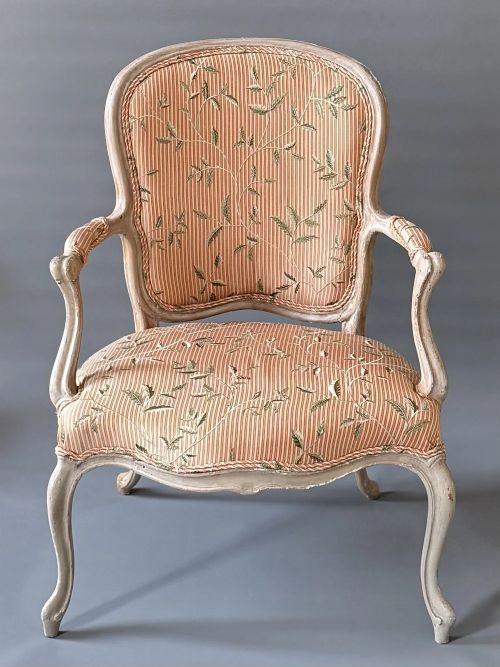
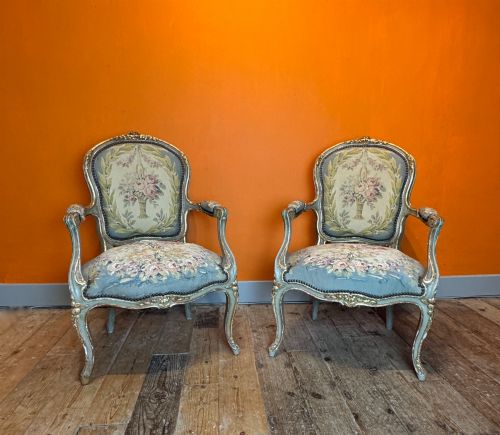
A french style armchair brings continental elegance into a room through carved wood frames and upholstered comfort.
Forms and periods
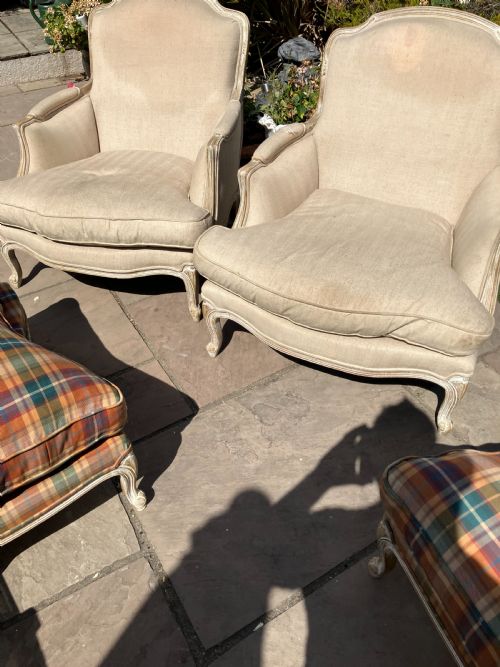
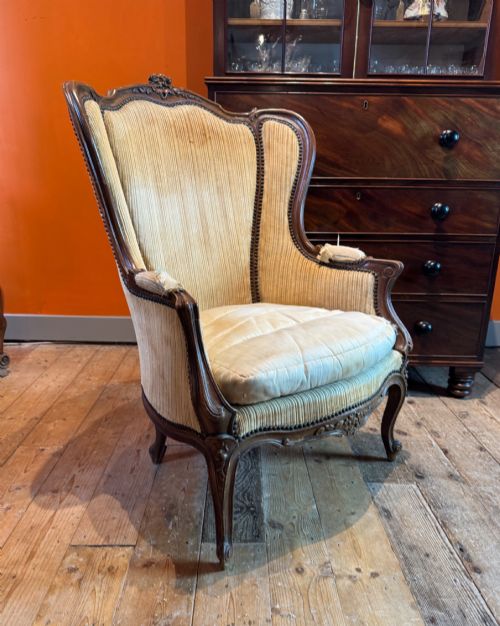
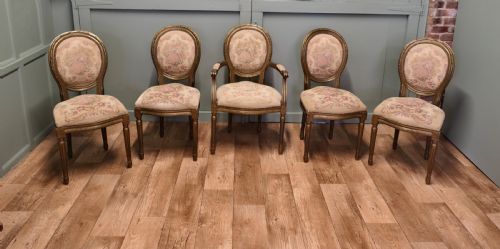
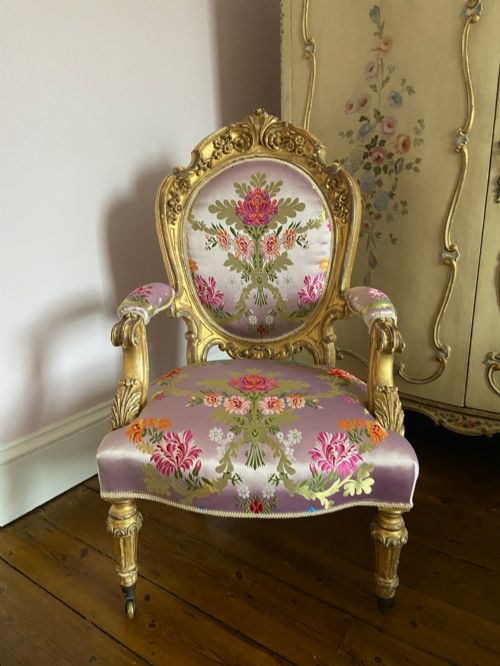
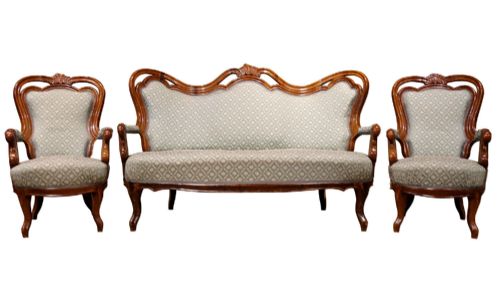
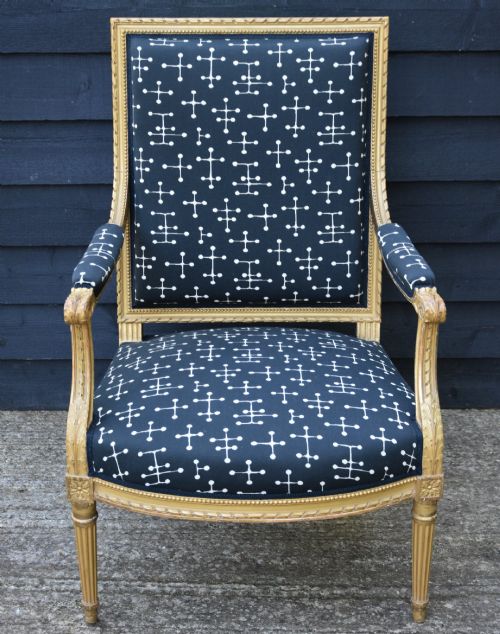
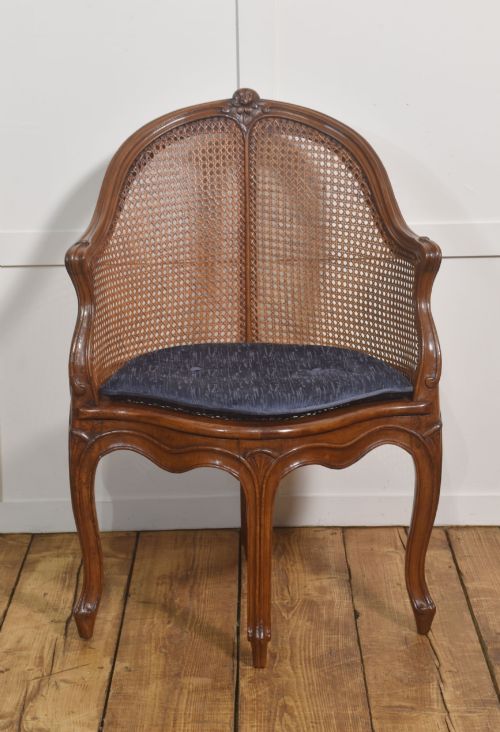
A french style armchair draws on historical continental designs, primarily emerging in Victorian interpretations and nineteenth century revivals. The listings feature walnut and mahogany frames alongside giltwood and painted finishes, often taking the form of open armchairs or fireside seats.
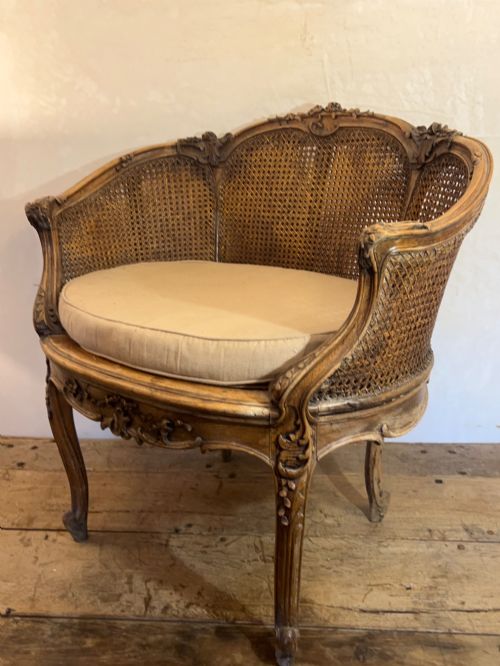
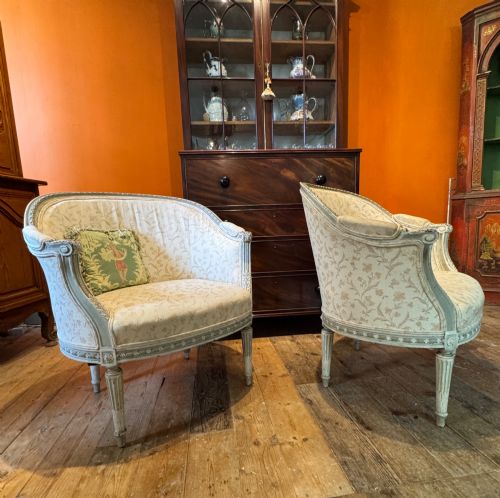
The archive reveals a strong presence of Louis XV and Louis XVI styles, alongside Empire, Directoire, and Charles X variations. Buyers encounter everything from carved walnut bergères to spoonback armchairs and low crapaud models.
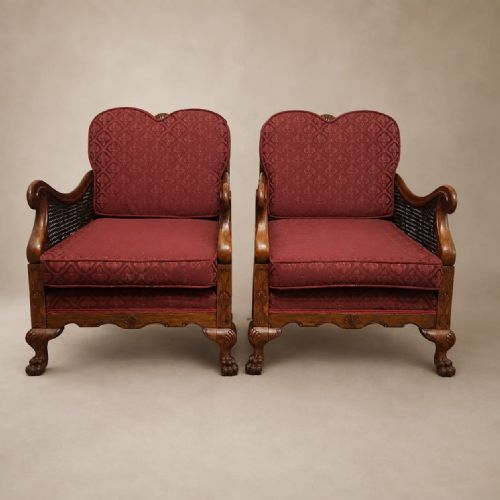
Continental pieces encompass both salon seating and larger upholstered armchairs with specific stylistic markers. The selection balances nineteenth century craftsmanship with regional variations in wood and textile.
Design and execution
Quality rests in the precision of the wood carving and the integrity of the frame construction. Solid walnut and mahogany pieces with crisp architectural detailing stand apart from simpler structures.
The refinement of the upholstery and the finish of the timber define the upper tier of pieces. Original surface treatments, such as early paint or gilding, elevate the character of the seating.
Retail Price Guide 2026
Typical UK retail prices for french style armchair, calculated from the Sellingantiques database of over a million retail prices indexed since 2003. This retail price guide relies exclusively on Sellingantiques data; no external sources or auction records are used, so the figures do not describe the wider market.
Listings incorporate walnut, mahogany, and giltwood materials across nineteenth-century and Victorian periods.
The French Style Armchair Glossary
- Bergère
- An enclosed upholstered armchair with wooden framing around the sides and back. This form often includes a loose seat cushion.
- Fauteuil
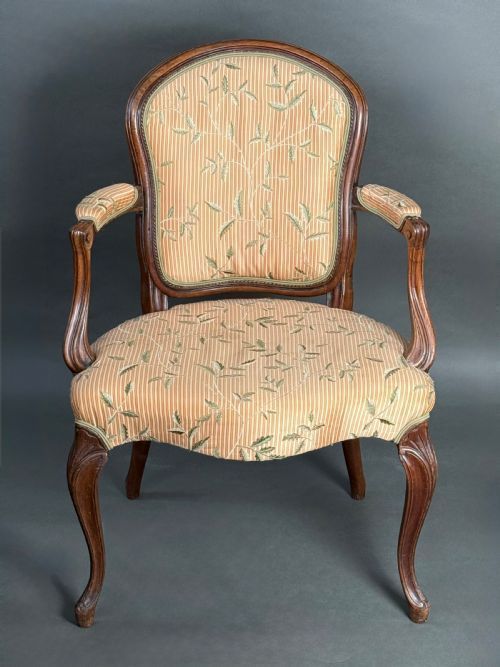
- An open armchair with upholstered armrests and exposed wooden arms. The style originated in France and remains common in formal salons.
- Giltwood
- Timber treated with a thin layer of gold leaf or gilt finish. This material appears on decorative frames from various stylistic periods.
- Spoonback
- A chair back shaped in a concave curve resembling the bowl of a spoon. This design supports the sitter while displaying polished wood borders.
- Crapaud
- A low, heavily upholstered armchair designed for intimate seating. The frame is almost entirely hidden beneath fabric.
Frequently Asked Questions
What is a french style armchair?
A french style armchair is a seated furniture piece rooted in continental design traditions. These chairs utilise exposed wooden frames alongside upholstered elements.
They appear in various historic revivals spanning the nineteenth century and later periods. The design emphasises decorative carving and comfortable proportions.
How were these chairs used?
These chairs served primarily as functional seating within formal salons, drawing rooms, and private chambers. They provided comfortable seating for conversation or reading.
Larger models and bergères offered enclosed support, while open armchairs accommodated formal entertaining. Their decorative qualities also allowed them to function as display pieces in domestic interiors.
How do I live with one?
Living with a french style armchair involves balancing its decorative presence with everyday use. Placing the chair away from direct heat sources protects the timber and upholstery.
Regular light dusting maintains the carved wooden surfaces. Selecting a suitable position in a room allows the chair to serve as a functional seat or a visual accent.
How do I tell periods apart?
Differentiating periods relies on observing stylistic details within the woodwork and upholstery. Louis XV designs feature curving lines and asymmetrical floral carvings, whereas Louis XVI pieces display geometric symmetry and straight tapered legs.
Victorian interpretations often blend these continental motifs with nineteenth century construction methods. Examining the wood type, such as walnut or mahogany, further clarifies the origin.