




French Silvered Frames
French silvered frames bring metallic elegance and architectural presence to interiors, spanning ornate nineteenth-century revivals and sleek art deco designs.
French Silvered Frames
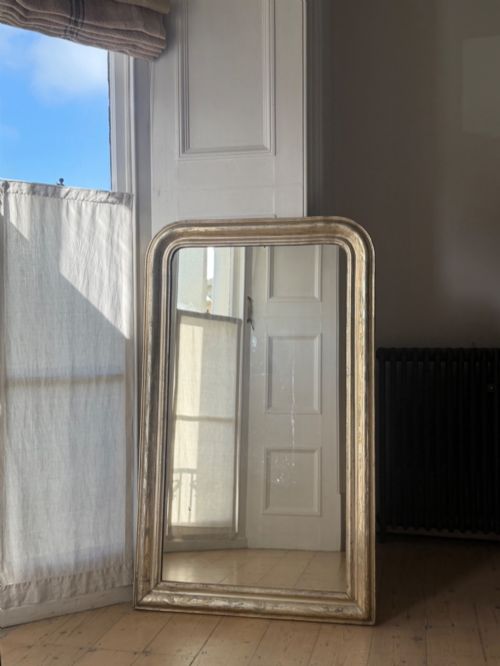
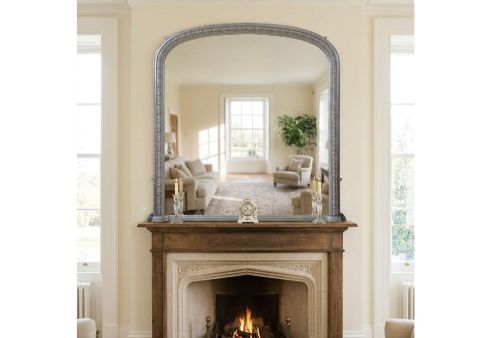
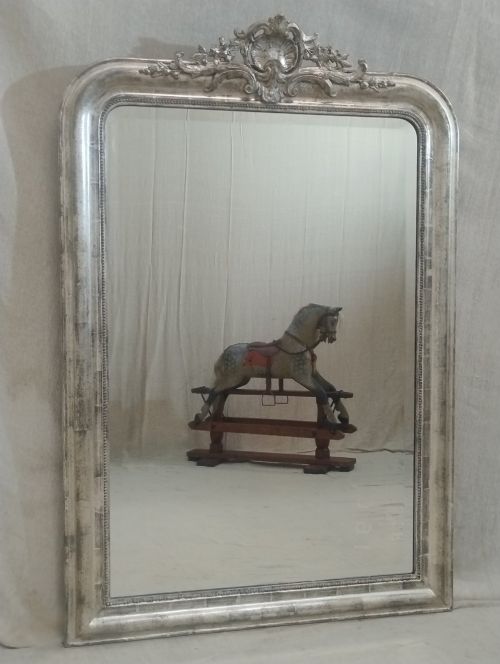
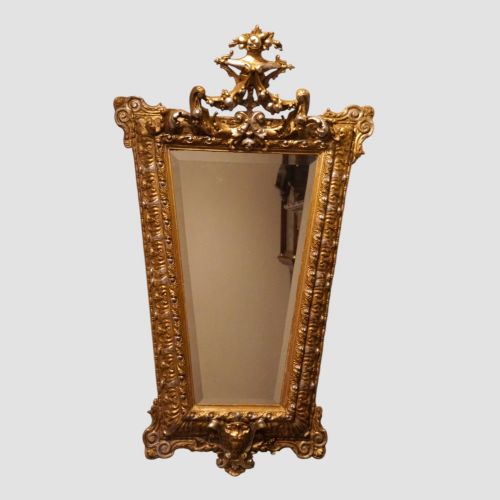
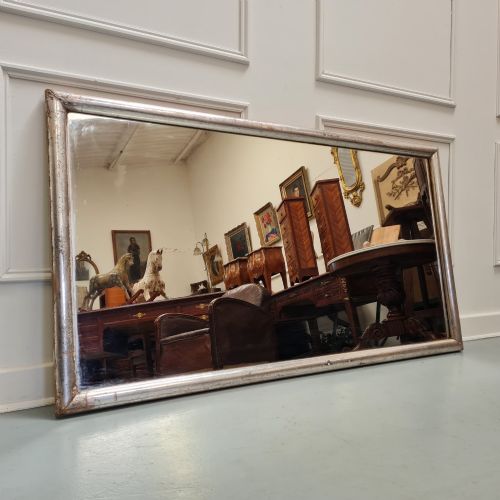
Buyers encounter classic Louis Philippe forms, Rococo revival mirrors with carved wood and gesso, and geometric art deco chrome or steel designs. Wall mirrors and overmantel mirrors dominate the offerings, often displaying arched tops or rectangular proportions.
Origins trace through French chateau aesthetics, baroquestyle revivals, and modernist ateliers. Pieces range from grand architectural overmantels to intimate portrait and photograph frames.
Materials and construction
Carved wood and gesso form the structural base for many nineteenth-century wall and overmantel mirrors, providing the relief work for silver leaf, silver gilt, and mixed metal finishes. Artisans applied these metallic layers over preparatory grounds on wooden carcases.
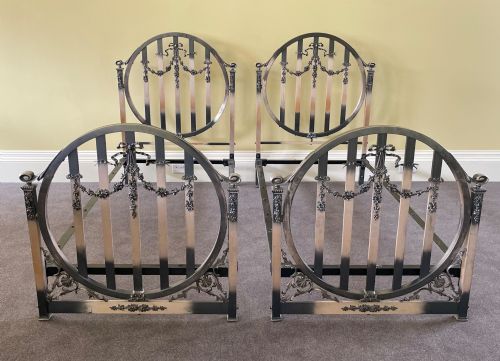
Nineteen-thirties pieces utilise industrial metals such as chrome, steel, and nickel plating, alongside glass and mirror glass. Construction methods shifted from traditional joinery and hand-carving to modernist metal fabrication during the twentieth century.
French Silvered Frames Retail Price Guide 2026
Typical asking prices for french silvered frames among the pieces listed under this phrase on Sellingantiques today, from the lower quarter to the upper quarter. They describe what is for sale here now, not the wider market.
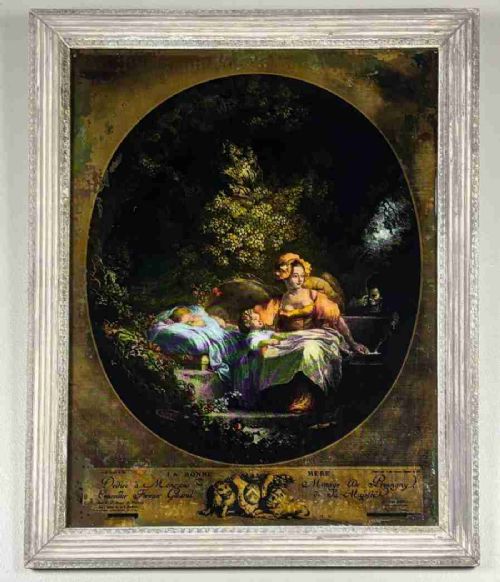
One listed nineteenth-century French gentleman gazes out perpetually from his frame, apparently unimpressed by the changing fashions of framing.
Quality and craftsmanship
Depth and crispness of carved detail distinguish better-made wooden frames, particularly in nineteenth-century gesso and carved pieces where hand-tooling defines floral and scroll motifs. Simpler designs rely on proportion and clean lines rather than elaborate relief work.
The integrity of the original surface finish, whether silver leaf, silver gilt, or plated metal, marks superior examples. Original mirror plates with mercury glass or aged silvering carry distinct visual character compared to later replacements.
Lucien Gibert·Jacques Adnet·Emile Langlois·Blangy
The French Silvered Frames Glossary
- Gesso
- A plaster-like mixture applied to wood frames as a base for gilding and silvering. Artisans carved intricate details directly into this ground layer before applying metallic leaf.
- Louis Philippe
- A French nineteenth-century style characterised by restrained classical proportions and gentle rounded upper corners on mirrors. It balances neoclassical symmetry with approachable domestic scale.
- Overmantel mirror
- A large wall mirror designed to hang specifically above a fireplace mantel. These pieces often feature wide horizontal proportions or tall arched profiles to suit chimney breasts.
- Mercury glass
- An early type of double-walled glass blown with a silvering mixture inserted between the layers. It creates a cloudy, reflective depth unique to antique mirrors.
- Silver gilt
- A metal surface combining silver leaf or plating with gold leaf highlights. This technique produces a warm, dual-toned metallic sheen.
French Silvered Frames: Frequently Asked Questions
How do I date a silvered mirror?
Dating relies on combining stylistic markers, construction methods, and materials. Nineteenth-century examples often display carved wood and gesso with silver leaf, while nineteen-thirties pieces utilise chrome and steel.
Examining the backboards, joinery, and mirror plate provides further clues. Bevelled edges and original mercury glass typically point to older nineteenth-century production.
What is an overmantel mirror?
An overmantel mirror is a large mirror proportioned to hang above a fireplace mantelpiece. They were traditionally designed to reflect light and fill the vertical space of a chimney breast.
These pieces often feature architectural shapes, such as arched tops or rectangular formats with decorative crests. Their scale makes them a primary focal point in a room.
Where should I hang a French silvered frame?
These frames suit living rooms, hallways, and bedrooms, particularly above fireplaces, consoles, or sideboards. Their metallic finishes bounce natural light around the room, brightening darker corners.
Wall fixings must match the considerable weight of carved wood, gesso, and glass pieces. Secure mounting into wall studs or using appropriate masonry anchors is essential.
How do I clean antique silver leaf?
Dusting gently with a dry, soft microfibre cloth prevents the accumulation of dirt on delicate silvered surfaces. Moisture and chemical cleaners damage historic metallic leaf and gesso.
Mirror glass can be cleaned sparingly using a cloth sprayed with a mild glass cleaner, avoiding contact with the surrounding frame. Professional conservation is recommended for damaged or flaking surfaces.