
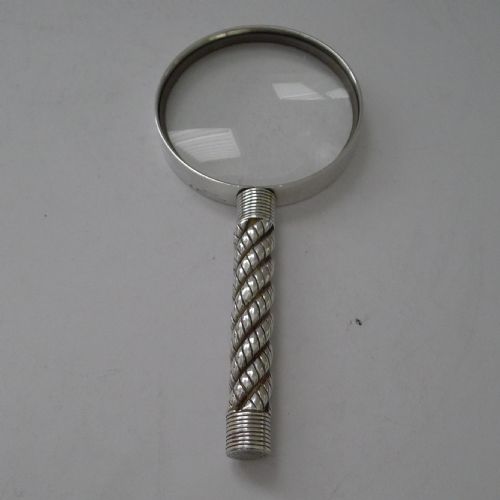
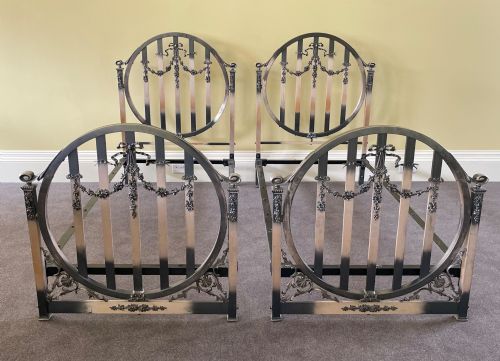
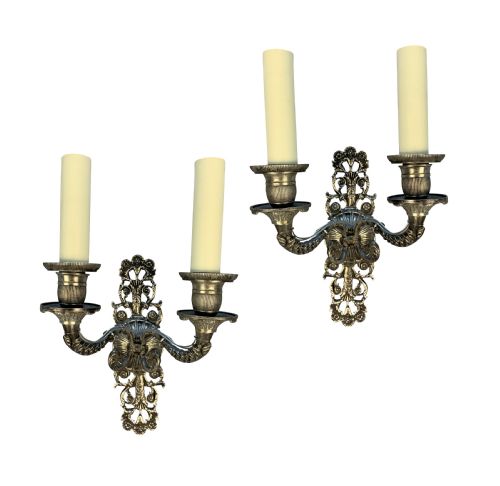
French Silver Plate
French silver plate offers sophisticated dining accessories, barware, and lighting created by renowned makers across decorative periods.
French Silver Plate
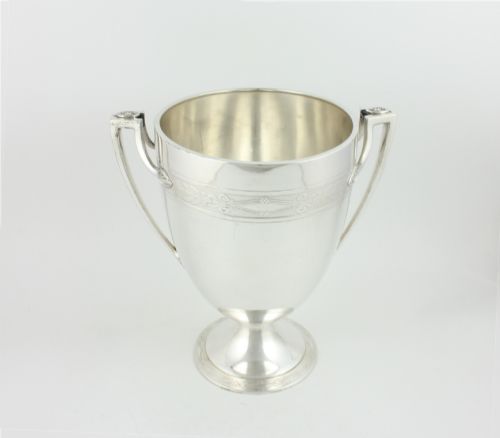
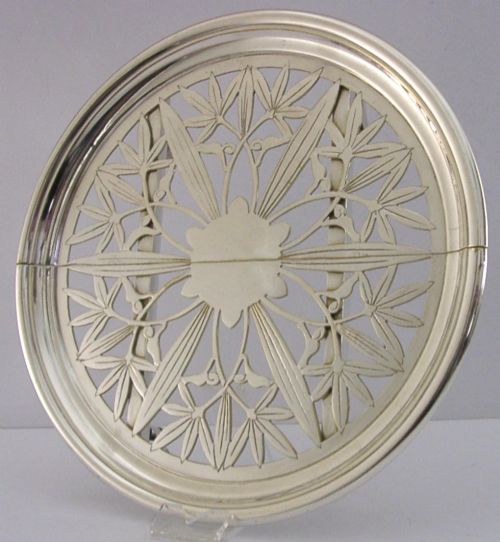
When browsing french silver plate, you encounter functional dining and bar wares, domestic accessories, and lighting fixtures originating from nineteenth and twentieth-century France.
The selections span distinct historical movements, featuring Art Deco geometric designs alongside ornate Rococo Revival, Louis Revival, and Neoclassical centrepieces.
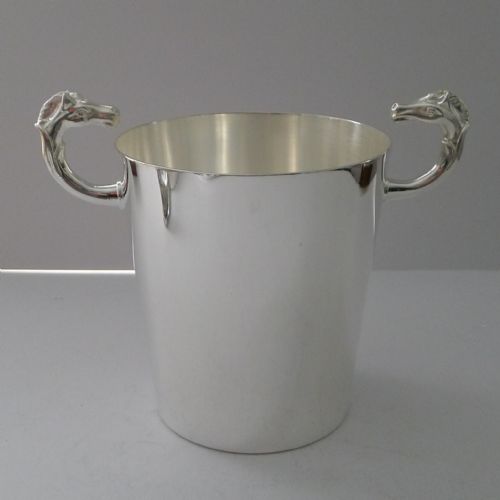
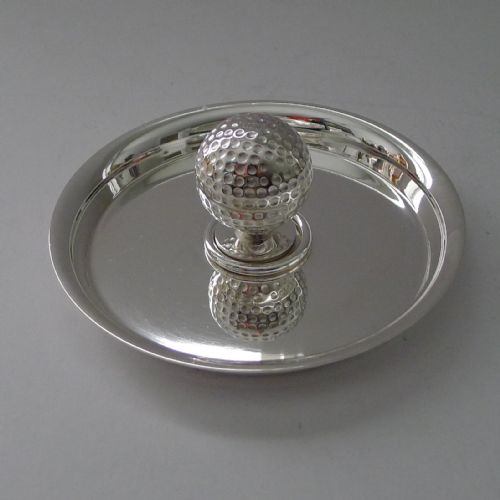
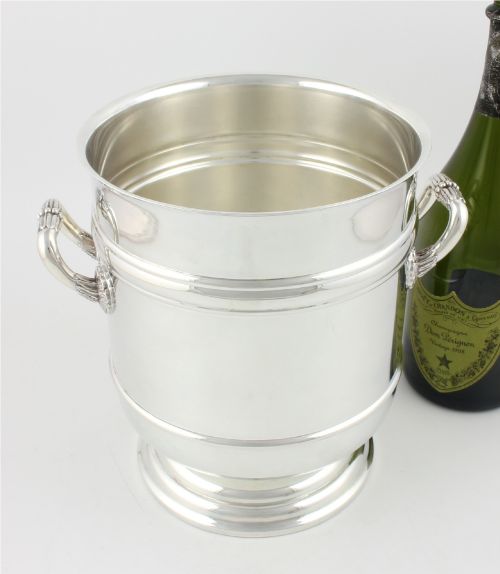
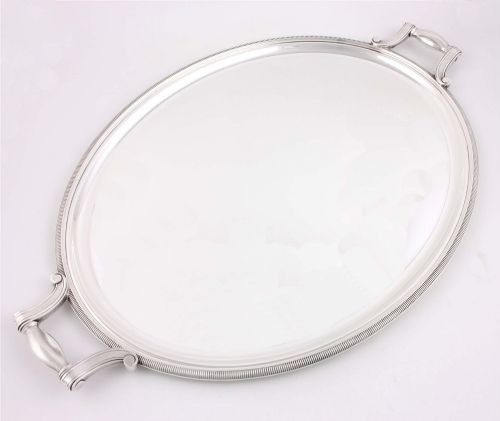
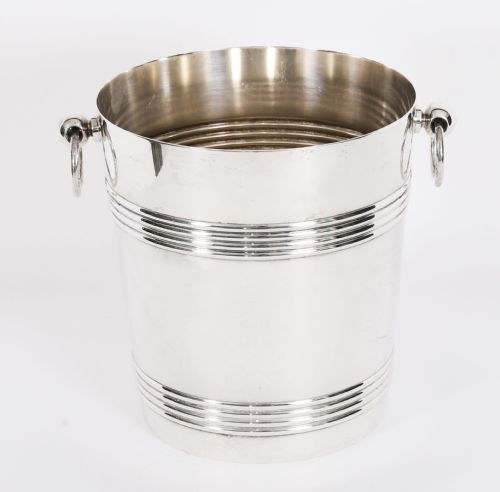
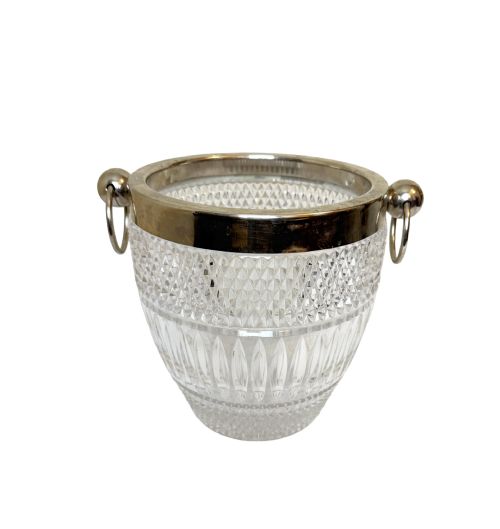
Practical barware items such as champagne coolers, ice buckets, cocktail shakers, and serving trays dominate the current inventory.
Materials and construction methods
Makers applied a thin layer of pure silver over a base metal foundation, frequently utilising copper, brass, or nickel-plated alloys for structural integrity.
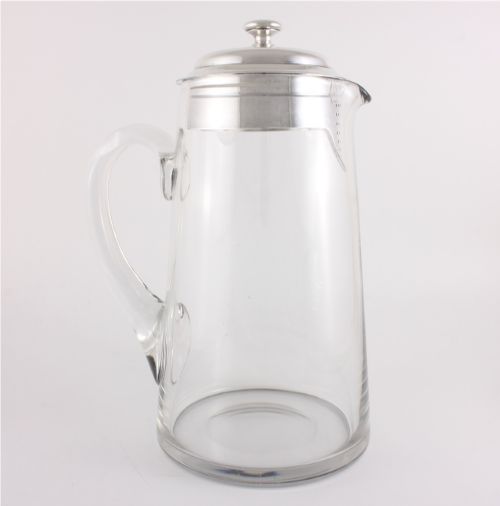
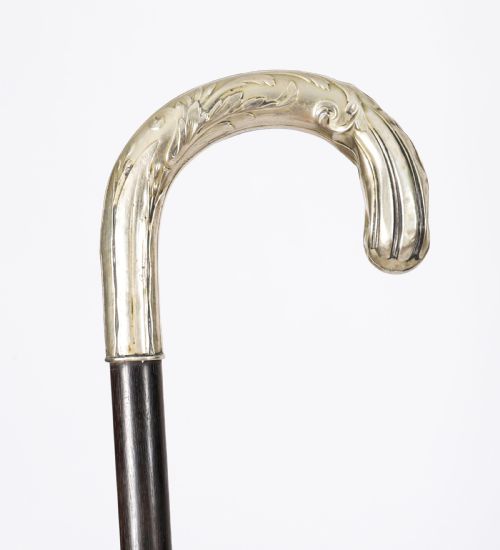
Glass, crystal, wood, and leather frequently accompany the metallic elements, particularly in decanters, ice buckets, trays, and walking canes.
Advanced workshops employed techniques like engine turning, heavy casting, and precise hammering to achieve decorative relief work and smooth curved surfaces.
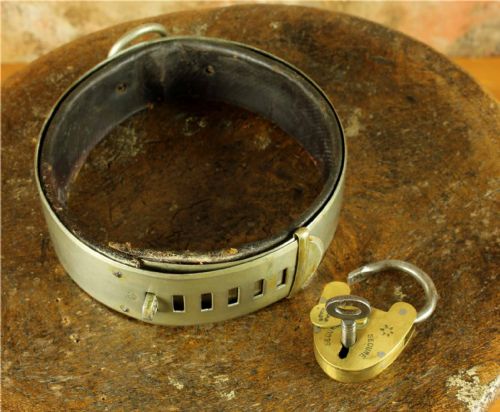
Canes conceal functional utility while domestic dogs wear silver-plated leather collars fitted with operational padlocks.
Distinctions in craftsmanship and standard
Superior items display crisp, deeply struck maker marks and hallmarks that indicate thick silver deposition and reputable workshop origin.
Quality rests upon the weight of the underlying metal base and the retention of the silver plating without heavy wear exposing the base material.
Artisanal precision in hand-chased details and structural weight separate standard commercial production from prestigious maker output.
Christofle·Hermes Paris·Ercuis·Puiforcat·Victor Saglier·St Medard·Roux Marquiand·Le Chardon
The French Silver Plate Glossary
- Silver Plate
- A base metal object coated with a layer of pure silver. This technique provided the visual weight of solid silver at a more accessible cost.
- Gallia
- A high-grade Britannia metal alloy utilised by Christofle for cast and plated holloware. It allowed for sharp sculptural detail in twentieth-century pieces.
- Vermeil
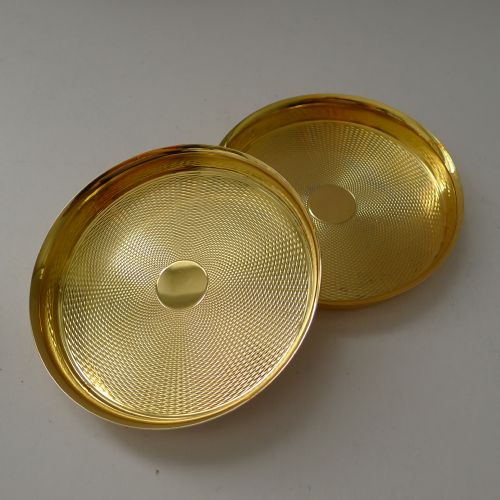
- Sterling or silver-plated metal coated with a thin layer of gold. This finish gives objects a warm, dual-toned appearance.
- Vide Poche
- A small tray or dish designed for emptying pockets of coins and keys. These decorative receptacles frequently feature novelty animal or equestrian motifs.
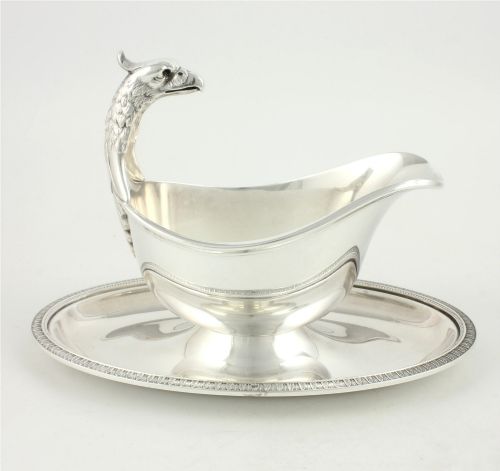
- Sauciere
- A specialised boat-shaped vessel intended for serving gravies or sauces. They often incorporate fixed underplates and pouring spouts.
French Silver Plate: Frequently Asked Questions
How do I clean French silver plate?
Use a specialised liquid or paste silver polish applied with a soft cloth to remove tarnish gently. Avoid abrasive brushes or harsh chemical dips that strip thin plating.
Store items in dry, tarnish-resistant cloths or bags when not in display use to minimise atmospheric oxidation.
Can I use vintage champagne coolers today?
These robust vessels serve their original purpose effectively for chilling bottles with ice and water. Ensure the interior remains dry after use to protect the underlying metal base.
Display them on sideboards or bar carts when not hosting gatherings to appreciate their decorative form.
How do I identify a Christofle piece?
Look for stamped maker marks featuring the scales symbol accompanied by the letters CC and a specific number of stars. These punch marks indicate the production period and standard of the metal.
Associated model names like Malmaison or Marly often appear alongside standard maker stamps on flatware and holloware.
What is an Art Deco cocktail shaker?
A multi-piece metal container utilised in the 1920s and 1930s for mixing and straining iced drinks. They feature streamlined geometric silhouettes, engine-turned patterns, or stepped bands.
These barware icons typically separate into a base vessel, a built-in strainer top, and a snug-fitting cap.