






1930s French Barware
These 1930s French barware pieces combine Art Deco elegance with functional design, offering collectors striking centrepieces for entertaining.
1930s French Barware
When searching for 1930s French barware, you encounter objects designed for mixing drinks, serving wine, and presenting cocktail snacks. The selection centres heavily on cocktail shakers, wine coolers, ice buckets, tantalus sets, serving trays, and novelty cocktail stick sets.
Most pieces date from the 1930s, though examples span from the 1920s to the 1940s within the Art Deco style. Makers and designers such as Sudre, Jacques Adnet, Maison Barra, St. Medard, Christofle Gallia, and Luc Lanel appear across the selection.
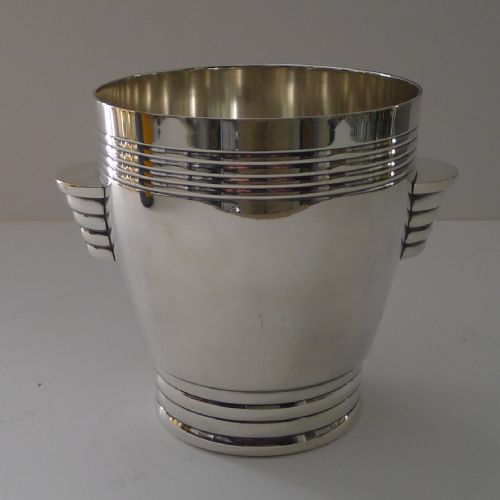
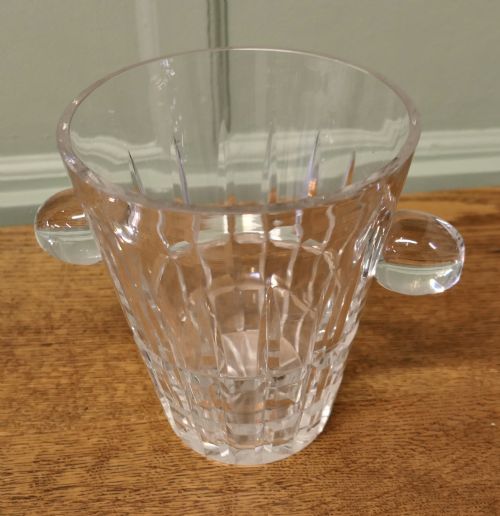
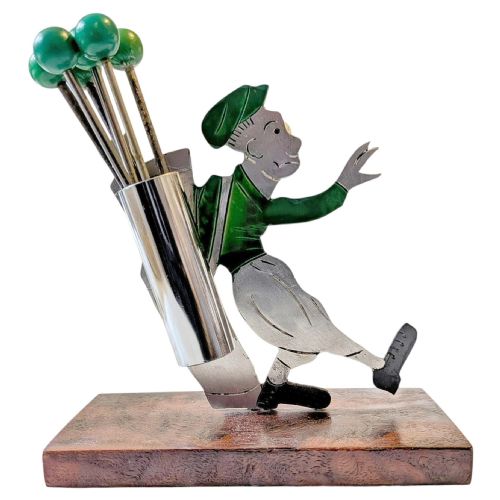
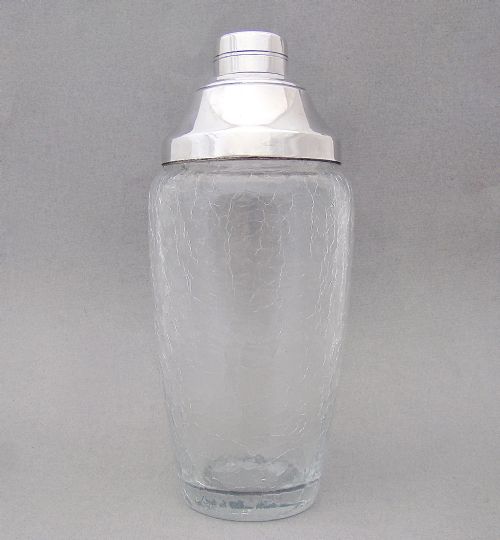
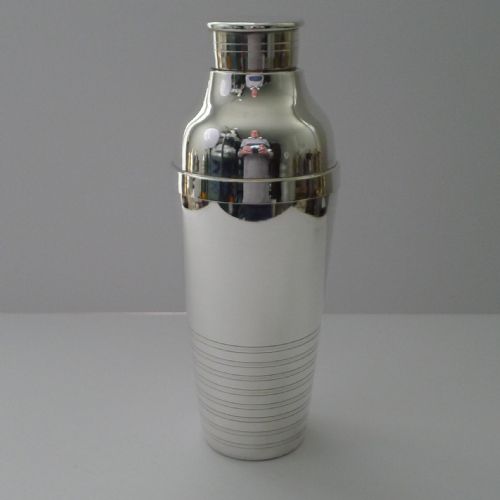
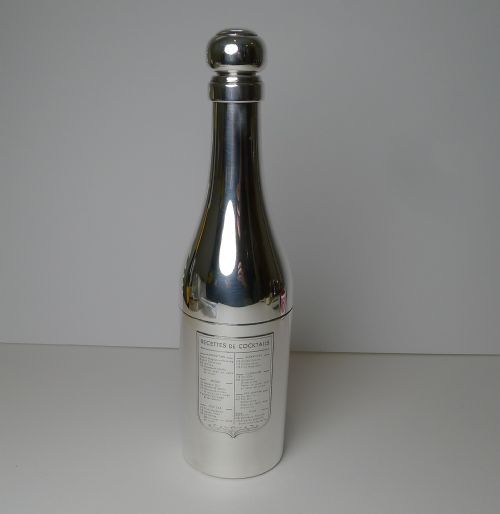
Forms range from engine-turned silver plated shakers and champagne bucket recipes to crackle glass, hand cut crystal, chrome ice buckets, and Macassar wood trays. Novelty items feature comical figures like golfers and cherry men alongside practical lemon reamers.
Materials and construction methods
Silver plate and chrome form the primary metallic surfaces for shakers, ice buckets, and tantalus frames. Manufacturers applied these finishes over base metal bodies, often enhancing the texture with engine-turned geometric patterns.
Materials documented across the pieces include silver plate, chrome, glass, cut crystal, wood, enamel, and plastic.
Distinctions in quality and execution
Quality separates mass-produced items from pieces bearing identified maker attributions such as Christofle Gallia or Maison Barra. The precision of engine-turning, the weight of the silver plate, and the integrity of hand cut crystal indicate superior workshop standards.
Design complexity also defines the upper tier, seen in multi-piece shaker and beaker sets, integrated lemon reamers, and detailed novelty figural cocktail stick sets by makers like Sudre.
Sudre·Jacques Adnet·Maison Barra·St. Medard·Christofle Gallia·Luc Lanel
The 1930s French Barware Glossary
- Art Deco
- A design style prevalent in the 1930s characterised by sleek geometric shapes, streamlined forms, and modern industrial materials. It dominates the aesthetic of French barware from this era.
- Tantalus
- A locking drink container frame that displays decanters while preventing unauthorised access. In this period, they combined modernist chrome and glass construction.
- Engine-turned
- A mechanical decoration technique that etches intricate geometric patterns into metal surfaces. This finish frequently appears on silver plated cocktail shakers.
- Crackle glass
- Glassware intentionally subjected to thermal shock during manufacture to produce a fine network of internal fractures. It adds decorative texture to cocktail shakers and coolers.
- Macassar
- A dark, highly figured tropical hardwood originating from the East Indies. It was utilised for modernist serving trays in the 1930s.
1930s French Barware: Frequently Asked Questions
What items count as 1930s French barware?
The category encompasses cocktail shakers, champagne buckets, wine coolers, ice buckets, serving trays, and tantalus sets.
These pieces typically date from the 1920s to the 1940s and reflect the prevalent Art Deco style of French workshops.
How do I identify a shaker by Maison Barra?
Maison Barra pieces often appear as silver plated cocktail shakers accompanied by matching sets of beakers.
Examination of the metalwork and associated maker markings helps confirm attribution to this workshop.
What materials are common in these items?
Silver plate and chrome dominate the metallic elements, frequently paired with glass, cut crystal, and enamel.
Certain items incorporate Macassar wood for trays or plastic details on novelty cocktail stick sets.
Are novelty cocktail sticks period authentic?
Novelty sets featuring comical figures, golfers, and cherry men were produced by makers like Sudre during the 1930s.
They form a distinct subset of barware designed to accompany cocktail service.