




French Scientific Instrument
These French scientific instrument examples bring precision brass and mahogany into a room, offering genuine utility and history.
French Scientific Instrument
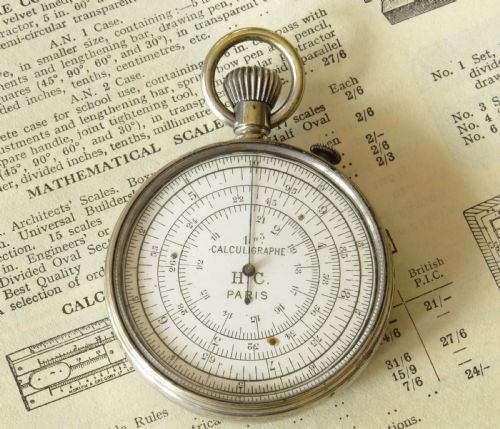
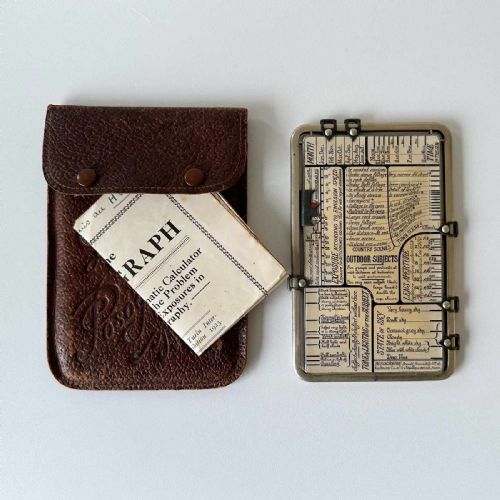
A french scientific instrument covers a diverse array of apparatuses, ranging from barographs and barometers to pocket slide rules and celestial globes. Buyers searching this phrase will find pieces spanning the nineteenth century and early twentieth century, including Victorian creations and French Empire designs.
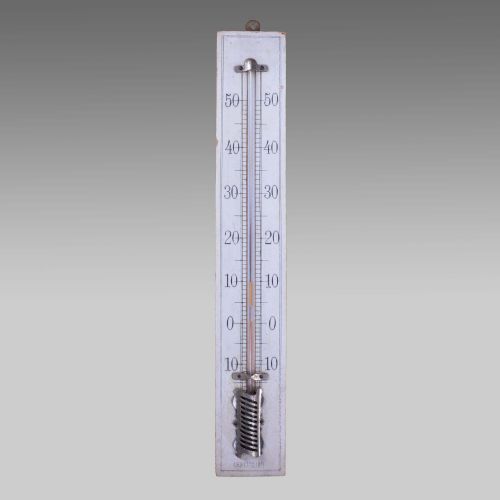
The most common iterations on this page include barographs by makers such as Jules Richard, alongside brass barometers, thermometers, and specialised apparatuses like D'Arsonval galvanometers and Saussure hair hygrometers. These objects reflect the rigorous scientific inquiry and industrial advancement of their respective periods.
Materials are integral to these pieces, frequently combining polished brass, dark mahogany, and delicate glass components. Whether dealing with a celestial globe or a marine instrument presentation, each item demonstrates the functional elegance characteristic of French craftsmanship from these eras.
Materials and construction methods
Brass serves as the primary structural and decorative material, often polished to a high finish or gilt, paired frequently with rich mahogany cases and glass viewing panels. Steel, leather, and paper scales are utilised for dials, charts, and protective housings.
Makers integrated enamel for legible barometer and thermometer faces, ensuring precise markings under varying conditions. Specialised instruments incorporate delicate internal mechanics, from hair hygrometer strands to complex barograph drum movements.
Hair hygrometers rely on the humble human hair to measure moisture in the air.
Distinguishing quality in scientific antiques
Quality rests in the precision of the mechanical execution and the legibility of engraved or paper scales. Superior examples exhibit crisp maker signatures, smooth operational movements, and well-preserved casing materials.
The sophistication of the apparatus dictates its standing, with complex mechanisms like recording barographs or celestial globes representing high levels of period engineering compared to simpler thermometers.
G. Adam of Paris·Poulenc Freres·Auguste Robert Kauffman·Henri de Magnac·A Hurlimann Paris·Jules Richard·Richard Freres·J G Hofmann
The French Scientific Instrument Glossary
- Barograph
- A self-recording barometer that graphs atmospheric pressure changes over time onto a revolving drum. These instruments typically use mechanical linkages connected to stacked aneroid capsules.
- Hygrometer
- An instrument used for measuring humidity in the atmosphere. The Saussure hair hygrometer utilises human hair to detect moisture levels through its expansion and contraction.
- Galvanometer
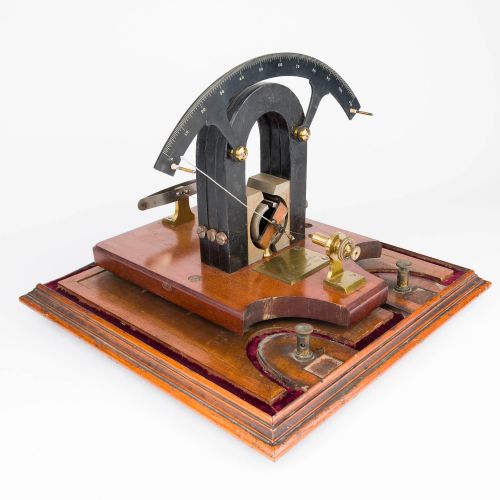
- An electromechanical measuring instrument for detecting and measuring small electric currents. The D'Arsonval type uses a moving coil suspended in a magnetic field.
- Celestial globe
- A spherical map of the night sky displaying constellations, stars, and coordinates. These globes were vital for navigation and astronomical calculations.
French Scientific Instrument: Frequently Asked Questions
How do I maintain my barometer?
Keep the instrument away from direct sunlight and dramatic temperature fluctuations to protect the wooden case and delicate glass components. Dust the brass gently with a dry cloth and avoid using harsh chemical polishes.
Ensure the internal mechanical parts remain undisturbed unless serviced by a specialist familiar with historical scientific apparatuses.
Are these instruments still accurate?
Many barometers and thermometers can still indicate current atmospheric conditions, though older mechanisms may require professional calibration. They are primarily valued for their historical and decorative merit rather than modern meteorological precision.
Recording instruments like barographs need replacement paper charts if you wish to actively track pressure trends over a weekly cycle.
How do I identify the date of a piece?
Examine the style of the lettering, the materials used in the cabinetry, and any maker signatures stamped or engraved on the brass plate. Stylistic markers from periods such as the French Empire or late Victorian eras offer strong chronological clues.
Many instruments bear signatures or patent details associated with known Parisian workshops active during the nineteenth and early twentieth centuries.
Where were these instruments used?
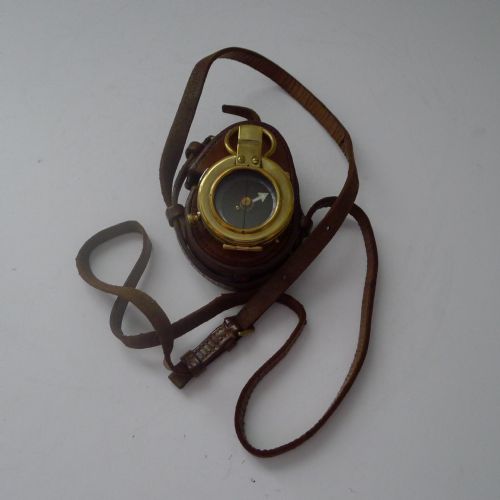
These items found places in domestic libraries, naval vessels, and scientific laboratories for observation and navigation. Marine instruments and compasses served military and maritime personnel during expeditions and campaigns.
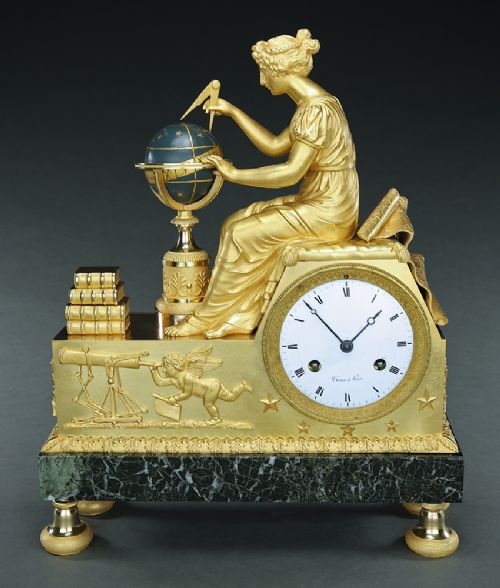
Astronomical clocks and celestial globes decorated studies and observatories, reflecting the scientific curiosity of the era.