



French School Bronze Statue
A french school bronze statue brings nineteenth and early twentieth century studio foundry work into a room.
French School Bronze Statue
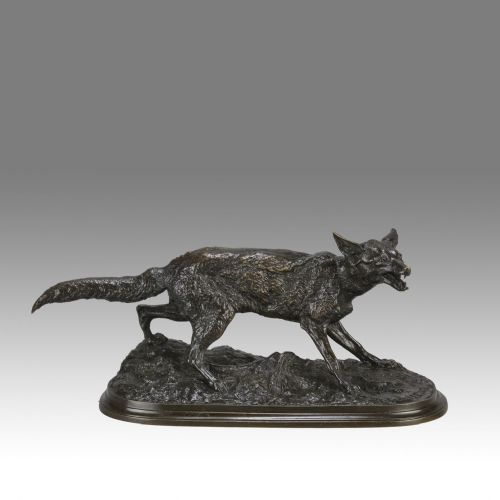
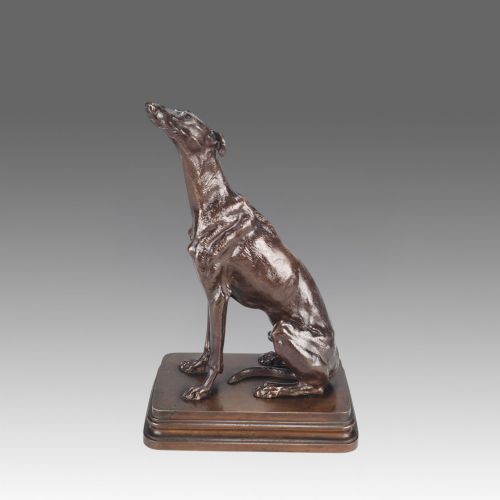
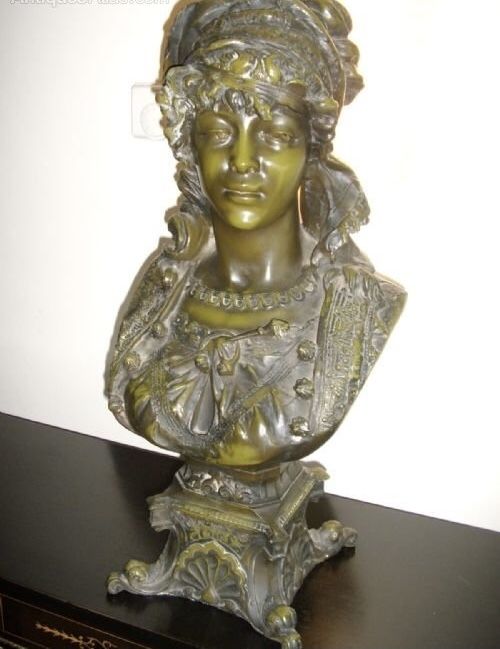
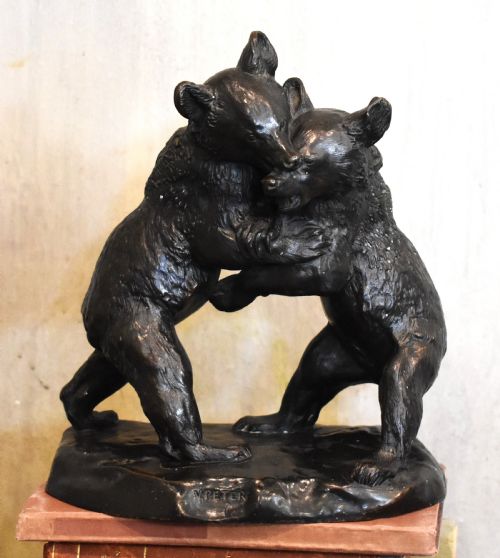
A french school bronze statue captures human figures, classical subjects, and animalier studies cast across the nineteenth and early twentieth centuries. These works range from mythological subjects and allegorical nudes to naturalistic portrayals of hounds, bears, and horses.
The versions most commonly met on this page date from the late nineteenth century through to the early decades of the twentieth century. Many rest upon integral or separate marble bases, adding weight and presence to the cast metal above.
Makers and foundries of this tradition focused heavily on anatomical accuracy and expressive detail, whether rendering a classical maiden, a philosopher, or hunting dogs at rest.
Materials and casting methods
Many examples incorporate marble bases, providing a contrasting textural and tonal foundation for the patinated metal figures. Signature marks, titles, and foundry stamps are frequently incised directly into the bronze during or after the casting process.
Listings feature works spanning the nineteenth and twentieth centuries, using bronze, patinated bronze, and marble materials.
Assessing quality in cast bronze
Quality rests upon the crispness of the chase work, where artisans cleaned and refined the raw bronze after casting to restore lost detail. Finer examples retain sharp definition in fingers, facial expressions, and animal coats without softening from worn moulds.
The depth and subtlety of the patination distinguish superior casts from simpler commercial productions. Heavier, more substantial metalwork and well-fitted marble mountings indicate greater ambition in the original studio production.
P J Mêne·Alfred Dubucand·Henry Wissen Senior·Victor Peter·Louis Auguste Moreau·Joaquim Angles·Pierre-Jules Mêne·L. Bureau
The French School Bronze Statue Glossary
- Animalier
- A nineteenth-century artistic movement focusing on the realistic depiction of animals, particularly dogs, horses, and wild beasts. Sculptors in this field studied live subjects extensively in menageries.
- Patinated Bronze
- Bronze metal treated with chemical solutions to produce a specific surface colour, ranging from deep brown and black to green and golden tones. This finish protects the metal and highlights sculptural contours.
- Cast
- The process of pouring molten metal into a mould to create a solid or hollow sculptural object. In this tradition, most pieces utilise traditional foundry methods that permit intricate detail.
- Chasing
- The manual finishing of a raw bronze casting using small chisels and hammers to sharpen details and remove surface imperfections. Skilled chasing elevates the final appearance of the sculpture.
- Putto
- A representation of a small winged infant, frequently used in classical and Renaissance revival sculpture. These figures often accompany larger mythological or allegorical groups.
French School Bronze Statue: Frequently Asked Questions
How do I clean a bronze sculpture?
Dust the surface gently with a soft dry cloth to prevent grime accumulation.
Avoid using water, chemical polishes, or abrasive cleaners, which can strip the patinated finish from the metal.
Are these sculptures solid bronze?
Many nineteenth-century bronzes are cast hollow to reduce weight and metal usage while maintaining structural strength.
Heavier bases, sometimes made of marble, provide stability for the figures mounted upon them.
What does animalier mean?
Animalier describes nineteenth-century artworks dedicated to the realistic and dynamic portrayal of animals.
Sculptors working in this style observed animals in motion, capturing muscle tension and natural behaviour.
How can I tell the age of a bronze?
Age is indicated by the casting style, the nature of the patination, and any signatures or foundry marks present on the metal.
Stylistic cues such as Art Nouveau curves or nineteenth-century realism also help date the work.