

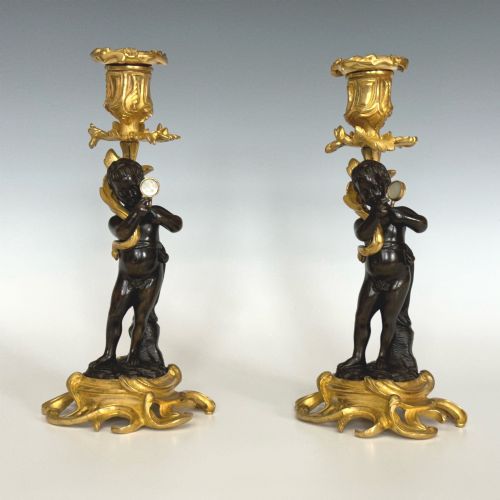
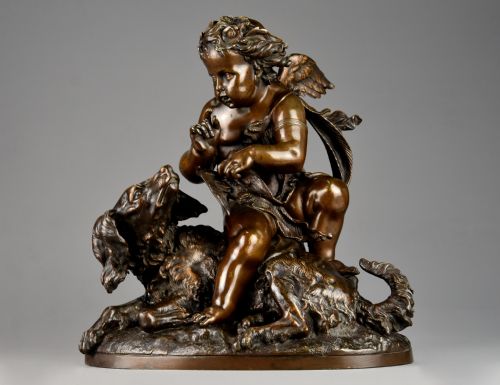


French Bronze Putto Figure
A french bronze putto figure brings playful movement and classical charm to a room through finely cast metalwork.
French Bronze Putto Figure
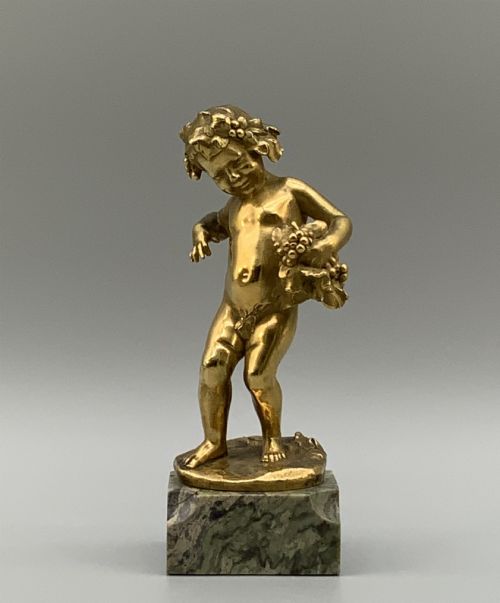
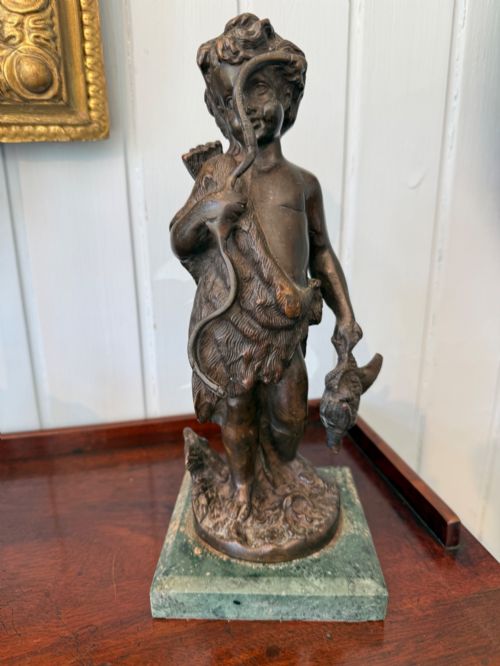
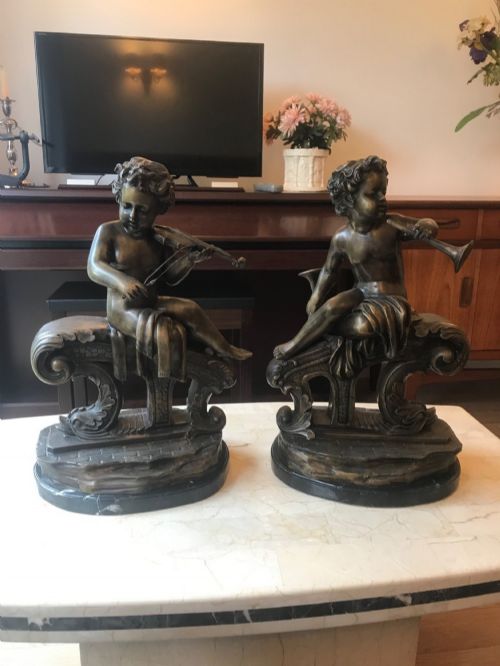
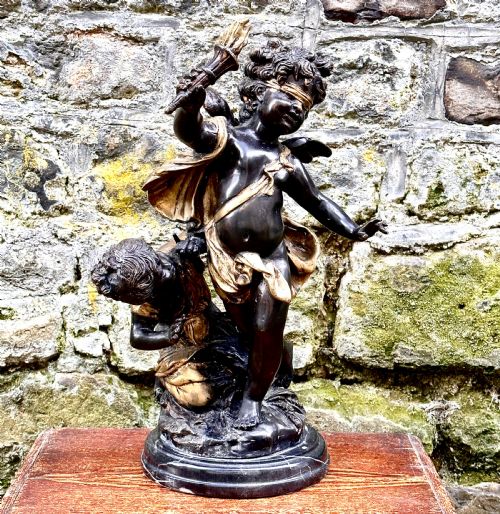
A french bronze putto figure depicts a winged infant, cherub or amorini in various playful or allegorical pursuits, often linked to music, harvest or classical mythology. These sculptures originate predominantly from the nineteenth century, reflecting periods such as the Second Empire and the late Victorian era.
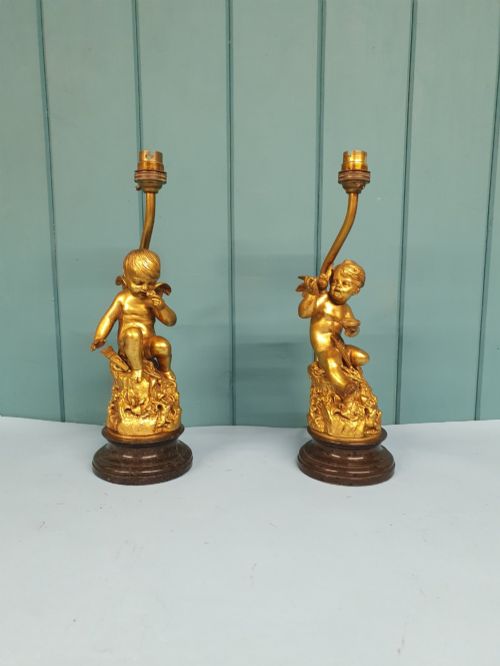
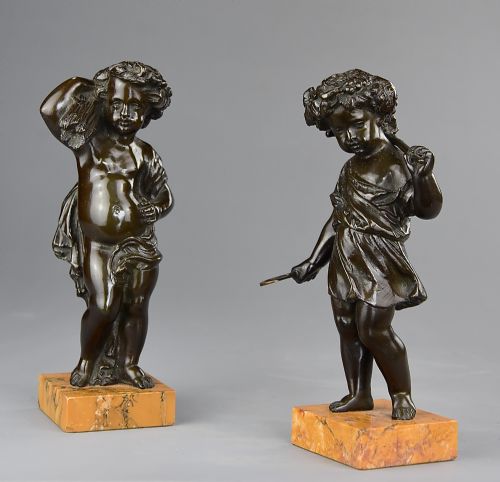
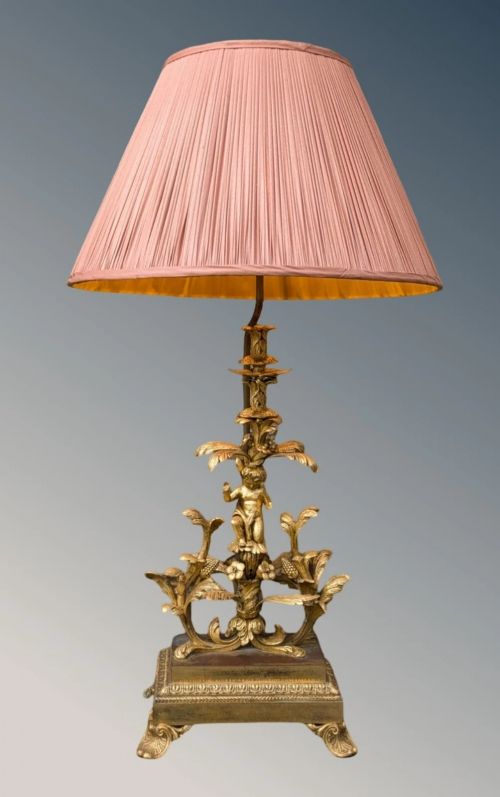
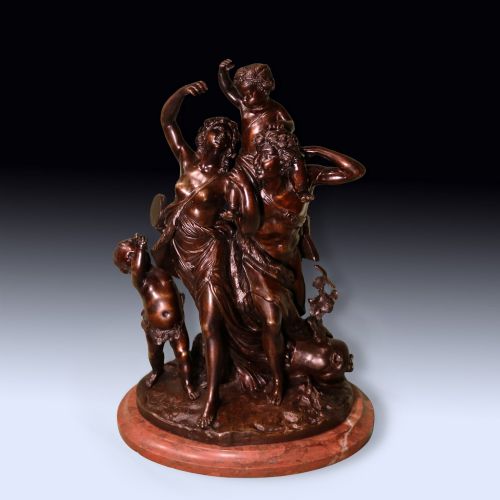
Buyers will encounter these figures cast as standalone statues, or integrated into functional objects such as table lamps, candelabra, mantel clocks and candlesticks. Many pair up as symmetrical figures or groups, sometimes resting on marble bases or incorporating ormolu mounts.
How they were made
Foundries utilised the lost-wax casting technique or sand casting to achieve intricate detail in the bronze, capturing soft flesh, feathered wings and drapery. Artisans then applied patination, gilding or ormolu finishes to create depth and contrast on the metal surface.
Many figures integrate secondary materials like white or coloured marble for bases, whilst others combine cast bronze with porcelain, enamel or wood in lamp and clock bodies.
Listings feature nineteenth-century French bronze putto figures combined with materials such as marble, porcelain, ormolu and carved wood.
What varies in quality
The crispness of the chase work dictates much of the visual success, as master bronze-smiths manually refined the raw casting with chisels and punches to define hair, facial expressions and feather tips. Softer, blurrer details indicate secondary or worn-out production moulds.
The weight and depth of the patination or the richness of the mercury gilding distinguish superior artistic output from standard commercial foundry work. Well-anchored mountings and the presence of genuine signature marks from recognised sculptors elevate the standing of a piece.
Charles Louis Malric·Susse Freres·Louis Auguste Moreau·Phillipe H Mourey·Charles Cumberworth
The French Bronze Putto Figure Glossary
- Putto
- A plump, naked infant depicted in classical art, often winged and associated with Cupid or cherubs.
- Ormolu
- Finely ground high-carat gold mercury-gilded onto a bronze object, creating a bright golden finish.
- Patination
- The surface coloration of bronze achieved through natural ageing or chemical treatments.
- Candelabra
- Branched decorative candle holders designed to hold multiple tapers.
- Neoclassical
- A style drawing inspiration from the classical art and culture of ancient Greece and Rome.
French Bronze Putto Figure: Frequently Asked Questions
What is the difference between a putto and a cherub?
Art historical terminology uses putto for a secular, classically derived infant figure, whereas cherub denotes a celestial being with religious associations.
In nineteenth-century foundry practice, the terms often merged interchangeably in retail descriptions.
How do I clean nineteenth-century bronze figures?
Dust gently with a dry, soft brush to prevent accumulation in the intricate recesses of the casting.
Avoid chemical polishes or water, which strip away historical patination and damage the metal surface.
Why are some figures mounted on marble bases?
Foundries added marble plinths to provide structural stability and architectural weight to smaller bronze sculptures.
This method also elevated the status of the piece for nineteenth-century mantelpiece display.
Can converted lamp figures be restored back to sculptures?
Restoration depends on whether the bronze casting was drilled or altered during the electrical conversion process.
Professional metalworkers can sometimes reverse internal wiring if the original structure remains intact.