
French Salon Seating
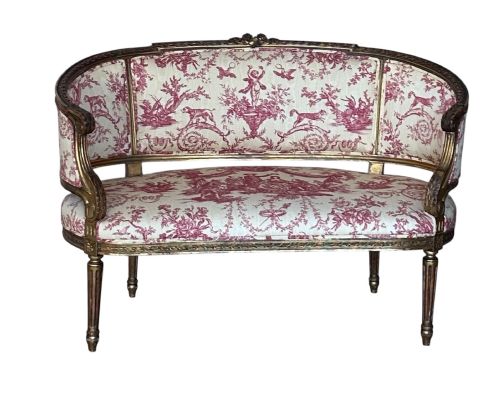
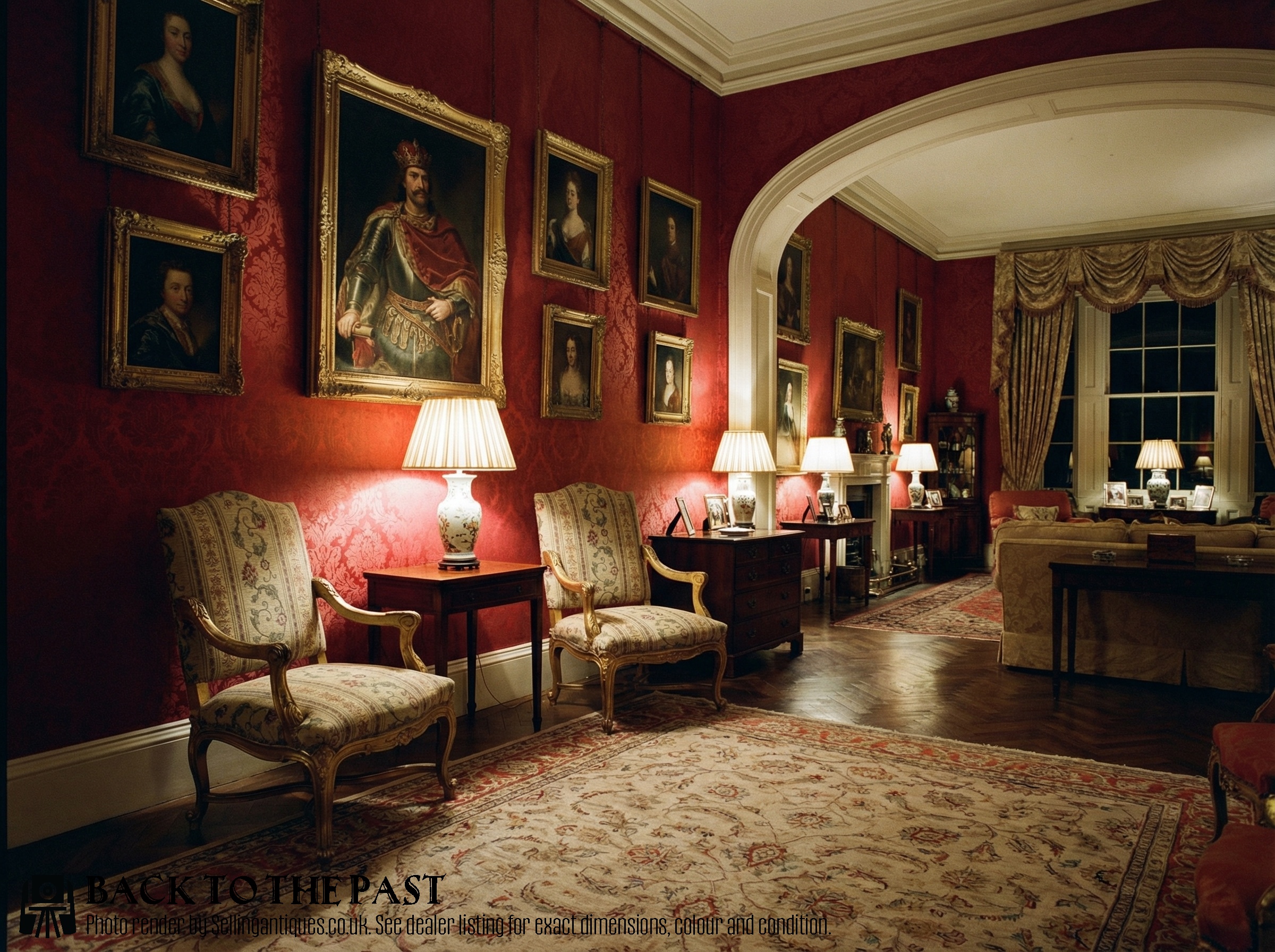
French salon seating brings together giltwood, carved walnut and silk upholstery to create formal reception spaces.

Materials and construction
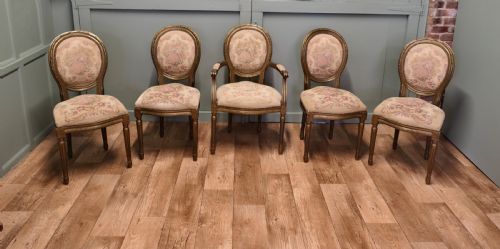
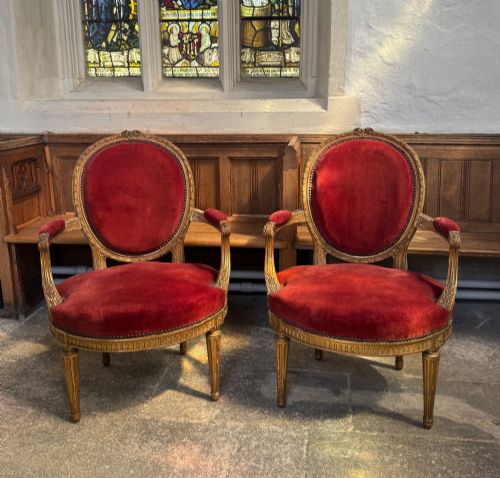
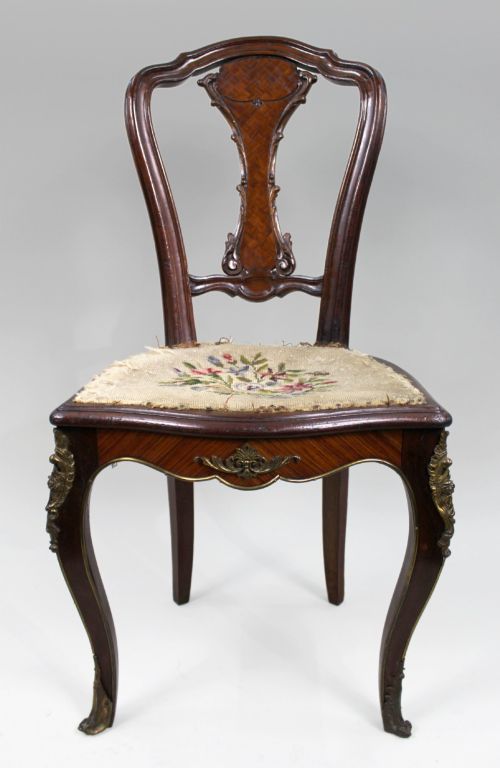
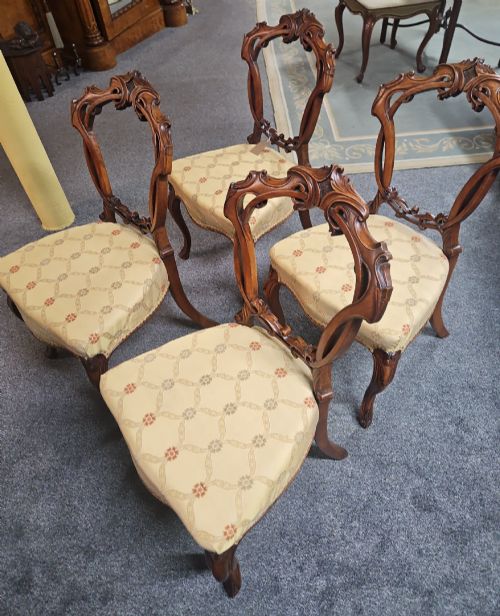
Carved frames utilise solid timbers such as beech, walnut, mahogany and oak, frequently finished with giltwood, paint or parcel-gilt details. Ormolu mounts and brass accents appear on specific revival and parquetry pieces.
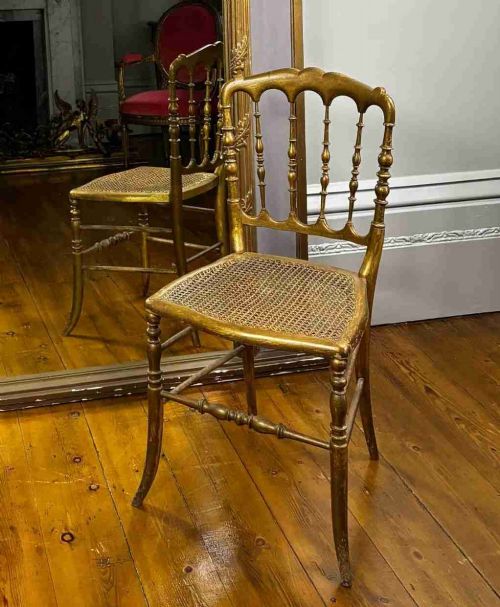
Upholstery relies on traditional textiles including silk, velvet, tapestry, needlepoint and caning. Frames are joined using period cabinetmaking techniques to support the carved woodwork.
Assessing quality
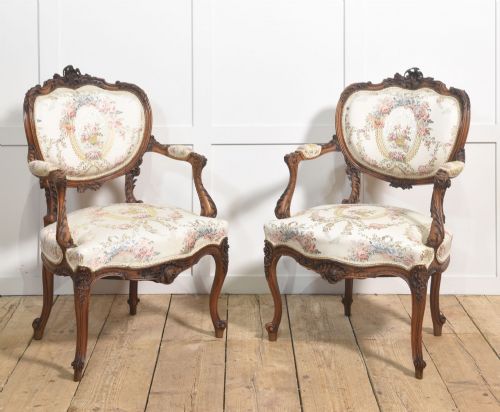
Quality rests on the crispness of the wood carving and the depth of the gilding or finish applied to the frame. Hand-carved details in walnut or giltwood demonstrate greater artisan skill than mass-produced alternatives.
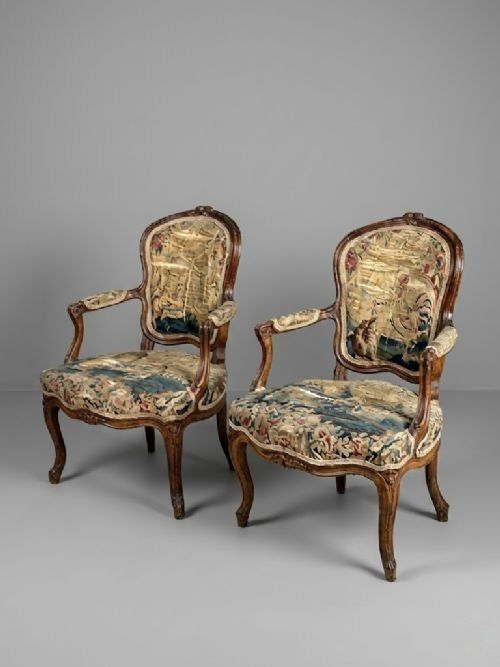
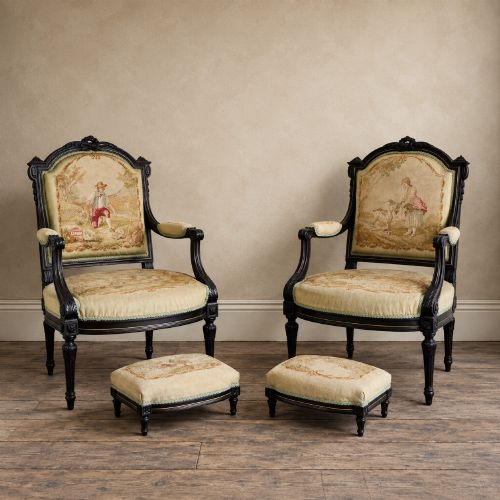
The choice of covering material and the fidelity of the stylistic revival influence the distinction between standard room furniture and high-status pieces. Original textiles and Aubusson or tapestry covers elevate a piece considerably.
French Salon Seating Retail Price Guide 2026
Typical asking prices for french salon seating among the pieces listed under this phrase on Sellingantiques today, from the lower quarter to the upper quarter. They describe what is for sale here now, not the wider market.
The French Salon Seating Glossary
- Fauteuil
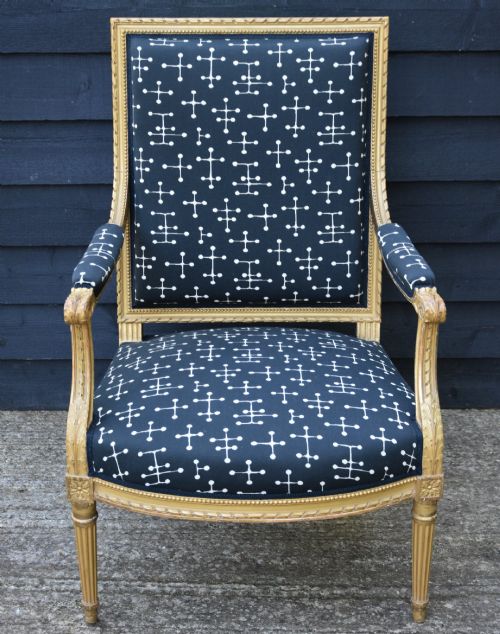
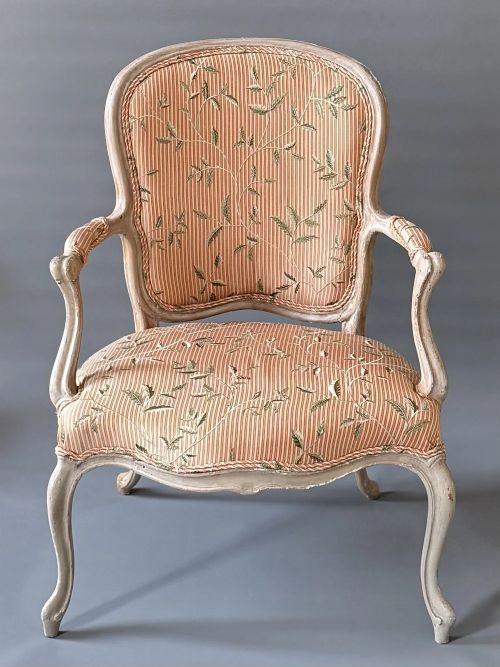
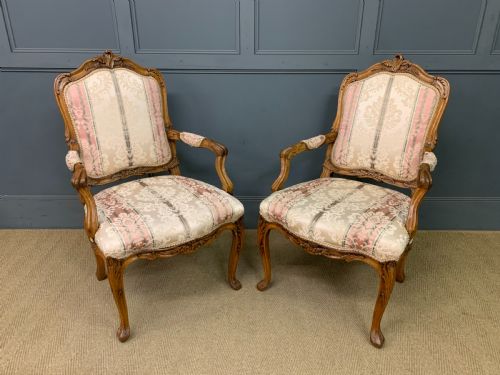
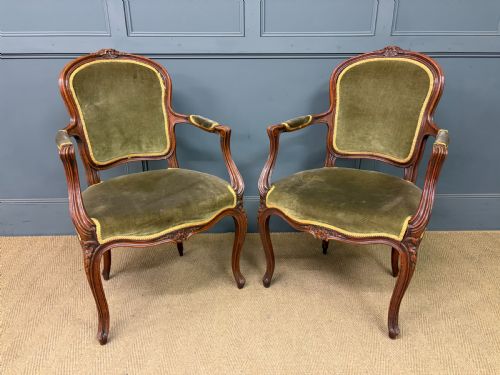
- An open-armed upholstered armchair with exposed wooden armrests originating in French domestic interiors. These chairs combine padded comfort with carved structural frames.
- Canapé
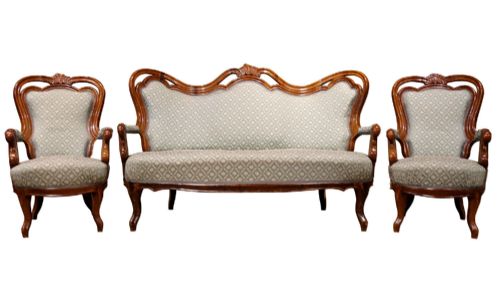
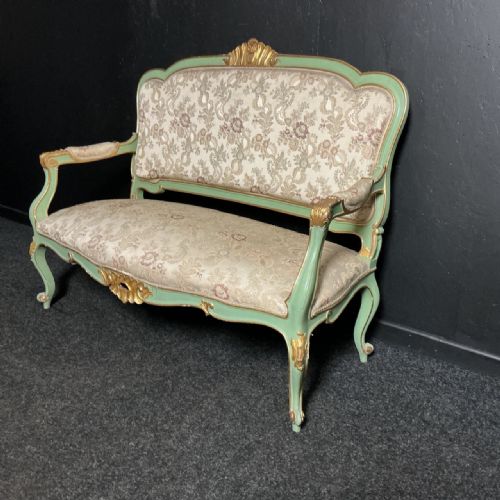
- A decorative sofa or settee designed for a formal sitting room. These seats typically match the design of concurrent armchair pairs.
- Ormolu
- Gilded bronze mounts applied to furniture woodwork as decorative ornamentation. This technique is common in neoclassical and empire revival pieces.
- Giltwood
- Timber treated with a thin layer of gold leaf applied over a prepared gesso surface. It provides the characteristic bright metallic finish seen on formal salon frames.
- Aubusson
- Hand-woven tapestry from the French town of the same name, frequently utilised for period upholstery. These textiles depict floral or pictorial scenes.
French Salon Seating: Frequently Asked Questions
What defines a French salon suite?
A salon suite typically consists of a matching set containing a small sofa or settee alongside two or more armchairs. These matched groups were designed to create a cohesive seating arrangement in formal reception rooms.
Individual pieces share identical timber framing, carving styles and upholstery fabrics to maintain a unified aesthetic across the room.
How do I identify Louis XV style chairs?
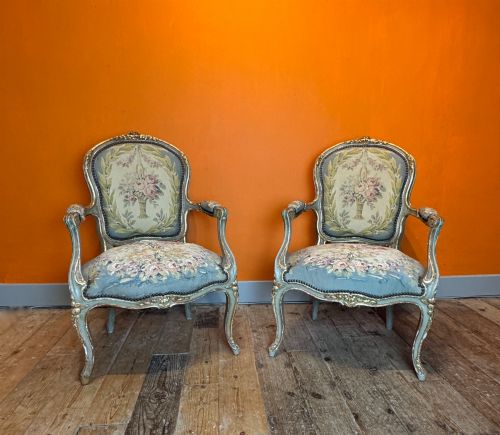
Louis XV style seating is characterised by sinuous cabriole legs, asymmetric curves and organic rococo floral carvings. The overall silhouette avoids straight lines in favour of flowing, rounded contours.
Armrests sweep backwards to accommodate voluminous period garments, and frames are frequently finished in giltwood or pale paint.
Where were salon chairs placed?
Salon chairs were arranged informally around reception rooms to facilitate conversation among guests in private homes. Unlike dining chairs, their primary purpose was social gathering and polite entertainment.
Pairs and suites allowed hosts to create distinct seating groups within large drawing rooms and boudoirs.
Are these chairs suitable for daily use?
Period salon chairs require careful handling due to their delicate carved wooden frames and historic construction methods. Many surviving examples feature restored joinery or new upholstery to support contemporary placement.
Placing them in low-traffic areas helps preserve fragile giltwood surfaces and antique textiles.