
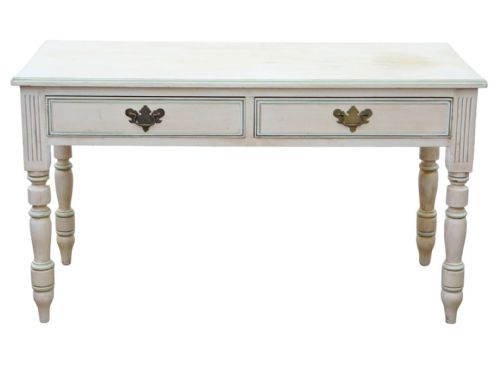


French Rustic Wooden Desk
A french rustic wooden desk brings tactile warmth and historical utility to a room through honest timber construction.
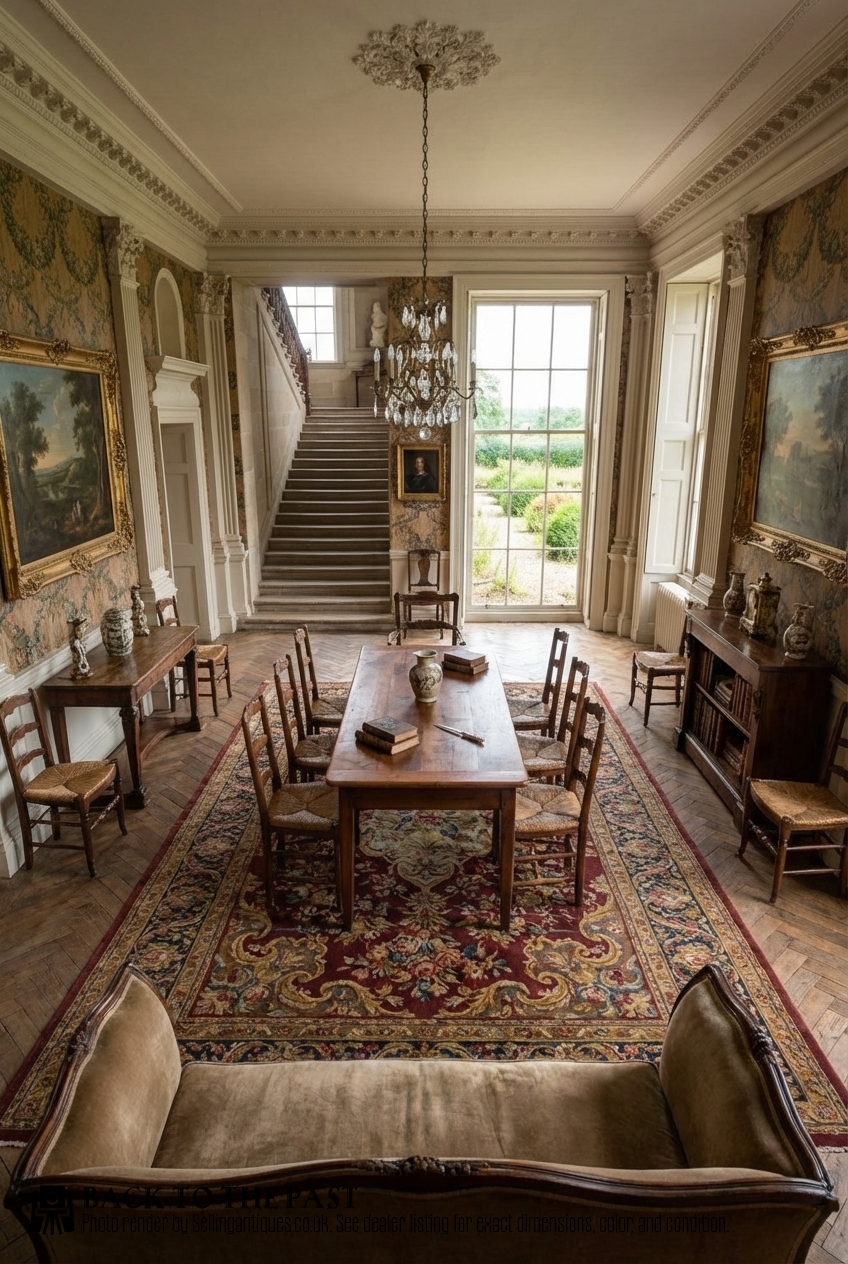
French Rustic Wooden Desk
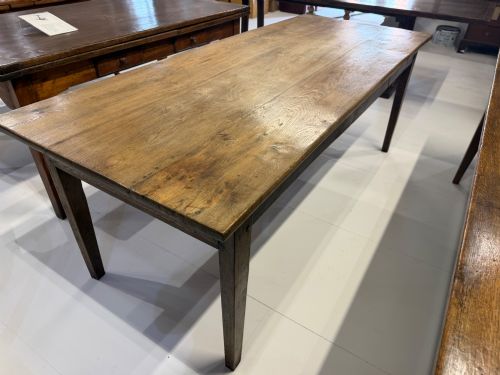
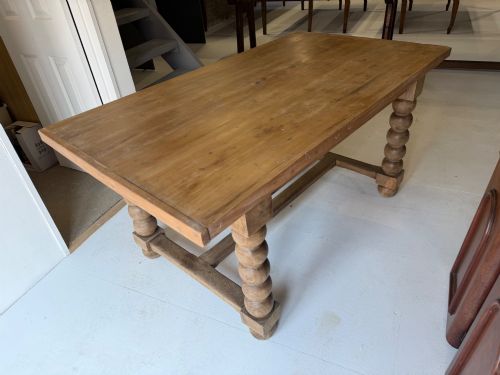
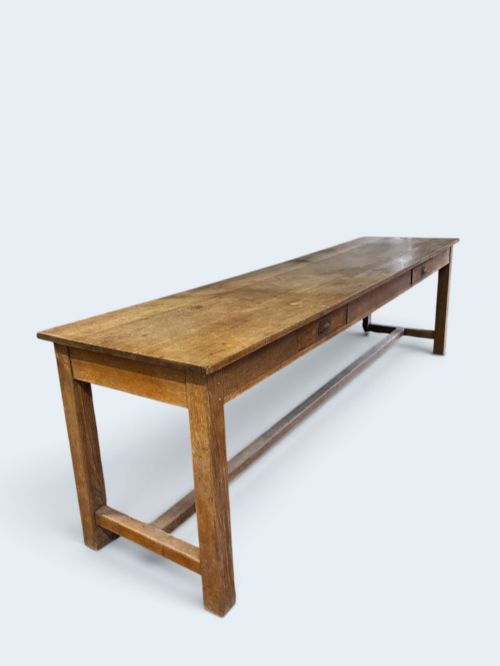
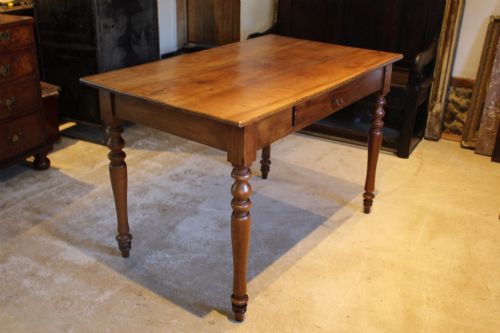
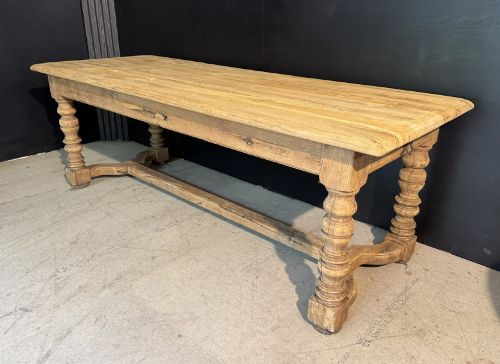
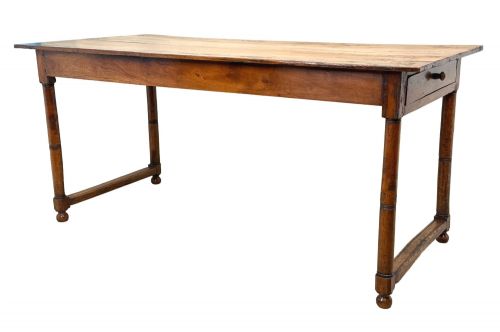
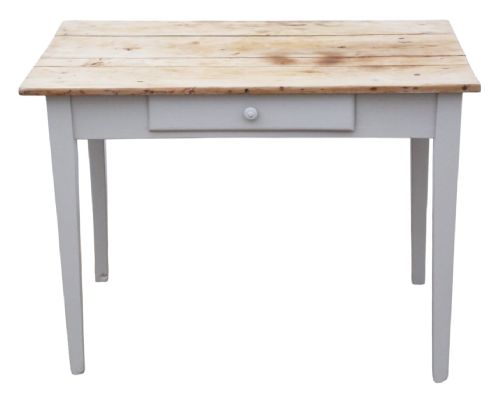
When searching for a french rustic wooden desk, buyers typically encounter sturdy provincial forms, including farmhouse tables and writing tables adapted for daily use. The pieces span the eighteenth, nineteenth, and early twentieth centuries, reflecting the straightforward needs of rural households and workshops.
The inventory leans heavily towards practical domestic tables and work surfaces rather than formal bureau furniture. These items showcase the robust architecture of French country life, featuring substantial tops and straightforward leg configurations.
Materials and construction
Makers utilised solid hardwoods and softwoods such as oak, pine, fruitwood, cherry wood, and sycamore. These timbers provided the structural integrity required for heavy everyday labour.
Construction techniques prioritise utility, visible in pegged joints, scrubbed surfaces, and occasional iron or metal hardware additions.
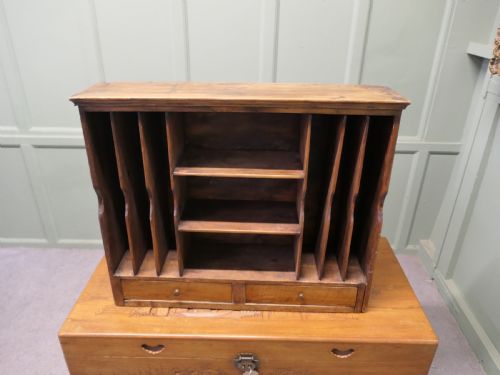
Cobblers benches and post office filing shelves occasionally join the tables, proving that nineteenth-century French workplace furniture had a remarkably high threshold for charm.
Assessing quality
Quality rests in the choice of timber and the depth of natural patination accumulated over generations of use. Surfaces that show genuine wear and careful scrubbing carry more character than uniform modern reproductions.
Proportion and scale also distinguish finer provincial examples, where smaller dimensions or balanced stretcher designs reveal thoughtful regional craftsmanship.
The French Rustic Wooden Desk Glossary
- Scrub-top
- A wooden tabletop cleaned repeatedly with water and a stiff brush, producing a pale, textured surface. This finish is typical of utilitarian kitchen and work tables.
- Fruitwood
- Timber milled from fruit-bearing trees such as cherry or pear. It offers a dense grain and warm tone seen in many provincial pieces.
- Trestle table
- A table design where the top is supported by two or more upright frames connected by a horizontal beam. This form provides sturdy legroom.
- Patination
- The surface alteration and sheen developed on timber through age, handling, and wax application. Good patination indicates long service and natural ageing.
French Rustic Wooden Desk: Frequently Asked Questions
What periods do these desks and tables come from?
The pieces span the eighteenth century through to the early twentieth century. Most examples originate from the nineteenth century.
Craftsmen built these items using traditional methods suited to provincial French domestic and working environments.
Which woods were commonly used?
Makers relied on local timber reserves, including oak, pine, cherry wood, fruitwood, sycamore, and elm. Poplar also appears in structural framework components.
Each timber brings distinct grain patterns and weight characteristics to the finished surface.
How do I care for a scrubbed timber surface?
Maintain the dry, clean appearance of scrubbed wood by avoiding harsh chemical cleaners. Gentle dusting and occasional natural wax help preserve the untreated texture.
Keep the timber away from direct heat sources to prevent splitting in the solid boards.
Are these pieces strictly for writing?
Many items function as writing tables, writing desks, or kitchen tables depending on the presence of drawers and the height of the top. Their versatile proportions suit various workspace roles in a modern interior.
Drawers often provide compact storage for everyday documents and small implements.