

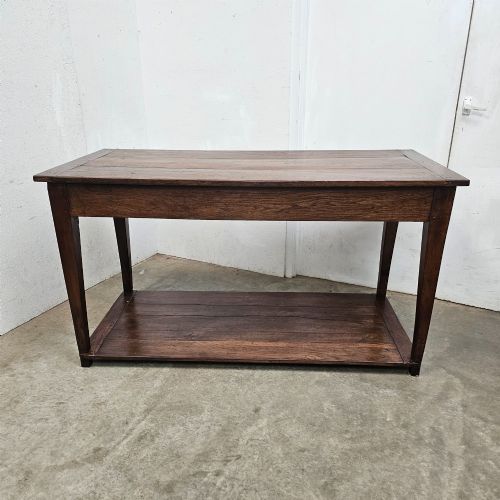
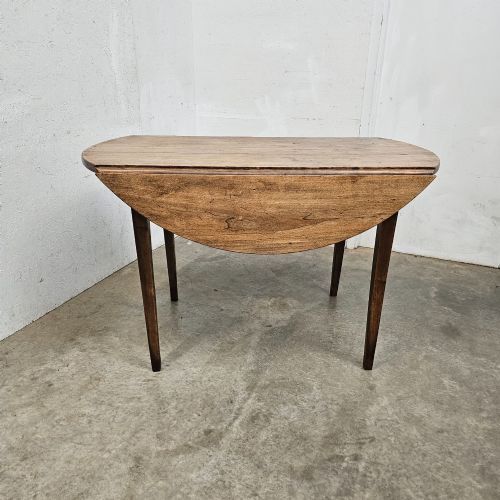
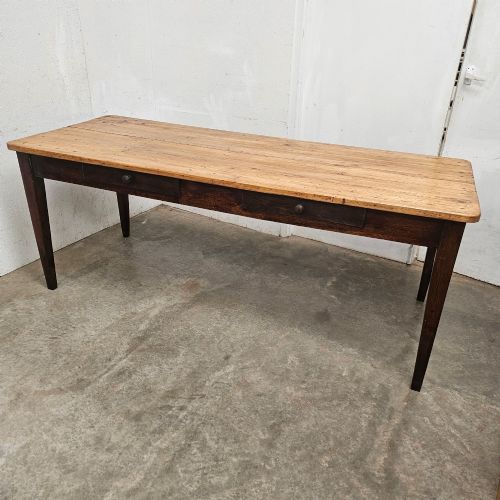
Rustic Provincial Kitchen Table
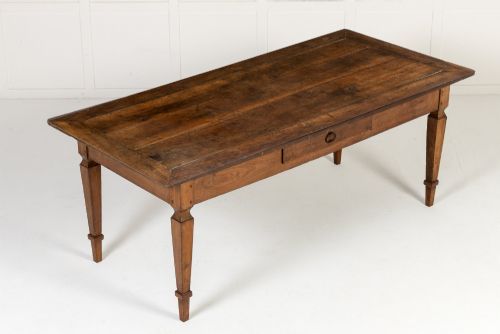
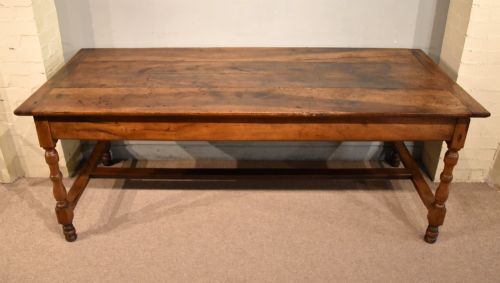
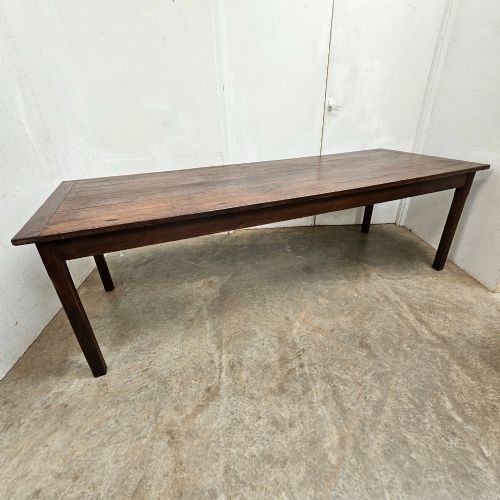
A rustic provincial kitchen table brings warmth to a room, offering sturdy utility shaped by regional French cabinet-making traditions across past centuries.
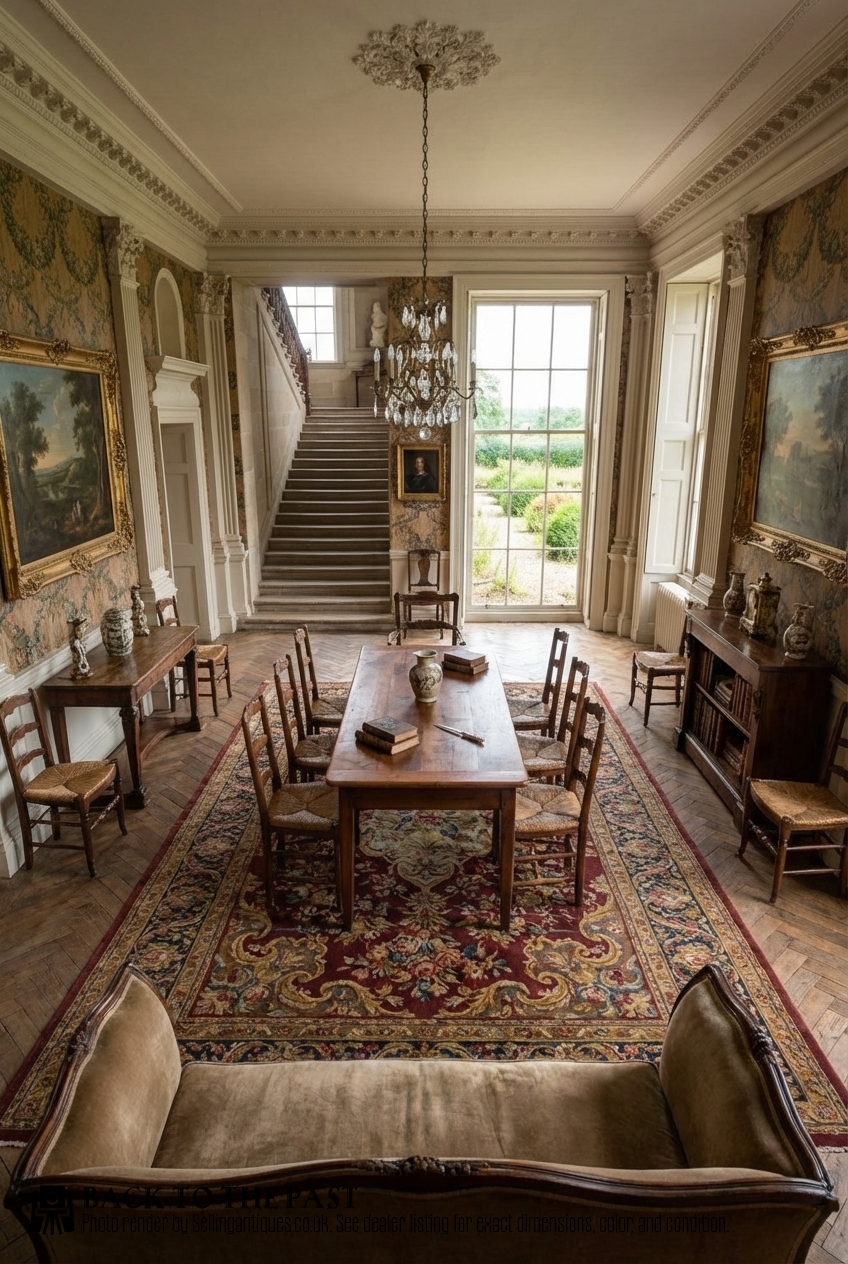
Rustic Provincial Kitchen Table
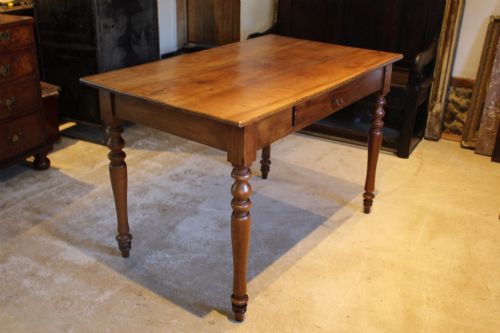
A rustic provincial kitchen table represents the heart of domestic life, designed originally for daily preparation and communal dining in rural European homes. When searching this phrase, buyers encounter substantial oak, cherrywood, walnut, and pine examples spanning the eighteenth and nineteenth centuries.
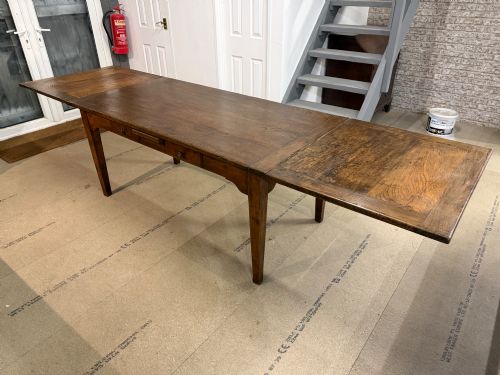
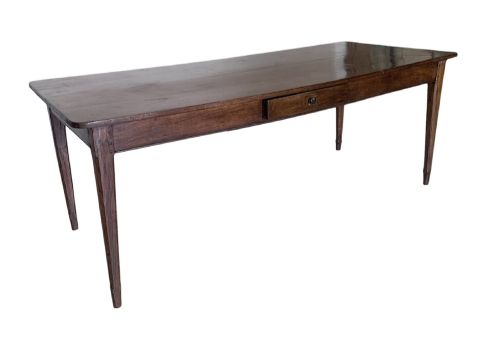
The assortment on this page leans heavily towards French Provincial, French Country, and rustic farmhouse styles. These pieces often feature practical additions such as drawers, bread slides, or extendable leaves suited to working domestic spaces.
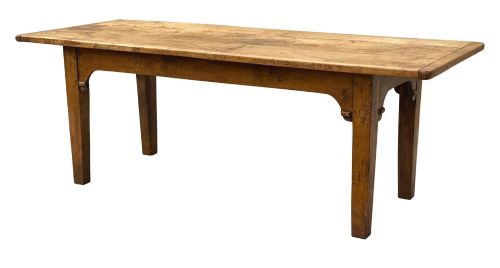
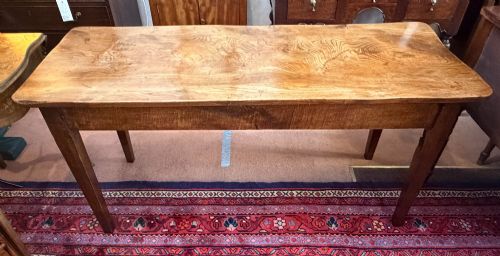
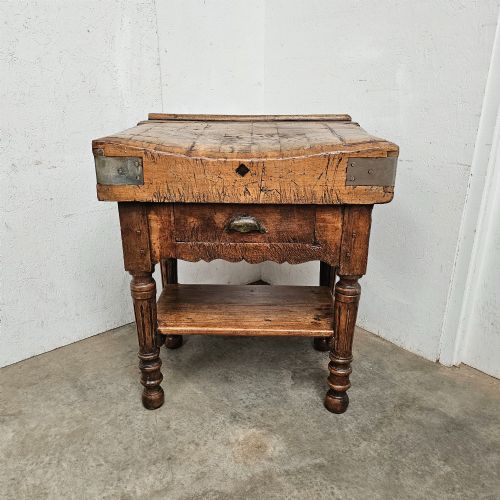
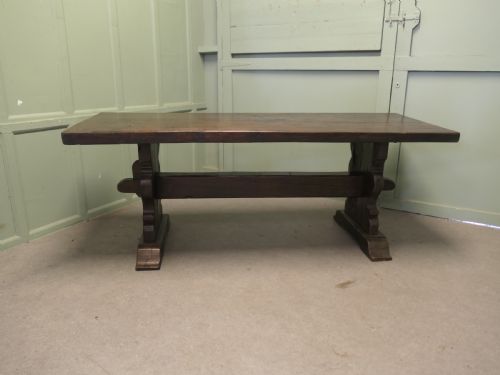
Forms vary from long refectory tables and round dining formats to console tables and butchers blocks. Buyers most frequently meet nineteenth-century timber iterations shaped by provincial makers for practical use.
What varies in quality
Quality rests in the selection and maturity of the timber, distinguishing dense hardwood tops from utility softwood alternatives. Grain pattern richness and the integrity of historic joins elevate certain examples above standard utilitarian pieces.
Proportion and functional cleverness differentiate the work, such as integrated drawers with hand-cut dovetails or smoothly operating bread slides. The harmony between the base construction and the original patinated top dictates the standing of each piece.
Listings feature timbers including oak, pine, fruitwood, cherrywood, walnut, timber, iron, and wood across eighteenth and nineteenth-century periods.
The Rustic Provincial Kitchen Table Glossary
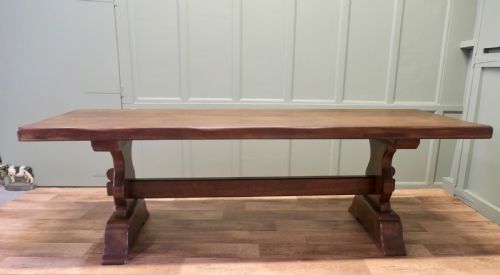
- Refectory table
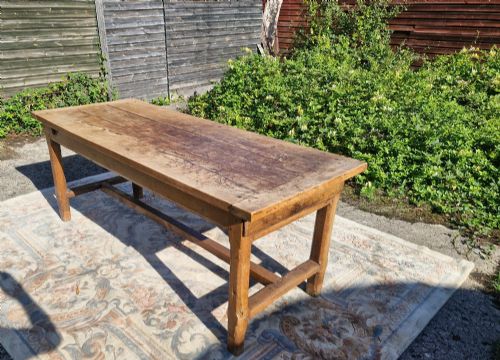
- A long dining table historically used in communal eating spaces. These examples provide substantial length and sturdy stretcher bases.
- Bread slide
- A pull-out shelf positioned beneath the table top. It provided extra surface area for cooling loaves or preparing food.
- Draw leaf
- An extension mechanism featuring pull-out leaves stored beneath the main top. This design allows the surface area to expand quickly.
- Butchers block
- A thick-topped wooden work table designed for heavy food preparation. Elm, beech, and sycamore frequently form these robust chopping surfaces.
Rustic Provincial Kitchen Table: Frequently Asked Questions
How do I clean a vintage wooden top?
Wipe surfaces gently with a slightly damp cloth and dry immediately to protect the historic timber. Avoid harsh chemical cleaners that strip natural patination.
Apply a neutral beeswax periodically to nourish older oak, cherry, or pine grain. This maintains a soft protective sheen without altering the character.
Can I use an antique table daily?
These pieces were built for heavy domestic work and handle everyday dining comfortably. Their sturdy frames accommodate modern family life with ease.
Use coasters and placemats to protect aged timber surfaces from moisture rings and heat marks. Proper care ensures the wood survives for future generations.
How do I identify fruitwood timber?
Fruitwood covers dense woods like cherry, pear, or apple used by regional cabinet-makers. It displays a warm reddish-brown tone and fine grain.
Over centuries, exposure to light deepens this colour into a rich patina. It feels smooth and heavy compared to common pines.