




French Rococo Gilt Vitrine
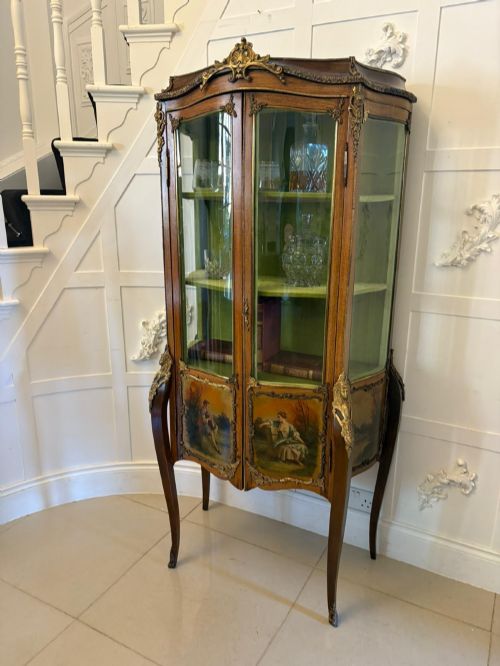
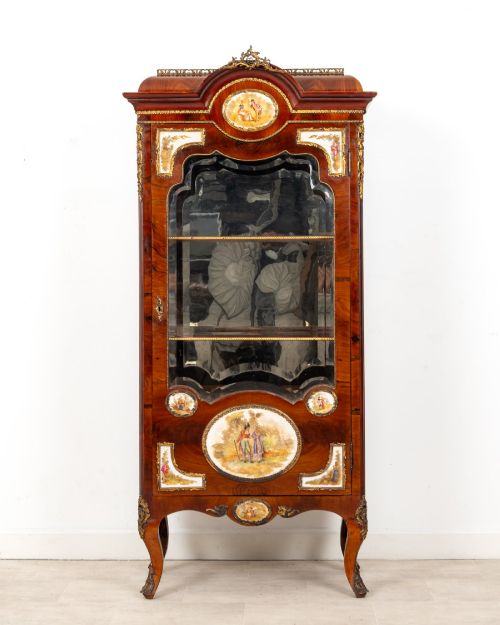
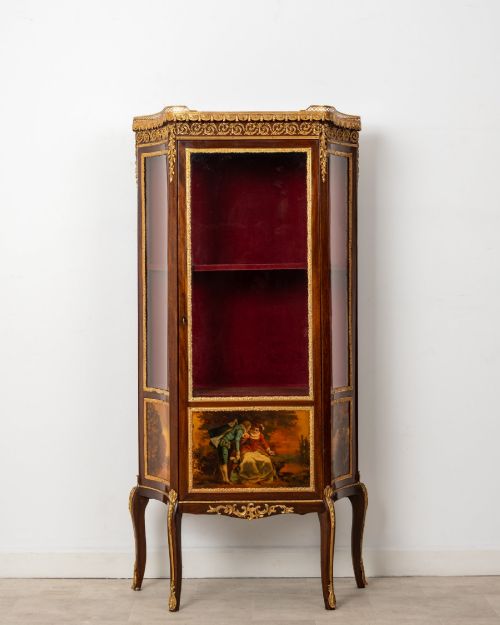
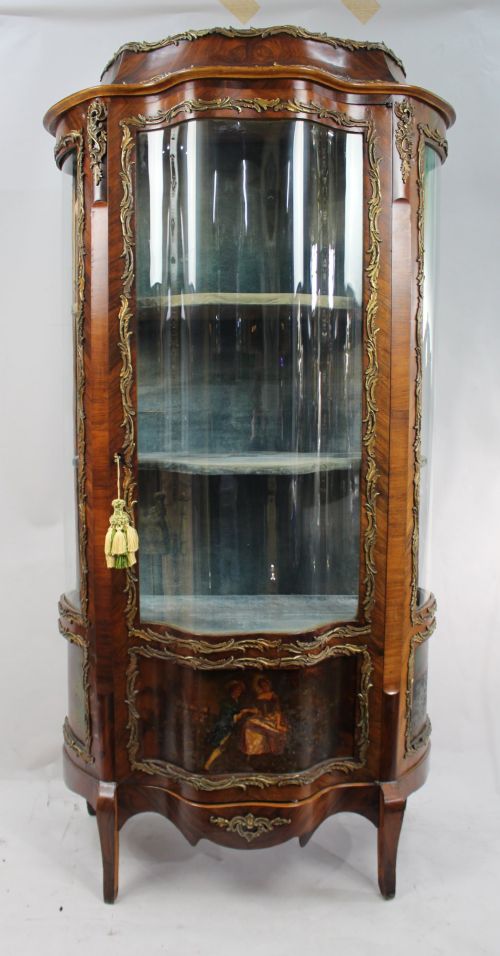
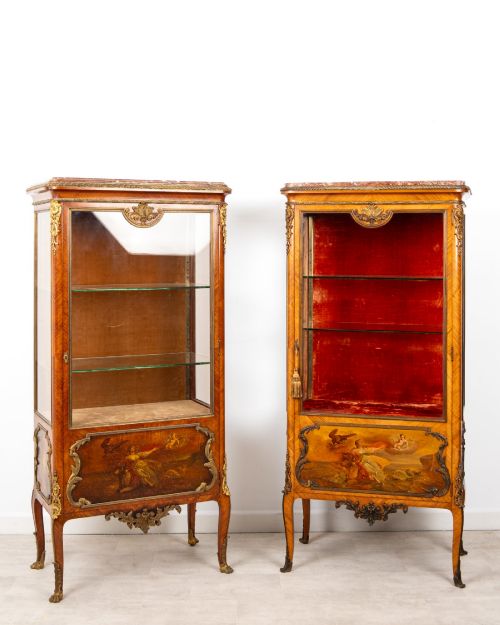
A French rococo gilt vitrine brings opulent display space into a room, combining curved glass panels and gilded mounts to showcase porcelain and small treasures.
French Rococo Gilt Vitrine
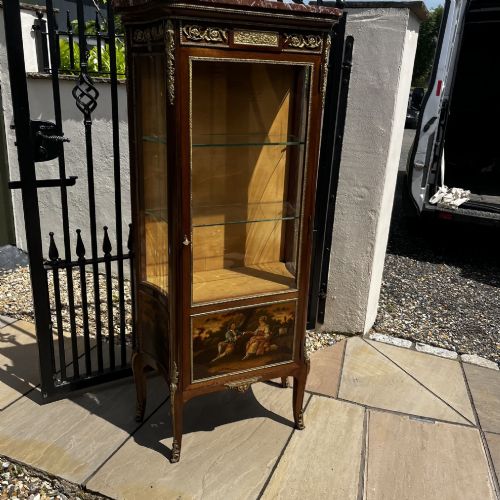
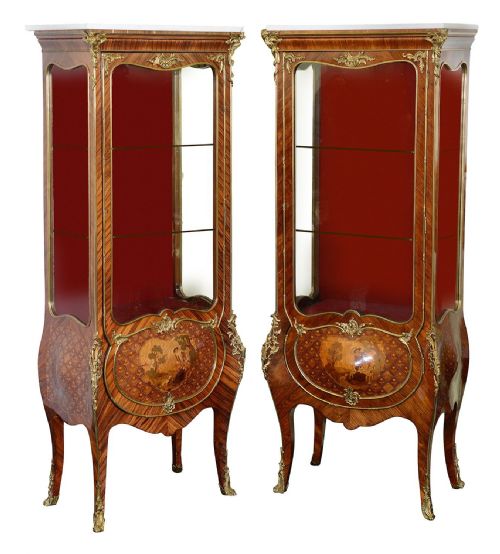
When you search for a french rococo gilt vitrine, you are looking at glazed display cabinets and tables designed to showcase fine objects. The pieces appearing here span the nineteenth century through the early twentieth century, taking the form of freestanding vitrines, serpentine cabinets, and bijouterie tables.
The dominant aesthetic draws heavily on Louis XV and Rococo revivals, alongside French chateau and Louis XVI styles. You will frequently encounter serpentine fronts, bombé profiles, and glazed sides that allow light to flood the interior shelves.
Origins cluster around nineteenth-century France and continental workshops, with Victorian and Edwardian catalogued entries reflecting British and European importing tastes. Vernis Martin painted panels and porcelain plaques frequently appear as key decorative components within these forms.
How They Were Made
Cabinetmakers built carcasses from timbers such as kingwood, mahogany, walnut, and giltwood, often applying intricate parquetry and marquetry inlay. Ormolu and gilt-bronze mounts were cast and chased then fixed to accentuate the structural curves and corners.
Glazing techniques utilised curved and flat glass panels fitted into wooden frames to protect collections from dust while maximising visibility. Painted panels employing Vernis Martin lacquer techniques added elaborate pastoral scenes to the lower doors and sides.
Listings feature nineteenth-century and Edwardian periods, utilising materials including kingwood, mahogany, marble, and ormolu.
What Varies in Quality
The distinction between standard production and top-tier pieces rests on the crispness of the gilt-bronze chasing and the weight of the ormolu mounts. Finer examples display hand-carved giltwood details and deeply saturated kingwood or mahogany veneers rather than simpler painted finishes.
Cabinetwork precision dictates value, particularly in the alignment of serpentine doors, the snugness of curved glass panels, and the complexity of the internal fabric lining. Attribution to recognised makers like Francois Linke elevates the standing of a piece significantly.
Francois Linke·Gouffel
The French Rococo Gilt Vitrine Glossary
- Vitrine
- A glass-fronted cabinet designed for displaying porcelain, curiosities, and small antiques. These pieces often feature glazed sides and mirrored backs to enhance illumination.
- Ormolu
- Gilded bronze mounts applied to furniture for decorative effect and edge protection. The technique involves treating metal with a mercury and gold amalgam.
- Vernis Martin
- A simulated Japanese lacquer developed by the Martin brothers in eighteenth-century France. Cabinetmakers utilised this lustrous painted finish on panels featuring romantic or pastoral scenes.
- Bijouterie Table
- A glass-topped display table designed for holding jewellery, miniatures, and small valuables. These tables usually stand on slender cabriole legs with ormolu mounts.
- Parquetry
- Geometric wood inlay forming patterned surfaces on cabinet doors and tops. Craftsmen arranged contrasting timber veneers to create optical depth.
French Rococo Gilt Vitrine: Frequently Asked Questions
What were french rococo gilt vitrines used for?
These cabinets served as sophisticated storage for displaying porcelain, precious trinkets, and curated collections in drawing rooms.
Their glazed panels and mirrored interiors allowed owners to exhibit valuable items while protecting them from dust and handling.
How do I clean the glass and ormolu?
Use a soft, dry microfiber cloth to gently dust the wooden surfaces and ormolu mounts without applying harsh chemical polishes.
Clean the glass panels with a mild glass cleaner sprayed onto the cloth rather than directly onto the cabinet to protect the surrounding timber.
Where should I place a vitrine at home?
Position the cabinet away from direct sunlight to prevent fading on the delicate fabric linings and painted Vernis Martin panels.
Ensure the floor is level so the heavy glass doors and serpentine framework maintain proper alignment over time.
How do I distinguish revival periods from older work?
Examine the construction joints, timber ageing, and the hand-chasing quality of the ormolu mounts to determine the production era.
Nineteenth-century revival pieces often display precise mechanical improvements alongside traditional hand-finishing techniques characteristic of French workshops.