
French Rococo Gilt Bronze
When you look for french rococo gilt bronze, you find ornate metalwork and furniture embodying exuberant, asymmetrical curves from nineteenth century revivals.
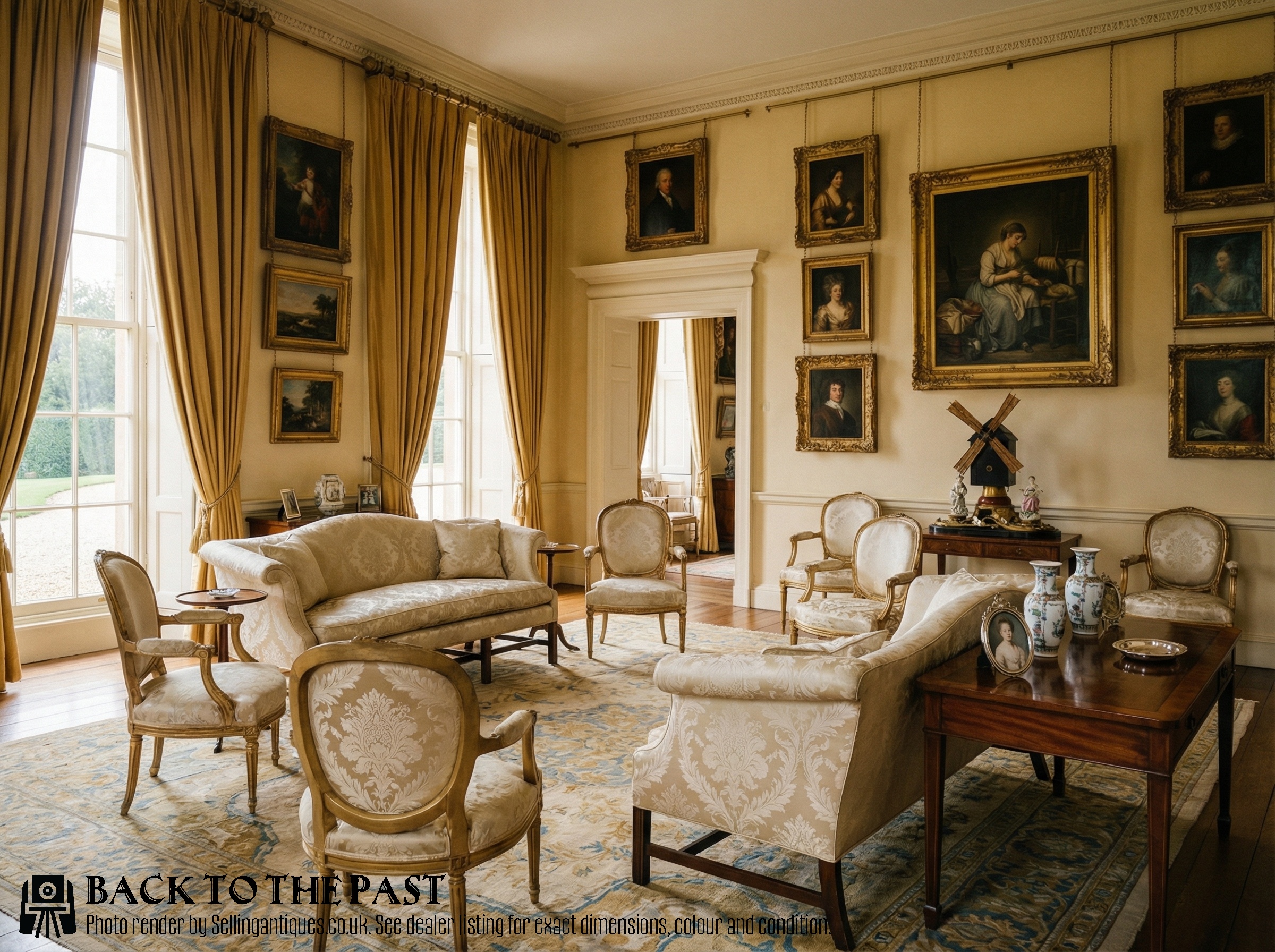
French Rococo Gilt Bronze
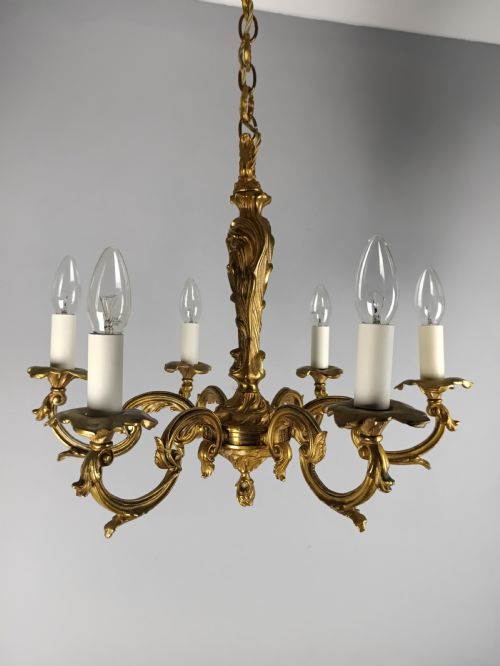
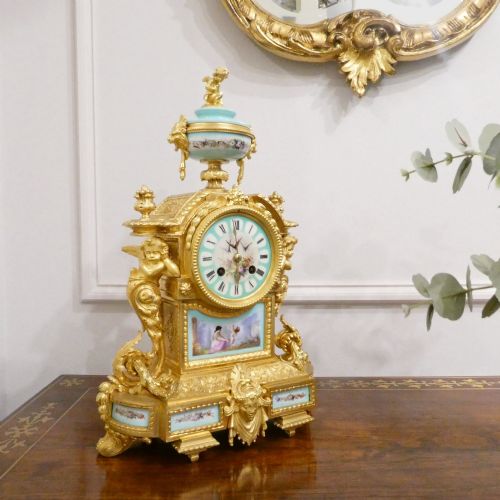
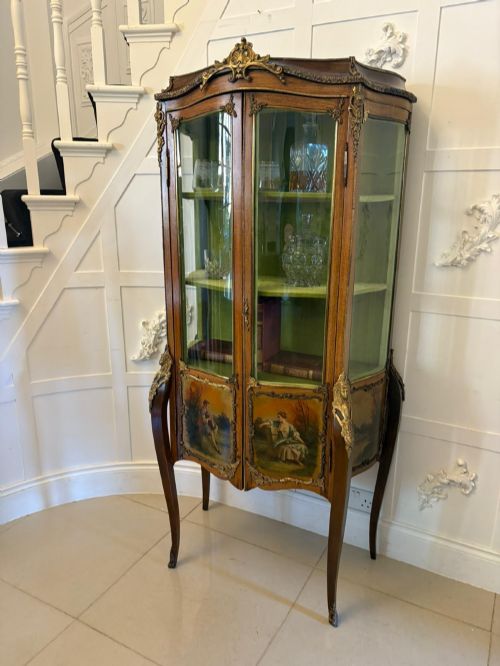
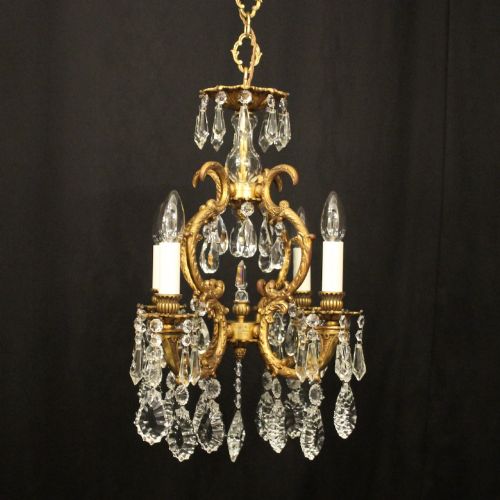
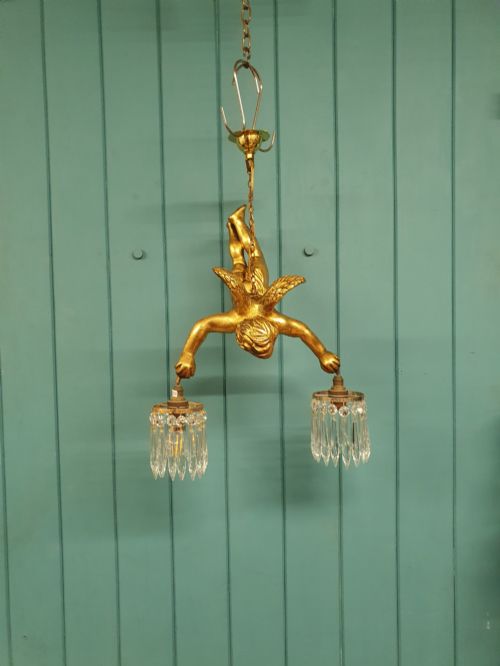
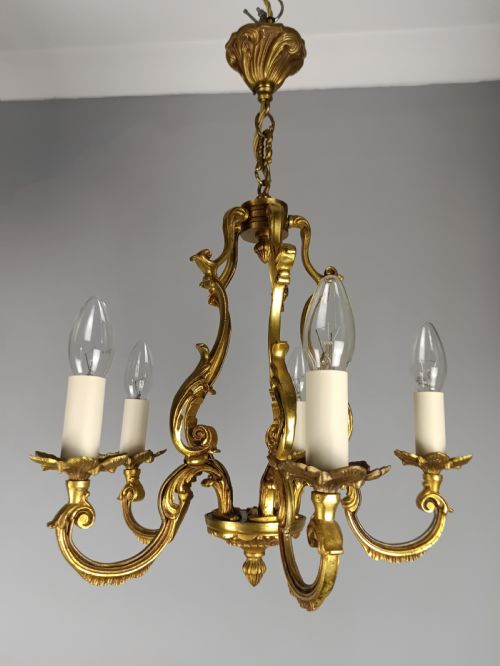
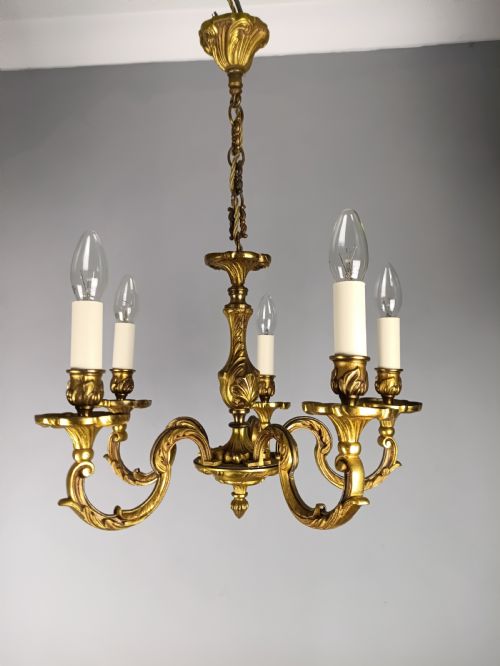
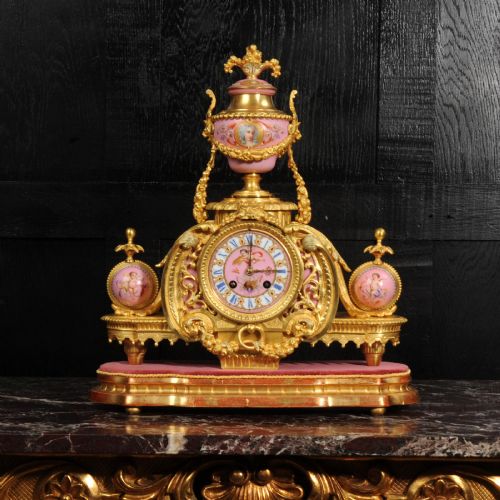
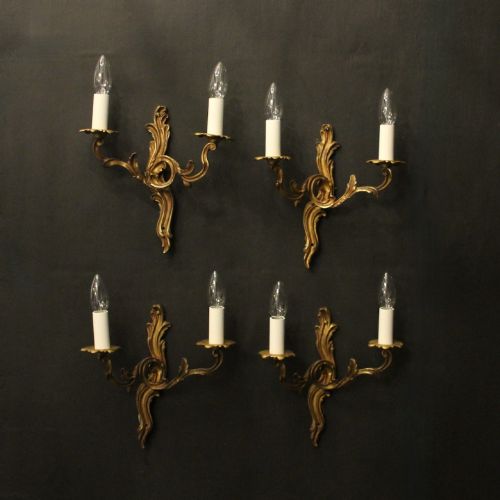
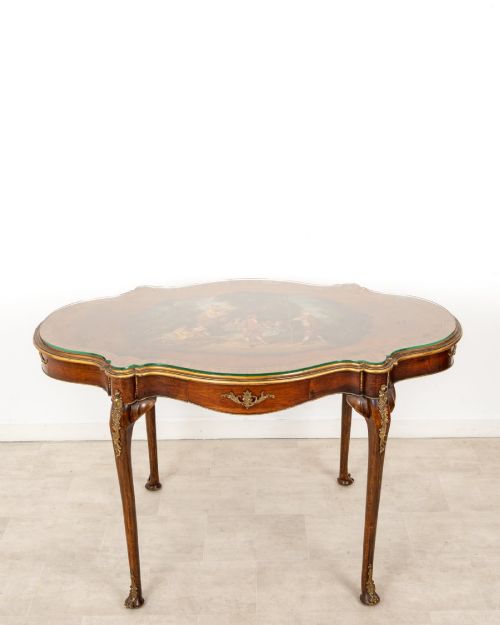
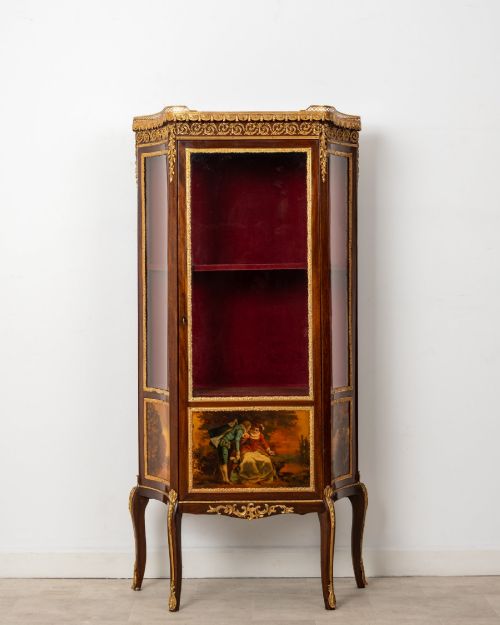
These items encompass lighting, timepieces, display cabinets, and desks created in nineteenth-century revivals of earlier French court styles. Wall lights, chandeliers, and mantel clocks appear frequently alongside occasional tables and mirrors.
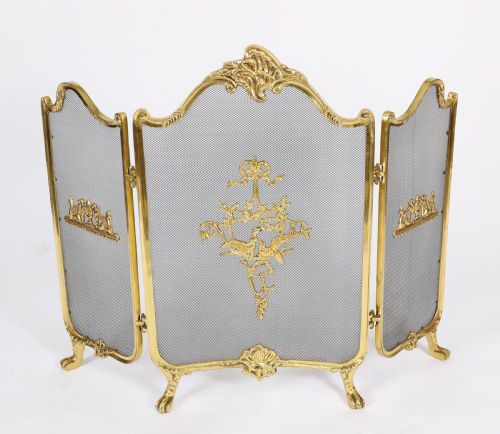
Makers drew on Louis XV designs, shaping bronze and brass into C-scrolls, floral motifs, and organic forms. The selections span domestic furnishings from the nineteenth century into the early twentieth century.
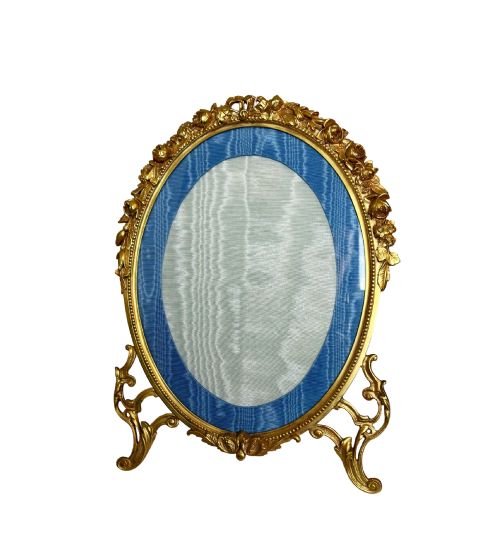
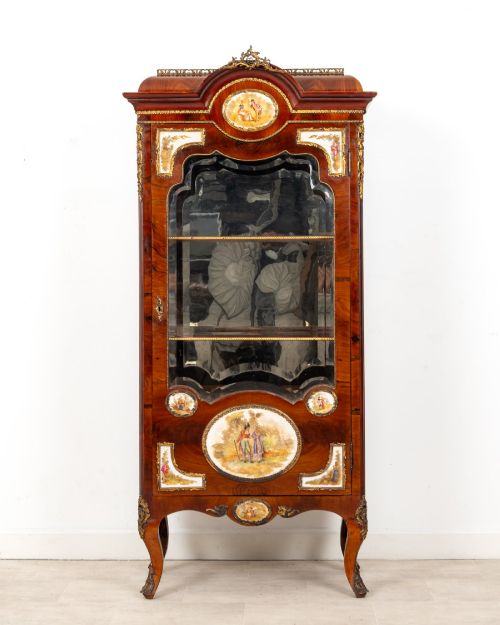
Objects range from small picture frames and appliques to substantial bureau plats and commodes mounted with porcelain plaques. Walnut, kingwood, and mahogany often serve as foundational timbers beneath the metal mounts.
How they were made
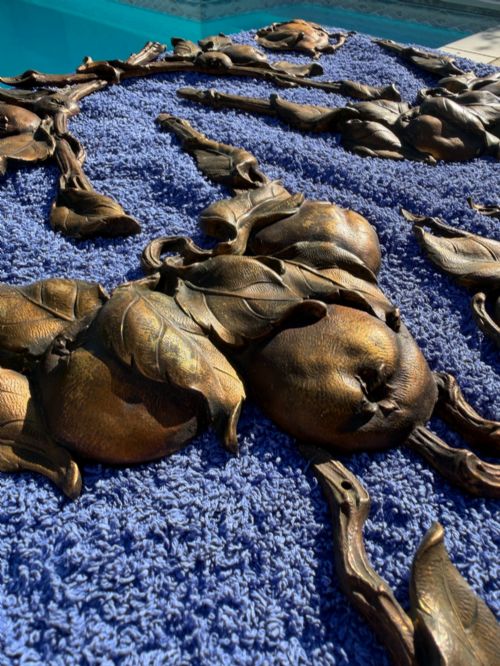
Foundry workers cast bronze or brass components using traditional methods before applying a fine layer of gold amalgam known as ormolu. Artisans then chased the cooled metal surfaces by hand to sharpen details like foliage and scrollwork.
Cabinetmakers combined exotic timbers such as kingwood and mahogany with marquetry veneers and lacquer work like Vernis Martin. Marble tops and porcelain plaques from factories like Sevres were integrated into the frames of desks, commodes, and clock cases.
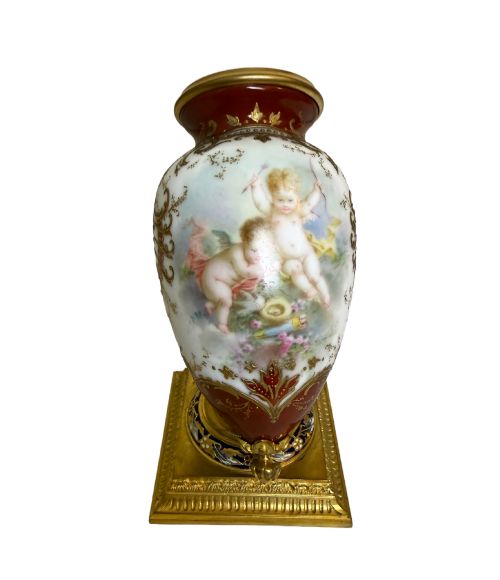
Listings feature eighteenth-century porcelain plates mounted with nineteenth-century ormolu frames alongside complete clock garnitures.
What varies in quality
The precision of the metal chasing dictates the crispness of leaves, scrolls, and figural elements. Superior pieces retain deep, clean tool marks rather than soft, blurred contours resulting from worn moulds.
The weight and thickness of the bronze alloy distinguish robust castings from lighter productions. Heavier mounts sit flush and secure against wood or marble without requiring excessive filler materials.
Cabinetwork quality rests on the complexity of the timber matching and the integration of mounts. Fine examples feature fluid veneer patterns that follow serpentine contours precisely beneath the bronze ornaments.
François Linke·Achille Brocot·Samuel Marti·Jacques Bircklé·Japy Freres·Henry Marc·Raingo Freres·Joseph-Emmanuel Zwiener
The French Rococo Gilt Bronze Glossary
- Ormolu
- A gold-bronze alloy applied to metal objects through a mercury amalgamation technique or subsequent electrogilding. It provides a bright, durable golden finish that resists tarnishing.
- Vernis Martin
- A simulated Japanese lacquer developed in France during the eighteenth century and replicated in later revivals. It uses successive layers of varnish to create translucent coloured panels.
- Champleve
- An enamelling technique where troughs are dug into a metal surface and filled with vitreous paste before firing. The resulting patterns sit flush with the surrounding metal borders.
- Bureau plat
- A freestanding double-sided writing desk featuring a leather-lined top and drawers within the frieze. These tables typically display elaborate corner mounts and sabots.
- Cartel clock
- A wall-mounted timepiece housed within an ornate frame of scrolled bronze or brass. The movement sits directly behind the dial, enclosed by the wall-hanging case.
French Rococo Gilt Bronze: Frequently Asked Questions
How do I clean gilt bronze?
Dust the metal gently with a soft dry brush to remove surface particles without scratching the gold layer. Avoid harsh chemical cleaners or abrasive polishes that strip the underlying ormolu.
Moisture can damage embedded elements like enamel or wooden carcases if allowed to pool in crevices. Maintain stable indoor humidity to protect both the metal finishes and the supporting timbers.
Were these clocks made to keep time?
Clock movements from this tradition were engineered for daily timekeeping using pendulum regulation and spring-driven or weight-driven mechanisms. Many incorporate striking trains that signal hours and half-hours on small bells or gongs.
Periodic servicing by a qualified horologist ensures the brass gears and escapements continue to function smoothly. Original silk-suspension systems require particular care during relocation.
How do I identify a revival piece?
Nineteenth-century revivals often utilise machine-sawn timber framing, modern screw threads, and standardised movement components stamped by nineteenth-century French makers. Stylistic cues mimic Louis XV court furniture while reflecting Victorian or Edwardian manufacturing techniques.
Examining the underside and interior surfaces reveals assembly methods distinct from eighteenth-century originals. Tool marks left by nineteenth-century chasers differ from earlier hand-finishing practices.
Can wall lights be rewired for modern homes?
Electrical wiring can be threaded through the hollow channels of sconces and chandeliers to meet current safety standards. Professional electricians adapt internal lamp holders while preserving the external bronze and brass arms.
Rewiring prevents strain on vintage structural joints and ensures proper insulation for modern voltage requirements. Existing mounting brackets often require reinforcement to support heavier multi-arm fixtures securely.