

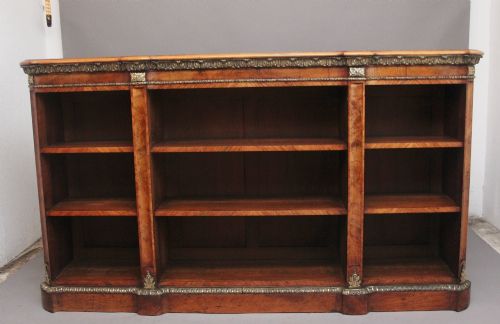
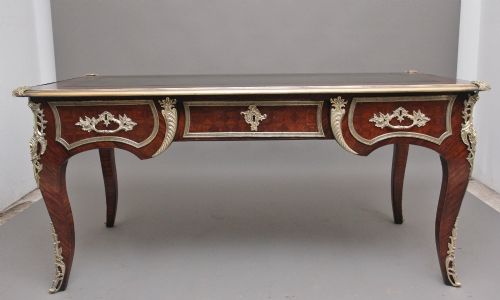
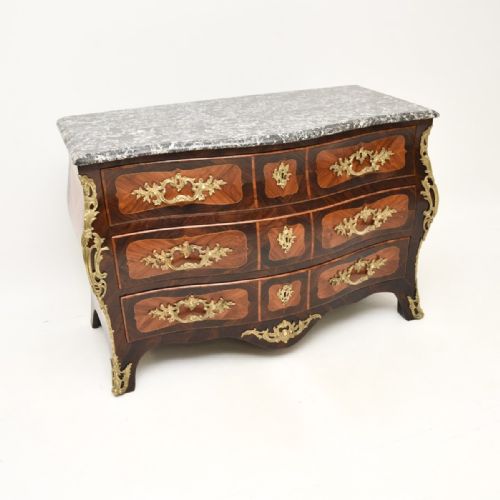
Gilt Bronze Ormolu Mount
These gilt bronze ormolu mount elements are the cast and chased metal ornaments applied to nineteenth-century furniture, clocks, and porcelain.
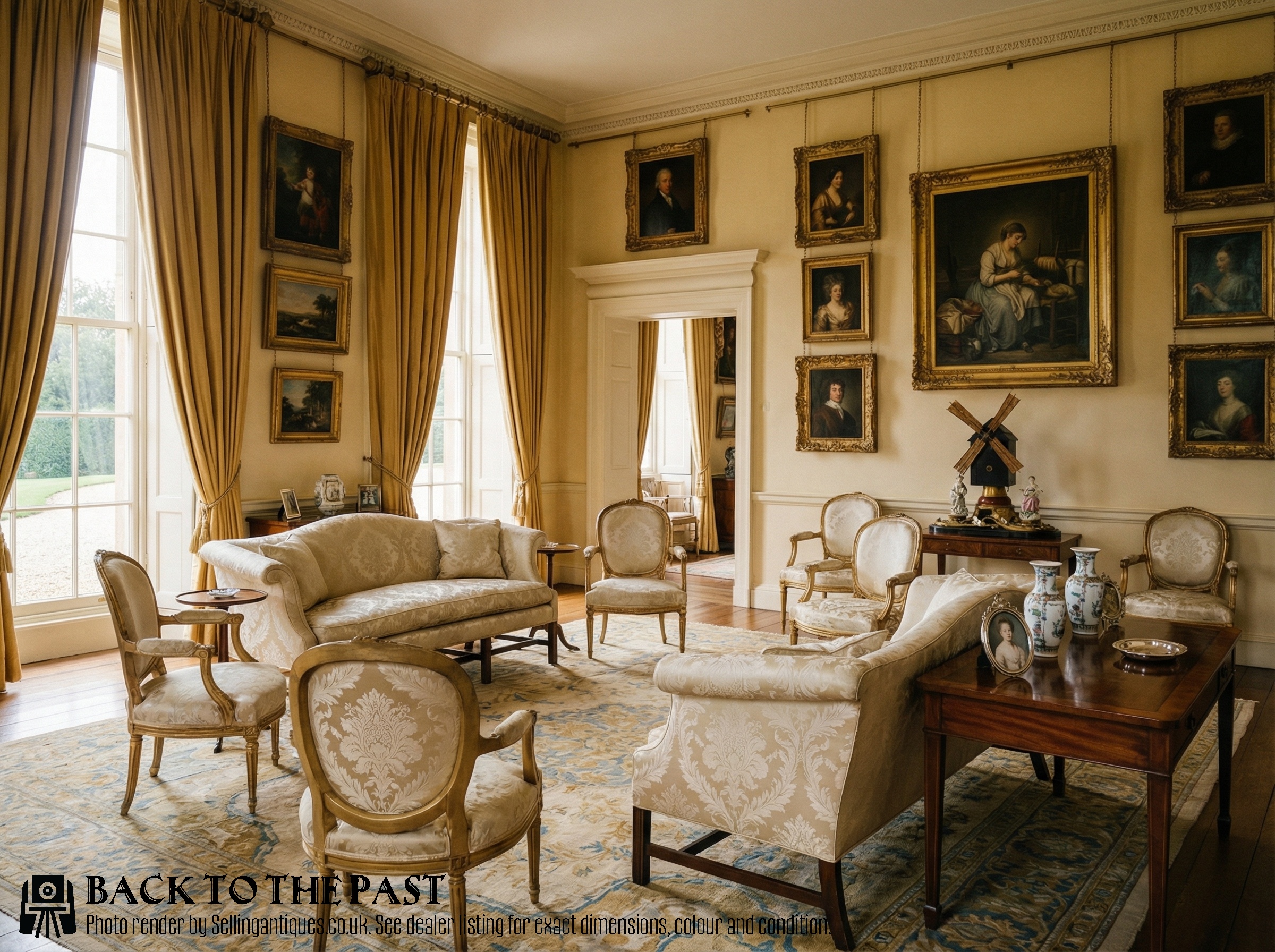
Gilt Bronze Ormolu Mount
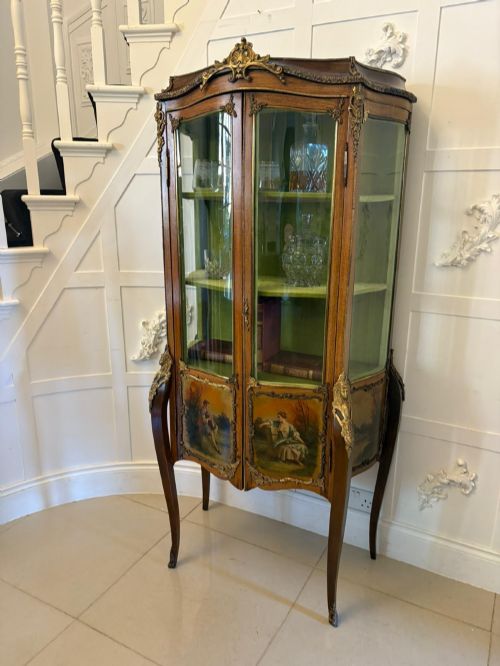
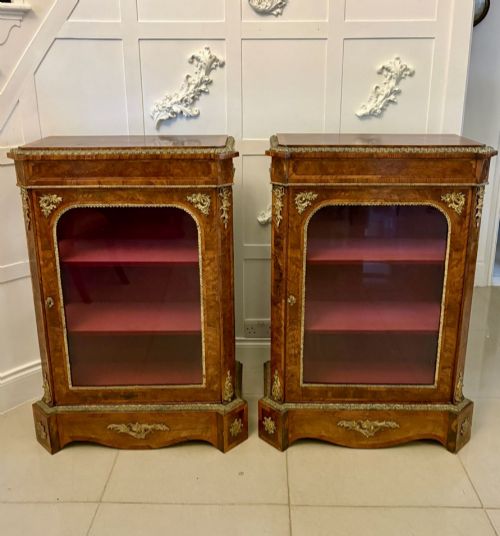
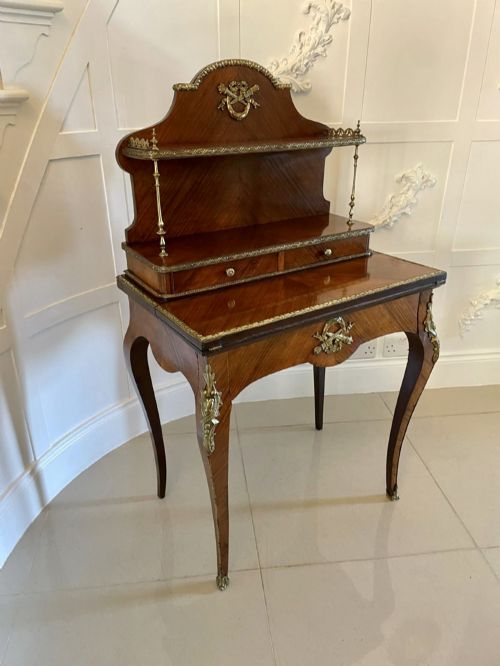
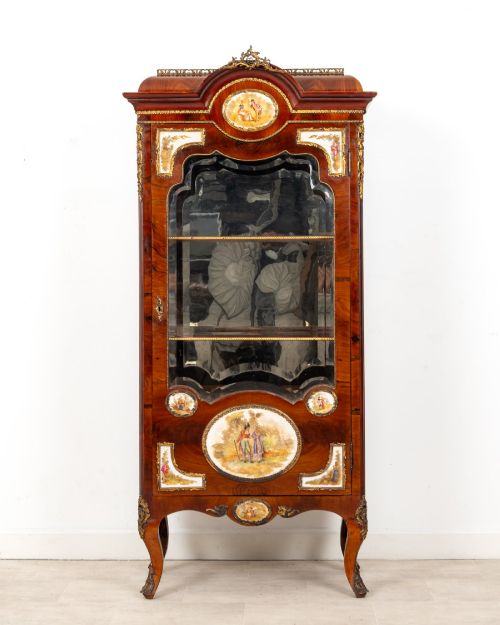
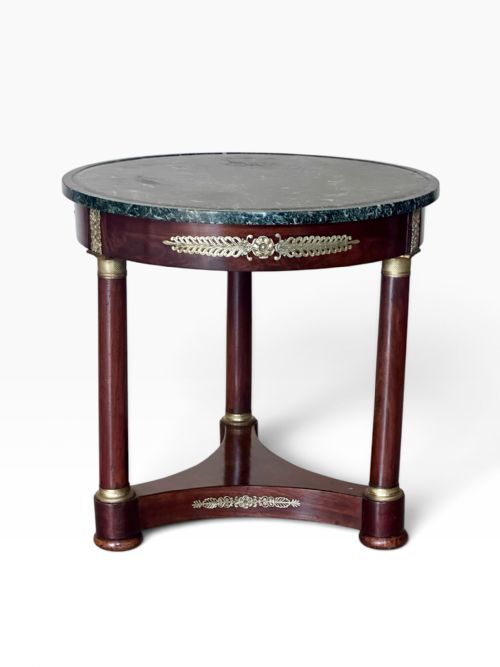
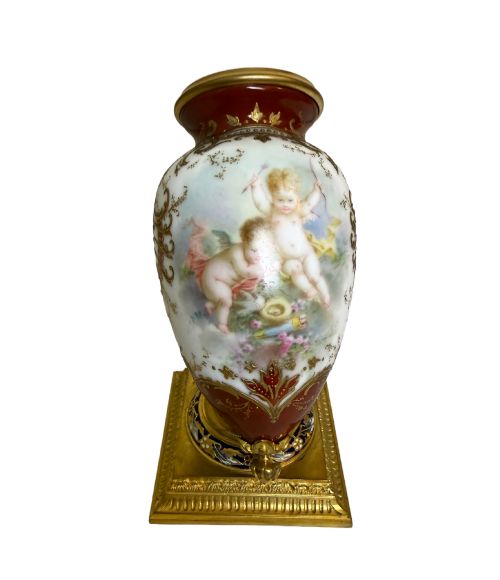
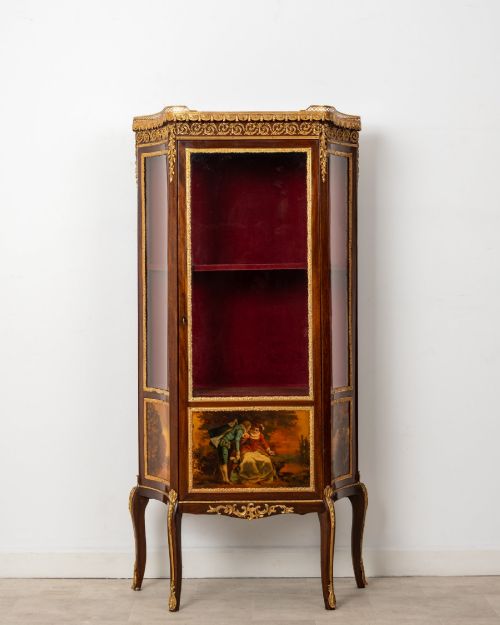
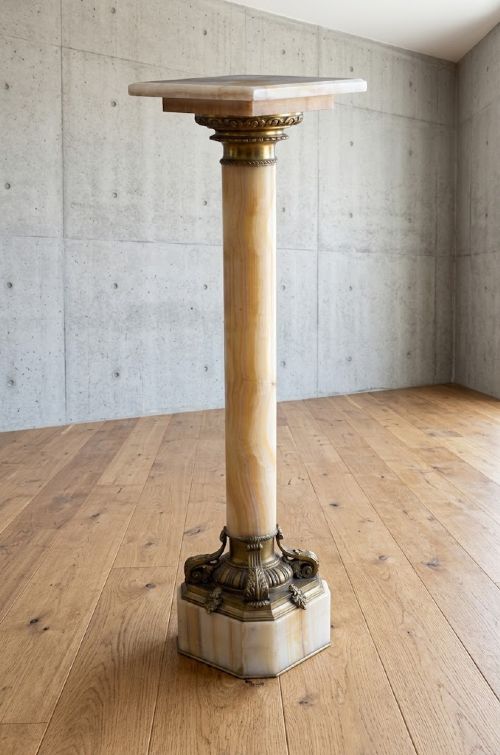
A gilt bronze ormolu mount sits upon fine furniture, marble columns, and porcelain vessels, most frequently originating from nineteenth-century French workshops. These pieces include standalone decorative ornaments, furniture mounts, and structural hardware designed to enrich the silhouette of a cabinet or desk.
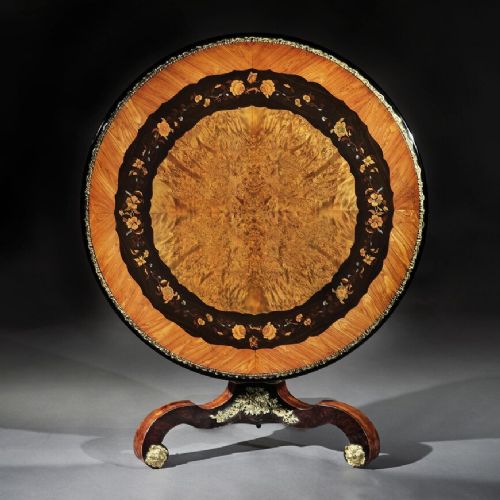
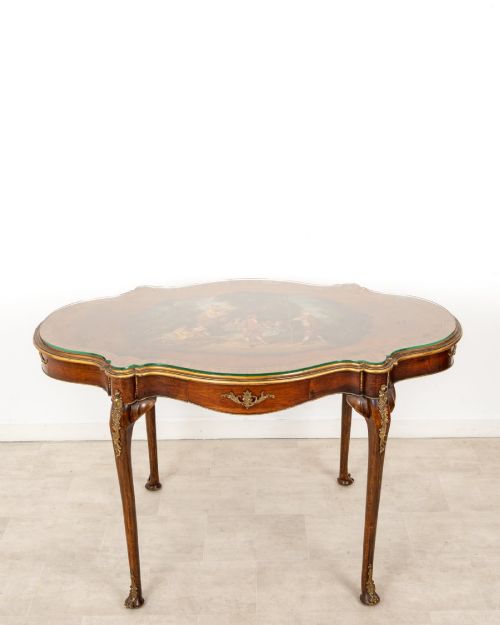
The objects appearing here span the Louis XV and Louis XVI revivals, alongside French Empire and Victorian interpretations. Buyers encounter items ranging from small furniture appliques to elaborate clock garnitures and large centre tables adorned with cast metal borders.
Makers and retailers such as François Linke, Maison Millet, and Edward Holmes Baldock utilised these heavy bronze fixtures to elevate walnut, kingwood, and mahogany carcases. Each mount serves to accent corners, frame panels, and protect vulnerable edges on case furniture.
How they were made
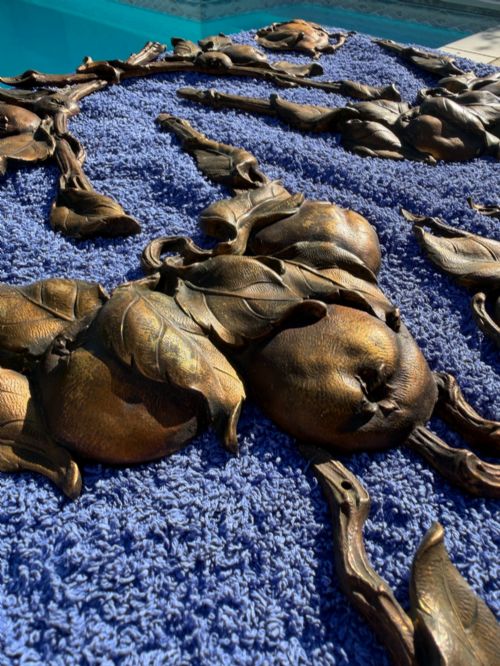
Craftsmen cast these metal elements in bronze using traditional lost-wax or sand-casting methods, which produced the initial rough form. Artisans then refined the surface by hand with chisels and punches to create crisp detail across foliage, scrolls, and figures.
The final colour and lustre derived from the application of a gold amalgam, heated to bond the precious metal to the bronze substrate through fire gilding. Workshops also combined this gilded metal with dense hardwoods like kingwood and rosewood, mounting the cast pieces securely with threaded pins.
Early founders occasionally hid cheeky signatures inside the hollow backs of cast putti where only a future restorer would spot them.
What varies in quality
The depth and clarity of the hand-chiselling separate standard production from exceptional work, as master bronze-founders spent hours refining the cast details with small punches. Crisp definition along the edges of acanthus leaves and figural hair indicates superior bench work.
The integrity of the original mercury gilding dictates the visual warmth of the piece, with worn or later-regilded surfaces lacking the soft, deep tone of an untouched period finish. Furthermore, the weight of the cast bronze and the precision of its fit to the underlying wood demonstrate the maker's original investment in materials.
Edward Holmes Baldock·Poix Blin·Johnstone and Jeanes·Jacques Bircklé·Maison Millet·Charles à Orléans·François Linke·Edwards and Roberts·Joseph-Emmanuel Zwiener·Paul Sormani·H. J. Hatfield and Sons
The Gilt Bronze Ormolu Mount Glossary
- Ormolu
- Gilded bronze, derived from the French term indicating ground gold. This material provided nineteenth-century makers with a durable substitute for solid gold decoration.
- Chiselling
- The post-casting process where artisans used hand tools to sharpen details and textures on the bronze. This manual step separates ordinary casts from masterwork mounts.
- Bureau plat
- A flat-topped freestanding writing desk typically fitted with drawers and extensive metal mounts. These desks often feature leather writing surfaces framed by cast bronze borders.
- Credenza
- A sideboard or cabinet form frequently embellished with porcelain plaques and heavy corner mounts. Nineteenth-century versions made prominent use of exotic veneers.
- Garniture
- A set of matching ornamental objects, usually comprising a clock flanked by vases or candelabra. They were designed to sit together on a mantelpiece.
Gilt Bronze Ormolu Mount: Frequently Asked Questions
What is the difference between ormolu and gilt bronze?
Ormolu and gilt bronze refer to the same material, with ormolu being the traditional term used for gilded bronze objects originating from France. The word stems from the French phrase indicating ground gold applied to a bronze base.
In historical contexts, makers used the terms interchangeably to describe decorative mounts, clock cases, and furniture fittings. The finish relies on a mercury-gilding technique that imparts a distinct warm lustre.
How do I clean gilt bronze mounts safely?
Cleaning gilt bronze requires minimal intervention to protect the delicate gold layer from abrasion and chemical damage. Dusting with a soft, dry brush is generally sufficient for regular maintenance.
Water and harsh commercial metal polishes must be avoided entirely, as they strip away the historic gilding and expose the base metal beneath. Professional conservation is recommended for pieces requiring deeper attention.
Were these mounts added later or are they original?
Original mounts conform precisely to the contours of the wood or marble they adorn, often leaving matching tool marks and impression indents. Makers designed the wooden carcases specifically to accommodate these heavy cast elements.
Inspect the fixing pins and the uniformity of the patina between the mount and its surroundings. Replacement mounts frequently show mismatched wear patterns or modern screw fixings.
How should I care for furniture with ormolu mounts?
Maintaining furniture with metal mounts involves keeping pieces away from direct sunlight and fluctuating humidity to protect both the wood veneers and the metal finish. Stable indoor environments prevent the wood from shrinking and loosening the mount fixings.
Apply high-grade microcrystalline wax sparingly to the timber surfaces while taking care not to let wax accumulate in the crevices of the bronze casting. Gentle handling prevents the delicate protruding foliage from bending.