

French Rococo Fireplace
These pieces for a french rococo fireplace bring asymmetric scrolls and gilded warmth to a hearth.
French Rococo Fireplace
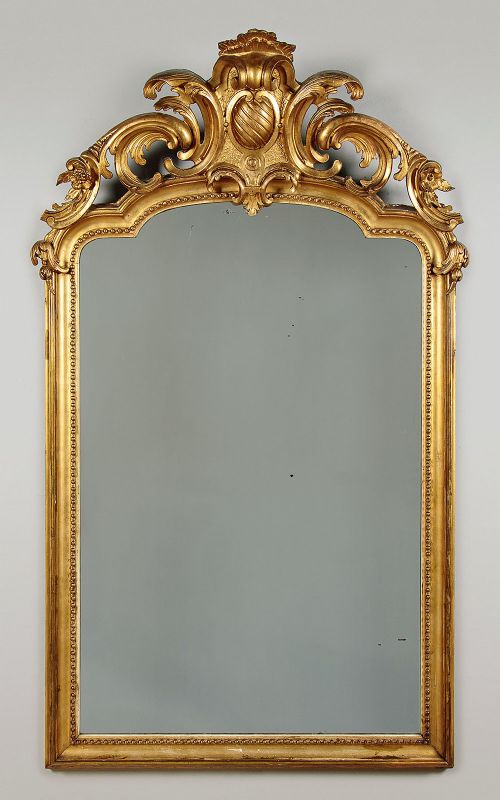
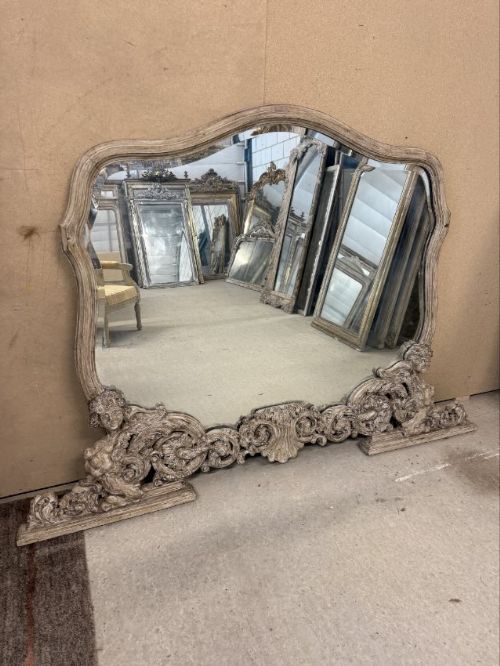
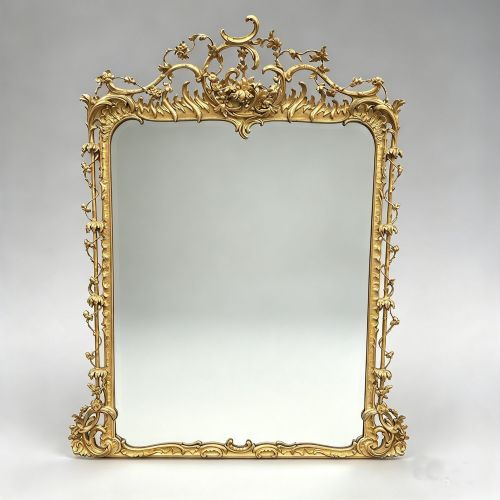
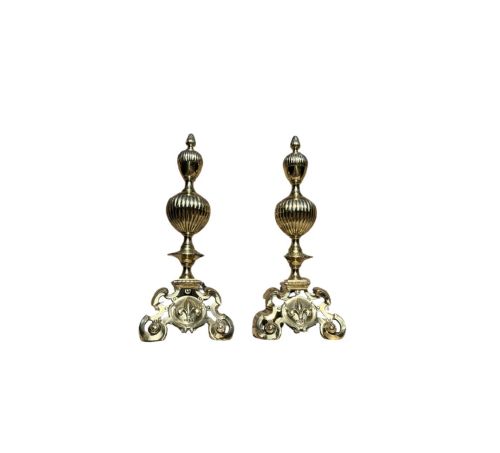
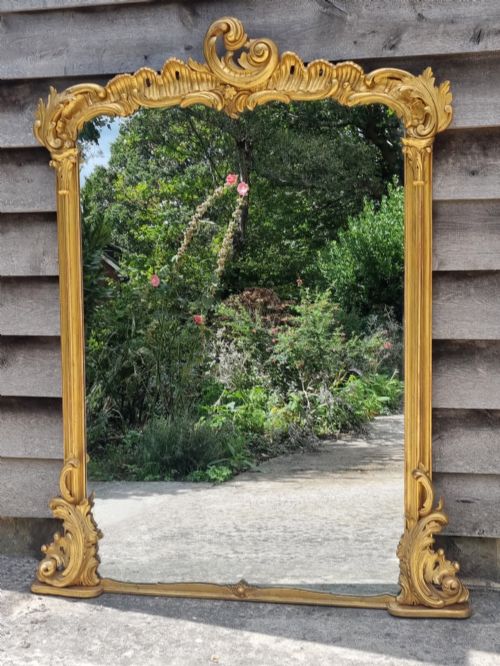
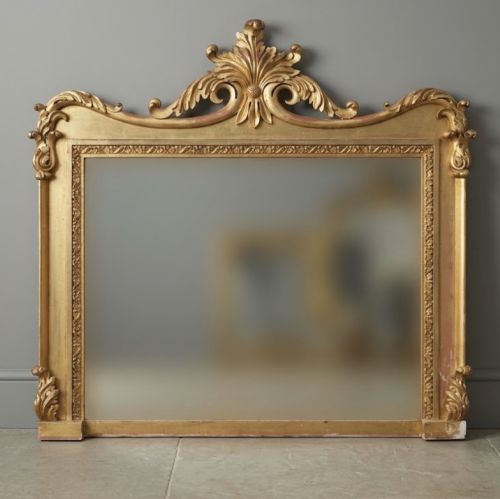
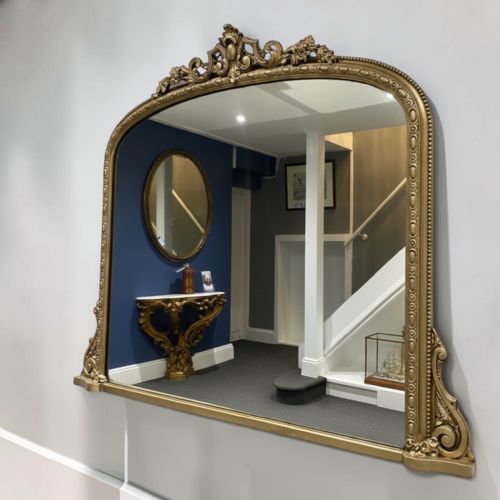
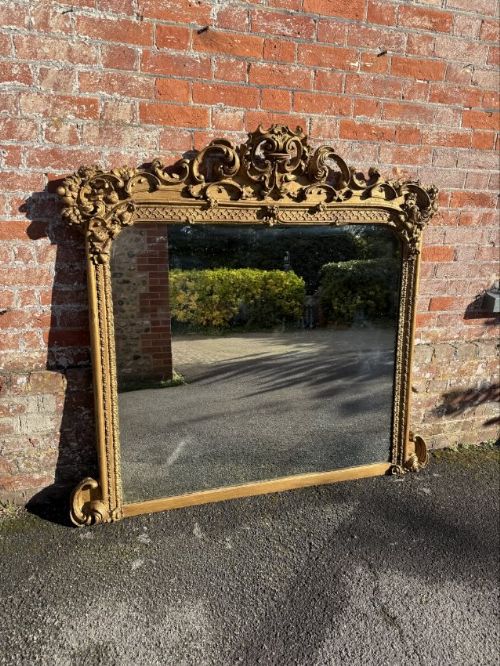
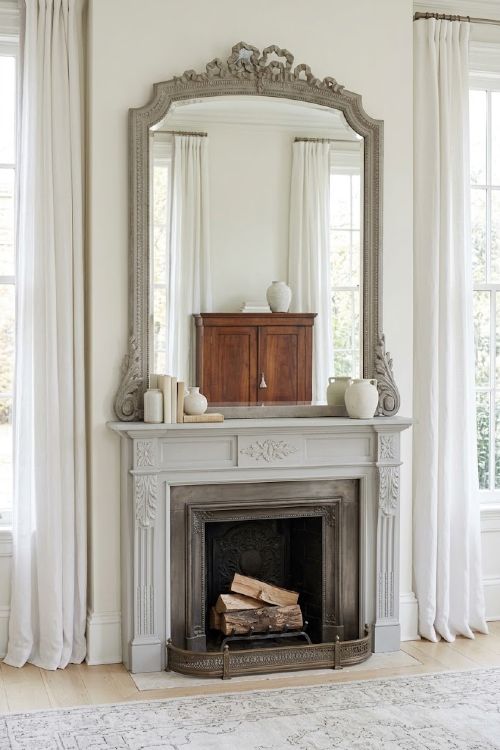
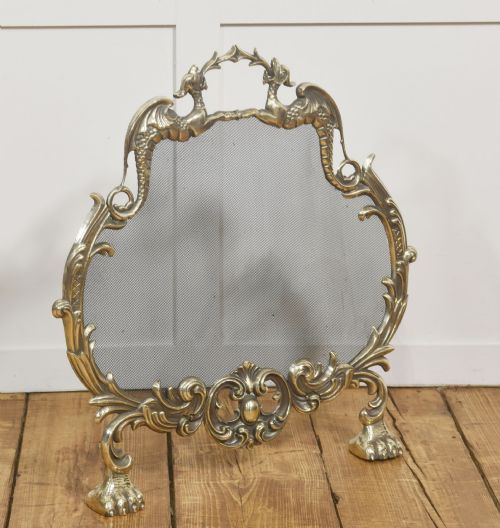
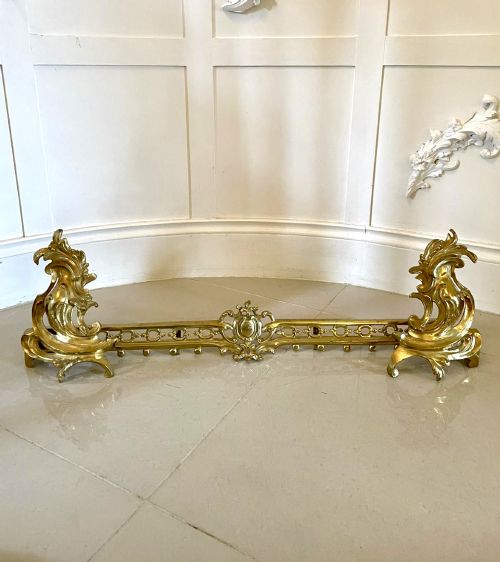
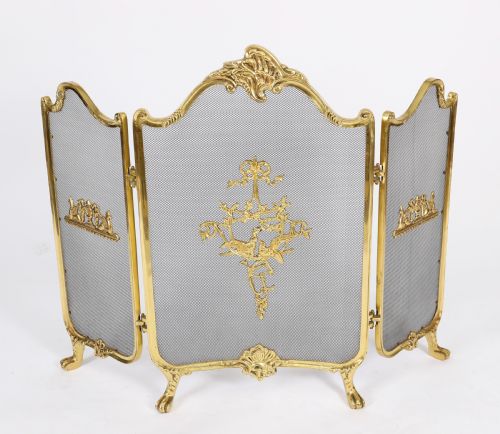
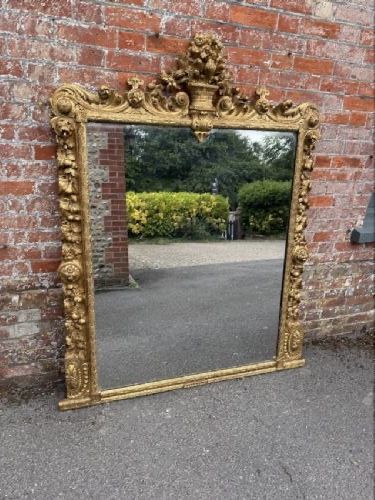
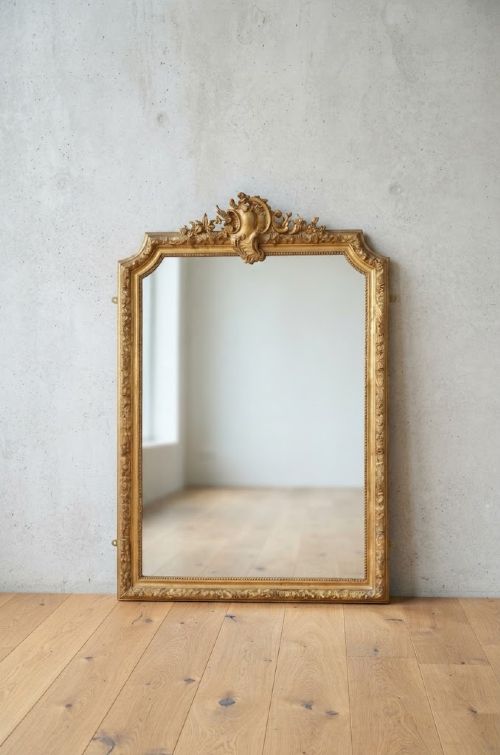
A french rococo fireplace arrangement centres on overmantel mirrors and hearth guards shaped by the nineteenth century revival of eighteenth century Parisian design. These furnishings include folding brass screens, heavy giltwood mirrors, and cast metal fire dogs designed to command the chimney breast.
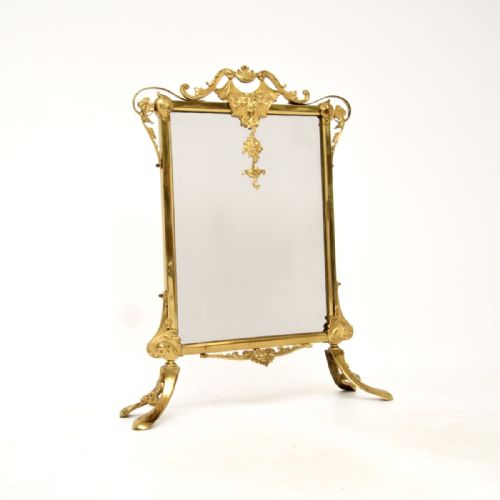
The objects appearing most frequently on this page date from the middle to the late nineteenth century, reflecting Victorian interpretations of Louis XV and Louis XIV styles. They range from pierced brass and wire mesh folding guards to large carved wall mirrors intended to sit directly above the mantelpiece.
Materials and construction
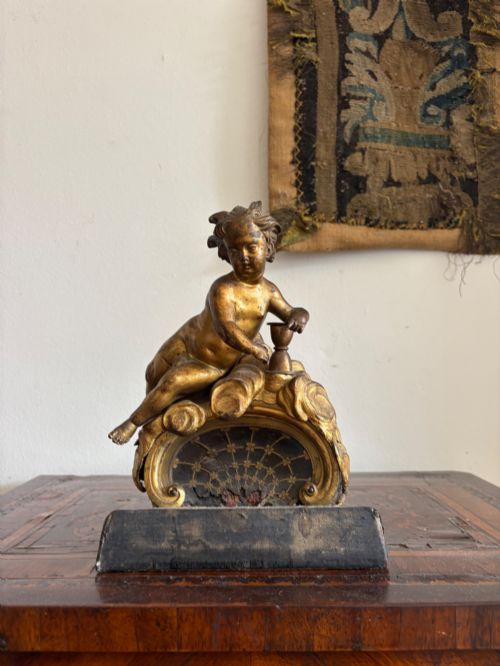
Giltwood, gesso and carved wood provide the structural framework for large overmantel mirrors, whilst brass, bronze and ormolu form the principal components for fire screens, chenets and fenders. Artisans applied thin layers of gold leaf or gilt metal over prepared wooden grounds or cast the metal elements into elaborate floral and scroll motifs.
Mirrors often incorporate mirror glass and wire mesh within hinged or folding brass frames, allowing screens to expand across an opening. Pierced brasswork and applied cast bronze ornaments demonstrate the combination of foundry casting and hand finishing typical of the period.
French Rococo Fireplace Retail Price Guide 2026
Typical asking prices for french rococo fireplace among the pieces listed under this phrase on Sellingantiques today, from the lower quarter to the upper quarter. They describe what is for sale here now, not the wider market.
Materials recorded across the inventory include gilt bronze, wire mesh, gesso, and mirror glass.
Judging quality
Quality rests in the crispness of the cast bronze or carved gesso detail and the depth of the gilding. Superior examples display sharp relief in their asymmetrical foliage and figures, whereas lesser pieces show softer, shallower moulding from worn or secondary moulds.
The structural integrity of large overmantel frames and the original retention of mercury or silvered mirror glass also separate standard utility items from finer decorative works. Heavier gauge brass and secure joints distinguish better hearth fenders and folding screens.
Siffel and Cartier
The French Rococo Fireplace Glossary
- Overmantel mirror
- A large wall glass designed to hang specifically above a mantelpiece. These pieces often incorporate arched tops and giltwood frames.
- Ormolu
- Finely ground high-carat gold applied to a bronze base using a mercury amalgamation process. This technique gives metal mounts a rich, durable golden surface.
- Chenet
- An alternative term for fire dogs or andirons placed horizontally in the hearth to support logs. They frequently feature cast rococo scrolls and figural finials.
- Gesso
- A paint mixture consisting of a binder mixed with chalk or gypsum. Artisans applied this substance to wood frames before gilding to build up deep relief carving.
French Rococo Fireplace: Frequently Asked Questions
How do I choose the right size overmantel mirror?
Measure the width of your mantelpiece ledge to ensure the mirror frame sits comfortably within those dimensions without exceeding the wall space.
Larger nineteenth-century pieces require solid wall fixings to support the considerable weight of the wooden frame and glass.
Were brass fire screens used daily?
Folding brass and wire mesh screens served a practical purpose by containing stray embers and sparks from open coal fires.
Many examples folded flat when not in use to save space in the reception room.
What is the difference between chenets and fire dogs?
Chenets and fire dogs are largely synonymous terms for the decorative metal supports placed at the front of a hearth.
French nineteenth-century examples often match the design language of nearby fire screens and overmantel ornaments.
How do I identify a nineteenth-century revival piece?
Revival items from this period typically combine eighteenth-century Louis XV motifs with Victorian manufacturing methods and heavier gauge brass.
Inspect the backboards, fixings and metal casting techniques to determine the manufacturing era.