




French River Oil Painting
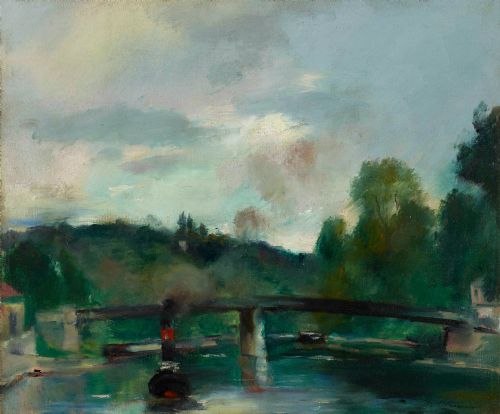
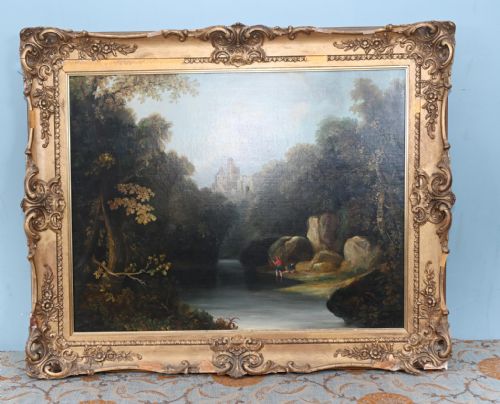
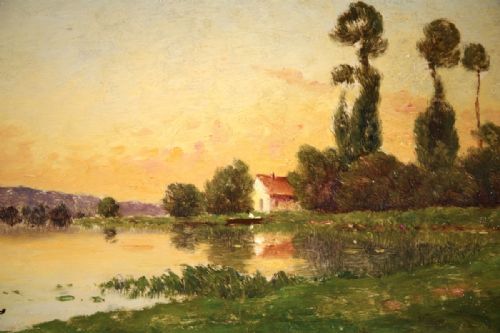
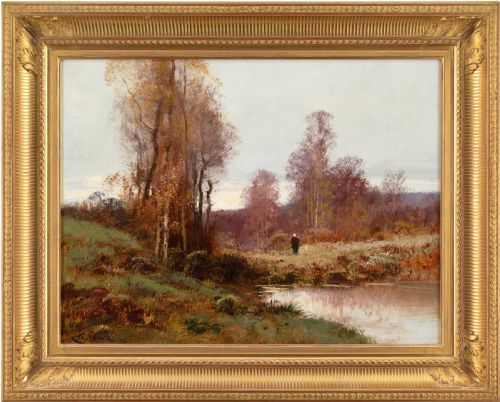
A French river oil painting captures the atmospheric waterways and pastoral banks of France through expressive brushwork and luminous pigments.
French River Oil Painting
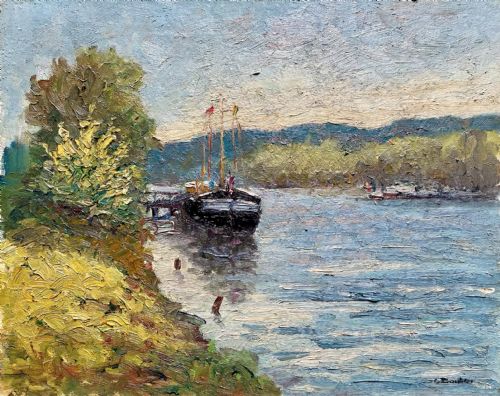
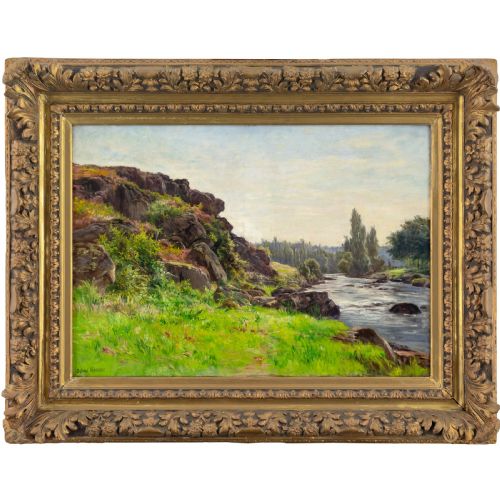
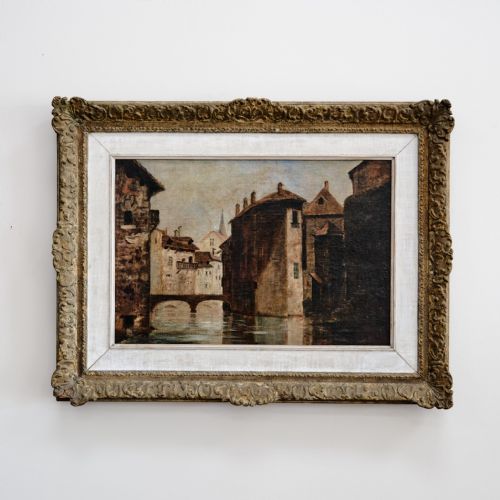
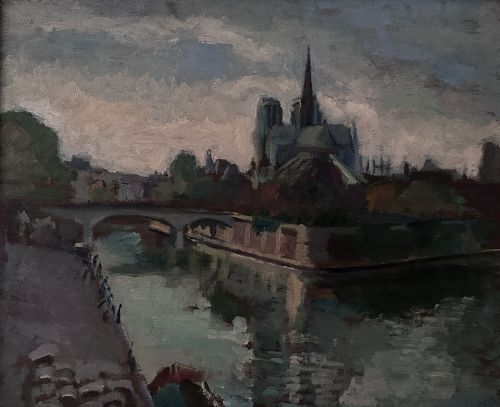
A french river oil painting typically depicts pastoral waterways, city quays, or rural bridges rendered in styles ranging from Barbizon realism to Impressionism.
The selections span from the nineteenth century into the mid-twentieth century, capturing scenes along the Seine, the Danube, and various provincial canals.
Most examples utilise oil paint on canvas or panel, presenting atmospheric views of French landscapes created both en plein air and in studios.
How they were made
Artists built these works using oil paint applied to stretched canvas, wooden panels, or board supports, sometimes employing gesso grounds for preparation.
Many compositions utilise textured brushwork and layered pigments to capture shifting natural light and water reflections outdoors.
Several canvases capture laundresses working diligently by the water alongside idle fishermen.
What varies in quality
Quality rests in the handling of light and atmospheric depth, where accomplished artists create palpable air and water movement rather than flat illustration.
Compositional balance and brushwork confidence distinguish masterworks from standard decorative landscapes of the period.
Gabriel Mathieu·Henri Ottmann·Paul Désiré Trouillebert·Honore Cavaroc·Charles Clair·Henri Jaques Delpy·Alexandre Le Bihan·André Prévot-Valéri·Mario Pinetti·Gabriel Dauchot·Ron Folland·William Grant Murray·Armand Guillaumin·Pierre Emmanuel Eugene Damoye·Edmond Defonte·Antoine Bouvard·Pierre Peltier·Adolphe Gumery·Henri Therme·Charles Edmond Rene His·Léon Richet
The French River Oil Painting Glossary
- Barbizon School
- A nineteenth-century French art movement dedicated to naturalistic landscape painting. Artists painted directly from nature to capture rural realism.
- Plein air
- The act of painting outdoors to observe landscape lighting directly. This technique gained prominence among nineteenth-century French artists.
- Gesso
- A traditional paint primer mixture consisting of a binder mixed with chalk or gypsum. It prepares wood panels or canvases to receive oil paint.
- Impressionism
- A nineteenth-century movement characterised by relatively small, thin yet visible brush strokes and open composition. It emphasises accurate depiction of light.
French River Oil Painting: Frequently Asked Questions
What is a French river oil painting?
It is a canvas or panel artwork depicting French waterways, created primarily during the nineteenth and twentieth centuries.
These pieces reflect various artistic movements, including Impressionism and the Barbizon style.
How do I date a French river oil painting?
Dating relies on stylistic clues, canvas stamps, stretcher frames, and artist signatures recorded in historical registries.
Nineteenth-century works often favour darker Barbizon tones, while later pieces adopt brighter Impressionist palettes.
Where were these river scenes painted?
Artists worked along famous waterways like the Seine, the Loire, and various provincial canals across France.
Many subjects capture specific locations such as Normandy, Paris quays, or Fontainebleau.
How should I frame an antique oil painting?
Period frames often feature gilt wood and moulded gesso ornamentation suited to nineteenth-century aesthetics.
Matching the frame to the era of the canvas preserves the historical integrity of the artwork.