

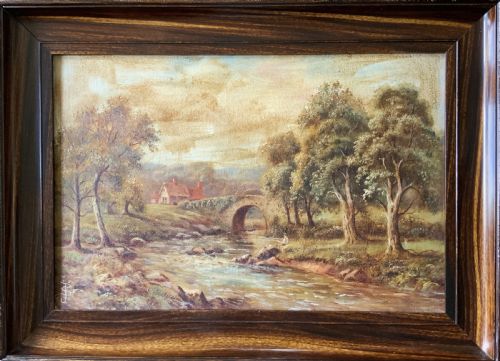


Antique Bridge Landscape Art
Antique bridge landscape art captures rivers, canals, and architectural spans through oil and watercolour, bringing historic engineering and pastoral scenery onto the wall.
Antique Bridge Landscape Art
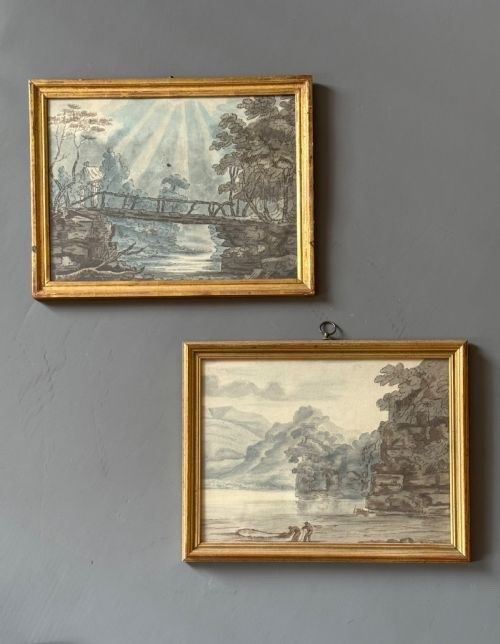
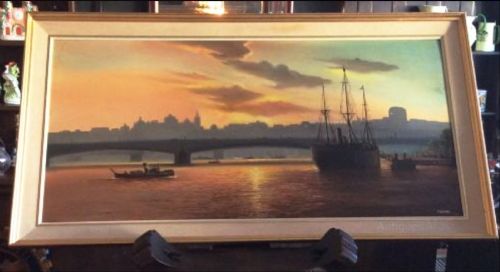
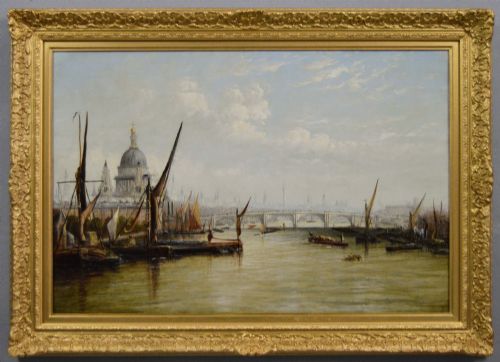
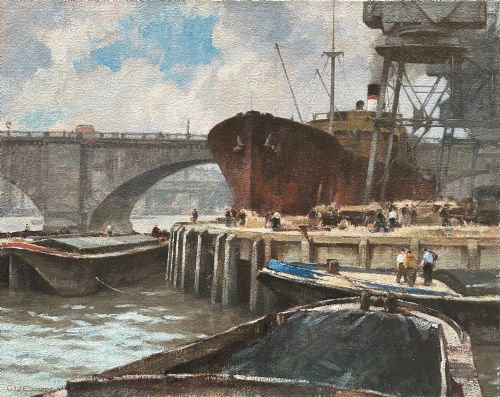
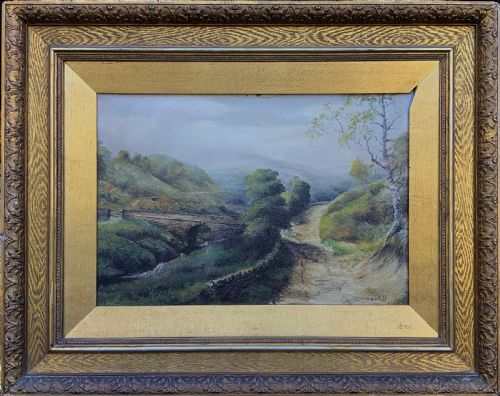
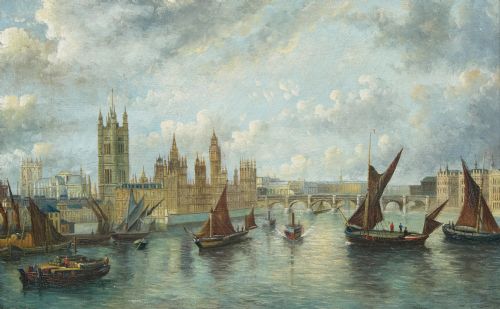
When you search for antique bridge landscape art, you find original paintings and works on paper depicting spans across rivers, canals, and streams in various settings. These works range from rural Scottish stone bridges and Highland streams to urban cityscapes featuring historic river crossings like the Thames in London.
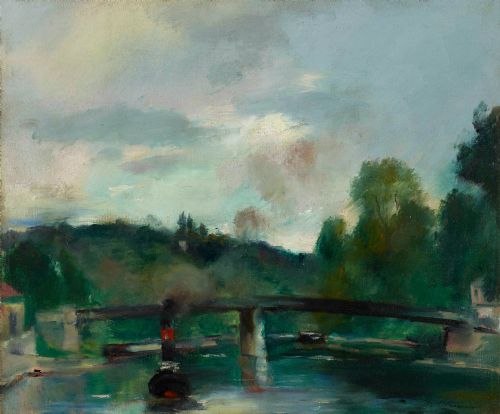
The versions you meet most frequently on this page date from the nineteenth century through the early twentieth century. They encompass both detailed topographical watercolours and expressive oil paintings executed on canvas, wood panel, or paper.
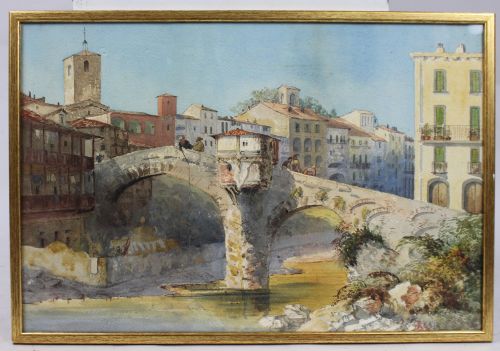
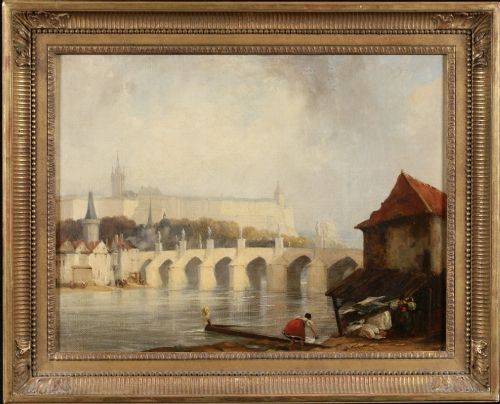
Subjects span British and European views, capturing local landmarks, ruined abbeys, and pastoral river valleys. Painters recorded these crossings through the lenses of British Impressionism, the Victorian British School, and early twentieth-century regional traditions.
How they were made
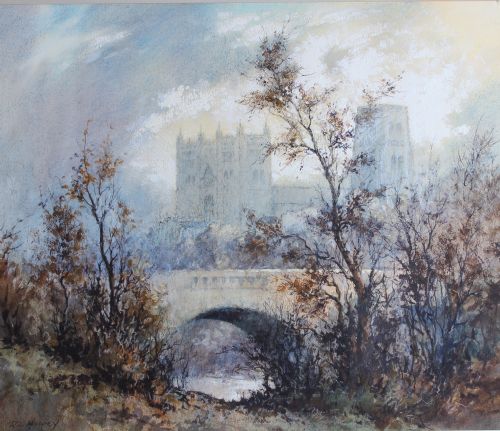
Artists utilised oil paint applied to canvas, wood panels, or paper, building rich textures and deep tones for river scenes and architectural masonry. Watercolours employed washes on paper to capture the translucency of water and sky around bridges.
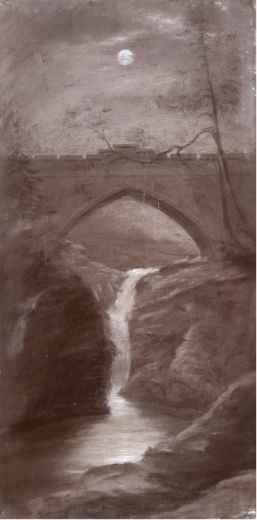
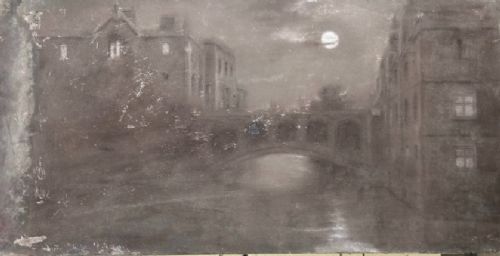
Support materials varied from traditional stretched canvas and sturdy wood panels to charcoal on canvas and fine art paper. Framing often included period wooden mouldings that protected the delicate watercolour pigments under glass or left oil paintings exposed to the air.
Geographic subjects span British rivers and European waterways, recording historic crossings from Scotland and Wales to Venice and Paris.
What varies in quality
Handling of light and atmospheric perspective distinguishes accomplished works from simpler topographical records. Painters who balanced the stone architecture of a bridge with the fluid movement of the water below achieved greater depth and visual harmony.
Provenance and attribution elevate certain pieces, particularly when a work bears a signature, date, or inscription identifying the exact crossing and the artist's hand. The finesse of the brushwork and the preservation of the original pigments or paper integrity also determine the standing of each piece.
Francis Moltino·Henri Ottmann·Sydney Yates Johnson·William Grant Murray·Thomas Lound·Noel Harry Leaver·Frederick Tully Lott·Claude Muncaster
The Antique Bridge Landscape Art Glossary
- Watercolour
- A paint consisting of soluble pigment suspended in a water-based solution, typically applied to paper to achieve translucent washes of colour.
- Oil on Canvas
- A painting technique using pigments bound in a drying oil, spread across a woven fabric stretched over a wooden frame.
- Topographical
- Representing specific real-world places accurately, often recording identifiable buildings, rivers, and bridges.
- Panel
- A rigid flat piece of wood used as a support surface for oil painting before stretched canvas became dominant.
Antique Bridge Landscape Art: Frequently Asked Questions
How do I identify the bridge in an antique painting?
Many works bear inscriptions on the reverse, stretcher bars, or margins naming the specific river, town, or bridge depicted. Background landmarks such as cathedrals, castles, or distinctive architectural arches often confirm the exact location.
Studying local history and topographical records helps match the painted structure to historical photographs or maps of the period.
Are watercolours more fragile than oil paintings?
Works on paper require protection behind glass to prevent atmospheric damage and fading from direct sunlight. Oil paintings on canvas or panel generally possess greater physical resilience against environmental factors.
Both mediums benefit from stable indoor humidity and avoidance of extreme temperature fluctuations to preserve the pigments.
What periods do these bridge paintings represent?
The inventory spans the nineteenth century through the early decades of the twentieth century. Victorian and Edwardian examples dominate the selection alongside regional British school pieces.
Dates are often established through artist signatures, period framing styles, or contemporary inscriptions left by the painter.
How should I frame and hang antique art?
Selecting period-appropriate wooden frames enhances the visual context of nineteenth and early twentieth-century paintings. Hang the artwork away from direct sunlight and radiators to protect the paper, canvas, and pigments over time.
Ensure wall fixings match the weight of the frame and the specific backing material of the piece.