



French Putti Lamps
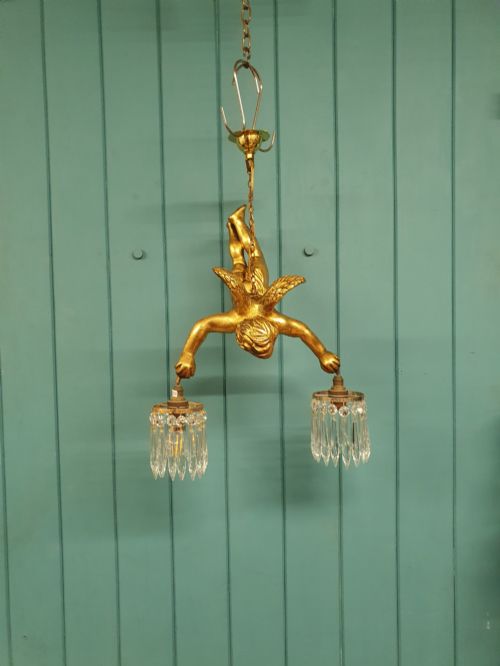
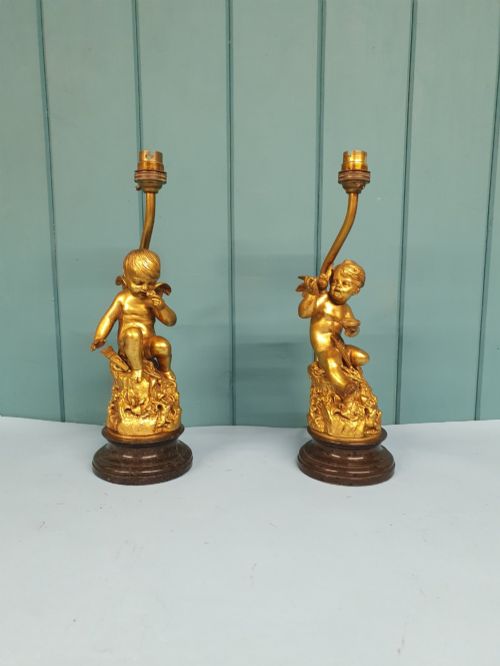
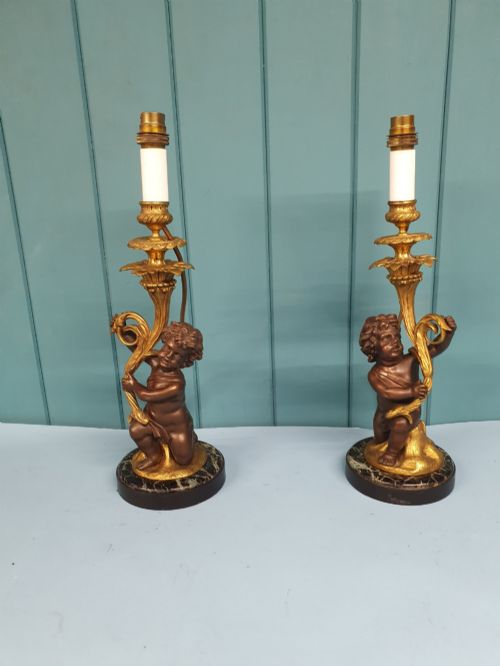
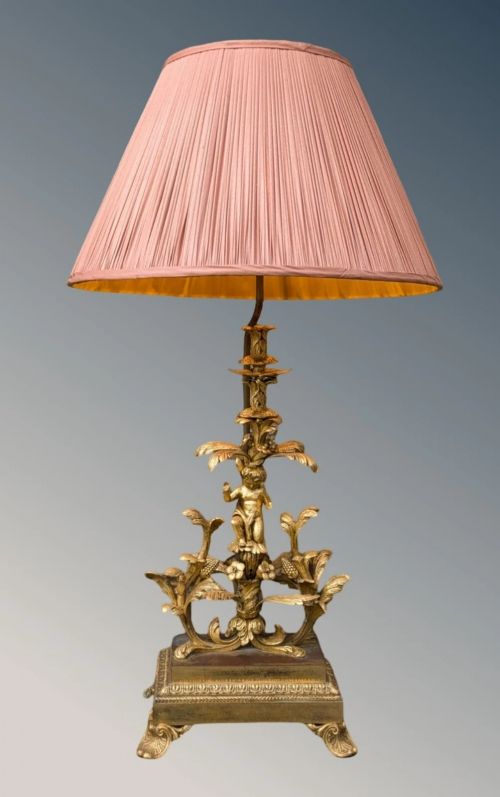
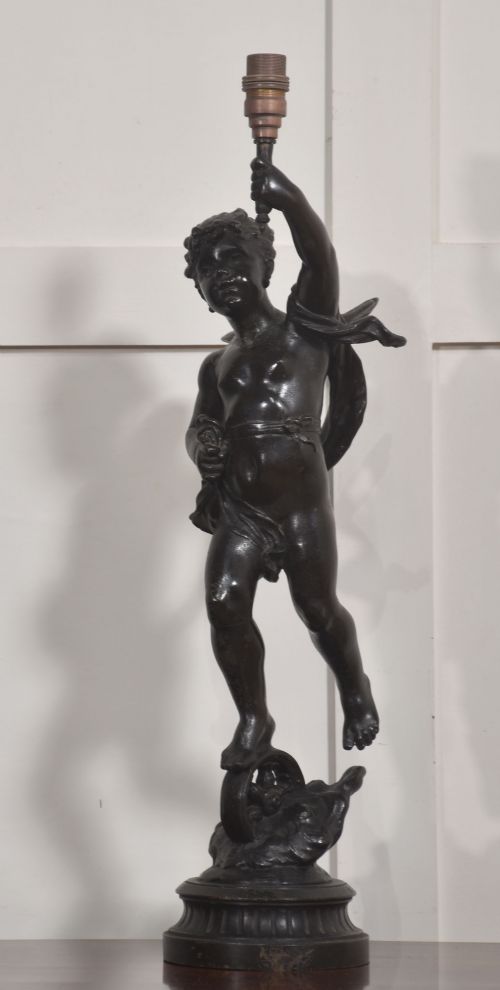
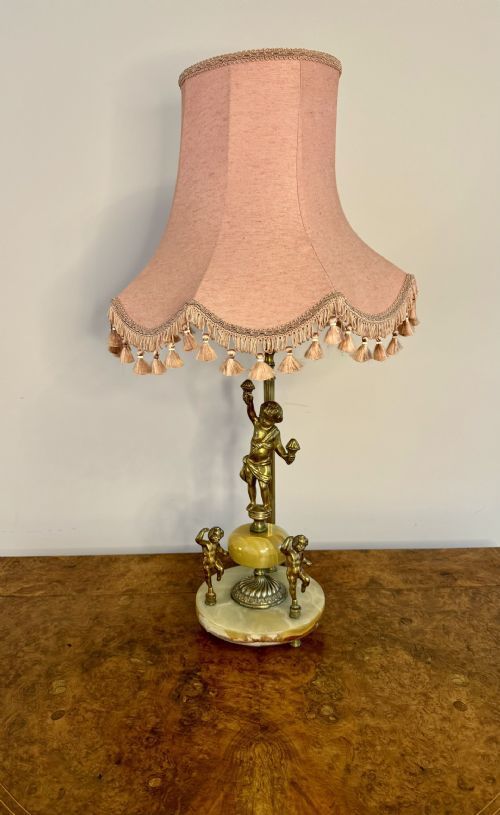
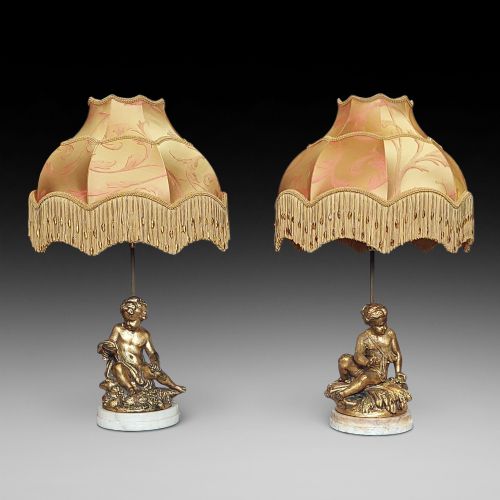
French putti lamps combine figural charm with illumination, bringing classical winged cherubs into interiors through bronze, ormolu and porcelain.
French Putti Lamps
When you search for french putti lamps, you encounter lighting fixtures featuring sculptural child figures derived from classical mythology, spanning the nineteenth and early twentieth centuries. These pieces appear most frequently as bronze or gilt metal table lamps and wall sconces produced during the Victorian era and the 1920s.
The selection includes conversions from earlier statuary alongside purpose-built lighting fixtures incorporating marble, onyx and cut glass elements. Styles range from elaborate Rococo Revival designs to restrained Neoclassical interpretations.
How they were made
Foundry work relied on traditional sand casting and lost-wax techniques to shape bronze, spelter and brass components into detailed figural forms. Metal surfaces were finished through gilding, ormolu application, or dark patination to create distinct decorative effects.
Mounting incorporated stones such as marble and onyx for stable bases, whilst wiring and lamp holders were integrated into structural elements during later conversions or original manufacture.
Some winged cherubs share lighting duties with dolphins, proving that mythological lighting makes strange companions.
What varies in quality
Material selection dictates overall substance, with heavy bronze and genuine ormolu constructions sitting above lighter spelter or plaster alternatives. Base materials like fine statuary marble further elevate the piece.
Aug. Moreau·French Sevres
The French Putti Lamps Glossary
- Putto
- A plump, often winged child figure originating in classical art. This motif forms the central sculptural focus of these lighting fixtures.
- Ormolu
- Finely ground high-carat gold applied to a bronze base using a mercury amalgamation process. This technique gives objects a warm, enduring lustre.
- Spelter
- An alloy of zinc used as a less expensive alternative to bronze in figural casting. It appears frequently in twentieth-century reproductions and decorative items.
- Toleware
- Lacquered or painted metalware used for shades and decorative accents. It provides colourful contrast to gilt metal bases.
- Torchère
- A stand or lamp modelled after a torch-bearer. These pieces often support multiple light sources or fabric shades.
French Putti Lamps: Frequently Asked Questions
What is a putto lamp?
A putto lamp is a decorative lighting fixture incorporating sculptural child figures, often winged, executed in materials such as bronze, brass or porcelain.
These pieces function primarily as table lamps, wall sconces or candelabra conversions designed to bring classical ornamentation into domestic interiors.
How do I date these lamps?
Dating relies on examining the casting technique, metal patination, base materials and electrical wiring style where original components survive.
Nineteenth-century examples typically employ heavy cast bronze and hand-chased ormolu, whereas twentieth-century pieces often utilise spelter or mounted alabaster.
Were these originally made as lamps?
Many figures began as decorative bronze statuettes, torchères or candelabra before being converted into functional electric table lamps later in their lifespan.
Purpose-built electrical lamps emerge more frequently in the pieces produced during the early twentieth century and the 1920s.
What materials are used for bases?
Bases frequently incorporate contrasting materials to provide weight and visual balance beneath the metal figures.
Common selections include white and coloured marble, polished onyx, carved alabaster and stepped brass plinths.