

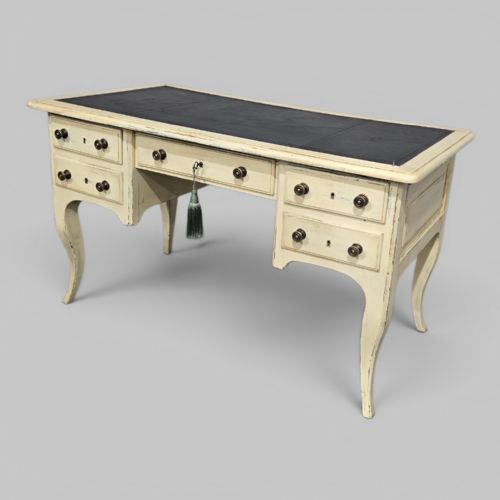
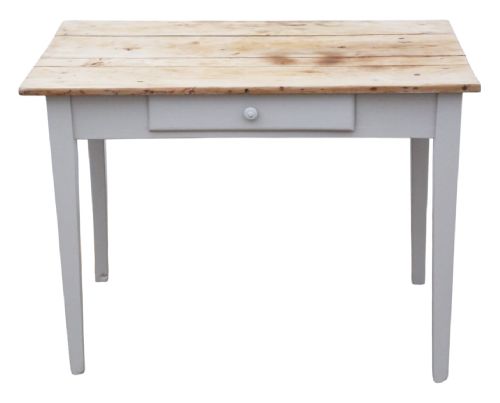


French Provincial Writing Desk
These pieces of french provincial writing desk bring the rustic elegance of country houses and chateaux directly into a modern study.
French Provincial Writing Desk
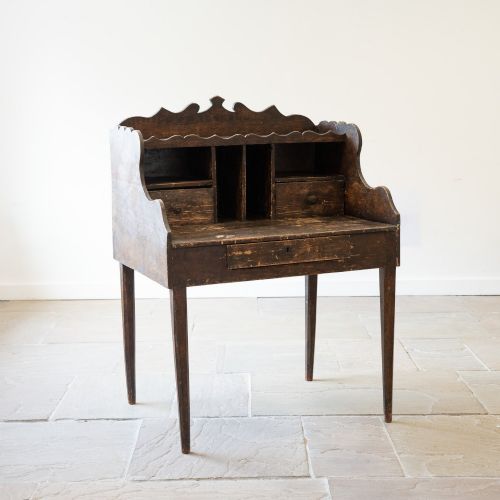
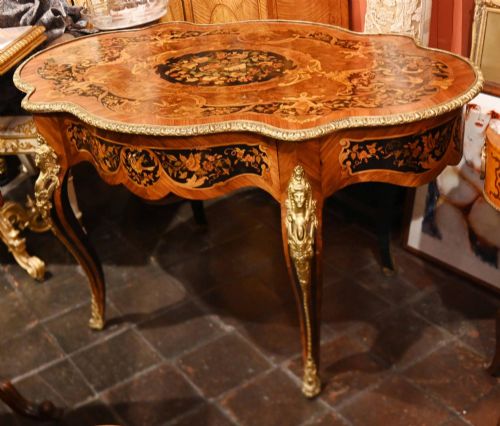
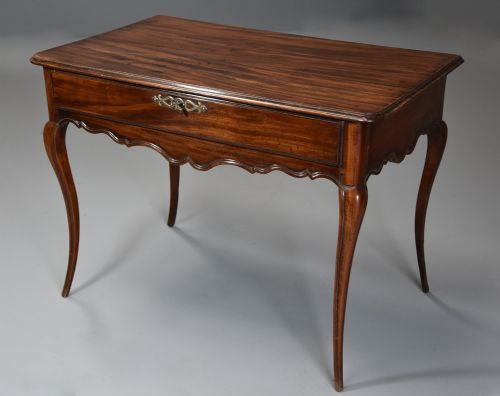
A french provincial writing desk encompasses utilitarian tables and bureau forms constructed in regional French workshops during the eighteenth and nineteenth centuries. Buyers searching this phrase typically encounter walnut, fruitwood, oak and cherrywood writing tables featuring cabriole legs and subtle floral or geometric inlay.
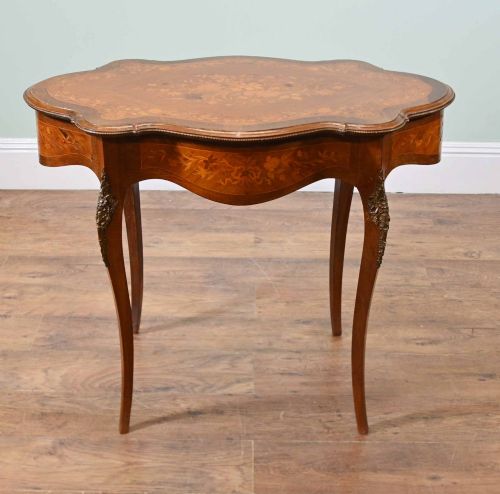
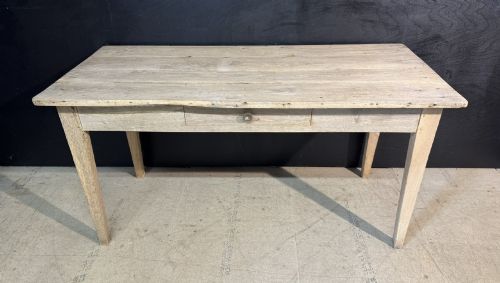
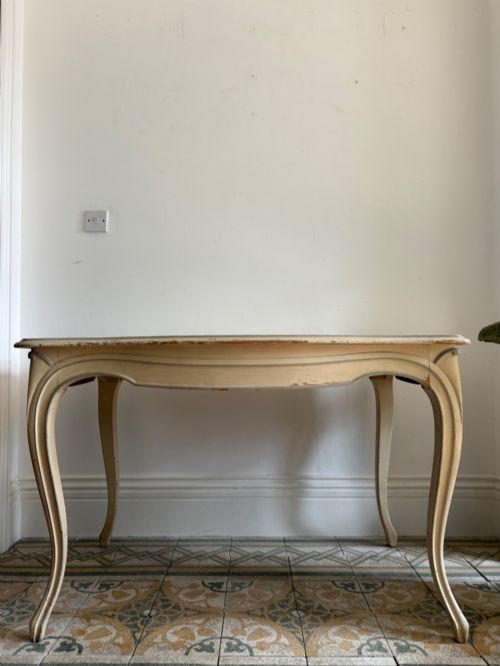
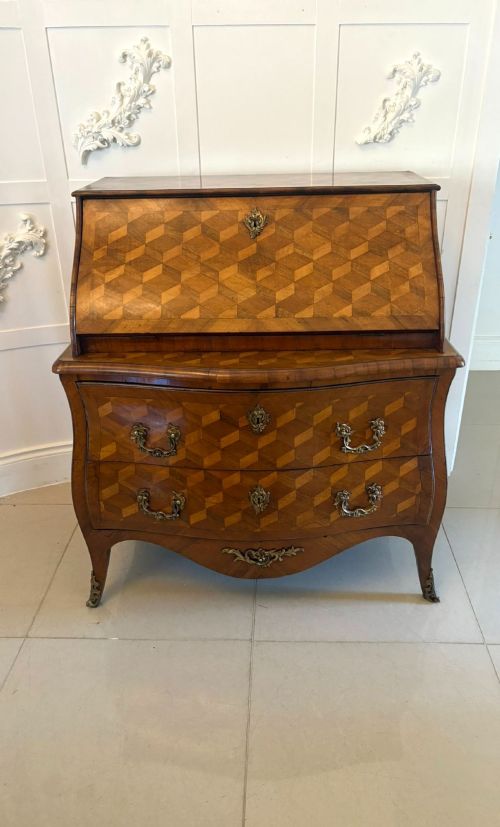
The selection ranges from compact fruitwood writing desks to elaborate eighteenth century walnut bombe shaped bureaux and nineteenth century marquetry bonheur-du-jours. Regional variations extend to painted wood consoles and scrub-top kitchen or farmhouse tables utilised as writing surfaces.
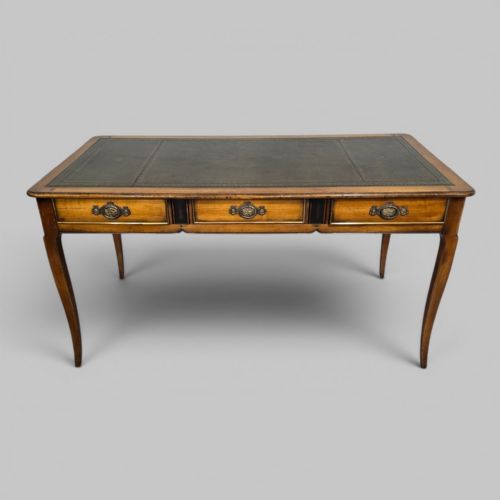
Louis XV and Louis XVI styles heavily influence these forms, bringing graceful serpentine fronts and parquetry patterns into provincial contexts. Buyers often find pieces equipped with leather or suede inserts, alongside simple single-drawer configurations.
How they were made
Mounts and hardware cast in brass and ormolu were applied to drawers and corners on finer nineteenth century examples, whilst simpler provincial pieces relied on straightforward wooden construction. Tops were occasionally inset with leather or suede to provide a suitable writing surface.
Finishes range from scrubbed natural oak and bleached carved wood to cream painted surfaces and waxed walnut displaying deep patinas. Construction techniques reflect traditional joinery suited to regional French workshops of the eighteenth and nineteenth centuries.
French Provincial Writing Desk Retail Price Guide 2026
Typical asking prices for french provincial writing desk among the pieces listed under this phrase on Sellingantiques today, from the lower quarter to the upper quarter. They describe what is for sale here now, not the wider market.
Listings span the eighteenth and nineteenth centuries, featuring walnut, fruitwood, oak, ormolu, brass and leather across various table and desk forms.
What varies in quality
The grade of a french provincial writing desk depends upon the ambition of its timber selection and the precision of its parquetry or marquetry inlay. Pieces constructed from figured walnut, kingwood or satinwood with detailed floral motifs sit apart from simpler solid oak or cherrywood iterations.
The presence of cast ormolu mounts and original leather or suede writing inserts distinguishes more formal urban-influenced pieces from rustic country furniture. Natural patination and the survival of original surface treatments also govern the distinction between standard utilitarian examples and exceptional survivals.
The French Provincial Writing Desk Glossary
- Parquetry
- Geometric wood inlay forming patterned surfaces on tabletops and drawer fronts. It utilises contrasting timber veneers arranged in precise grids or repeating motifs.
- Marquetry
- Pictorial wood veneer work depicting floral scenes or elaborate ornamentation. Artisans cut various coloured woods and fitted them together before applying them to the carcase.
- Ormolu
- Gilded bronze mounts applied to furniture for decorative effect. This technique was common on nineteenth century revival pieces and formal desks.
- Bonheur-du-Jour
- A small light lady's writing desk featuring a tiered superstructure with shelves or small drawers above the main writing surface. These appeared during the eighteenth century and remained popular through the nineteenth.
- Bombe
- A convex, bulging profile characteristic of eighteenth century case furniture. This curved shape requires advanced cabinetmaking skill to execute successfully in solid timber or veneer.
French Provincial Writing Desk: Frequently Asked Questions
What is a french provincial writing desk?
A french provincial writing desk is a piece of antique furniture originating from regional French workshops during the eighteenth and nineteenth centuries. These items combine practical workspace with domestic charm, utilising local timbers like walnut, cherry and fruitwood.
They appear in various forms, from simple scrub-top tables to sophisticated inlaid bureaux and bonheur-du-jours. The aesthetic bridges rustic utility and refined Louis XV or Louis XVI decorative traditions.
How do I date a french provincial writing desk?
Dating relies on examining the timber species, construction methods, hardware and decorative style present on the piece. Eighteenth century examples often feature heavier patination and simpler regional joinery, whilst nineteenth century pieces frequently display revival styling and ormolu mounts.
Stylistic markers such as cabriole legs, parquetry patterns and shaped aprons help narrow the period of manufacture. Regional workshops often retained traditional working methods long after urban centres shifted styles.
What woods were used for these desks?
Cabinetmakers utilised a variety of native European hardwoods depending on regional availability and the desired finish. Walnut, oak, fruitwood and cherrywood dominate the provincial pieces found on this page.
More formal or later pieces occasionally incorporate exotic or decorative veneers like kingwood and satinwood. Secondary timbers were often employed for internal drawer linings and structural framing.
How do I style a writing desk at home?
These desks suit a variety of interiors, functioning effectively as standalone writing surfaces in studies, bedrooms or living spaces. Their compact proportions allow them to sit comfortably in smaller rooms without dominating the floor plan.
Pairing the desk with a simple wooden chair or a contrasting upholstered seat lets the natural patina and timber grain take visual precedence. Keeping tabletop accessories minimal highlights the inlay and original surface finish.