
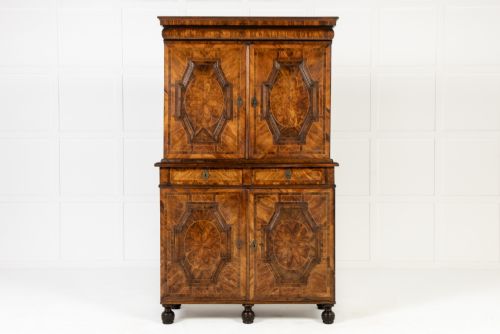


French Provincial Stand
These french provincial stand selections bring rustic European utility and regional character into a room through honest timbers and functional domestic forms.
French Provincial Stand
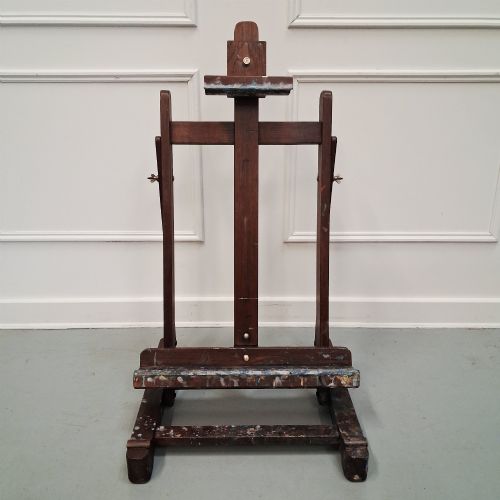
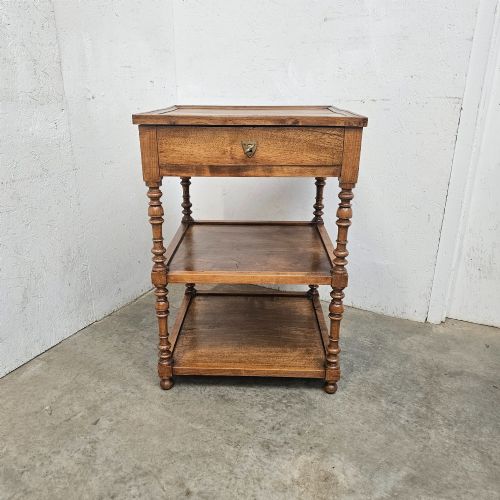
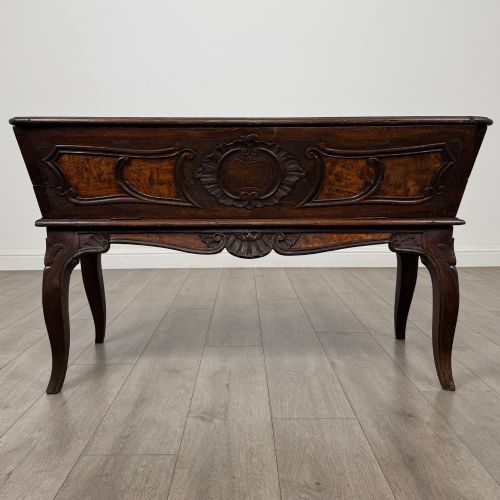
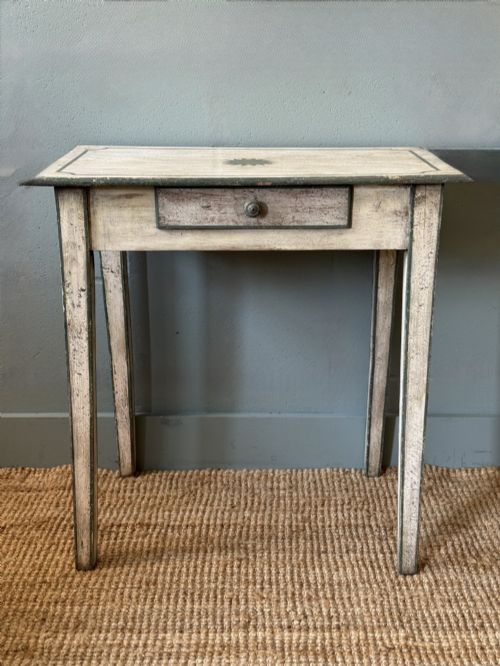
When buyers search for a french provincial stand, they encounter a diverse assembly of utilitarian regional furniture and display items spanning several centuries. The selection on this page ranges from modest fruitwood side tables and oak bedside cabinets to specialised items like dough bins, etageres, and sculptors' stands.
The objects stem predominantly from the nineteenth and early twentieth centuries, alongside older seventeenth and eighteenth-century examples in oak, walnut, and fruitwood. These furnishings reflect the practical daily life of French households, workshops, and country kitchens rather than formal court tastes.
Side tables and bedside cabinets appear most frequently, often featuring turned legs, marble tops, or carved decoration that typifies the French country aesthetic. Alongside these domestic tables, one finds more unusual functional forms such as hat display stands, washstands, and bread racks.
Materials and construction
Construction relies heavily on regional hardwoods, with oak and walnut forming the backbone of the heavier cupboards, dough bins, and cabinets. Fruitwood appears frequently in smaller tables and display stands, offering a warm tone and fine grain that responds well to traditional turning.
Secondary materials such as marble, brass, iron, and paint contribute both function and decorative contrast to the timber frames. Marble tops provide durable, cool surfaces for bedside lamp tables and washstands, while forged iron appears in structural elements and wash stands.
Joinery methods reflect traditional cabinet-making practices appropriate to provincial workshops, utilising panelled construction, pegged joints, and hand-carved ornamentation. Painted surfaces and bleached finishes occur across various periods, showing how these utility items adapted to changing decorative tastes.
The listings show a strong presence of nineteenth-century oak and walnut bedside cabinets alongside earlier eighteenth-century cupboards.
Distinctions in quality
Quality in these regional pieces rests primarily on the integrity of the timber, the crispness of any hand carving, and the retention of original surfaces. Pieces constructed from dense, well-figured oak or rich satin walnut display a superior presence compared to plainer utility items.
The sophistication of the joinery and the survival of original integrated elements, such as marble inserts, brass hardware, or tambour fronts, separate standard utilitarian articles from finer workshop productions. Proportion and balance also play a role, as smaller bedside cabinets and neat-sized side tables demonstrate careful regional scaling.
The French Provincial Stand Glossary
- Etagere
- An open tiered piece of furniture used for displaying small objects, books, or ornaments. These pieces typically feature multiple shelves supported by slender uprights.
- Dough Bin
- A deep wooden trough historically used for kneading bread dough, often fitted with a lid and standing on a sturdy base or enclosed cupboard.
- Fruitwood
- Timber sourced from fruit-bearing trees such as pear, apple, or cherry, prized by provincial cabinet makers for its smooth texture and warm colour.
- Marble Top
- A slab of polished stone fitted to the upper surface of a table or cabinet, providing a heat-resistant and waterproof counter.
French Provincial Stand: Frequently Asked Questions
How do I date these pieces?
Dating relies on examining the timber species, construction techniques, hardware, and overall wear patterns present on the object. Eighteenth-century examples often display hand-sawn boards and pegged joinery, while nineteenth-century pieces may incorporate machine-sawn elements and different fastening methods.
Comparing the form and decorative motifs to known regional styles helps narrow down the century of production.
Where were these stands used?
These pieces served practical functions throughout the home, from country kitchens and bedrooms to workshops and retail spaces. Bedside cabinets held lighting and personal items, while larger tables and dough bins functioned as active work surfaces.
Specialised stands also supported millinery displays, artist materials, and washing facilities in period domestic settings.
How do I care for antique wood?
Maintaining antique timber requires keeping the pieces away from direct heat sources and extreme humidity fluctuations to prevent wood splitting. Regular dusting with a soft, dry cloth preserves the surface without building up excessive residues.
Applying a traditional beeswax polish occasionally helps nourish fruitwood and oak surfaces while maintaining their natural sheen.