




French Provincial Sideboard Cabinet
These heavy timber french provincial sideboard cabinet pieces bring provincial warmth and regional utility into modern rooms.
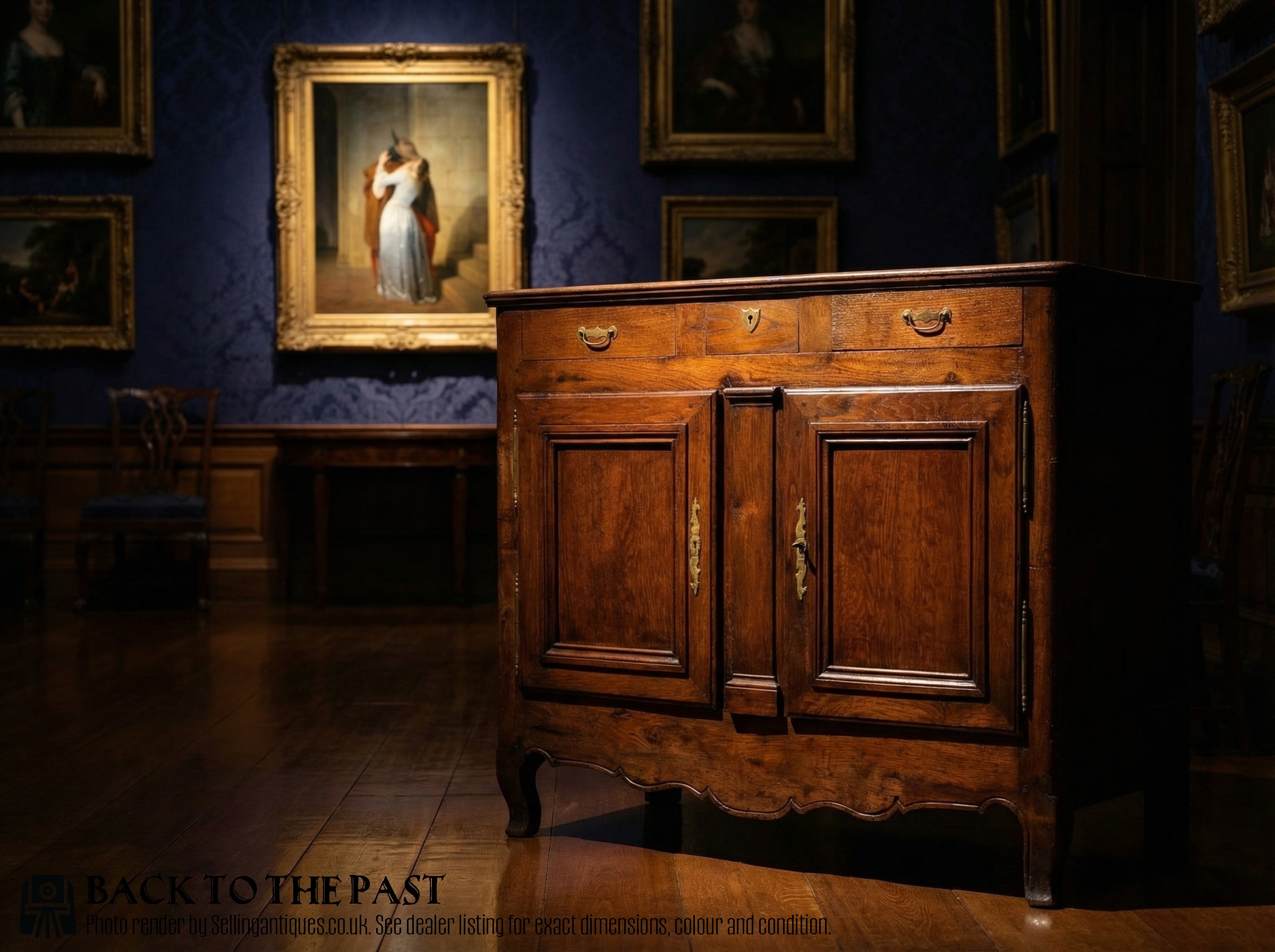
French Provincial Sideboard Cabinet
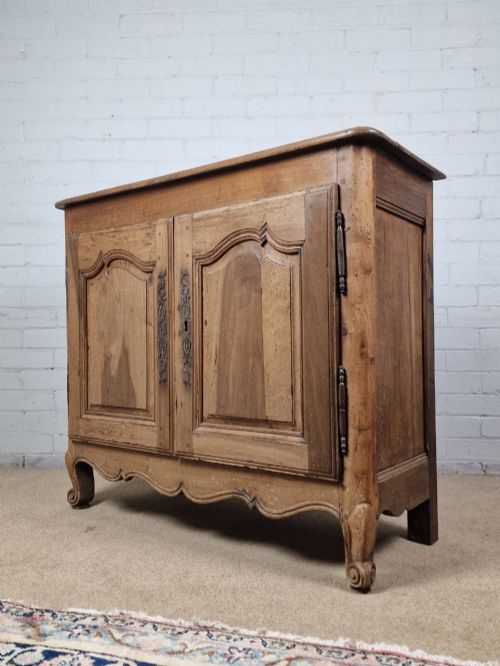
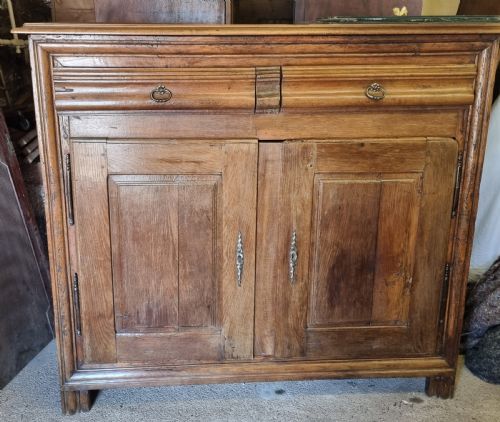
A french provincial sideboard cabinet is a regional storage piece built for rural homes, offering substantial cupboards and serving surfaces. You will frequently encounter oak, walnut, cherrywood, and painted pine examples originating from the eighteenth and nineteenth centuries.
The inventory ranges from low sacristy cabinets and confiturier jam cupboards to imposing buffet deux corps structures and long enfilade sideboards. These forms served various rooms from kitchens to hallways, providing deep enclosed storage for provisions and household linens.
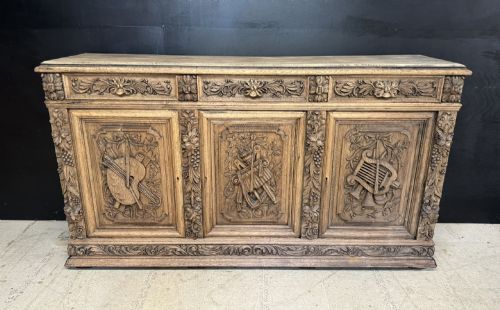
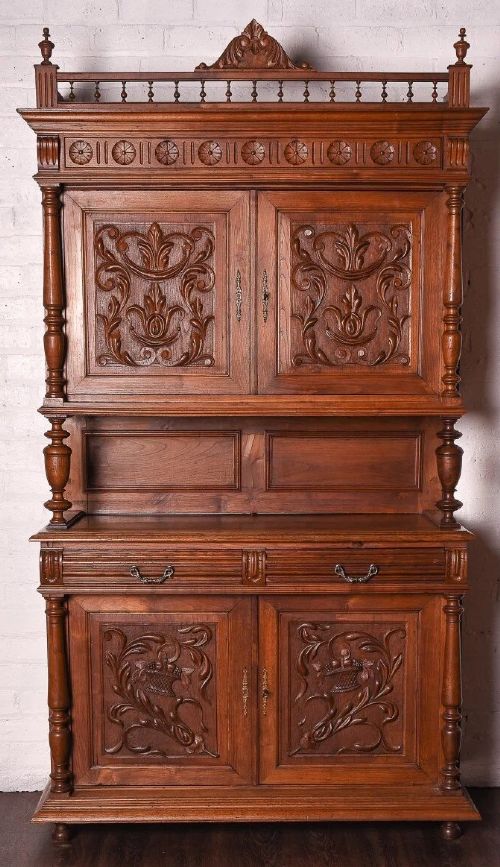
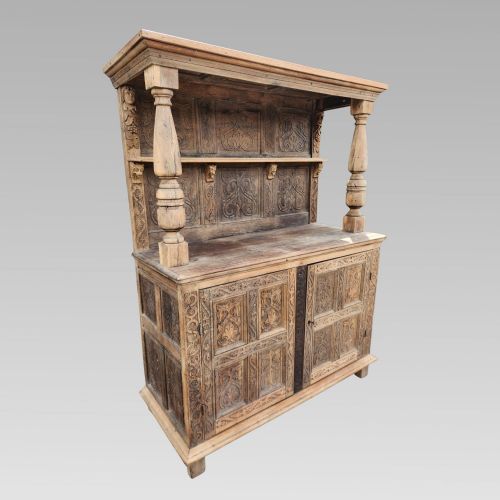
Regional variations display distinctive regional traits, such as carved game motifs, panelled chestnut construction, and closed bed front adaptations from Brittany. Buyers select these designs for practical dining room storage and authentic rustic character.
Materials and construction methods
Local cabinetmakers utilised solid regional timbers including oak, walnut, cherrywood, ash, and fruit wood, assembled with pegged mortise and tenon joints. Carved ornamentation, panelled doors, and iron or brass hardware reflect traditional rural joinery traditions.
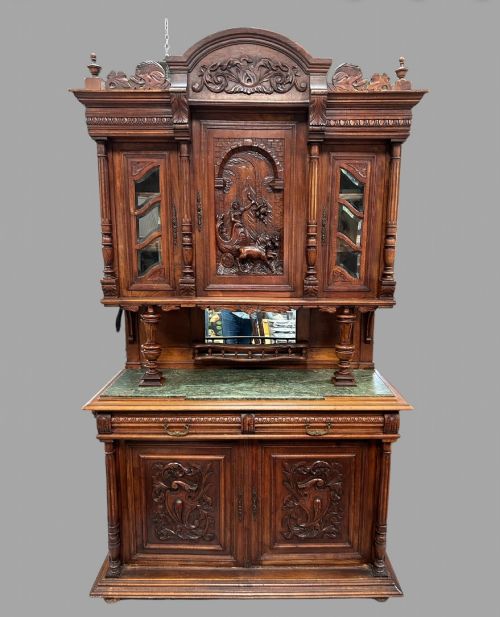
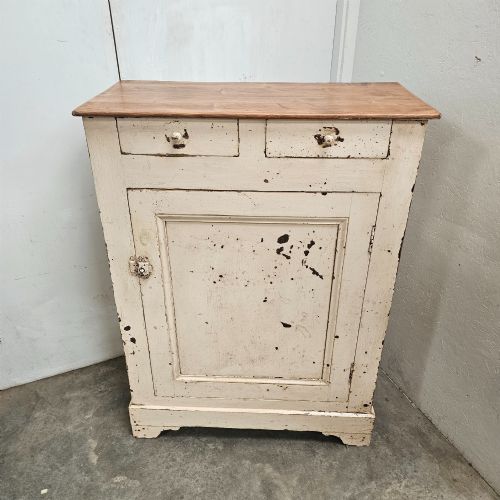
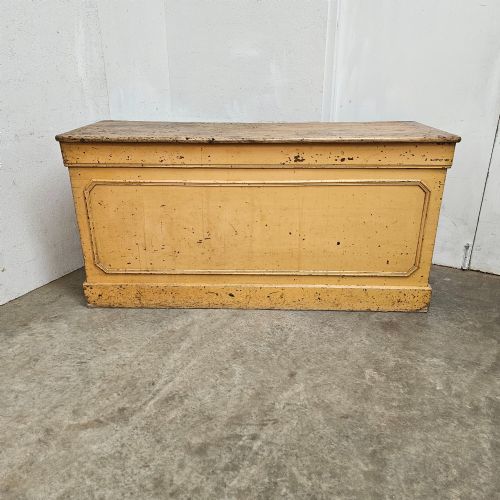
Later twentieth-century iterations incorporate marble tops, glass doors, and parquetry surfaces alongside traditional painted wood finishes. Structural integrity relies on thick timber planks designed to withstand heavy domestic use over centuries.
Listings feature eighteenth and nineteenth-century periods alongside early twentieth-century examples, constructed from oak, walnut, cherrywood, ash, and pine.
Judging quality in regional furniture
Quality depends upon the timber selection, the crispness of hand carving, and the preservation of original hardware and paint finishes. Denser hardwoods like walnut and early oak demonstrate superior structural longevity compared to softer secondary woods.
Proportion and untouched patination distinguish finer examples, particularly where original hinges, locks, and counter surfaces remain intact. Alterations to height or replaced timber panels alter the historical integrity of the piece.
Joseph Zwiener
The French Provincial Sideboard Cabinet Glossary
- Enfilade
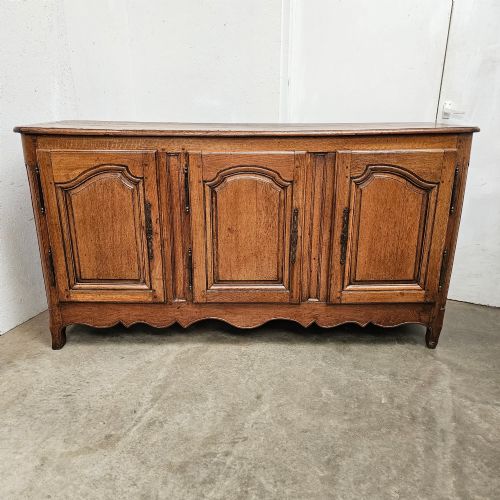
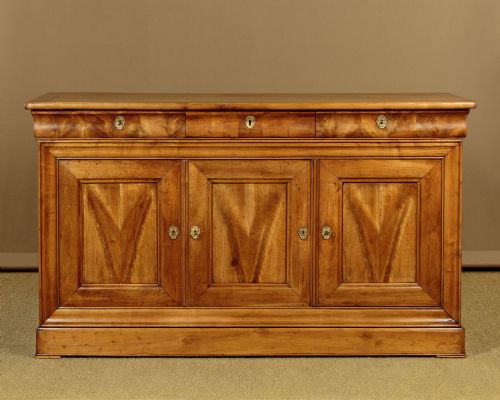
- A long sideboard with multiple doors, designed for serving food and storing dining ware in large rooms. These low rectangular cupboards often feature three or four doors along the front elevation.
- Buffet deux corps
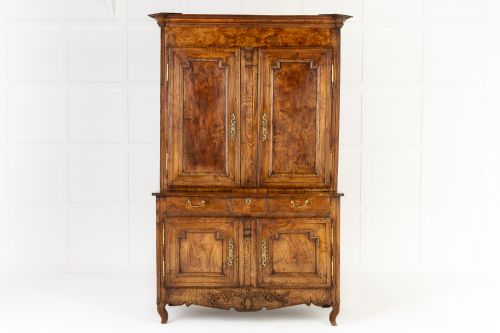
- A tall two-tier storage cabinet featuring an upper cupboard section resting upon a deeper lower sideboard base. This substantial furniture form provided maximum storage for household provisions.
- Confiturier
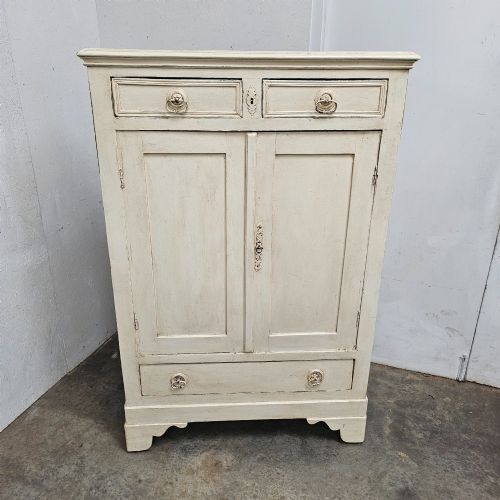
- A small single-door jam cupboard built to store preserves and kitchen provisions in provincial homes. These compact pieces typically stand at waist height with a single drawer above the cupboard door.
- Parquetry
- A geometric mosaic woodwork pattern used for decorative cabinet tops, constructed from fitted wood pieces. This technique appears on later twentieth-century interpretations of classical furniture designs.
- Commode
- A low chest of drawers or cabinet with doors, used for domestic storage in bedrooms or living spaces. The form evolved through various regional styles across the eighteenth and nineteenth centuries.
French Provincial Sideboard Cabinet: Frequently Asked Questions
How are these cabinets cleaned?
Dust timber surfaces regularly with a soft dry cloth to prevent dirt accumulation. Avoid harsh chemical cleaners that strip the historic wax or oil patination.
Nourish dry wood periodically with traditional beeswax applied sparingly and buffed gently. Marble tops require neutral stone soap and immediate wiping of acidic spills to prevent etching.
Where were these pieces used?
Rural households placed these cabinets in kitchens, dining rooms, and hallways for daily provisions and linen storage. Large buffet deux corps and enfilade models served substantial farmhouses and country estates.
Smaller confiturier cupboards and side cabinets fitted neatly into tighter domestic spaces. Today they function effectively as living room credenzas or dining room sideboards.
How do I date an antique cabinet?
Examine the construction joints, timber selection, and tool marks visible on interior panels. Hand-sawn boards and irregular pegging generally indicate eighteenth or early nineteenth-century manufacture.
Hardware styles, lock mechanisms, and secondary woods provide further chronological clues. Later additions like twentieth-century marble tops or painted finishes point to subsequent adaptations.
What is the difference between a buffet and an enfilade?
A traditional buffet is a shorter serving cabinet or cupboard, sometimes split into two vertical sections in a buffet deux corps. These formats focus on vertical stacking and enclosed upper shelving.
An enfilade extends horizontally along a wall with a continuous run of three or more doors. This elongated layout provides a wide serving surface and extensive interior base storage.