


French Provincial Cherrywood Table
These french provincial cherrywood table pieces bring honest warmth and vernacular character to a room through generations of use.
French Provincial Cherrywood Table
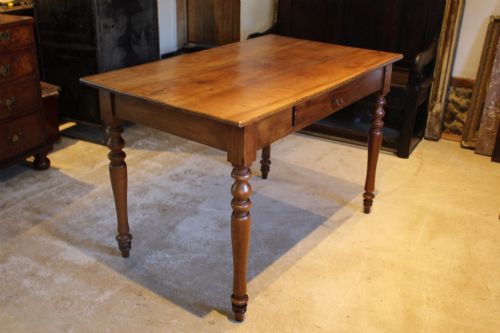
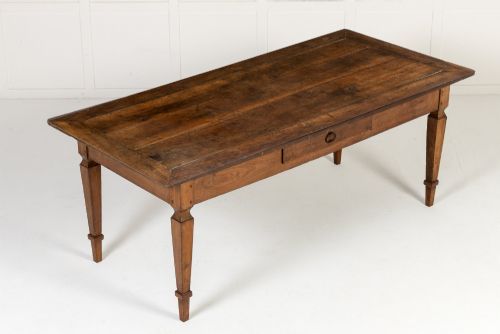
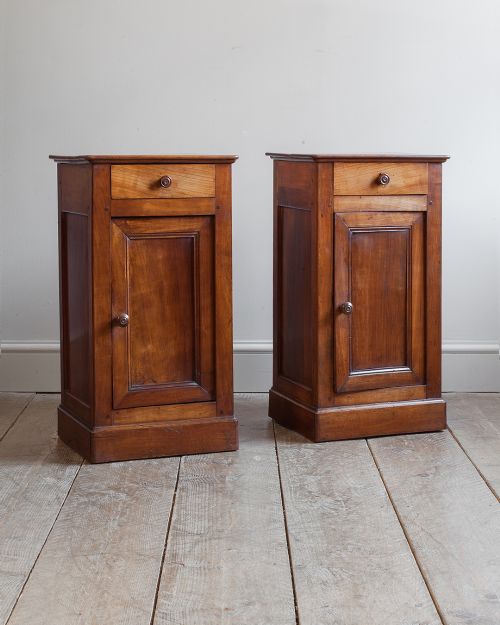
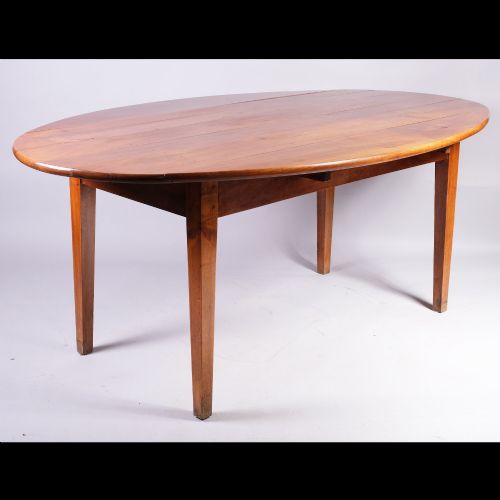
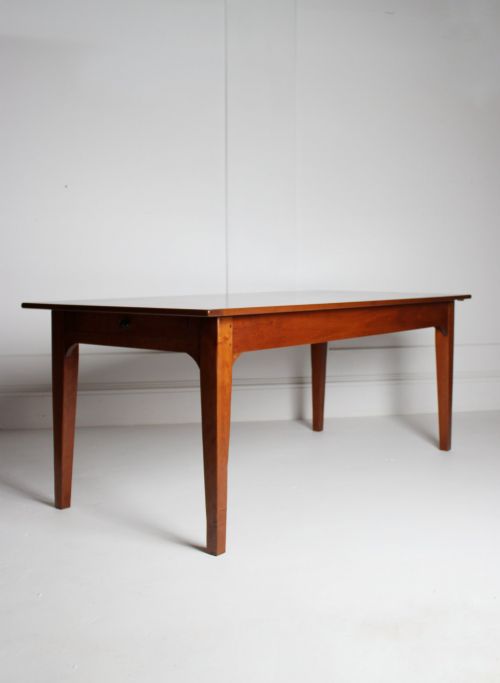
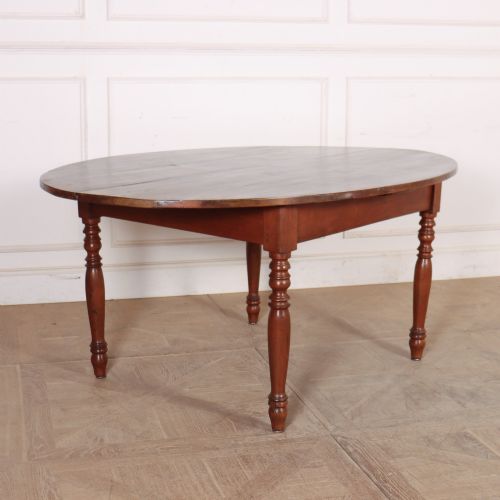
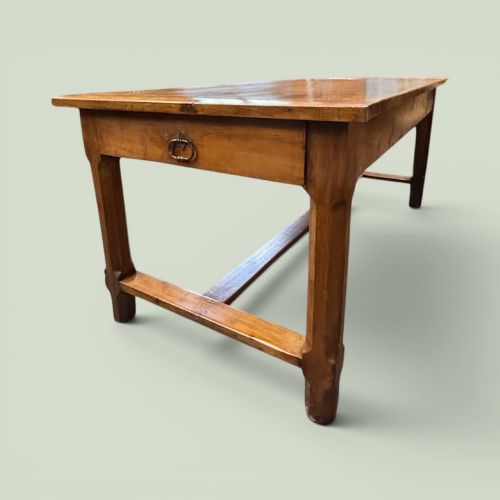
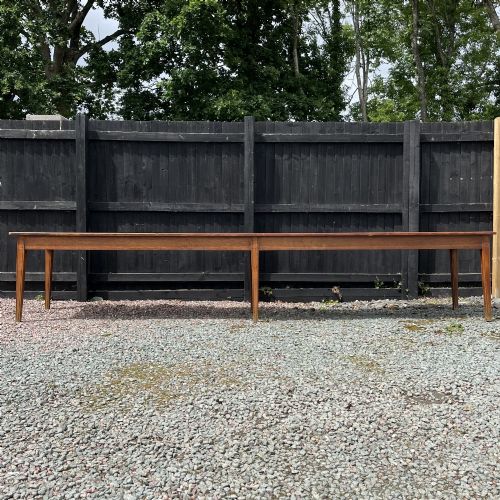
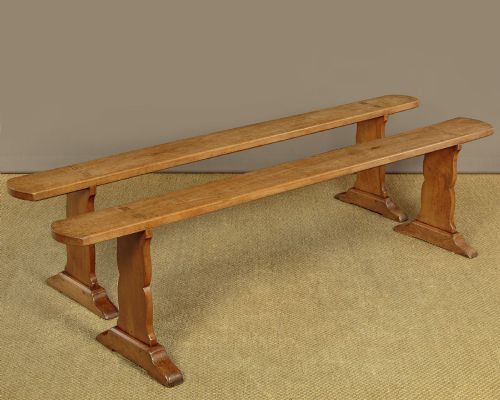
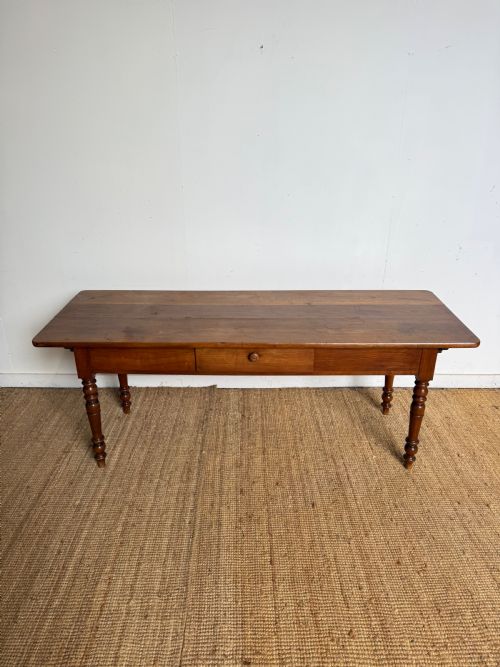
A french provincial cherrywood table spans utilitarian dining surfaces, kitchen tables, console pieces, and bedside cupboards from the eighteenth century through the Edwardian period. You will most frequently meet nineteenth-century farmhouse and refectory dining tables alongside smaller side and serving forms.
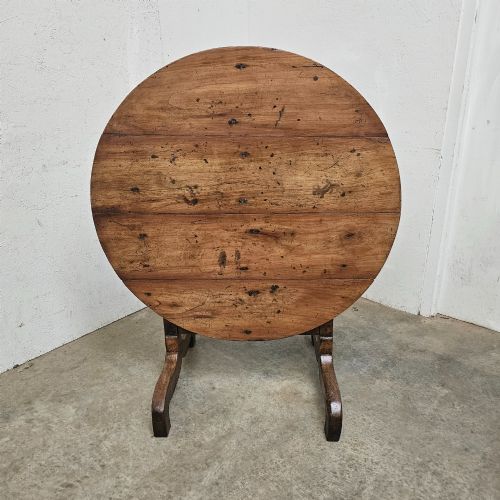
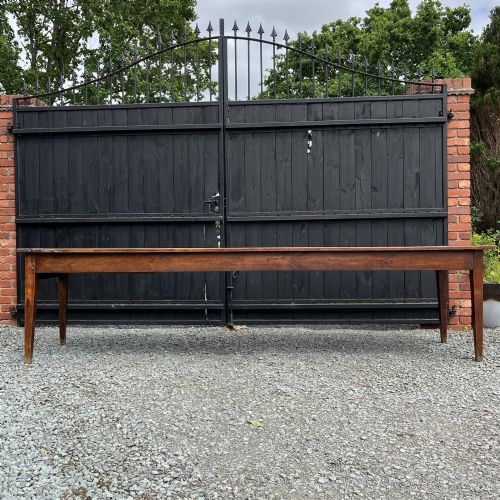
Makers in provincial regions constructed these items for daily rural domestic life rather than formal salons. Regional variations include long refectory formats, double draw leaf mechanisms, and folding vendange designs tailored to specific agricultural tasks.
Materials and construction
The primary material is solid cherrywood or fruitwood, occasionally supplemented by oak and brass hardware, timber framing, and simple metal elements. Wood selection relied on local orchard trimmings and forest stocks available to regional joiners.
Joinery methods prioritize sturdy pegged joints, breadboard ends, and plank tops built to withstand heavy daily labour. Drawer additions utilise hand-cut dovetails, while specific models incorporate sliding bread boards, candle shelves, and cabriole legs.
Some nineteenth-century bedside tables include a dedicated pull-out shelf specifically designed to hold a flickering candle safely.
What separates the grades
Quality rests on the depth of the timber's natural patina, the integrity of the original joints, and the balance of proportions. Tables displaying uncompromised surface wear and rich colour sit well above pieces stripped down to raw modern wood.
Refinement in leg shaping, such as fluid cabriole forms versus plain straight supports, distinguishes standard utility pieces from finer manor house commissions. Original working elements like sliding bread boards and integrated drawers retain higher value.
The French Provincial Cherrywood Table Glossary
- Cabriole leg
- A furniture leg that curves outward and then tapers inward, mimicking an animal's leg. This form appears frequently on provincial dining and bedside tables from the period.
- Bread slide
- A pull-out wooden board mounted beneath the table top. Historically utilised for slicing bread or expanding workspace in compact kitchens.
- Refectory table
- A long, narrow dining table originally built for communal dining halls. Provincial variants often feature generous lengths suited to farmhouse kitchens.
- Fruitwood
- A collective term for timber sourced from fruit-bearing trees such as cherry. It yields a warm tone that deepens significantly with age.
- Vendange table
- A folding table designed for grape harvest work. These specialist pieces fold flat for storage between seasonal agricultural demands.
French Provincial Cherrywood Table: Frequently Asked Questions
How do I clean my cherrywood table?
Dust regularly with a soft, dry cloth to prevent surface grit accumulation.
Avoid chemical polishes and moisture, applying natural beeswax occasionally to nourish the timber.
Are these tables suitable for daily dining?
These items were built for robust daily use in farmhouses and kitchens.
Their solid construction handles regular family meals while developing a richer patina over time.
What is a bread slide used for?
The sliding board extends the surface area of the table instantly.
Historic kitchens used this feature for food preparation before tucking the panel back out of sight.
How can I tell an older table apart?
Examine the joints for hand-cut pegging, dovetailing, and tool marks rather than modern screws.
Surface wear patterns and the depth of the cherry patina also indicate considerable age.