


French Provincial Brass
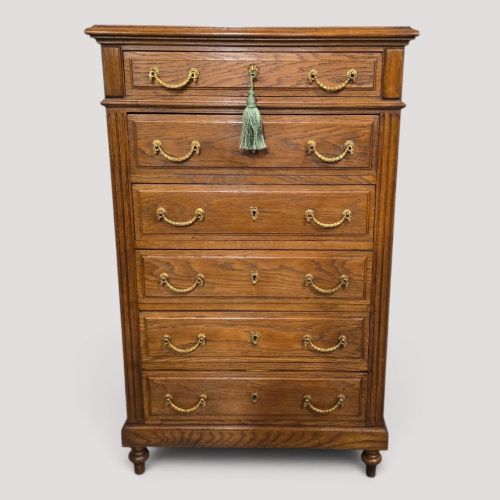
French provincial brass brings together robust country furniture and warm metal mounts, offering heavy brass handles, escutcheons, and lighting.

French Provincial Brass
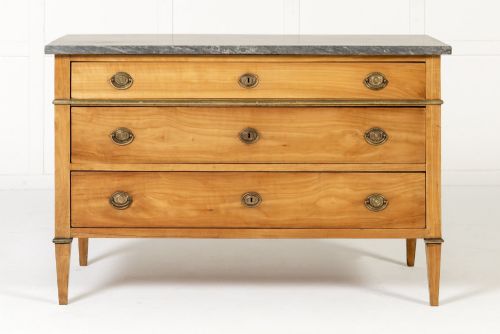
Buyers encounter 18th-century commodes alongside 19th-century lighting and later revival pieces. The selection bridges heavy wooden storage and decorative chandeliers or wall lights.
Materials and technique
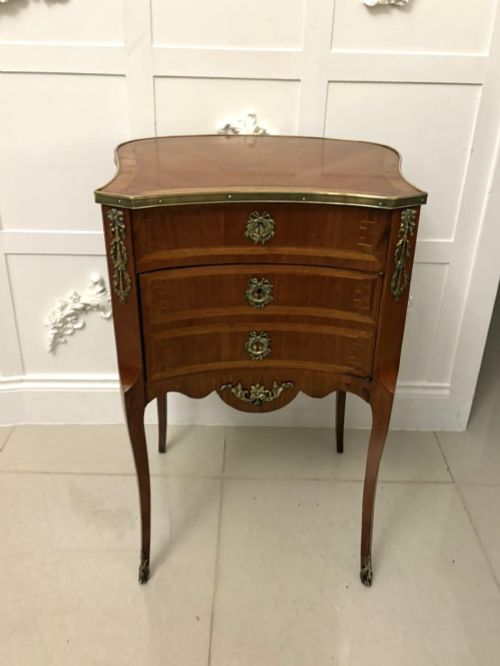
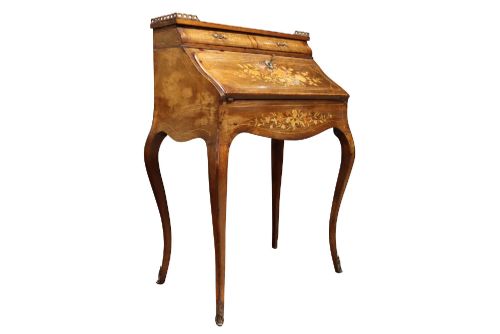
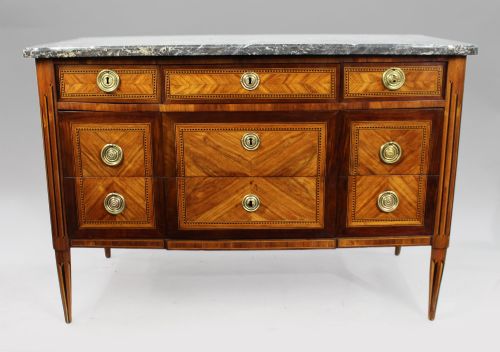
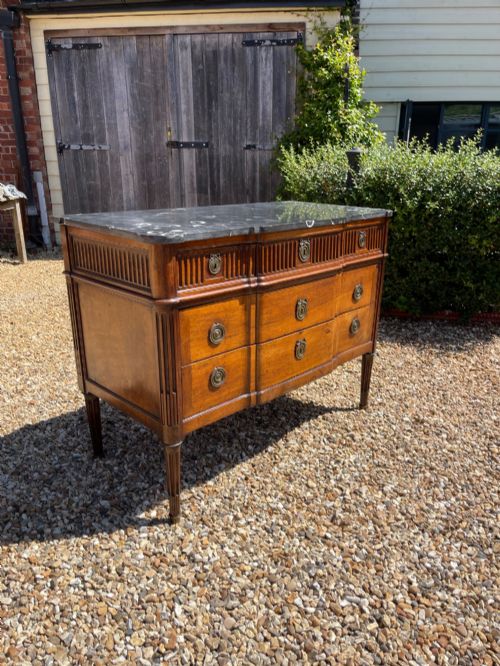
Cabinetmakers used solid timbers like oak, walnut, fruitwood, and cherrywood for structural carcases, frequently incorporating marquetry or parquetry inlays. Surfaces often paired with marble tops.
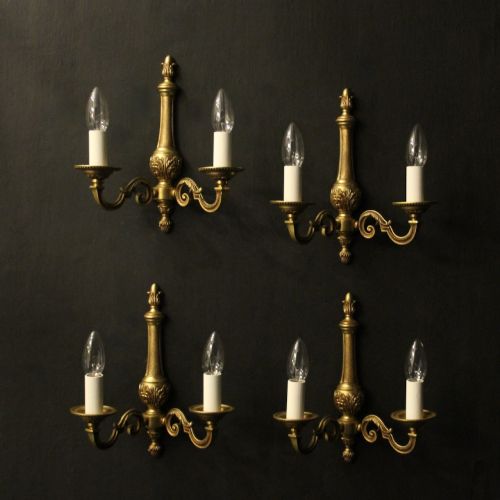
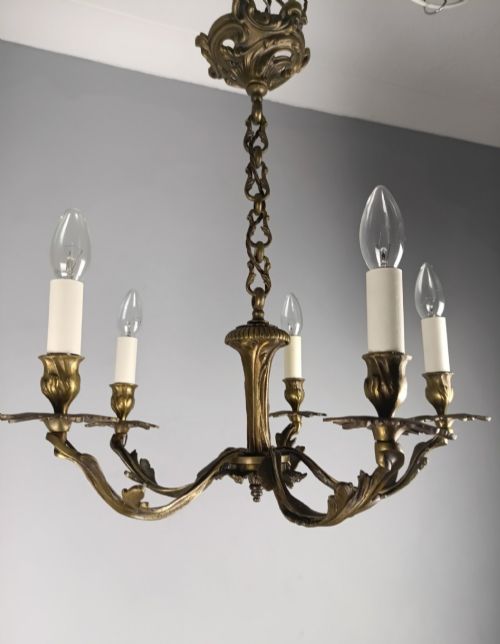
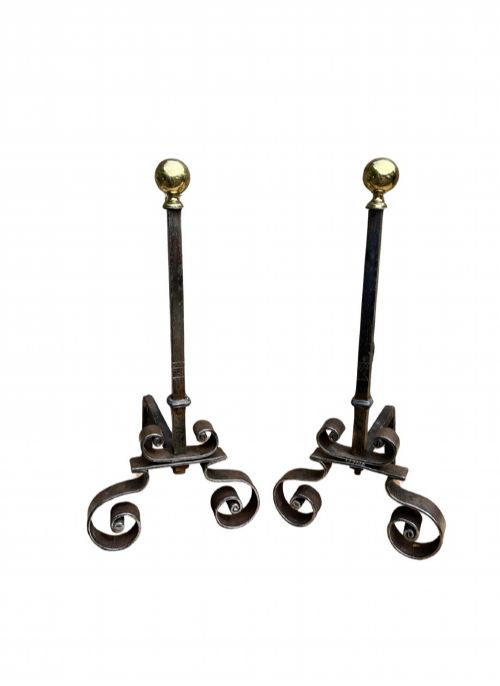
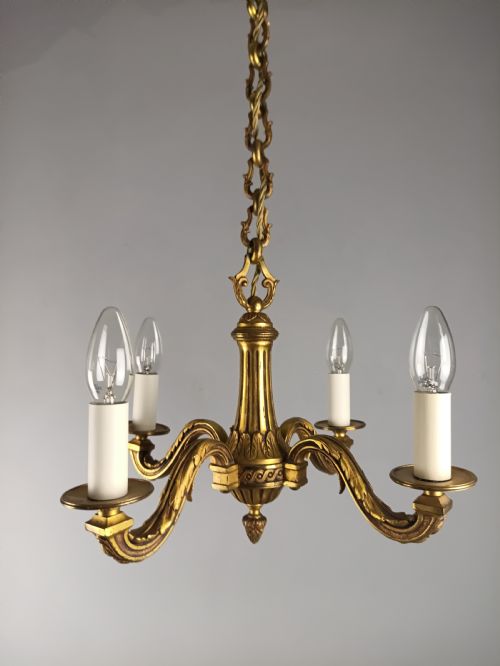
Metal components relied on casting and chasing techniques for brass handles, escutcheons, fire dogs, and chambersticks, while chandeliers combined bronze or brass frames with glass and crystal elements.
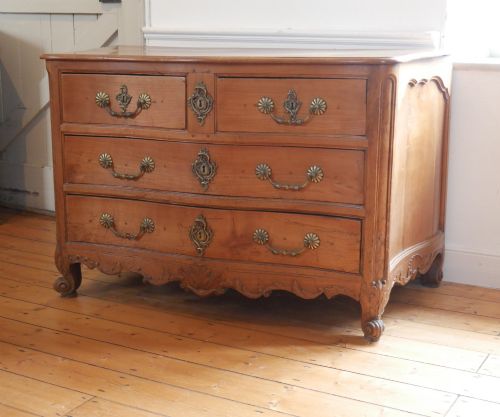
Listings combine 18th-century walnut and cherrywood commodes with 19th-century bronze chandeliers and cast brass chambersticks.
What separates the range
Construction methods determine distinction, separating simple pegged joints and plain timber from intricate marquetry work and finely shaped serpentine fronts. The integration of original cast brass mounts against timber elevates a piece.
Lighting quality depends on the weight of the bronze or brass framework and the clarity of any accompanying crystal teardrops or coloured glass drops.
Dubois of Lyon
The French Provincial Brass Glossary
- Commode
- A French chest of drawers or low cabinet. These pieces often feature marble tops and decorative brass handles.
- Escutcheon
- A protective plate surrounding a keyhole. On provincial furniture, these are frequently punched or cast in brass.
- Marquetry
- Inlay work using various coloured woods to form decorative patterns. This technique appears on cabinet surfaces alongside brass mounts.
- Chamberstick
- A small portable candleholder with a pan and handle. These items are typically cast in brass.
French Provincial Brass: Frequently Asked Questions
What is french provincial brass?
French provincial brass refers to regional French furniture fitted with brass hardware, alongside cast brass lighting fixtures.
Items range from 18th-century walnut commodes with original mounts to later chandeliers and chambersticks.
How were commodes used?
Commodes served primarily as bedroom or parlour storage for clothing and linens.
The heavy timber carcase protected contents while the flat top often displayed decorative objects.
How do I date a piece?
Dating relies on timber selection, construction joints, and stylistic markers such as Louis XV serpentine lines or earlier provincial simplicity.
Brass mounts and handles also reflect the manufacturing period of the hardware.
How do I care for brass?
Brass mounts and chandeliers require gentle dusting with a soft cloth to preserve the metal surface.
Avoid harsh chemical polishes that strip historical patination from cast handles and escutcheons.