

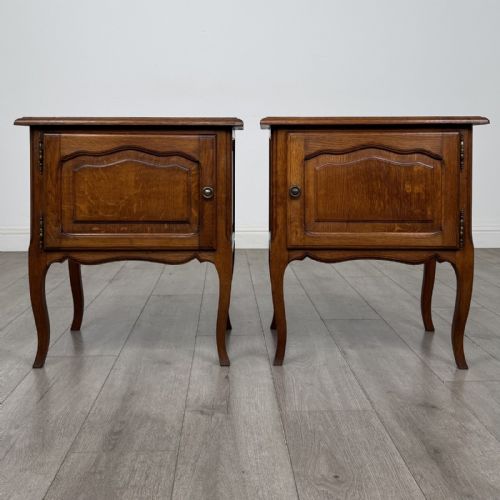
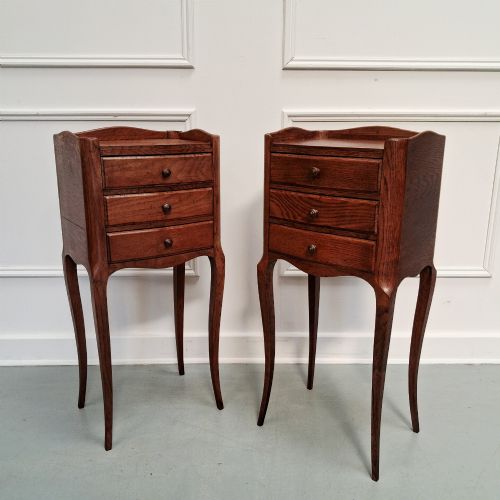
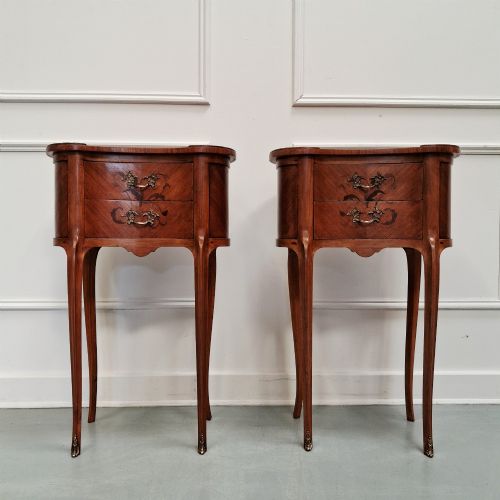
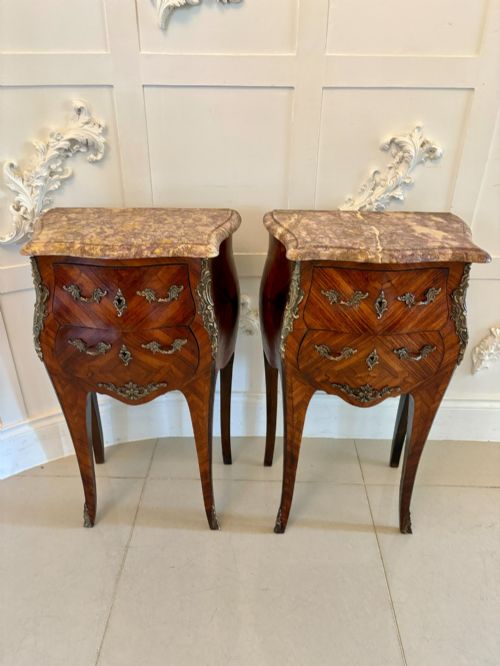


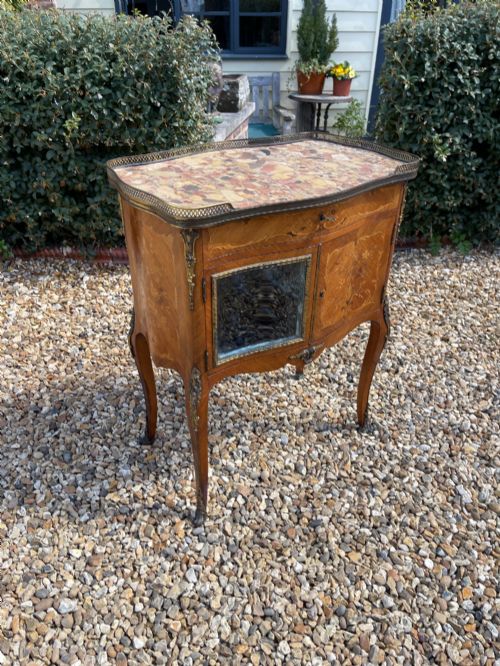
French Provincial Bedside Cupboard
A French provincial bedside cupboard offers practical bedside storage disguised in regional classicism, bringing authentic continental character to a bedroom.
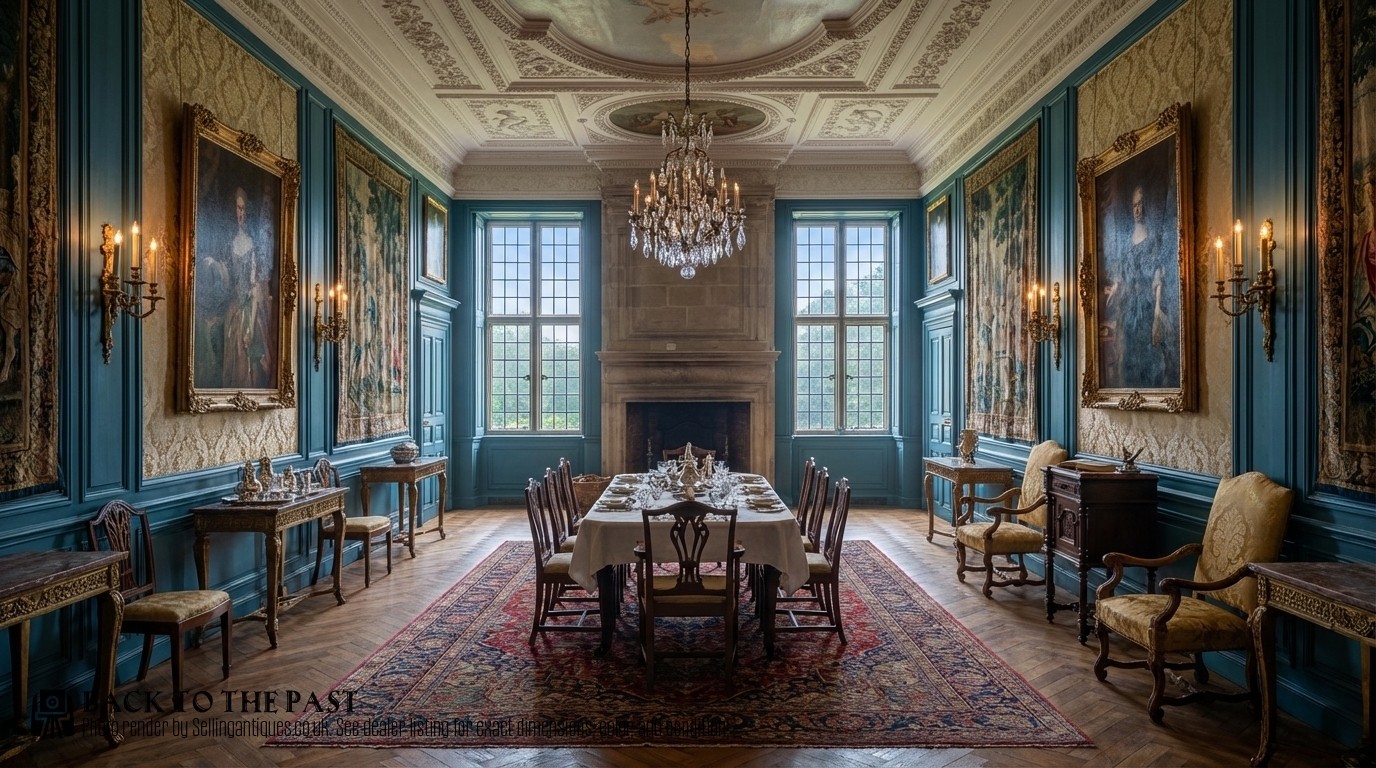
French Provincial Bedside Cupboard
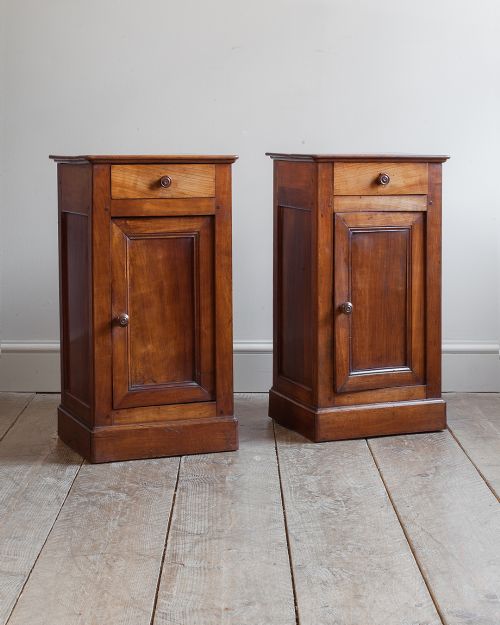
A french provincial bedside cupboard is a compact piece of bedroom furniture designed to sit beside a bed, housing small items behind doors or within drawers. The pieces seen here emerge from various periods including the nineteenth century, Edwardian era, and the early twentieth century, reflecting enduring regional designs.
Origins trace primarily to French provincial and chateau traditions, encompassing Louis styles alongside Art Deco interpretations. These items function equally well as lamp stands or freestanding side tables in modern spaces.
How they were made
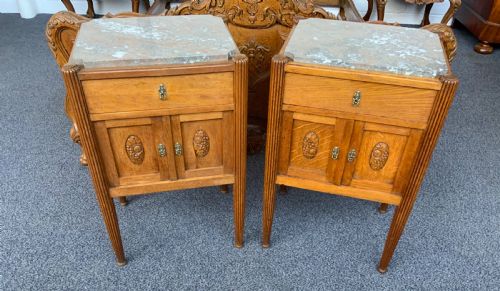
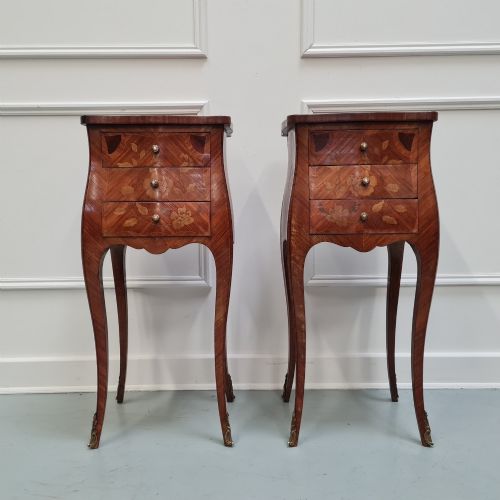
Construction relies heavily on traditional timbers such as walnut, oak, cherrywood, kingwood, and mahogany, sometimes enhanced by parquetry or floral marquetry. Artisans utilised brass for hardware accents and integrated stone elements like Belgian Sainte-Anne marble or standard marble for durable, decorative table surfaces.
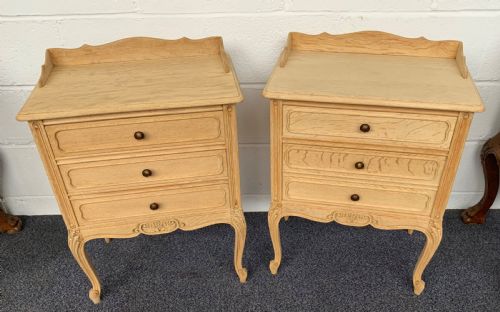
Techniques range from carved detailing and barley twist turnings to painted and gilded finishes. Bleached oak treatments and inlaid patterns further demonstrate the varied cabinet-making methods applied across different decades.
French Provincial Bedside Cupboard Retail Price Guide 2026
Typical asking prices for french provincial bedside cupboard among the pieces listed under this phrase on Sellingantiques today, from the lower quarter to the upper quarter. They describe what is for sale here now, not the wider market.
Period origins span from the nineteenth century through the Edwardian era and into nineteen-thirty Art Deco designs.
What varies in quality
Quality rests upon the selection of timber and the precision of surface decoration, such as intricate floral marquetry or crisp wood carving. Superior examples feature well-matched grain patterns and tightly fitted marble tops rather than generic assemblies.
The sophistication of the silhouette defines the upper tier, where balanced proportions and refined hardware distinguish individual items. Consistency within matched pairs also elevates the desirability of the piece.
The French Provincial Bedside Cupboard Glossary
- Marquetry
- Decorative patterns formed by fitting together small pieces of veneered wood. This technique creates complex pictorial or geometric designs on tabletops and cabinet doors.
- Parquetry
- Geometric mosaic woodwork used for floors and cabinet surfaces. It relies on symmetrical patterns arranged with distinct timber blocks.
- Demi lune
- Half-moon shape used for small tables and cabinets. This curved front design fits snugly against bedroom walls.
- Barley twist
- A type of turning resembling a twisted rope. It appears frequently on the vertical supports of night tables.
- Sainte-Anne marble
- A distinctive dark limestone marble variety originating from Belgium. It provides a heavy, polished surface top for select cabinets.
French Provincial Bedside Cupboard: Frequently Asked Questions
How do I use a bedside cupboard?
These cabinets serve beside a bed to hold nighttime essentials like reading lamps, books, and small personal items. The enclosed storage keeps clutter out of sight while the surface supports everyday objects.
In larger rooms, they function effectively as independent side tables or lamp stands in hallways and living areas.
Are these cupboards sold in pairs?
Many listings feature matching pairs, which suits the traditional arrangement of placing identical cabinets on both sides of a bed. Single pieces also appear frequently for asymmetrical bedroom layouts.
Matching sets often share identical wood tones, marble tops, and carving details from the same period.
What materials are used for the tops?
Many cabinets feature fitted marble slabs, including Belgian Sainte-Anne variants, providing a smooth and resilient surface for lamps and water jugs. Other versions utilise polished wood tops matching the primary cabinet timber.
Selected pieces incorporate parquetry or marquetry directly into the upper wooden surface.
How do I distinguish different periods?
Nineteenth-century examples often showcase heavier carved walnut or cherrywood with traditional regional proportions. Pieces from the nineteen-twenties and nineteen-thirties frequently introduce Art Deco geometry, bleached oak finishes, or lighter parquetry work.
Stylistic cues like Louis XV curves or straight neoclassical lines help pinpoint the design era.