

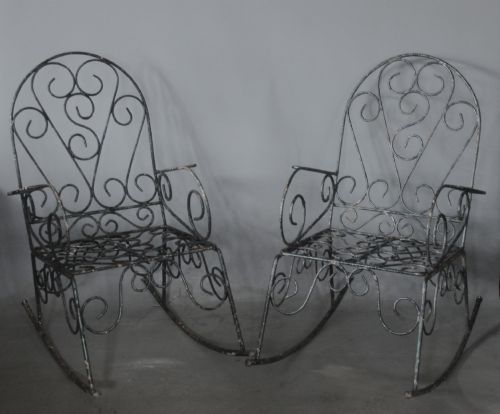


French Patio Chairs
These French patio chairs bring enduring charm to any terrace, offering robust metal construction and classic continental styling for outdoor dining and relaxing.
French Patio Chairs
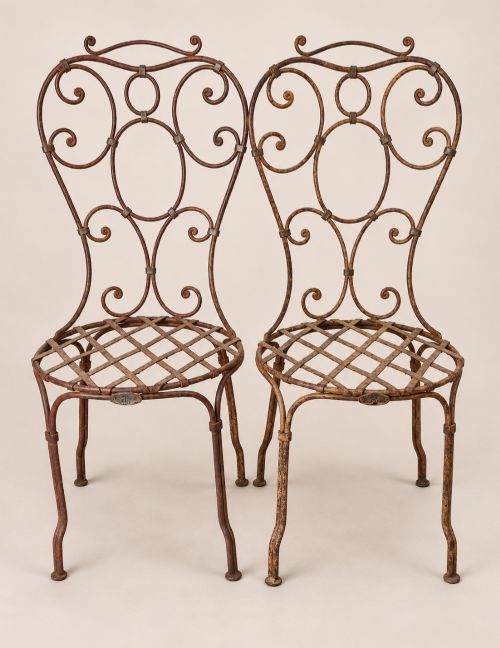
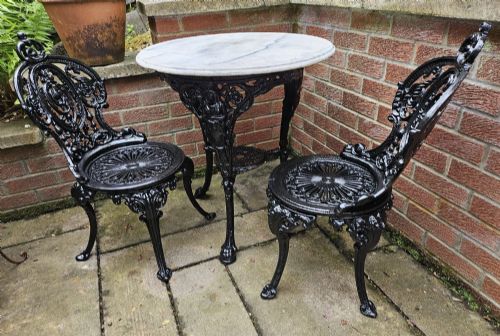
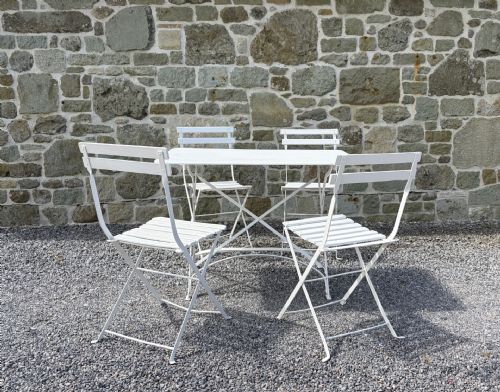
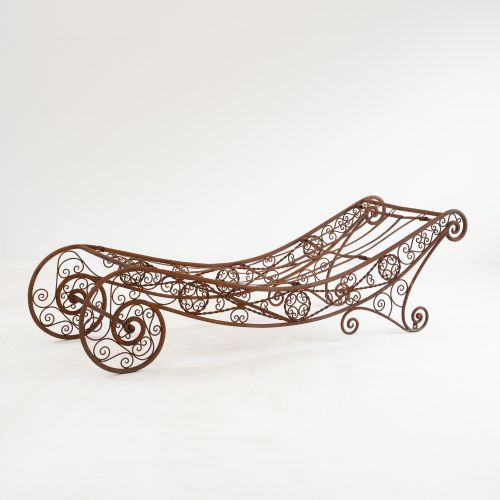
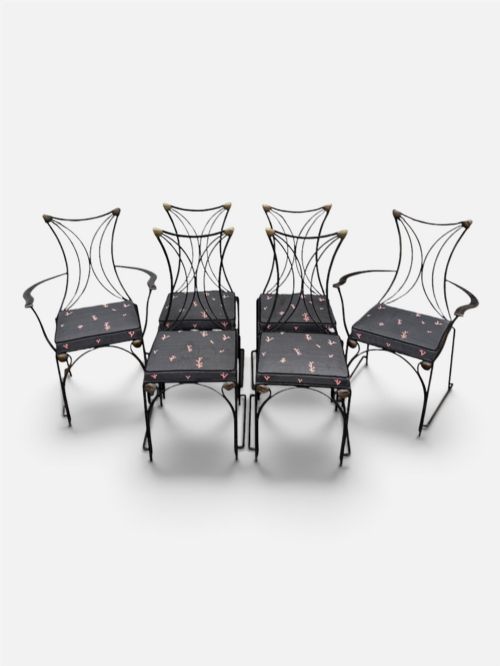
French patio chairs encompass a diverse range of outdoor seating forms, from simple folding bistro chairs to ornate dining sets with brass shell details. These pieces combine utility with decorative metalwork, reflecting periods spanning the nineteenth century through the mid-twentieth century.
Origins trace across various historic eras including the Edwardian and Regency periods, alongside robust examples from the nineteen-twenties and nineteen-thirties. Pieces often incorporate complementary materials like marble and wood to enhance their functional appeal.
Materials and construction
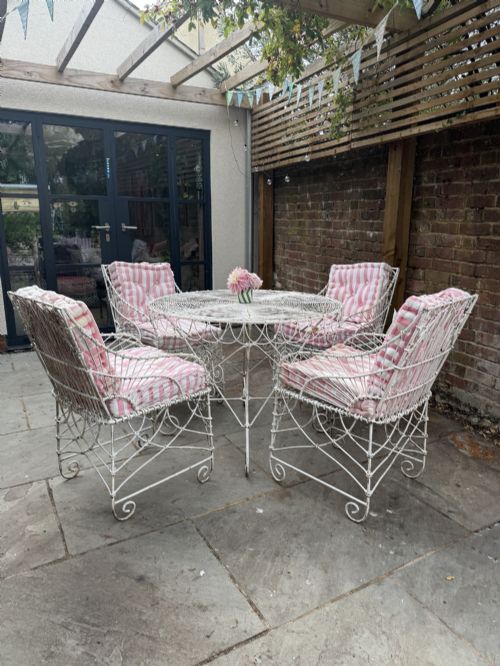
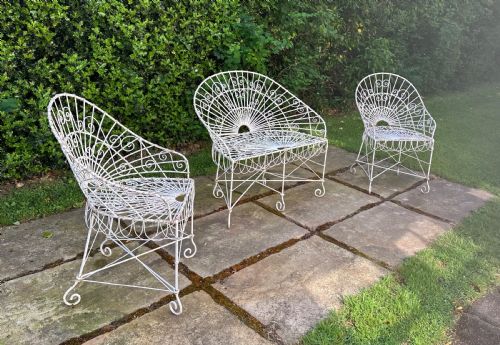
Makers utilised durable metals such as wrought iron and cast iron to shape sturdy frames capable of withstanding outdoor conditions. These foundational elements often appeared alongside wirework techniques to create intricate openwork patterns on seats and backs.
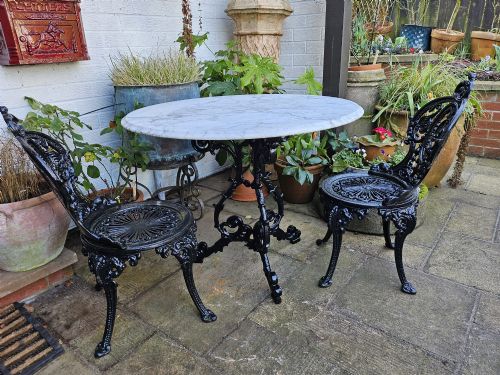
Surfaces frequently incorporated contrasting elements, pairing metal structures with wooden slats, zinc table tops, or smooth marble surfaces. Fabric elements and brass shell details occasionally added decorative refinement to structural frameworks.
French Patio Chairs Retail Price Guide 2026
Typical asking prices for french patio chairs among the pieces listed under this phrase on Sellingantiques today, from the lower quarter to the upper quarter. They describe what is for sale here now, not the wider market.
Some chairs come with brass shells for when you fancy feeling like a French crustacean at dinner.
Factors of quality
The standard of workmanship is visible in the complexity of the metal manipulation, such as detailed shell motifs or gothic design influences. Superior examples display careful integration of mixed materials, like fitted marble tops or solid wood components.
Structural integrity and the preservation of original metal patination distinguish finer examples from standard utilitarian seating. The presence of matching sets, benches, or daybeds elevates the architectural significance of the grouping.
The French Patio Chairs Glossary
- Wrought iron
- A tough, malleable form of iron that can be heated and hammered into decorative scrolls and slender structural shapes. This material is resilient enough for prolonged outdoor use.
- Cast iron
- Iron poured into a mould to create rigid, highly detailed components and heavy structural frames. It allows for ornate decorative patterns like gothic motifs.
- Wirework
- A technique using intertwined metal wires to construct lightweight, permeable garden furniture surfaces. Victorian examples often showcase complex geometric patterns.
- Bistro set
- A small table accompanied by matching chairs, designed for compact outdoor dining spaces. These sets originated outside Parisian cafes.
- Patination
- The surface sheen and colour acquired by metal, wood, or stone through age and exposure. It serves as an indicator of authenticity.
French Patio Chairs: Frequently Asked Questions
Can French patio chairs stay outside all year?
Most metal garden furniture withstands outdoor conditions well, though severe winter frost can affect older or mixed-material pieces. Storing them during harsher months helps preserve their structural integrity.
Protective covers or indoor shelter during damp periods prevent unnecessary wear on wooden elements and delicate brass details.
How do I clean antique iron garden furniture?
Gentle brushing removes loose debris and surface dust without damaging the underlying metal patination. Mild soapy water handles basic grime on durable iron surfaces.
Harsh chemical cleaners and abrasive scrubbing tools should be avoided to protect historic finishes and prevent corrosion.
How do I identify the period of these chairs?
Stylistic markers, such as Art Deco geometric lines or Victorian wirework patterns, provide initial clues to a piece's era. Construction methods and material combinations also reflect the manufacturing standards of specific decades.
Comparing structural details against documented designs helps narrow down the timeframe from nineteenth-century origins to mid-century modern pieces.
Are folding bistro chairs stable enough for daily use?
Historic folding mechanisms were engineered for regular commercial and domestic service in continental cafes. Their hinged joints allow for practical storage while maintaining reliable support.
Checking the pivot points and locking mechanisms ensures the frame remains secure during everyday seating.