


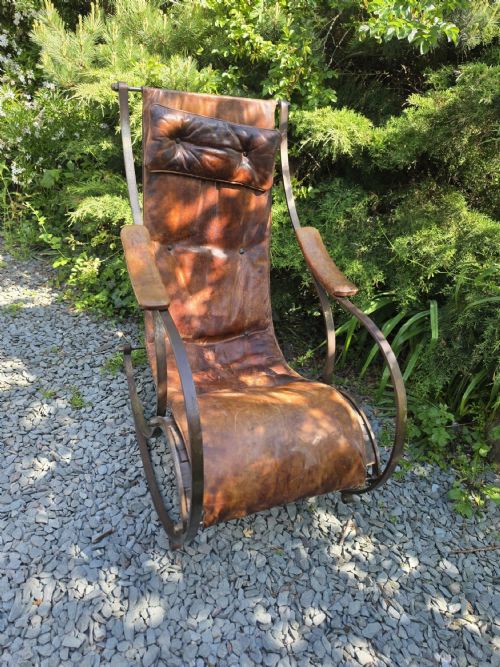


19th Century Iron Chairs
These 19th century iron chairs combine heavy industrial utility with domestic seating, offering durable frameworks shaped by period metalwork techniques.
19th Century Iron Chairs
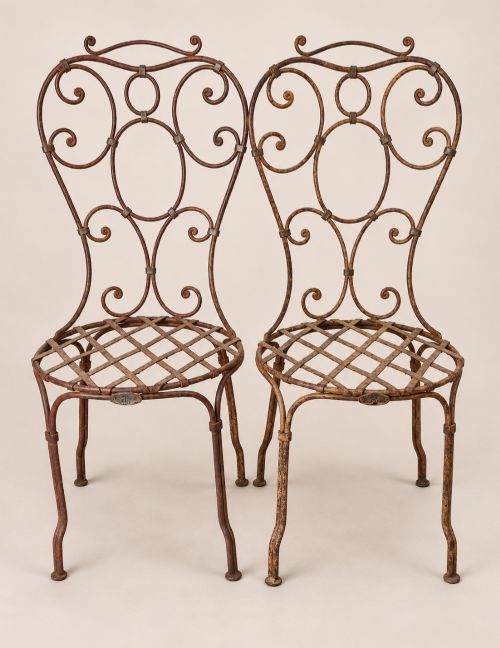
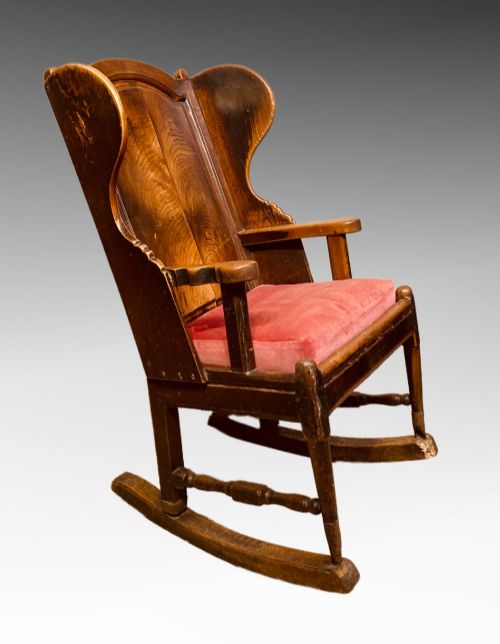
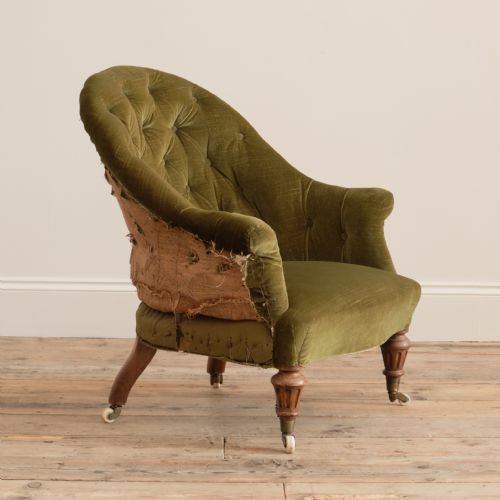
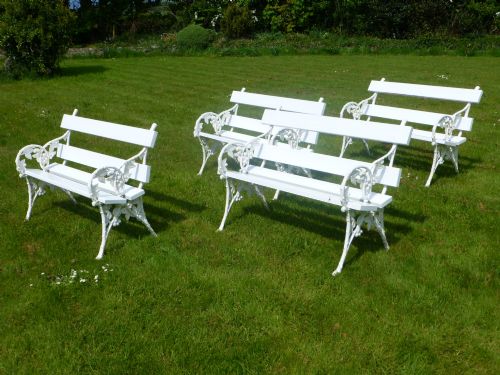
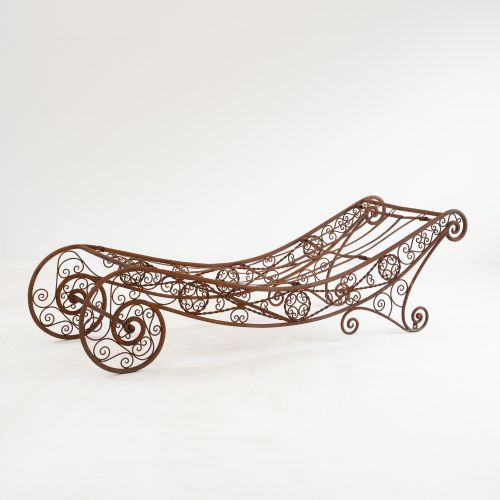
When you search for 19th century iron chairs, you encounter a robust selection of seating spanning multiple domestic and garden forms. The inventory ranges from interior fireside rockers and button-backed armchairs to heavy outdoor garden benches, sets, and daybeds.
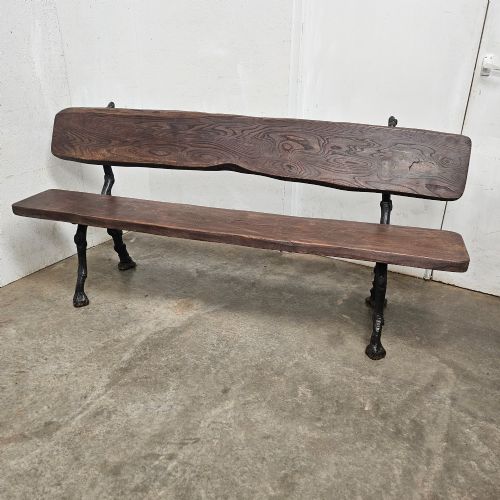
You are most likely to meet pieces that integrate iron with timber seats or frames, such as elm elements paired with wrought iron or cast iron components. These designs bridge the gap between interior comfort and outdoor resilience.
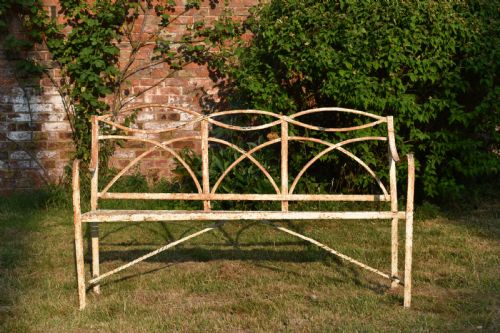
The styles recorded across these items stretch from Regency strapwork and Georgian vernacular pieces to Victorian industrial designs and French country seating. Makers utilised both cast and wrought iron to achieve varying degrees of decorative scrollwork and structural rigidity.
How they were made
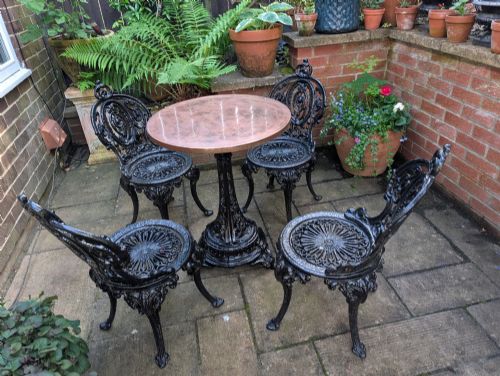
Makers constructed these chairs primarily using cast iron for intricate ornamental parts, such as blackberry and leaf motifs, poured into moulds to create detailed relief patterns. Wrought iron was hammered and shaped for structural components requiring greater tensile strength.
Many interior examples combine iron frames with timber elements like elm, alongside upholstery materials such as leather, velvet, and fabric. Garden sets frequently incorporate wirework and durable metal alloys suited for exterior exposure.
19th Century Iron Chairs Retail Price Guide 2026
Typical asking prices for 19th century iron chairs among the pieces listed under this phrase on Sellingantiques today, from the lower quarter to the upper quarter. They describe what is for sale here now, not the wider market.
Listings feature periods ranging from the Georgian and Regency eras through to Victorian, Edwardian, and specific dates in the nineteenth century.
What varies in quality
The distinction between standard utility items and finer examples rests in the crispness of the cast ornamentation and the integration of mixed materials. Foundry marks and named makers denote higher production standards.
Comfort and structural integrity also separate pieces, where interior armchairs feature button-backed upholstery and timber elements that complement the cold metal framework.
Falkirk foundry·The Rotherham·R W Wingfield
The 19th Century Iron Chairs Glossary
- Wrought iron
- Iron that has been heated and hammered into shape by hand, resulting in a fibrous structure with high tensile strength. This material resists snapping under stress, making it ideal for slender structural supports.
- Cast iron
- Molten iron poured into a mould to take on complex decorative shapes and patterns. This technique allows for mass production of ornate botanical motifs and heavy bench ends.
- Strapwork
- A decorative style utilising flat, interlaced bands resembling leather straps or ribbons. In garden furniture, this appears as rhythmic openwork patterns across iron backs and seats.
- Faux bois
- An artistic imitation of wood grain applied to other materials like metal or concrete. In iron benches, metal is shaped and textured to mimic the natural knots and bark of timber.
- Wirework
- Metal strands bent and welded into intricate open mesh patterns. This technique creates lightweight yet sturdy garden tables and chairs popular in the later decades of the period.
19th Century Iron Chairs: Frequently Asked Questions
Are 19th century iron chairs comfortable?
Interior armchairs and rocking chairs often include upholstered button-backed padding, leather, or elm seats designed for prolonged indoor sitting. Garden chairs rely on ergonomic metal curves or wooden slats to provide support without cushions.
Outdoor sets are built for durability rather than soft lounging, though adding weather-resistant cushions easily softens the iron framework for extended garden dining.
Can I leave iron garden chairs outside?
Most pieces constructed from cast and wrought iron are designed to withstand outdoor environments. Over time, exposure to moisture develops a protective patina that prevents deep corrosion.
Protecting intricate wirework or painted finishes during harsh winter months helps preserve the structural integrity and decorative surface of the metal.
How do I distinguish Regency from Victorian iron chairs?
Regency pieces typically display neoclassical restraint, featuring geometric strapwork and clean lines inspired by classical antiquity. Victorian designs often embrace heavier ornamentation, incorporating naturalistic motifs like leaves and berries.
Industrial Victorian examples also introduce more robust frames and specialised forms, such as dentist chairs or wirework sets.