




Antique French Garden Chairs
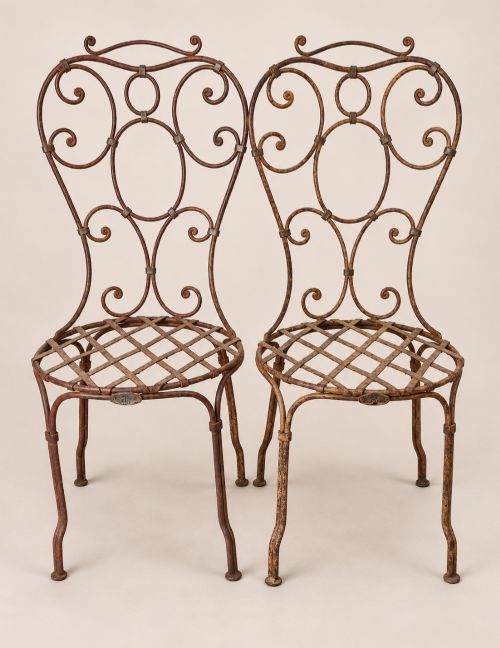
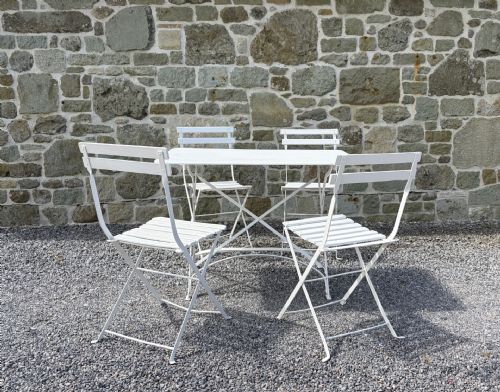
These antique french garden chairs bring enduring metalwork and timber into outdoor spaces, offering robust seating shaped by decades of weathering.
Antique French Garden Chairs
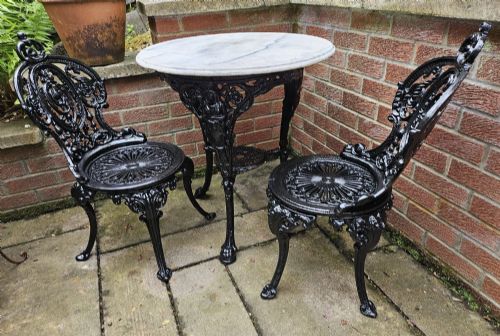
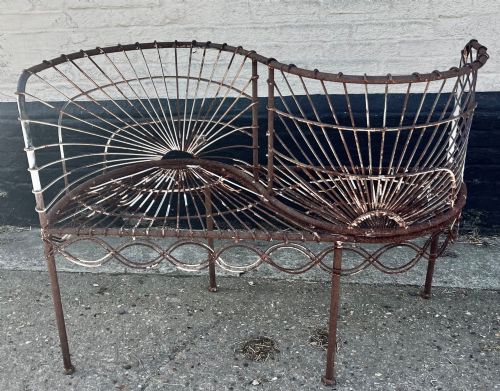
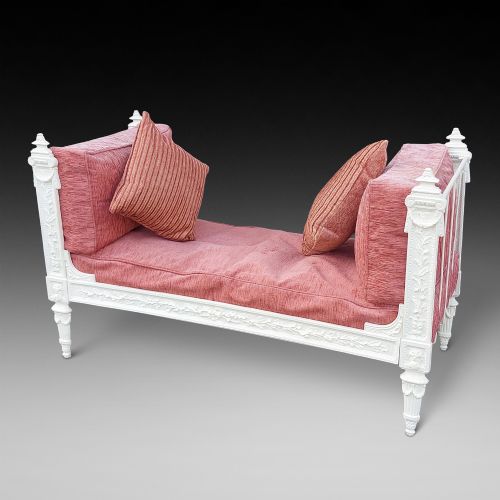
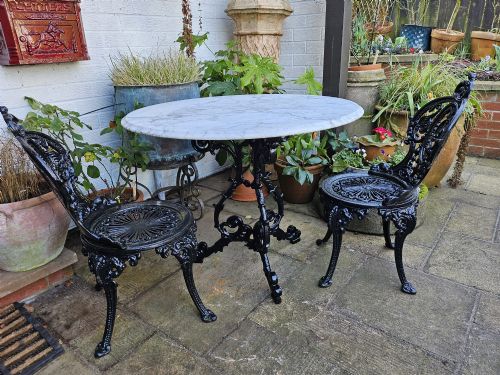
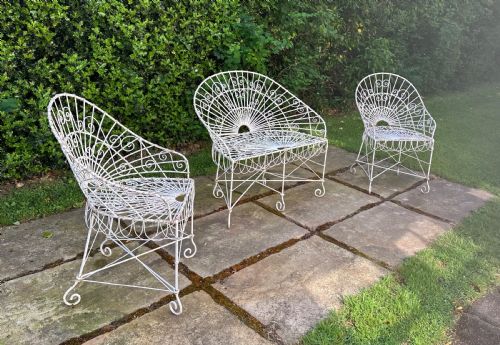
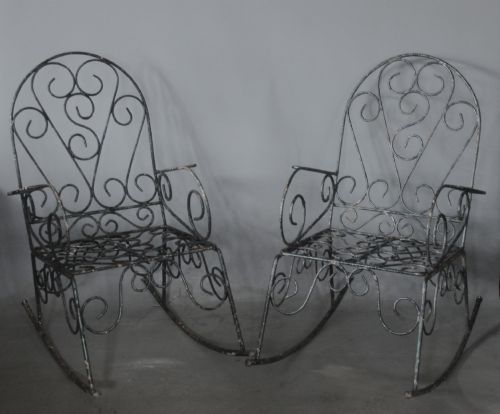
Antique french garden chairs encompass functional outdoor seating formed from durable metals and woods, frequently appearing alongside matching tables, daybeds, and benches. Buyers searching for antique french garden chairs encounter forms ranging from simple folding designs to elaborate conversation seats and rocking chairs.
The selections span distinct periods including the nineteenth century, Victorian era, Edwardian period, Regency, and early decades of the twentieth century. Common stylistic expressions include French country, bistro, chateau, and wirework variations.
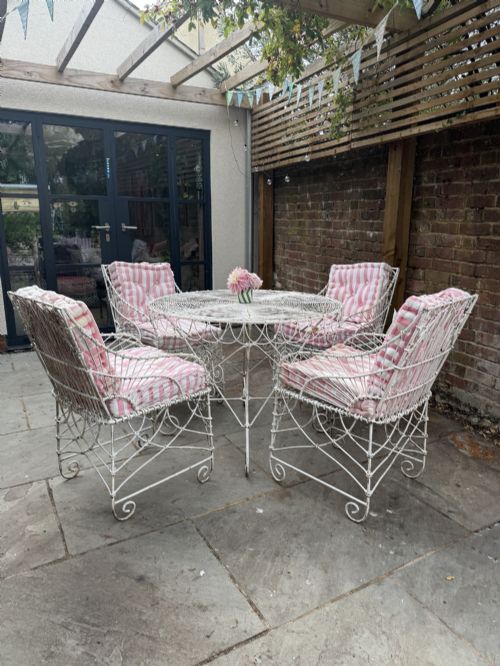
Pieces frequently emerge as individual examples, pairs, or complete dining sets complete with tables and multiple chairs. Construction often combines utilitarian iron frameworks with decorative touches suited to terraces and lawns.
Materials and construction methods
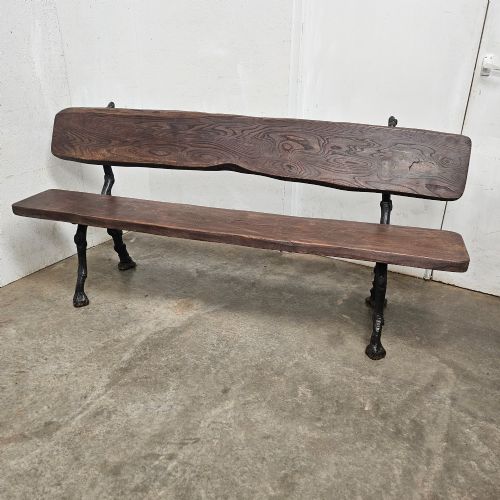
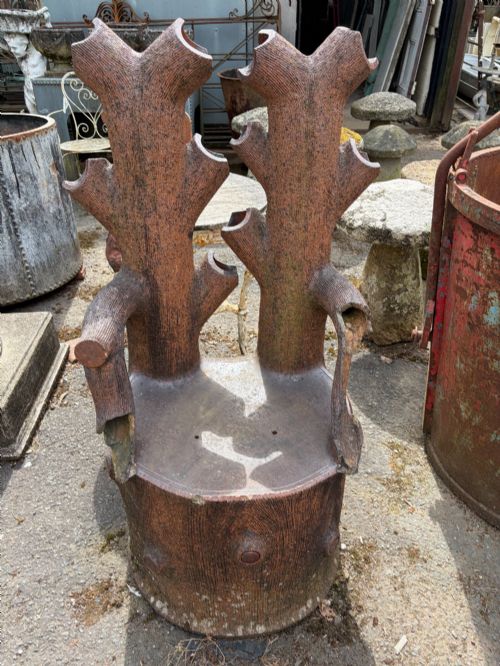
Makers utilised cast iron, wrought iron, strap metal, and wirework to form durable outdoor frames capable of enduring regular exterior use. Selected items incorporate timber elements such as elm, paired with iron supports to create faux bois designs.
Surface treatments rely on applied paint finishes that have weathered over time, developing natural patinas through exposure to the elements. Heavier structural components utilise casting techniques, while lighter folding chairs and wirework items employ shaped and joined metal rods.
Antique French Garden Chairs Retail Price Guide 2026
Typical asking prices for french garden chairs among the pieces listed under this phrase on Sellingantiques today, from the lower quarter to the upper quarter. They describe what is for sale here now, not the wider market.
A sturdy nineteenth-century garden seat waits patiently for someone to sit down with a heavy book.
Assessing quality and craftsmanship
The distinction between standard utility items and finer examples rests in the complexity of the ironwork and the integrity of the original construction. Elaborate castings, such as gothic designs or intricate wirework patterns, demonstrate greater artisanal effort than plain utilitarian frames.
Completeness significantly influences a piece, with matched sets and surviving pairs holding distinct structural harmony compared to assembled groupings. The depth of the weathered paint surface and the stability of joints further separate robust survivals from heavily compromised pieces.
Val D osne
The Antique French Garden Chairs Glossary
- Cast iron
- A sturdy iron-carbon alloy poured into moulds to create rigid forms with decorative relief details. This material provides the heavy structure seen in Victorian and later garden benches and chairs.
- Wrought iron
- Iron heated and hammered by hand into durable shapes with fibrous textures. This technique allows for strong, relatively slender components used in folding chairs and daybeds.
- Wirework
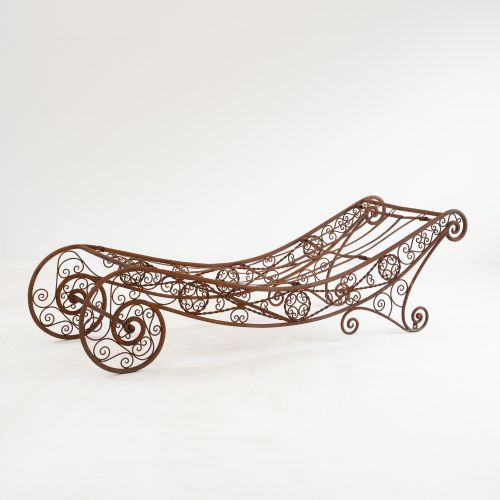
- Metal rods and wire twisted and woven into intricate mesh patterns. This method characterises lighter nineteenth-century garden tables and seating.
- Faux bois
- Imitation wood grain rendered in concrete, iron, or plaster over a metal armature. This decorative finish mimics natural timber on garden seats and benches.
- Bistro set
- A small table accompanied by matching chairs designed for compact outdoor dining. These sets typically feature folding or lightweight iron frames.
Antique French Garden Chairs: Frequently Asked Questions
How do I maintain antique iron garden chairs outdoors?
Iron garden furniture benefits from sheltered placement during harsh winter months to prevent accelerated oxidation and flaking paint.
Regular gentle cleaning with mild soap removes accumulated dirt without disturbing the historic surface patina.
Were these chairs originally painted?
Most metal garden pieces received protective coats of paint when first manufactured to prevent rusting in damp conditions.
Surviving layers often show multiple historic shades built up over decades of outdoor exposure.
Can I leave wirework furniture in the garden year-round?
Wirework pieces feature intricate woven structures that trap moisture more readily than solid cast components.
Storing them under cover during wet seasons helps preserve the delicate joints and wire mesh.
How do I distinguish nineteenth-century iron from later reproductions?
Early pieces typically exhibit hand-finished surfaces, heavier gauge metal, and construction methods distinct from modern manufacturing.
Signs of genuine age include natural wear patterns, historic paint layers, and traditional joining techniques.