






French Pastoral Painting
French pastoral painting captures idyllic rural scenes and rustic idylls, offering buyers a romantic window into country life.
French Pastoral Painting
French pastoral painting embraces idyllic landscapes, rustic farmyards, and figures engaged in leisurely rural pursuits. These works draw heavily upon the traditions established by masters such as Boucher and Watteau, alongside later nineteenth-century interpretations.
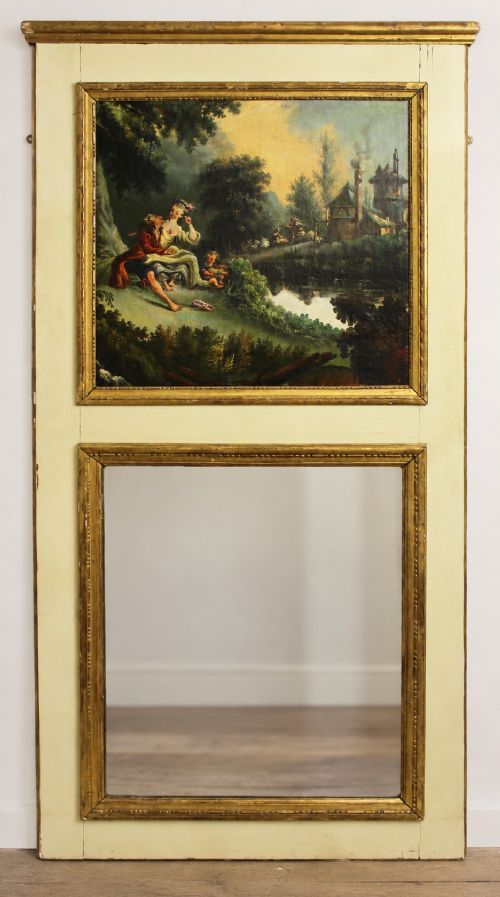
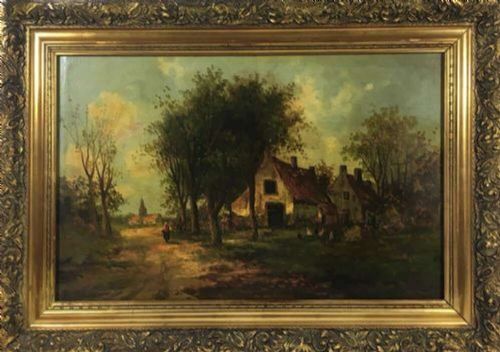
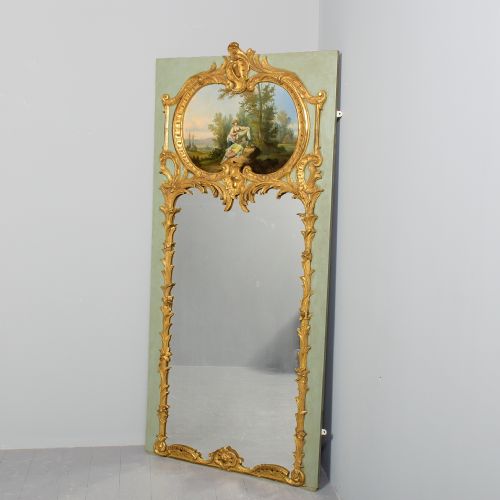
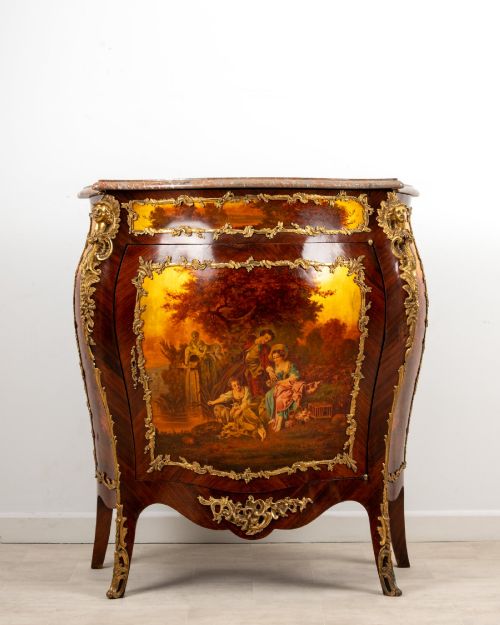
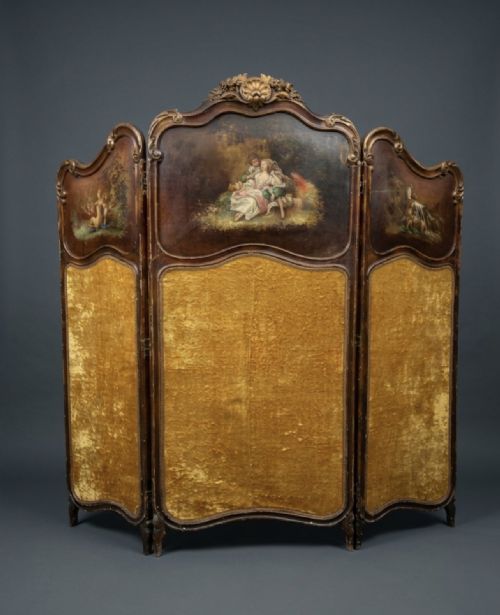
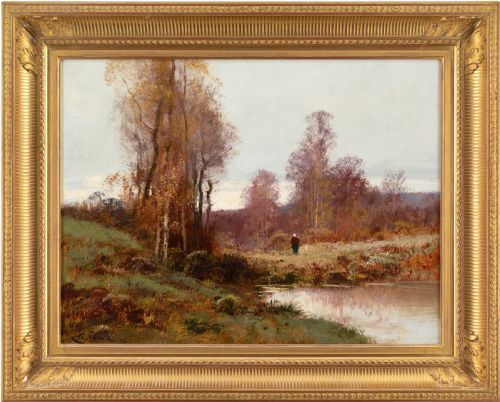
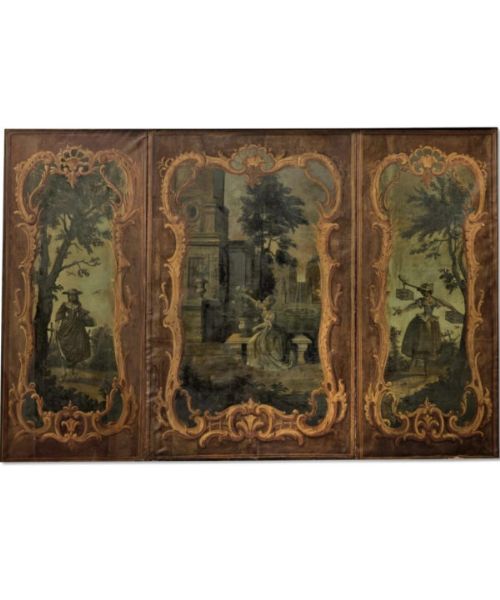
Buyers regularly encounter canvas works, framed oils, and painted panels integrated into architectural elements like trumeau mirrors or folding screens. The nineteenth century yields many canvases and panels reflecting Rococo revival and Barbizon school influences.
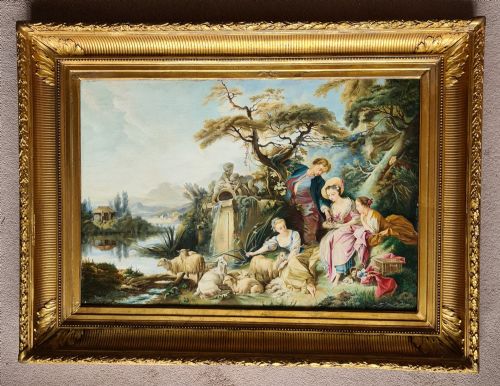
Subjects range from shepherds and shepherdesses tending flocks to river landscapes and woodland musicians. These pieces serve as decorative focal points in traditional interiors, bringing rural tranquility indoors.
Materials and Techniques
Artists utilised oil paint applied to canvas, wood panels, or copper plates to achieve rich textures and subtle tonal shifts. Many works feature delicate brushwork designed to capture soft light filtering through woodland canopies or open meadows.
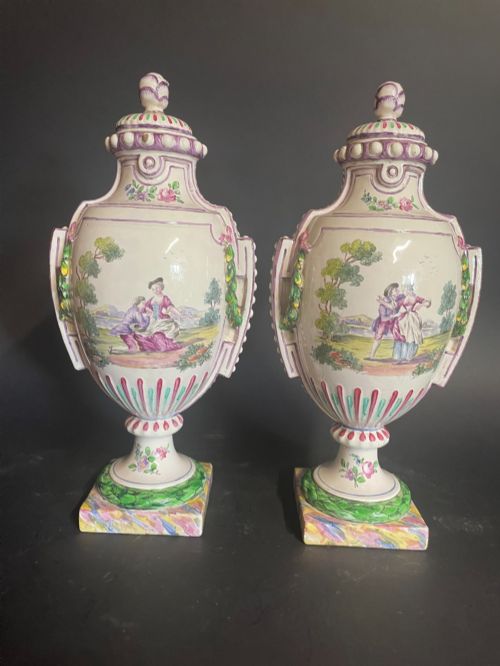
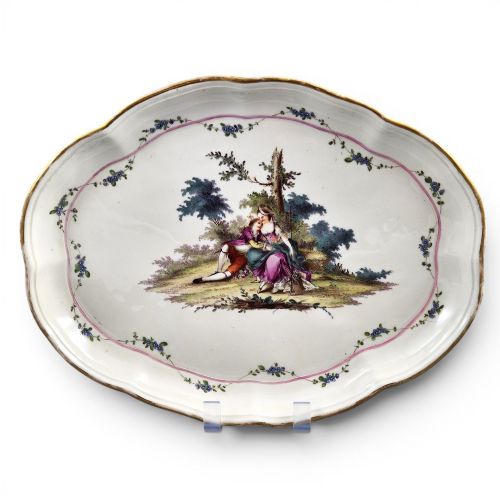
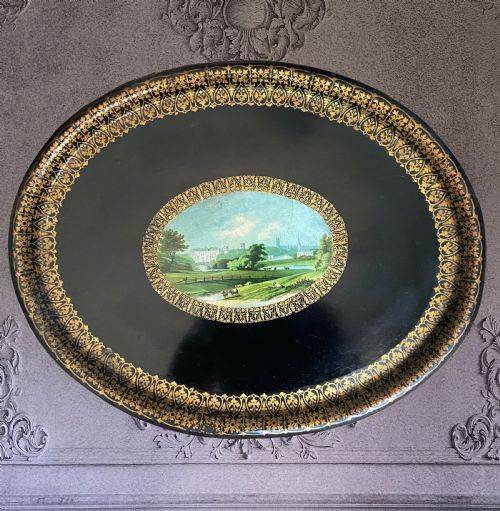
Decorative pieces often incorporate mixed media, watercolours, or gouache alongside traditional oils. Painted panels frequently appear mounted within giltwood frames, porcelain surfaces, or intricate ormolu-mounted cabinetry.
French Pastoral Painting Retail Price Guide 2026
Typical asking prices for french pastoral painting among the pieces listed under this phrase on Sellingantiques today, from the lower quarter to the upper quarter. They describe what is for sale here now, not the wider market.
Several sheep and goats make regular appearances in these pastures, occasionally stealing the artistic focus from the human shepherds.
Assessing Quality and Execution
Quality rests primarily upon the fluidity of the brushwork, the depth of the composition, and the expressiveness of the figures. Superior examples display confident handling of light and shadow, whereas weaker pieces rely on stiff, formulaic replication.
The integration of the artwork into its original medium, such as a carved trumeau mirror or a painted folding screen, influences desirability. Intact original frames and well-preserved painted surfaces command greater attention from discerning collectors.
Francois Boucher·Jean-Antoine Watteau·Charles Clair·Charles Zacharie Landelle·Eugene Bataille
The French Pastoral Painting Glossary
- Trumeau
- A decorative wall mirror featuring an oil painting or panel set into the upper section. These architectural pieces were popular in French chateaux and townhouses.
- Barbizon School
- A nineteenth-century French art movement focused on realism in landscape painting, emphasising rural views and atmospheric effects.
- Faience
- Tin-glazed earthenware produced in France and other European countries, often hand-painted with pastoral scenes or floral motifs.
- Ormolu
- Gilded bronze mounts utilised to embellish fine furniture, porcelain, and decorative objects during the eighteenth and nineteenth centuries.
French Pastoral Painting: Frequently Asked Questions
What periods do these paintings date from?
The selection spans from the eighteenth century through to the early twentieth century. Many pieces reflect earlier artistic traditions recreated during the nineteenth-century revival periods.
Buyers find both eighteenth-century originals and nineteenth-century interpretations inspired by classical French pastoral masters.
How were these pastoral scenes displayed originally?
Paintings often served as standalone framed artworks or were built directly into architectural furniture. Items like trumeau mirrors and folding screens incorporated pastoral panels to decorate domestic interiors.
Smaller miniatures and porcelain plaques also carried these rural motifs into everyday decorative objects.
How do I care for antique painted panels?
Keep painted canvas and wood panels away from direct sunlight and fluctuating humidity to prevent cracking. Dust gently with a soft, dry cloth without applying modern cleaning solutions.
Consult a professional conservator before attempting any restoration or cleaning of antique oil surfaces.
What is the difference between original and revival pieces?
Eighteenth-century works date from the height of the Rococo movement, showing authentic period techniques and patination. Nineteenth-century revival pieces emulate this aesthetic, often utilising broader colour palettes and heavier framing.
Both categories hold distinct appeal depending on whether a buyer seeks period authenticity or decorative nineteenth-century charm.