


French Painted Vitrine Cabinet
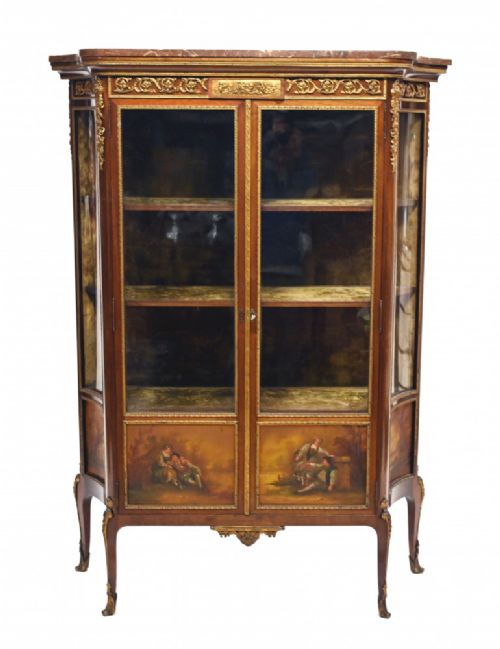
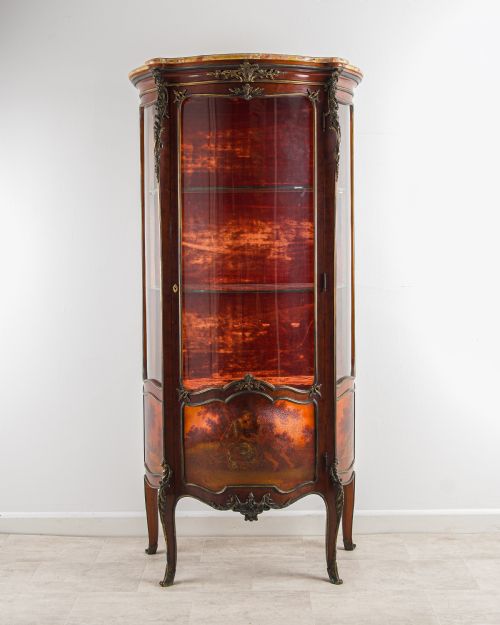
These french painted vitrine cabinet examples combine glazed display space with decorative painted panels, offering a sophisticated home for collections.

French Painted Vitrine Cabinet
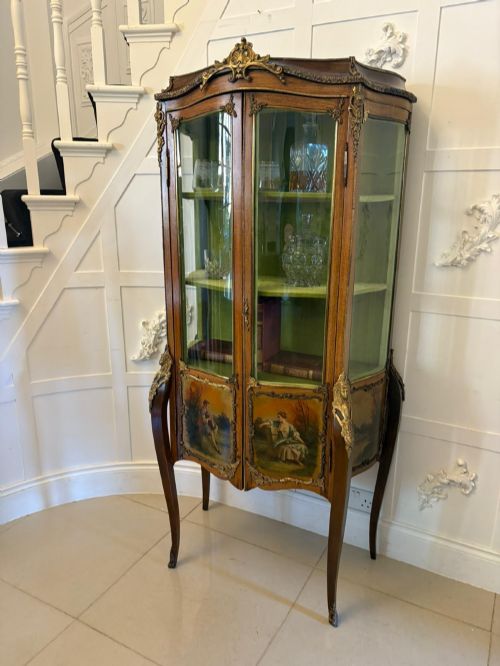
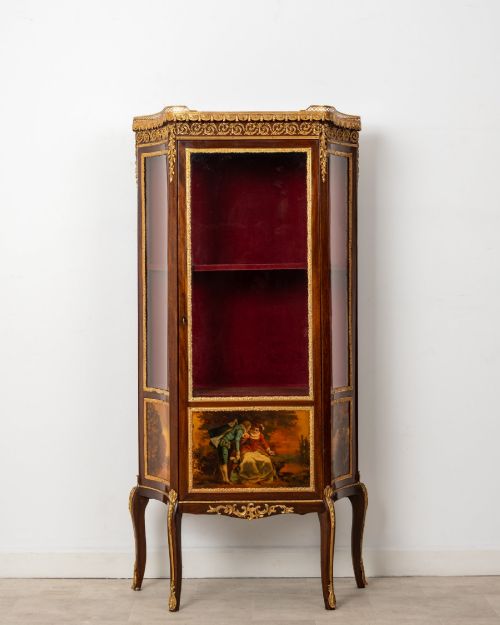
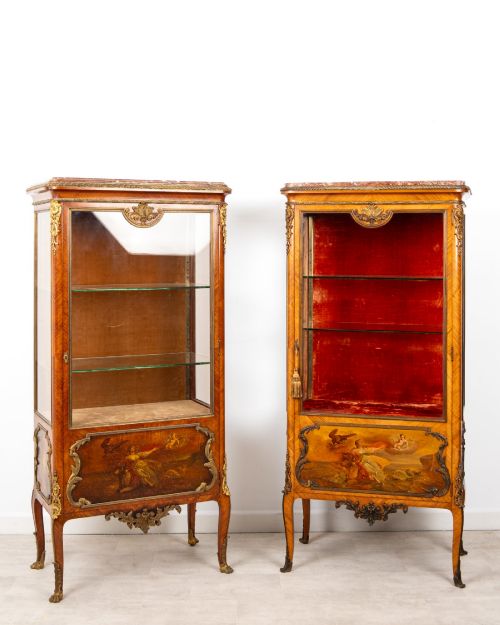
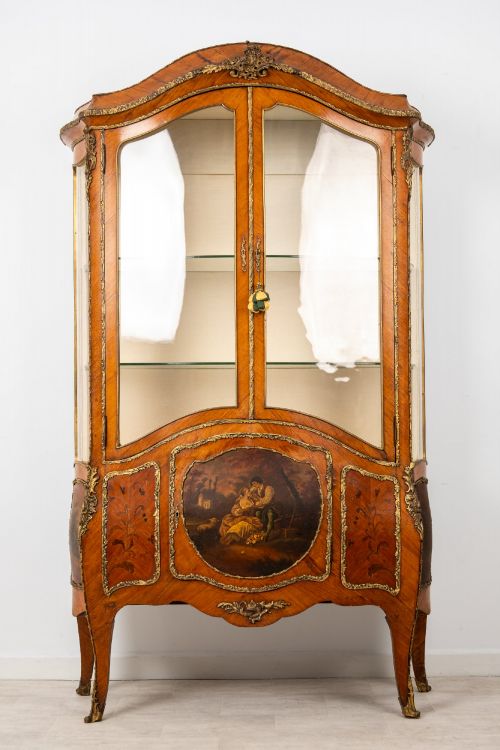
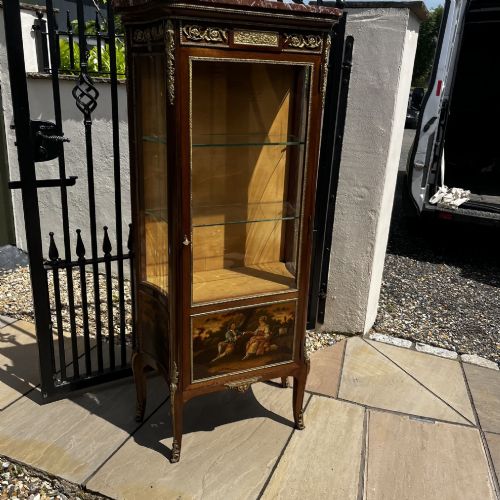
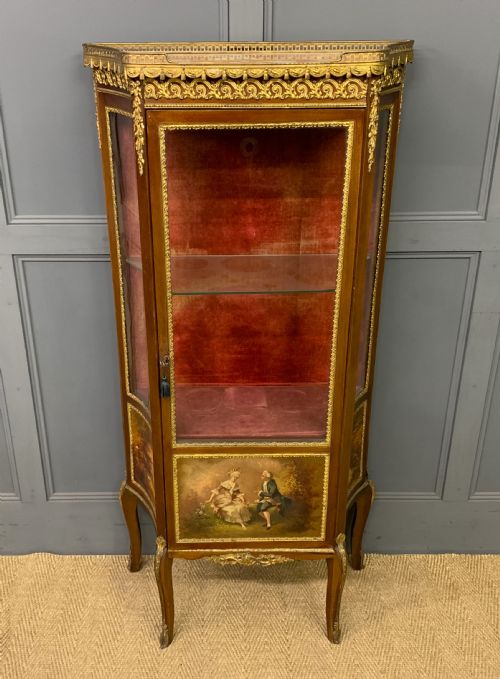
A french painted vitrine cabinet is primarily a glazed display enclosure designed to showcase porcelain, glassware and small decorative objects. The listings here frequently feature the Vernis Martin technique, incorporating painted panels alongside glass sides and doors.
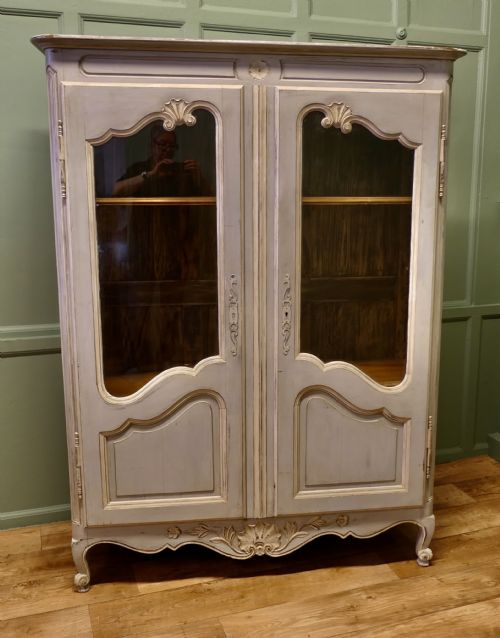
Most examples originate from the nineteenth century, spanning periods such as the Edwardian era and the late eighteen-eighties. Forms range from large floor-standing double-door bookcases to smaller wall-hanging units and freestanding oval or serpentine shapes.
Revival aesthetics heavily influence these items, drawing directly on French Rococo and Louis styles. Buyers encounter both robust provincial interpretations and refined pieces boasting elaborate gilt bronze mounts.
How they were made
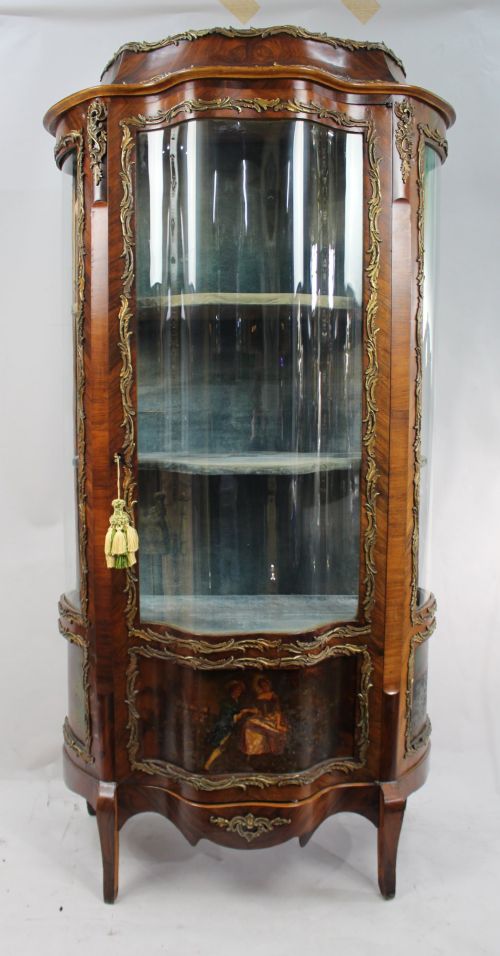
Cabinetmakers utilised timber frameworks of kingwood, mahogany or giltwood, often shaping the wood into curved serpentine or bombe profiles. Glass panes are fitted into doors and side panels to permit maximum light inside the interior velvet-lined or shelved compartment.
The distinctive painted decoration follows the Vernis Martin method, applying specialised varnish layers over decorative pastoral or figurative scenes. Artisans then complemented these painted sections with cast or chased ormolu and gilt bronze mounts framing the borders and legs.
Listings feature pieces utilising marble tops, ormolu mounts, and velvet linings alongside glass and kingwood.
What varies in quality
The refinement of the painted panels separates standard cabinets from exhibition pieces, with delicate brushwork and detailed figurative scenes commanding greater attention. The crispness and weight of the ormolu mounts further distinguish finer workshops from simpler production.
Construction details such as curved concave glass, solid marble tops and dense timber carcasses like kingwood indicate superior craftsmanship. The integration of structural joinery with delicate decorative mounts determines the overall durability and visual balance of the cabinet.
François Linke·Angela Kaufman
The French Painted Vitrine Cabinet Glossary
- Vernis Martin
- A simulated Japanese lacquer technique developed in eighteenth-century France using specialised varnishes. This finish appears across many nineteenth-century painted display cabinets.
- Ormolu
- Gilt bronze mounts applied to furniture edges and feet for decorative enhancement. The technique involves treating copper alloys with gold amalgam.
- Serpentine
- A curved furniture line that undulates inward and outward in a continuous wave. This contour frequently appears on the front facades of better cabinets.
- Bombe
- A swollen, outward-curving profile characteristic of rococo case furniture. It requires considerable skill in carpentry to match the painted panels to the curved surface.
- Vitrine
- A glass-fronted display cabinet intended for viewing curiosities and precious objects. The term derives from the French word for glass.
French Painted Vitrine Cabinet: Frequently Asked Questions
What is a french painted vitrine cabinet used for?
These cabinets serve primarily to exhibit precious collectibles, ceramics, and glassware while protecting them from dust behind glass panels.
The integrated shelving and glazed sides ensure that light reaches the displayed items from multiple angles.
How do you style a vitrine in a modern room?
Pairing a richly mounted antique cabinet with minimalist contemporary surroundings creates a striking contrast that highlights the painted panels.
Keep internal lighting subtle and avoid overcrowding the shelves to let the timber and ormolu details stand out.
What materials are common in these cabinets?
Primary construction materials include mahogany and kingwood veneers, complemented by cast ormolu mounts and marble tops.
Interior spaces often feature velvet linings alongside glass panels and hand-painted decorative wooden sections.
How do you identify Vernis Martin work?
Vernis Martin is recognised by its distinctive glossy translucent varnish applied over delicate painted scenes, often depicting figures or landscapes in a French taste.
This polished finish mimics oriental lacquer work adapted to European decorative traditions.