




French Overlay Glass Vase
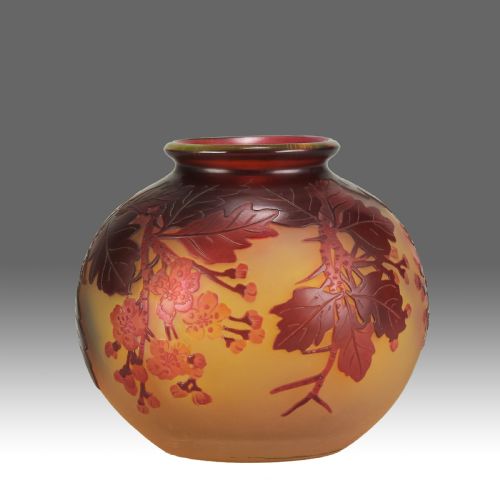
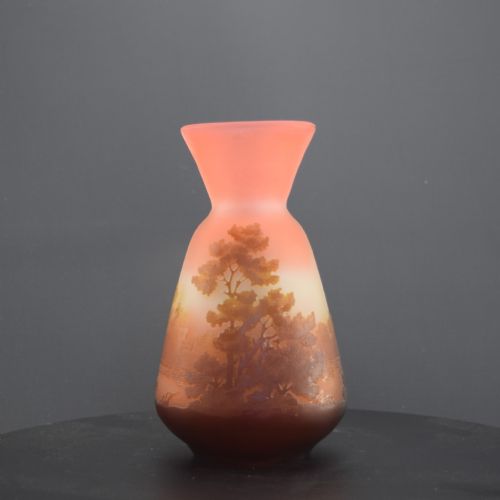
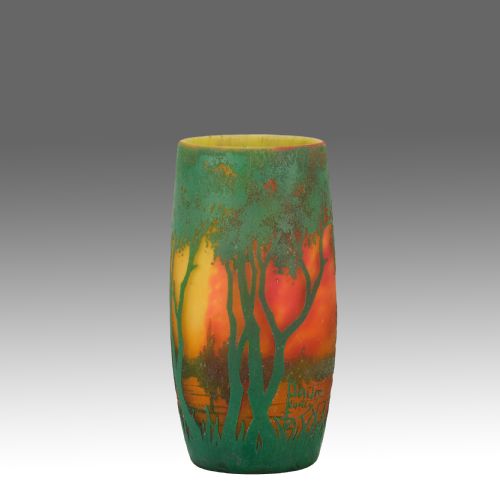
A French overlay glass vase brings botanical and landscape motifs into physical relief through layered artisan glass.
French Overlay Glass Vase
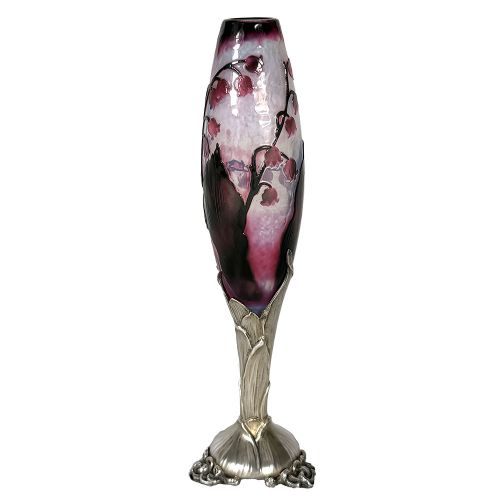
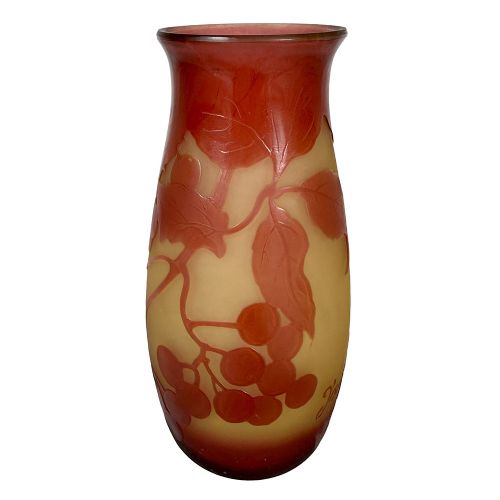
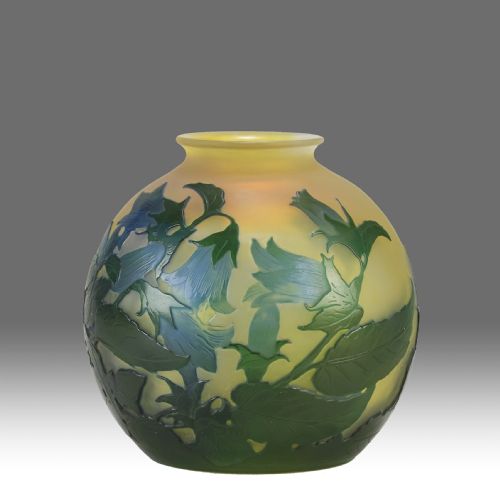
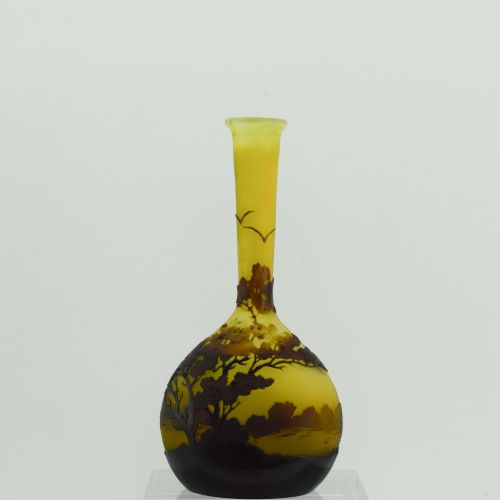
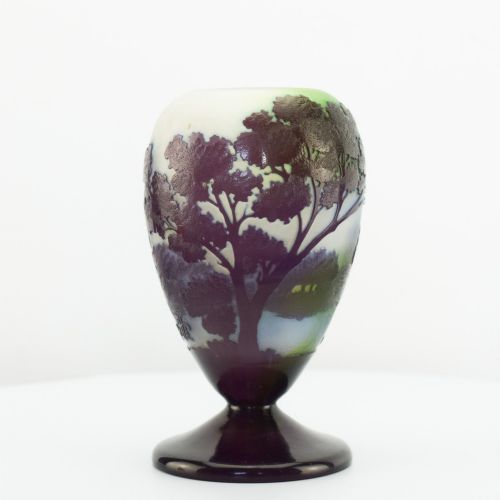
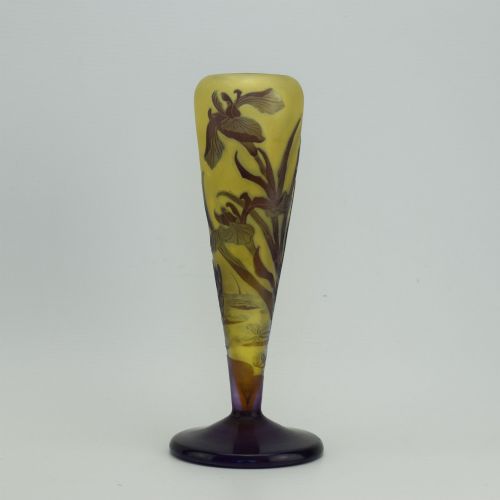
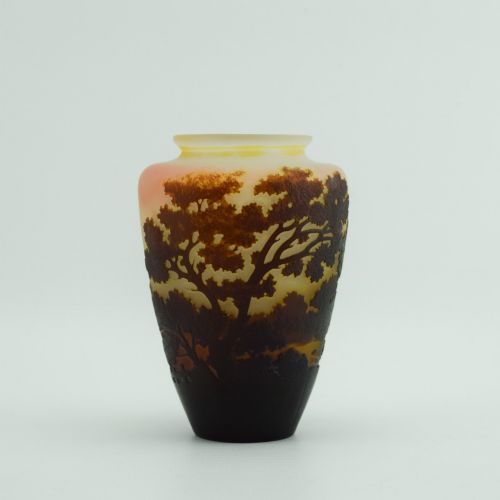
A French overlay glass vase is an Art Nouveau vessel shaped by distinct periods between eighteen ninety and nineteen twenty. These pieces display motifs ranging from aquatic irises and cornflowers to woodland landscapes and fern designs.
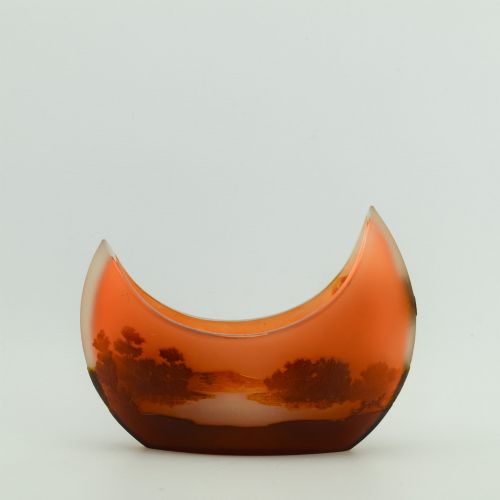
The objects appearing here take forms such as crescent-shaped vessels, banjo profiles, and footed bodies. Each piece reflects the decorative priorities of early twentieth-century French glassmaking.
Buyers encountering these items will observe signatures and motifs characteristic of prominent French workshops. The designs focus heavily on naturalistic subjects rendered in substantive glass bodies.
Assessing craftsmanship and execution
The depth and clarity of the acid-etched cameo layers govern the visual impact of each piece. Finer examples maintain precise control over colour transitions, particularly in complex landscape and floral designs.
Overall form and structural balance distinguish superior vessels from simpler productions. The integration of botanical elements into the glass body dictates the refinement of the finished piece.
The listings span the years eighteen ninety to nineteen twenty, with cameo glass and acid-etched glass serving as the primary materials.
Emile Gallé·Baccarat·Daum Frères·Paul Nicholas for D'Argental
The French Overlay Glass Vase Glossary
- Cameo Glass
- Glass formed with multiple layers of contrasting colours, where portions of the outer layers are carved away to create a raised design. This technique defines the primary aesthetic of the pieces on this page.
- Acid-Etched Glass
- Glass treated with acid to eat away exposed surfaces and shape the decorative pattern. Artisans used this chemical process instead of mechanical wheel-cutting.
- Frosted Glass
- Glass treated to produce a textured, translucent surface rather than a clear finish. This treatment softens light passing through the vessel body.
- Gold Leaf
- Extremely thin sheets of beaten gold applied to highlight specific details of the glass design. It provides metallic accents against coloured glass backgrounds.
- Art Nouveau
- The dominant stylistic movement spanning the turn of the twentieth century, characterised by organic lines and botanical motifs. Most vessels on this page belong to this aesthetic.
French Overlay Glass Vase: Frequently Asked Questions
How do I date a French overlay glass vase?
Dating relies on stylistic markers from the periods represented, typically falling between eighteen ninety and nineteen twenty. Signatures and specific botanical motifs offer further chronological context.
Examination of the glass layering and acid-etching depth also helps place a vessel within the Art Nouveau timeline.
What motifs appear on these vases?
Common subjects include floral themes such as cornflowers, poppies, and irises. Natural scenes featuring woodlands, sunsets, and aquatic plants are equally prevalent.
Specific geographical references, such as Vosges landscapes, also appear on signed pieces.
How were these vases displayed?
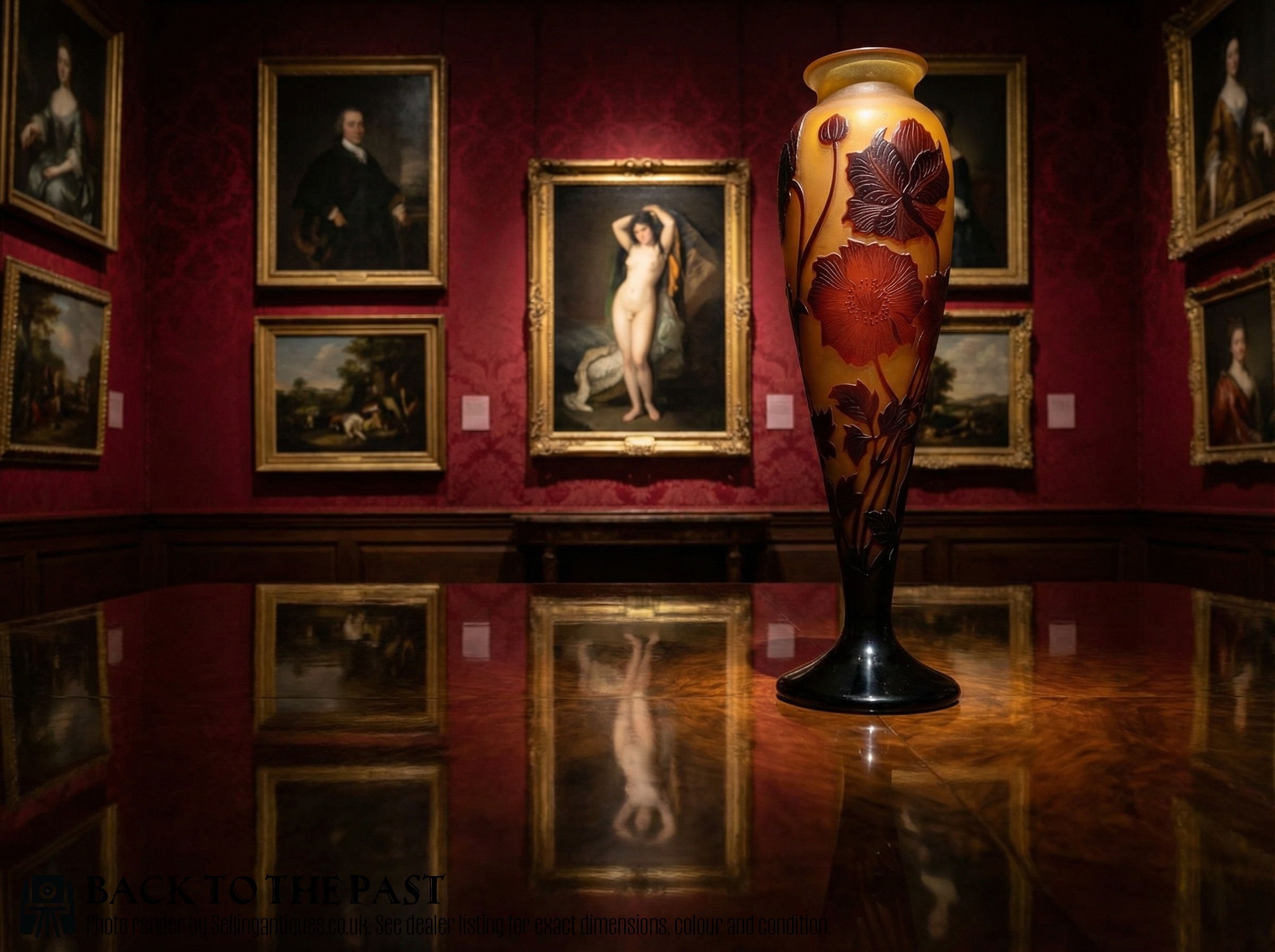
These vessels functioned primarily as decorative centrepieces in domestic interiors. Their substantial cameo designs were intended to catch natural light.
Collectors positioned them on mantelpieces or display tables where the layered colours could be fully appreciated.
Are these pieces signed?
Many examples feature signatures integrated into the cameo design by the maker or workshop. These signatures often appear near the base or within the landscape motif.
Unsigned vessels still display distinct regional techniques and material qualities characteristic of French production.