


French Outdoor Bistro Table
A french outdoor bistro table brings everyday practicality and charm to a terrace, and the pieces listed here range from simple iron frames to heavy marble tops.
French Outdoor Bistro Table
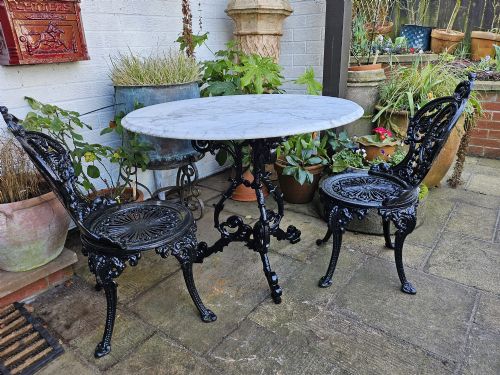
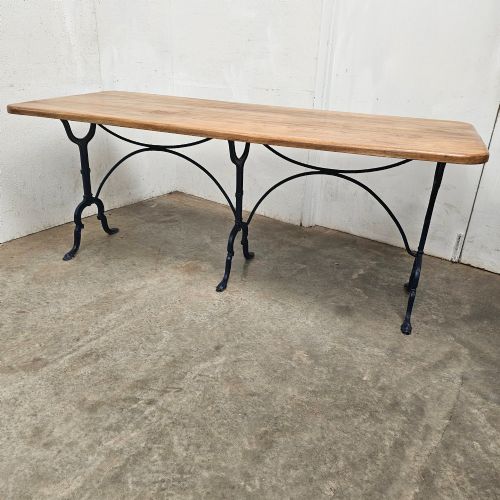
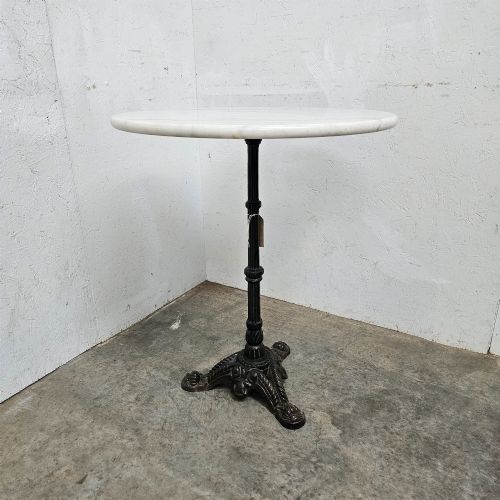
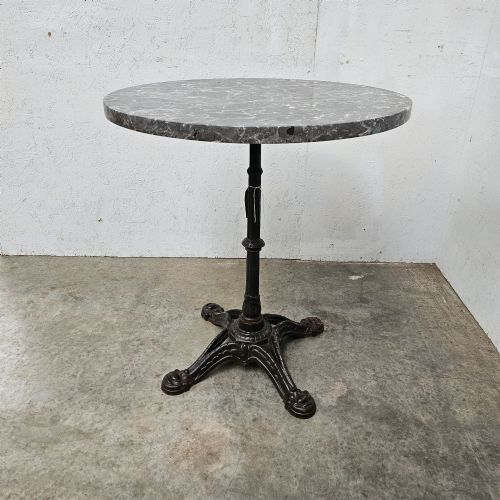
A french outdoor bistro table serves as a compact surface for dining or resting in a garden, courtyard or conservatory. The listings show forms ranging from round cafe tables to long console tables and complete dining sets with matching chairs.
The pieces on this page emerge from various periods including the nineteenth century, the Victorian era, and the decades spanning 1900 to 1930. Buyers encounter distinct regional interpretations spanning French provincial and industrial styles alongside traditional garden furniture.
Most examples function as standalone side tables or bistro sets intended for intimate gatherings outdoors. Their origins trace to pavement cafes and domestic gardens where durable construction met daily use.
How they were made
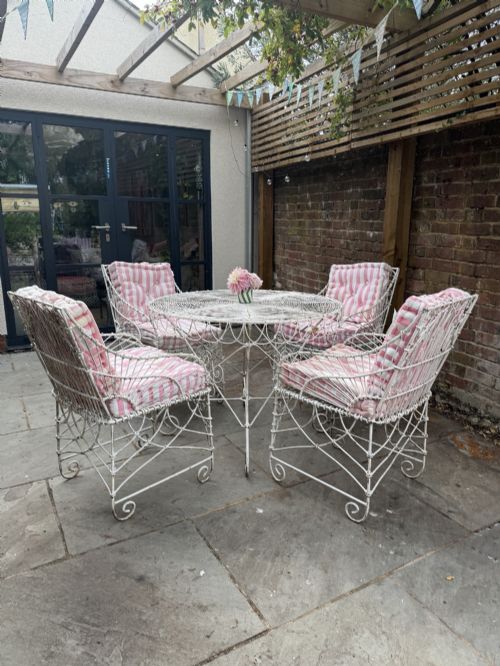
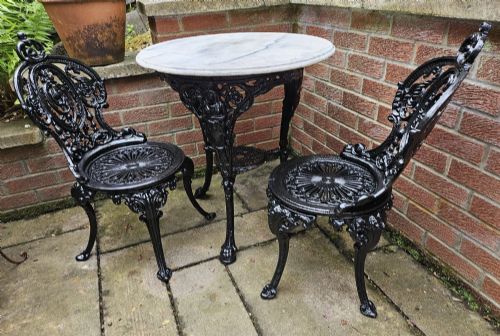
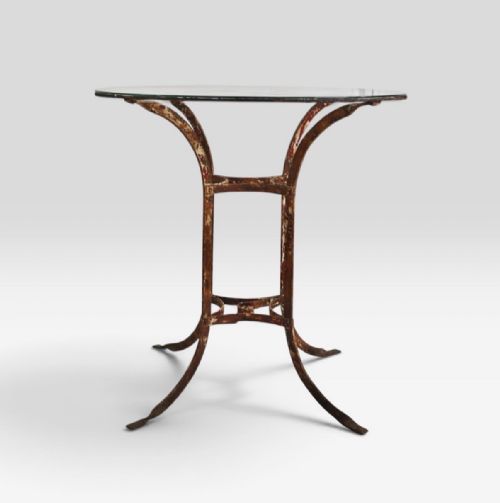
Maker workshops built these tables using robust metals such as cast iron, wrought iron, steel, and wirework to withstand outdoor exposure. Frames often feature intricate cast iron scrollwork or strapp work supporting heavy tops.
Surfaces consist primarily of smooth marble, thick wood like elm, zinc, or painted steel. These disparate materials combine durability with distinct textures suited to terrace and garden dining.
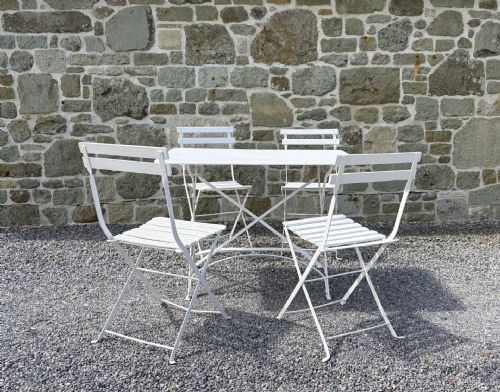
Some tables come with folding chairs, proving that nineteenth-century cafe owners also appreciated the value of quick pack-up routines.
What varies in quality
Quality separates through the integrity of the cast iron framework and the selection of the table top material. Heavy marble tops and detailed Victorian wirework represent higher execution than simpler utility pieces.
The degree of original surface preservation and structural stability dictates the standing of each piece. Tables retaining honest weathering on iron and unblemished stone or timber demonstrate superior enduring construction.
The French Outdoor Bistro Table Glossary
- Cast iron
- A strong, rigid iron alloy poured into moulds to create decorative scrollwork and sturdy table bases. It forms the backbone of many nineteenth-century garden tables.
- Wrought iron
- Iron heated and hammered into shape by hand, resulting in durable frames with subtle individual variations. It provides strong support for outdoor bistro furniture.
- Wirework
- Metal wires shaped and interwoven to form light yet robust garden furniture structures. Victorian examples showcase intricate openwork patterns.
- Console table
- A table designed to stand against a wall, frequently featuring a marble top and decorative iron supports. These appear in both garden and interior settings in the listings.
- Strapp work
- Metal straps joined together to form decorative and structural frameworks on garden tables. This technique provides distinct linear patterns across table bases.
French Outdoor Bistro Table: Frequently Asked Questions
Can I leave my bistro table outside all year?
Most metal and stone tables tolerate outdoor conditions well due to their robust construction. However, protecting vulnerable wood tops or moving pieces indoors during harsh winter months prolongs their lifespan.
Regular cleaning prevents debris accumulation in iron scrollwork and maintains the surface finish. Proper placement on dry ground also prevents moisture absorption in lower frame sections.
How do I clean a marble table top?
Wiping the surface with a damp cloth and mild soap removes daily dust and outdoor grime safely. Avoid acidic cleaners that etch polished stone surfaces over time.
Dry the marble thoroughly after washing to prevent water spotting. Protective covers help maintain the stone when the table remains exposed to heavy rain.
Are these tables heavy to move?
Tables featuring solid cast iron bases and marble tops possess considerable weight that keeps them stable outdoors. This heft means moving them requires two people to prevent damage to the stone or frame.
Lighter steel, zinc, or wirework variants offer easier manoeuvrability across terrace spaces. Folding designs also simplify storage when clearing the patio.
How do I date an iron bistro table?
Dating relies on observing casting techniques, decorative styles, and material combinations seen across the nineteenth and early twentieth centuries. Victorian pieces often display ornate botanical or scroll motifs in heavy cast iron.
Later pieces from the 1920s and 1930s tend towards cleaner industrial lines or simpler cafe formats. Comparing the construction methods of the frame and top provides further clues to its period of origin.