


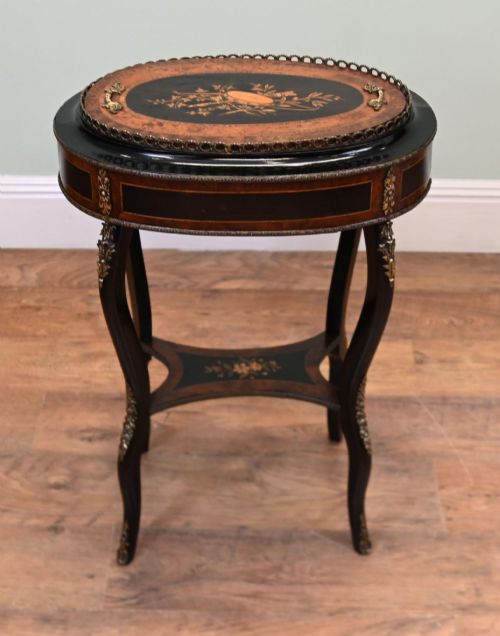
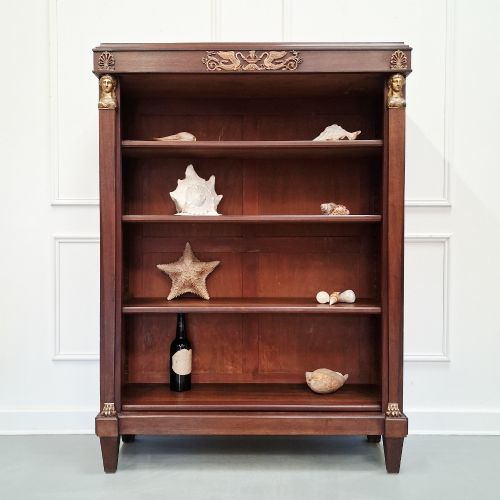
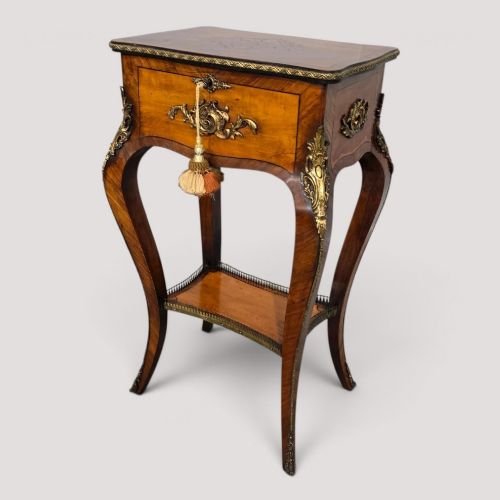
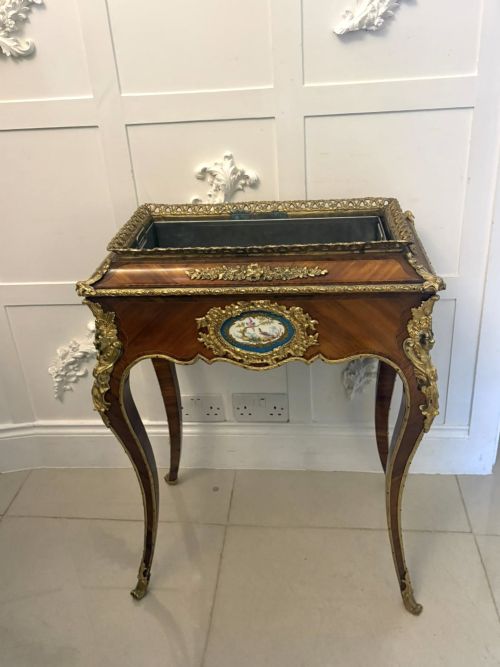
French Ormolu Stand
When you search for a french ormolu stand, you enter a world of gilt bronze mounts, marble tops, and nineteenth-century craftsmanship that elevates interior spaces.
French Ormolu Stand
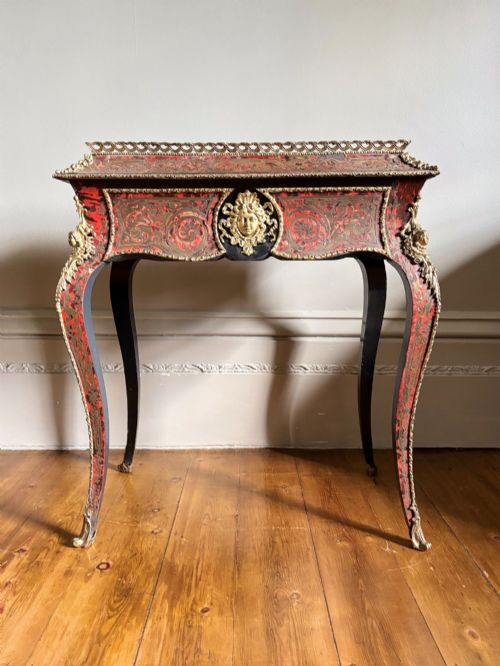
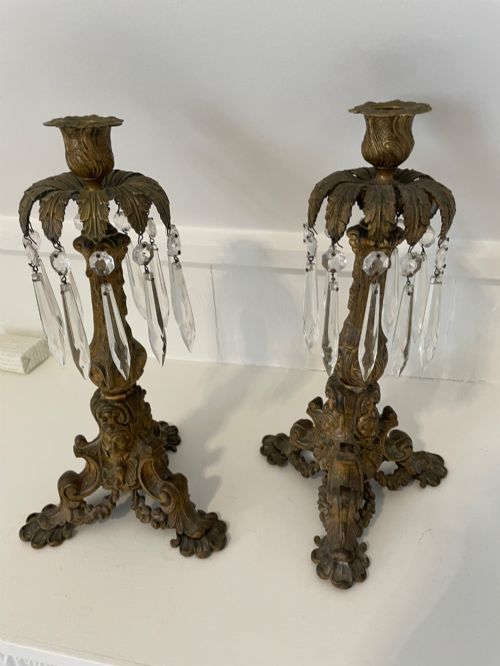
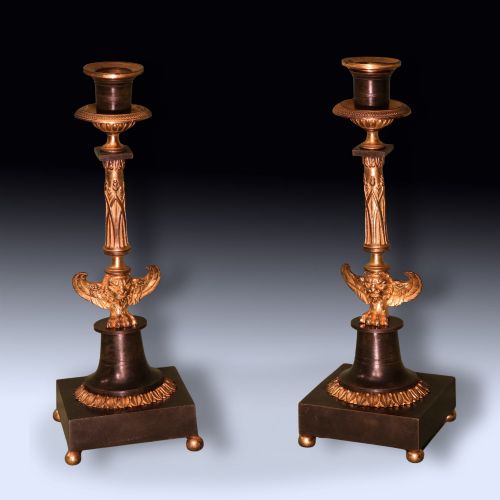
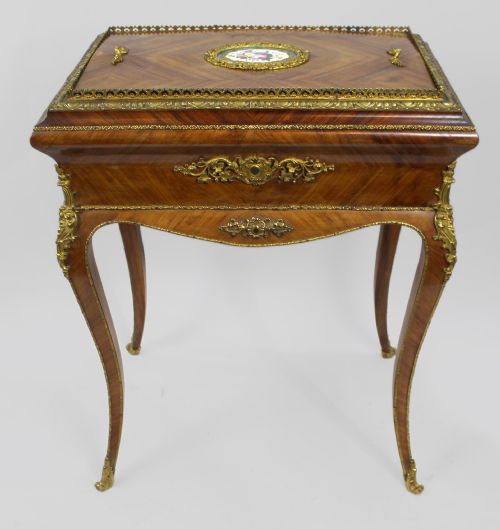
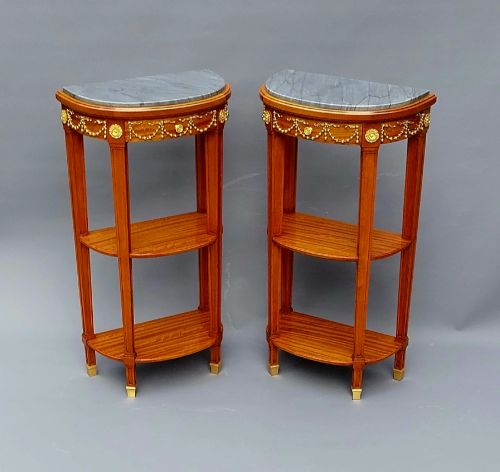
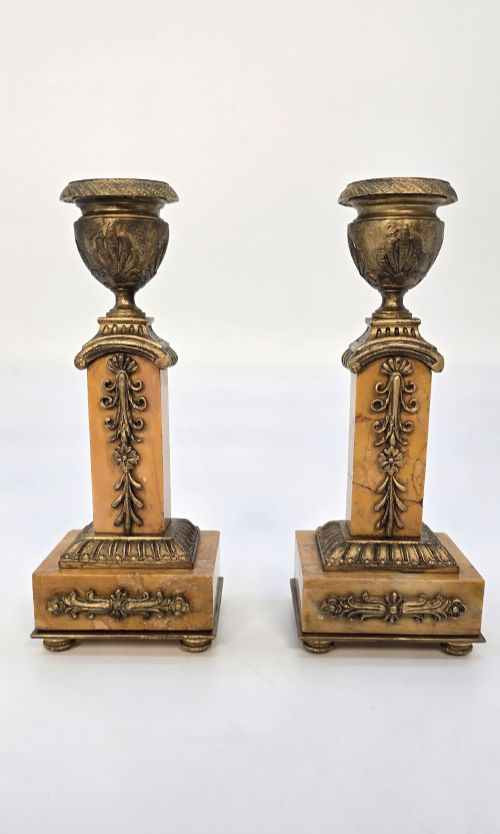
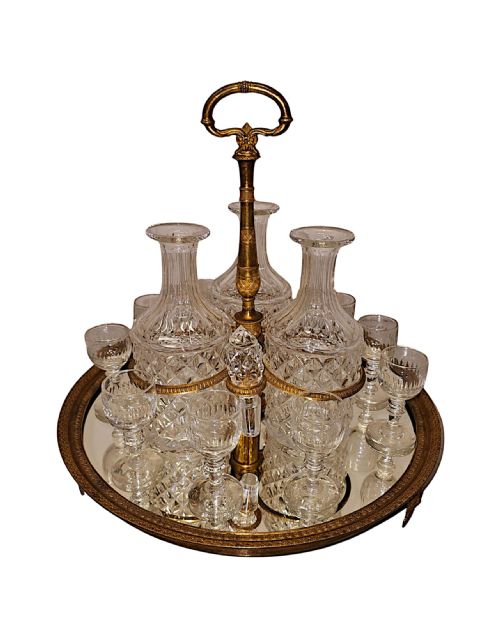
A french ormolu stand encompasses a range of nineteenth-century decorative furniture and display objects, primarily featuring gilt bronze mounts. These pieces emerge from periods spanning the Victorian era, the 1850s through to 1900, reflecting revivalist tastes across France.
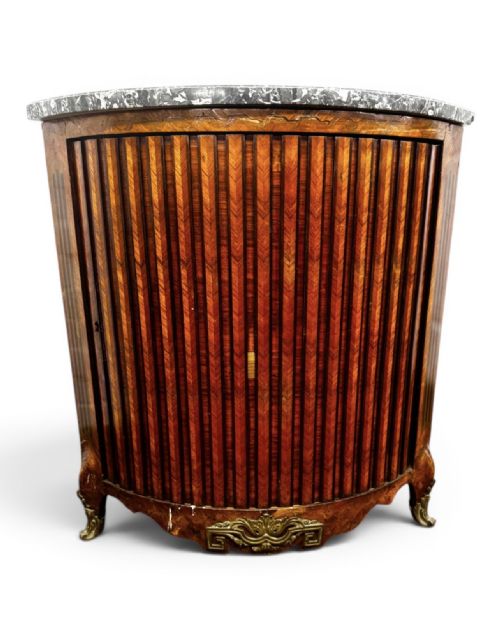
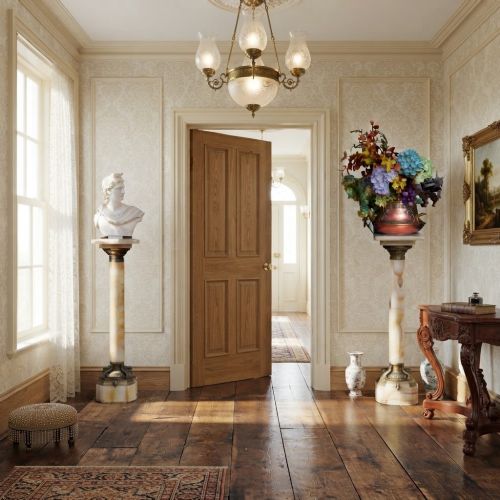
Buyers frequently encounter jardinière stands, occasional tables, pedestals, and side tables outfitted with rich timber veneers and metallic trim. Such forms served specific domestic functions in period salons, holding plants, lighting, or decorative objects.
The aesthetic vocabulary draws heavily from French Empire, Napoleon III, Louis XVI, and Rococo Revival styles. Each style dictates the proportion of the bronze work and the choice of supporting stone or wood.
Materials and construction
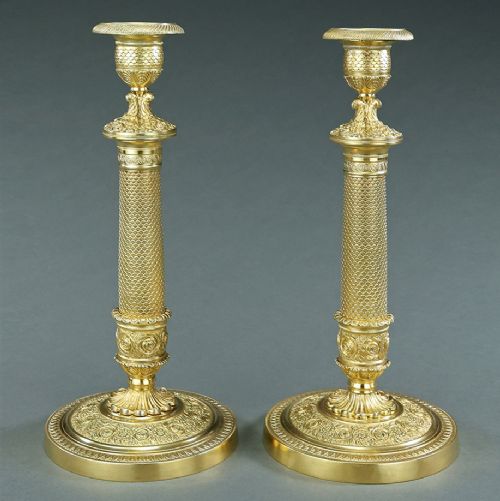
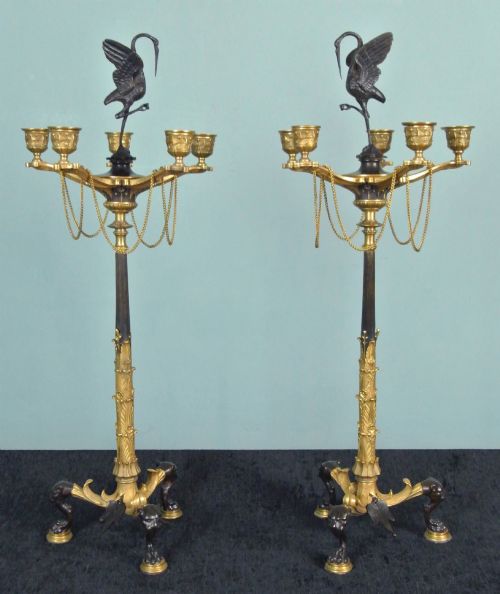
The primary visual signature relies on ormolu, which is gilded bronze, paired frequently with Carrara or rouge marble tops and onyx columns. Cabinetry components utilise hardwoods like mahogany, walnut, kingwood, tulipwood, and amboyna, often enhanced with intricate marquetry and parquetry.
Metal components involve lost-wax or sand casting of bronze before the application of mercury or electro-plated gilding to achieve a durable golden surface. Stonework is hand-turned and polished to contrast against the warmth of the metal mounts and timber frames.
French Ormolu Stand Retail Price Guide 2026
Typical asking prices for french ormolu stand among the pieces listed under this phrase on Sellingantiques today, from the lower quarter to the upper quarter. They describe what is for sale here now, not the wider market.
Materials appearing across current items include ormolu, gilt bronze, brass, marble, glass, mahogany, walnut, and kingwood.
Variations in quality
The crispness and depth of the chasing on the gilt bronze mounts separate standard production from superior workshop output. High-grade pieces exhibit sharply defined leaf, scroll, or figural details that retain their original fire-gilt or gold finish without excessive rubbing.
Timber selection and the precision of veneer work, such as amboyna, kingwood, or marquetry patterns, indicate the maker's investment of time and skill. Structural integrity, including the weight and natural figuring of the integrated marble or onyx, further determines the standing of an individual piece.
Barbedienne Bronze·Pierre Philippe Thomire·François Linke
The French Ormolu Stand Glossary
- Ormolu
- Gilt bronze applied to furniture, clocks, and decorative objects. The technique involves coating base metal with gold amalgam and heating it to leave a rich metallic layer.
- Jardinière
- A decorative stand or receptacle designed to hold plants or flowers. These often feature waterproof metal liners and ornate exterior mounts.
- Boulle
- A form of marquetry consisting of tortoiseshell and brass inlay developed in France. It creates a striking contrast of dark tortoiseshell and gleaming metal patternwork.
- Champlevé
- An enamel technique where troughs are dug into a metal surface and filled with vitreous paste before firing. It appears frequently on nineteenth-century decorative hardware and frames.
- Pedestal
- A tall, freestanding column or support used to elevate busts, urns, or jardinières. They often combine marble shafts with cast ormolu collars and bases.
French Ormolu Stand: Frequently Asked Questions
What is french ormolu?
French ormolu refers to gilded bronze decorative elements applied to nineteenth-century furnishings and objects.
The process creates a bright golden finish that resists tarnish and highlights the sculptural details of the bronze work.
How were these stands used?
These stands functioned as display surfaces for plants, porcelain, lighting, or art objects in formal nineteenth-century interiors.
Their sturdy marble or wooden tops supported heavy decorative items while adding architectural presence to a room.
How do I clean ormolu?
Maintenance requires only gentle dusting with a soft, dry cloth to prevent the accumulation of grit.
Moisture and abrasive cleaners damage the historic gilt surface, so chemical polishes must be avoided entirely.
How to date these pieces?
Dating relies on combining the stylistic evidence of the mounts, such as Empire or Rococo revival motifs, with the timber and construction methods.
Nineteenth-century pieces often display specific casting techniques and material pairings characteristic of the Victorian and Napoleonic eras.