



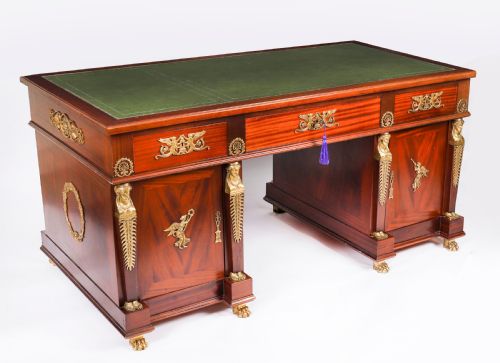


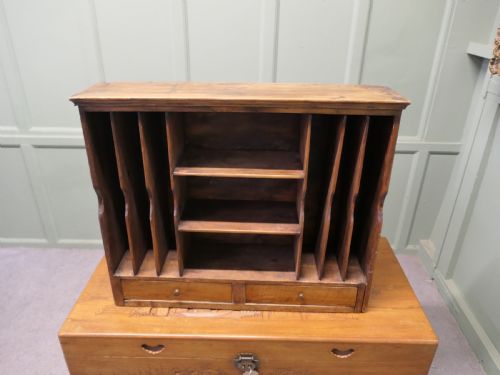

French Office Desk
A french office desk brings continental proportion and leather-topped writing surfaces into a room, combining practical workspace with cabinet-maker artistry.
French Office Desk
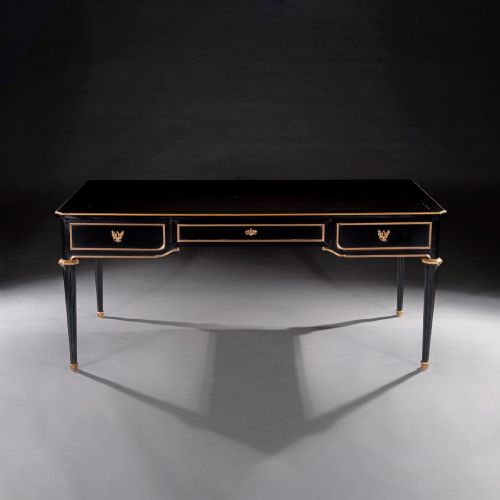
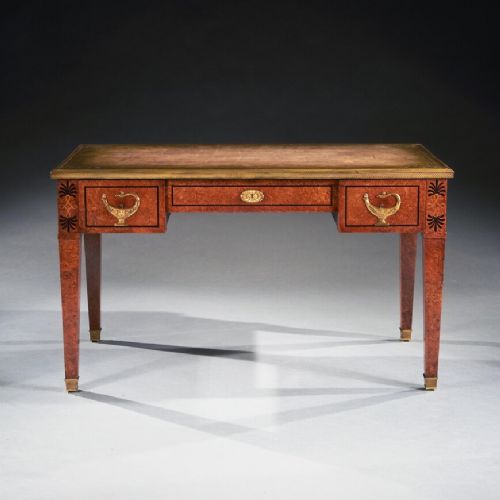
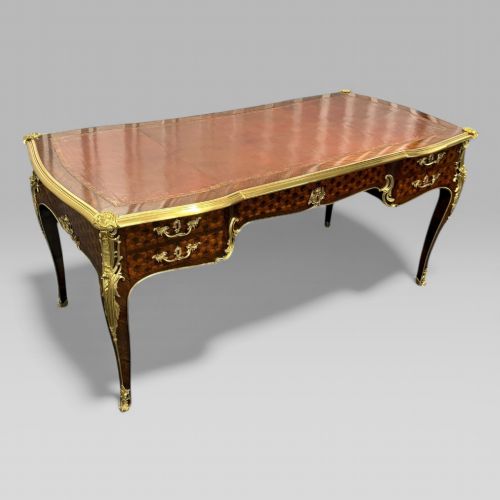
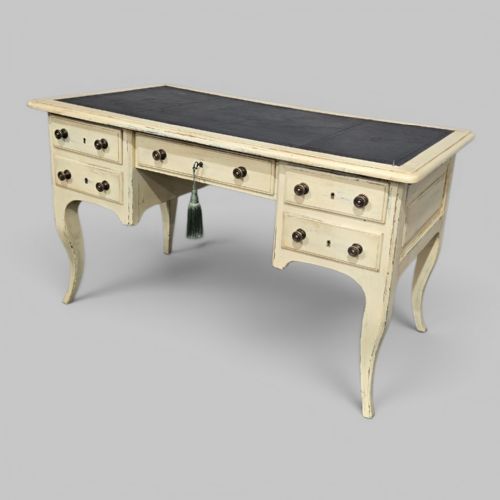
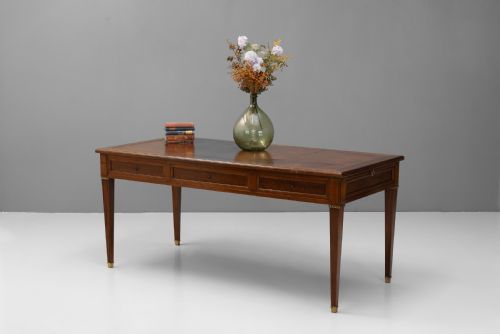
A french office desk encompasses freestanding bureau plat writing tables, kneehole pedestals, and partner formats designed for administrative or literary work.
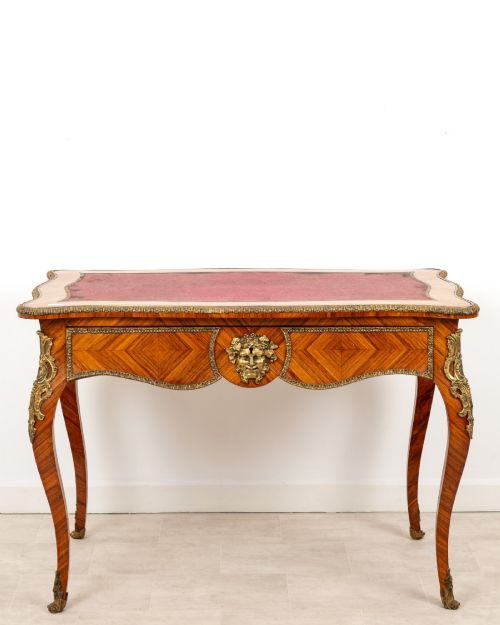
The version most commonly met on this page is the nineteenth-century bureau plat, typically finished with veneers and inset leather surfaces.
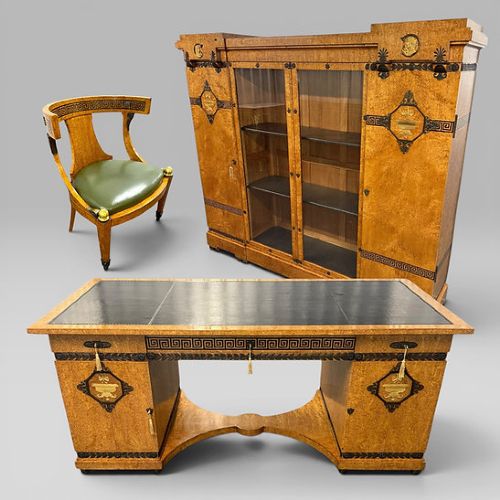
Beyond standard writing tables, related seating, lighting, and filing furniture frequently accompany these desks to form complete working interiors.
Materials and Construction
Cabinet makers built foundational carcasses from mahogany, walnut, or oak, applying decorative surface veneers of kingwood, amboyna, or ebonised wood.
Cast gilt bronze and ormolu mounts punctuate corners, aprons, and drawer pulls, often complemented by inset panels of tooled leather.
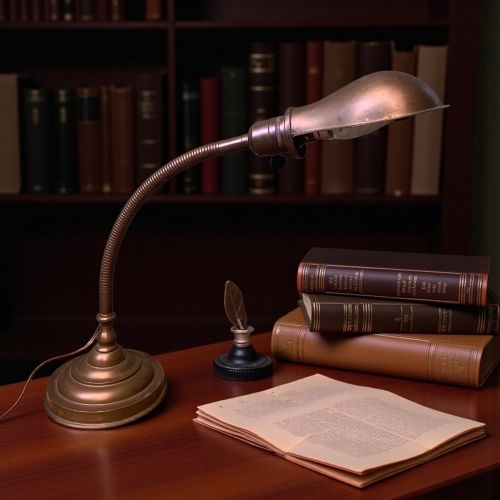
Desk accessories range from bronze tole lamps to glass desk blotters, proving that previous generations also enjoyed surrounding themselves with handsome stationery.
Judging Quality and Execution
The refinement of the cast bronze ormolu mounts separates standard production from exceptional pieces, visible in the sharpness of chiselling and depth of gilding.
Secondary timber selection inside drawer boxes and the precision of marquetry alignment reveal the tier of workshop craftsmanship involved in manufacture.
Mercier Frères·François Linke·Étienne Kohlmann·Eileen Grey·Rene Lalique
The French Office Desk Glossary
- Bureau plat
- A freestanding writing table fitted with drawers across the frieze, designed to stand away from walls.
- Ormolu
- Gilded bronze ornamentation applied to furniture mounts and decorative fittings, cast and hand-chased after casting.
- Cartonnier
- A stationary cabinet with multiple horizontal compartments or pigeonholes designed for holding papers and documents.
- Kingwood
- A dense, richly figured tropical timber utilised extensively for decorative veneer work during the eighteenth and nineteenth centuries.
French Office Desk: Frequently Asked Questions
What is a bureau plat?
A bureau plat is a rectangular writing table featuring one or more rows of drawers beneath the writing surface. These desks were traditionally made to stand centrally in a room rather than against a wall.
Most examples include an inset leather writing pad bordered by wood or brass trim. They represent the predominant form of formal writing furniture produced in France.
How do I care for the leather top?
Leather writing surfaces require occasional treatment with specialist neutral leather creams to prevent drying and cracking. Avoid abrasive cleaners and excessive moisture during everyday maintenance.
Gentle dusting with a soft cloth preserves the gold tooling applied around the perimeter of the hide. Direct sunlight should also be managed to prevent fading of the leather colour.
How do I distinguish revival styles?
Revival pieces copy earlier monarchical aesthetics, such as the curved lines of Louis XV or the geometric symmetry of Louis XVI. Nineteenth-century makers often reinterpreted these historical motifs with heavier construction.
Examining the internal drawer linings and construction joints helps date the piece accurately. Ormolu casting quality also tends to reflect the technological standards of the later production period.
Where were partner desks used?
Partners desks were built with opposing drawer tiers to allow two people to work opposite one another. They typically populated large libraries, administrative chambers, and executive offices.
Their substantial proportions require generous floor space to allow access from all sides. These double-sided configurations remain among the larger formats of antique workspace furniture.