

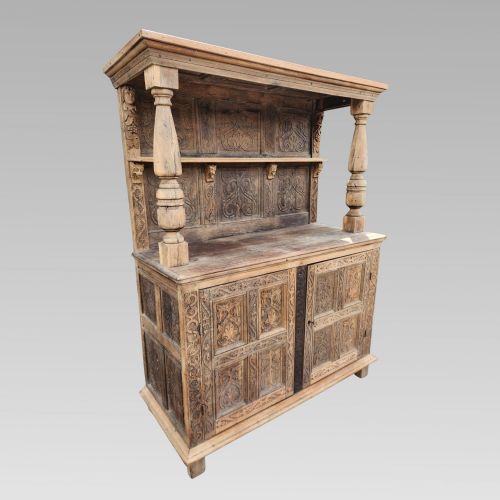


French Oak Dresser Top
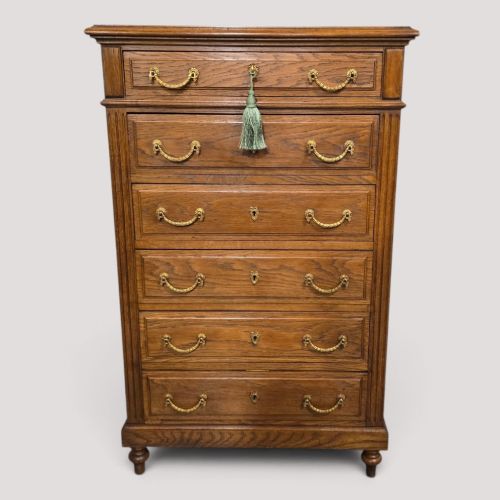
These french oak dresser top pieces are solid storage furniture built to sit upon a base or stand alone, offering heavy timber surfaces and traditional craftsmanship.
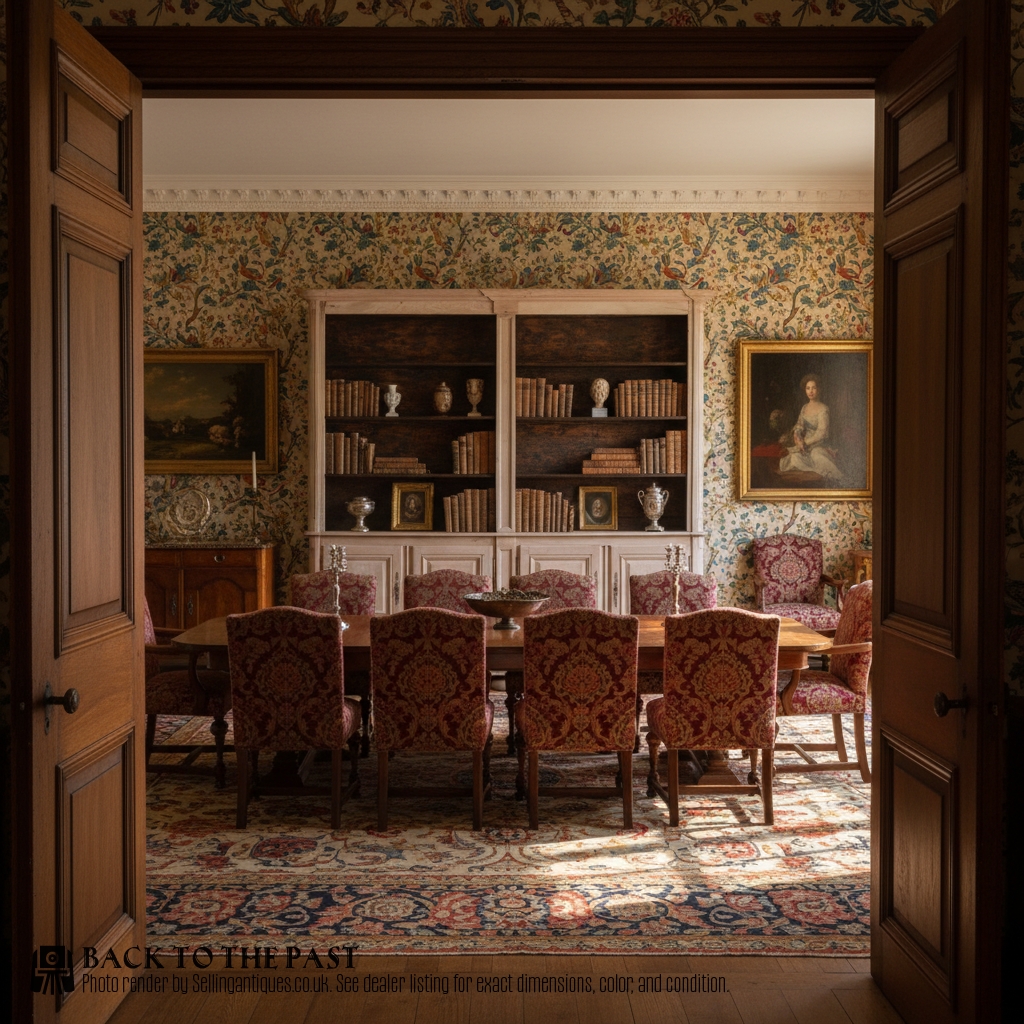
French Oak Dresser Top
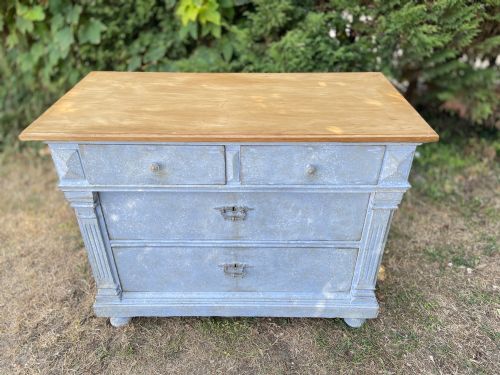
A french oak dresser top encompasses heavy storage furniture, sideboards, chests, and cabinets originating from various periods including the eighteenth and nineteenth centuries. Buyers searching for this phrase encounter solid timber case pieces designed for practical household use in provincial and formal settings alike.
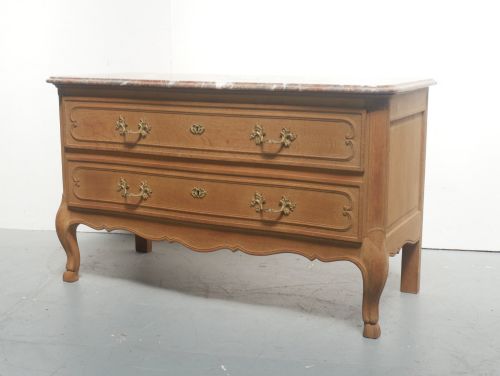
The selections span from robust provincial work to more ornate Renaissance Revival and Louis style items, reflecting diverse regional tastes across France. Many examples incorporate fitted marble slabs or lift tops, demonstrating the functional evolution of storage surfaces over decades of domestic life.
Materials and Construction
Makers relied primarily on solid oak, selected for durability and distinctive grain patterns, supplemented by walnut, pine, and painted wood in secondary or decorative roles. Structural assembly often utilised traditional joinery methods suited to heavy timber without relying on modern fasteners.
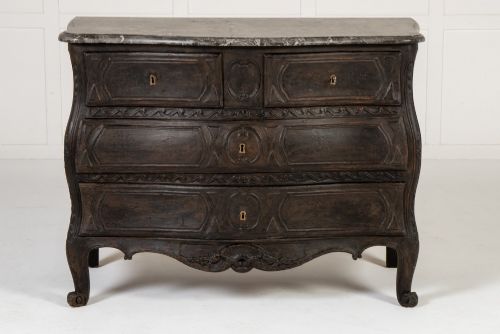
Surface detailing frequently includes hand carving, ebonising, or bleaching to achieve specific finishes demanded by the prevailing style of the period. Fitted elements such as marble slabs, brass hardware, and glass components were integrated into the primary wooden carcase to complete the piece.
French Oak Dresser Top Retail Price Guide 2026
Typical asking prices for french oak dresser top among the pieces listed under this phrase on Sellingantiques today, from the lower quarter to the upper quarter. They describe what is for sale here now, not the wider market.
Some nineteenth-century commodes feature secret lift tops, reminding us that ancestors needed clever hiding spots for family silver.
Evaluating Quality and Craftsmanship
Quality reveals itself in the selection of timber and the precision of the joinery, distinguishing sturdy utilitarian builds from finer decorative commissions. Superior examples display thoughtful proportion, integrated hardware, and harmonious integration of secondary materials like marble or brass.
The crispness of hand-carved details and the integrity of the original surface finish, whether bleached, ebonised, or polished, separate standard workshop output from exceptional cabinetwork. Uniformity in timber ageing and the absence of clumsy alterations preserve the historical character valued by discerning collectors.
The French Oak Dresser Top Glossary
- Commode
- A low chest of drawers or cabinet originating in France, typically featuring multiple drawers and decorative mounts.
- Bombe
- A convex, swelling contour found on the front and sides of case furniture, prominent in eighteenth-century designs.
- Carrara marble
- A type of white or blue-grey marble from Italy frequently utilised for the upper surfaces of French sideboards and commodes.
- Gustavian style
- A Swedish interpretation of French neoclassical design, characterised by lighter proportions and often pale painted finishes.
- Serpentine
- A furniture contour featuring a wavy line with a convex centre flanked by concave ends.
French Oak Dresser Top: Frequently Asked Questions
What is a french oak dresser top?
These items comprise solid timber storage furniture, including chests of drawers, commodes, and sideboards, constructed primarily in France during past centuries. They served domestic functions ranging from kitchen storage to formal room display.
Buyers encounter various forms featuring wooden or marble surfaces, reflecting regional traditions and shifting interior fashions from the eighteenth century into the twentieth century.
How were these pieces used historically?
Households utilised these heavy wooden cabinets and commodes for storing linens, tableware, and provisions within dining areas, kitchens, and bedrooms. The upper surfaces provided robust counters for food preparation or displaying decorative objects.
Marble-topped variants offered cool, wipeable surfaces particularly suited for serving food or handling damp items in domestic service spaces.
How do I distinguish eighteenth-century pieces from later ones?
Earlier pieces often exhibit hand-cut joinery, simpler regional carving, and patinas accumulated through generations of domestic use. Eighteenth-century examples like bombe commodes display distinct sculptural curves.
Later nineteenth and twentieth-century items frequently incorporate revival styles, machine-assisted elements, or standardised hardware while maintaining traditional oak construction methods.
How should I care for an antique oak surface?
Maintaining oak furniture involves dusting with a soft, dry cloth and avoiding harsh chemical polishes that can degrade the historic patina. Periodic application of appropriate natural waxes helps nourish the dry timber.
Protecting marble or wooden surfaces from excessive moisture and direct heat sources preserves the structural integrity and appearance of the piece over time.
What styles are common among these listings?
The selections frequently showcase French Provincial, Gustavian, Louis XV, and Renaissance Revival aesthetics, alongside occasional Art Deco interpretations. Each style brings distinct decorative motifs, from restrained provincial mouldings to elaborate carved details.
Regional variations across France ensured that makers adapted these broad styles to local timber availability and domestic requirements.