




French Oak Benches
These french oak benches bring honest utility and provincial character to an interior.
French Oak Benches
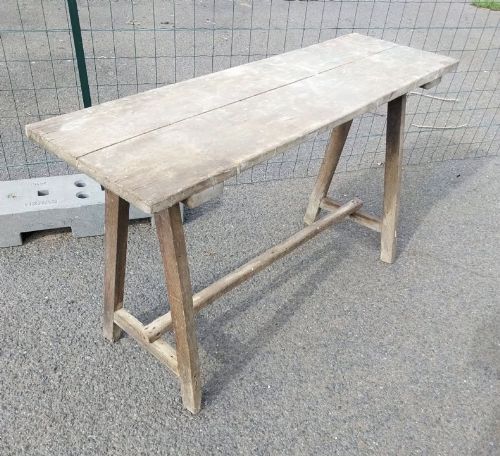
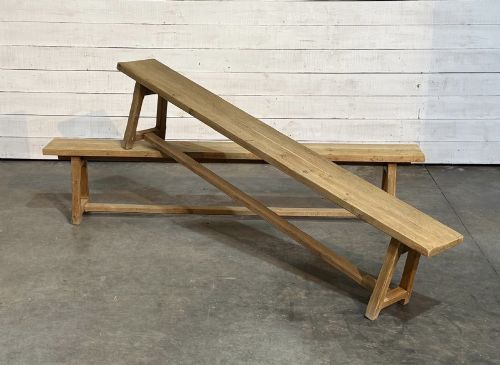
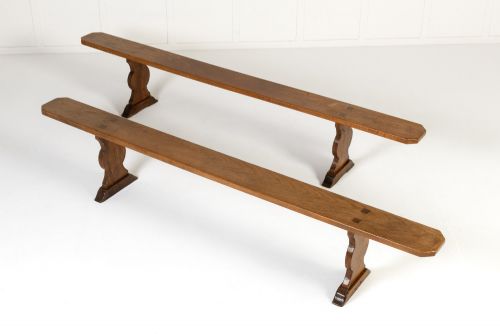
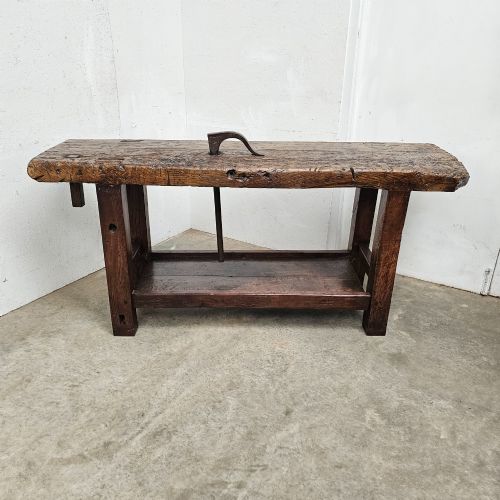
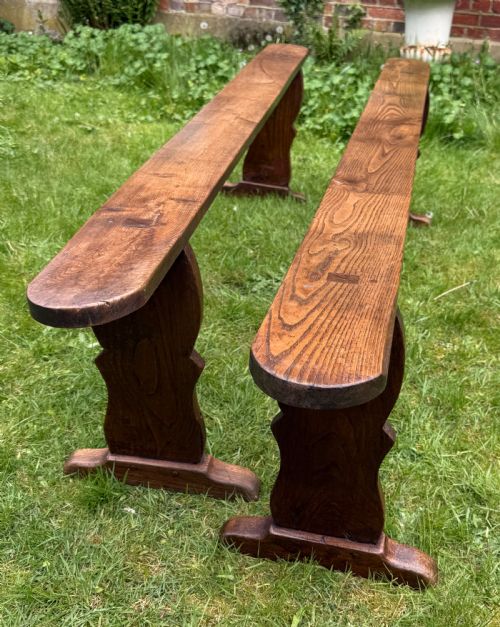
When you search for french oak benches, you encounter heavy seating shaped by provincial and country traditions. These pieces appear frequently as matched pairs, long dining benches, or sturdy workshop forms suited to daily use.
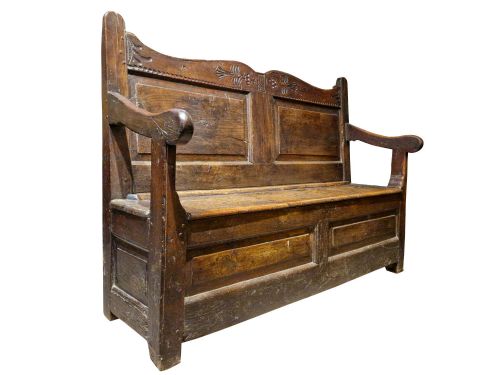
The selections span rustic farmhouse designs and restrained provincial styles. Many examples emerge from the nineteenth century, though earlier eighteenth century box-seated settles also appear alongside twentieth century variants.
Makers utilised native timber, often pairing oak with beech, sycamore, or elm. These seating forms served practical domestic and rural roles before finding a place in modern dining spaces and halls.
How they were made
Makers constructed these benches using solid oak timbers, joining boards with traditional pegs, dovetails, and trestle supports. The joinery prioritised strength and durability to withstand heavy domestic or workshop demands.
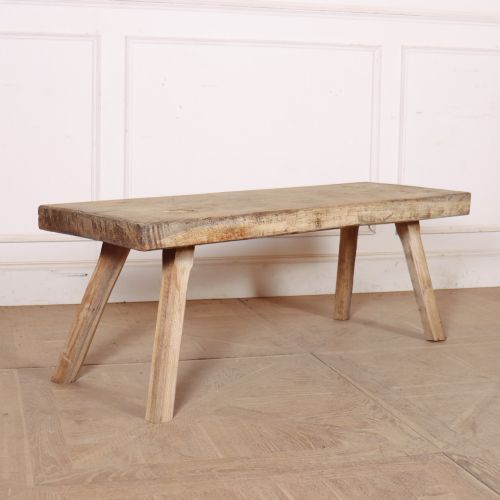
Surfaces show the marks of hand tools, adzes, and saws, leaving varied textures across the timber. Some examples retain natural grain finishes, while others display bleached or scrubbed patinas developed through age and use.
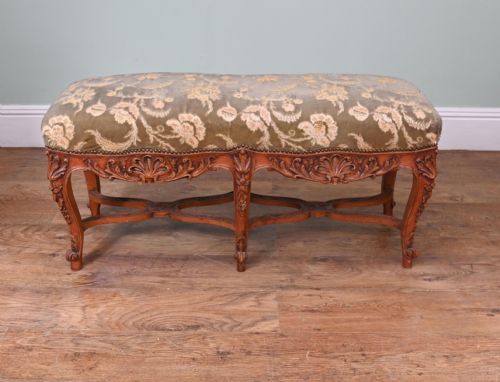
Listings include nineteenth century oak benches alongside cherrywood hall benches and bleached chestnut settles.
What varies in quality
The distinction between standard utility seating and exceptional examples lies in the weight of the timber and the integrity of the original construction. Superior benches display heavier section oak, balanced proportions, and minimal structural alteration over time.
The character of the surface finish also distinguishes individual pieces. Benches retaining undisturbed patinas, honest wear, and traditional jointing methods command greater interest than heavily restored or altered examples.
Trussant & Cie·Emma Grant
The French Oak Benches Glossary
- Provincial
- Refers to items originating from the regions outside Paris, typically characterised by practical forms and local materials. These objects reflect regional traditions rather than court tastes.
- Trestle
- A structural support consisting of a horizontal beam fixed to two splayed legs. This construction allows for maximum legroom and stability.
- Settle
- A wooden bench with high backs, solid arms, and often a box seat for storage. They were placed near hearths to block drafts in older homes.
- Refectory
- A long dining table and accompanying benches traditionally used in communal dining halls. The form translates well to modern large-scale seating arrangements.
- Patina
- The surface sheen and colour acquired by timber through decades of handling, polishing, and exposure to light. It serves as an indicator of age and genuine use.
French Oak Benches: Frequently Asked Questions
How do I use long benches in a dining room?
Long benches slide neatly beneath dining tables to save floor space when not in use. They create an informal seating arrangement that accommodates multiple guests.
Pairs of benches work particularly well alongside refectory tables, echoing historical dining layouts found in French country houses.
Are these benches sturdy enough for daily seating?
Provincial oak benches were originally built for rigorous farm, workshop, or domestic use. Their solid timber construction and pegged joints ensure high durability.
Most antique examples easily handle regular daily sitting without structural concern.
How do I care for antique oak surfaces?
Maintain the timber by dusting with a dry cloth and occasionally applying natural beeswax to nourish the dry wood. Avoid placing oak furniture near direct heat sources or damp areas.
Harsh chemical cleaners strip the historic patina and dry out the historic timber.
How can I tell an older bench from a later copy?
Examine the underside and joints for hand-cut tool marks, pegged tenons, and natural wear patterns consistent with age. Older timber shows shrinkage and colour variation absent in modern reproductions.
Hardware, where present, should match the period of manufacture rather than modern machine production.