


French Neoclassical Urn Pair
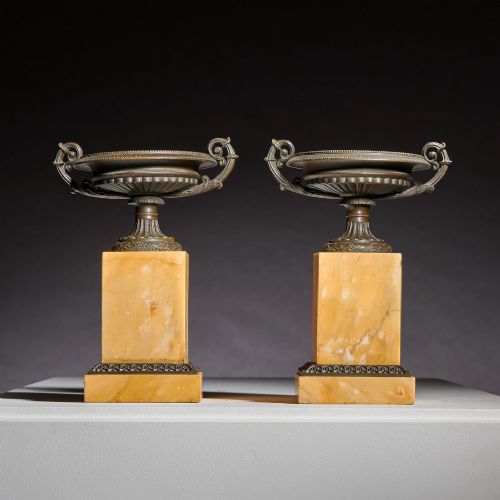
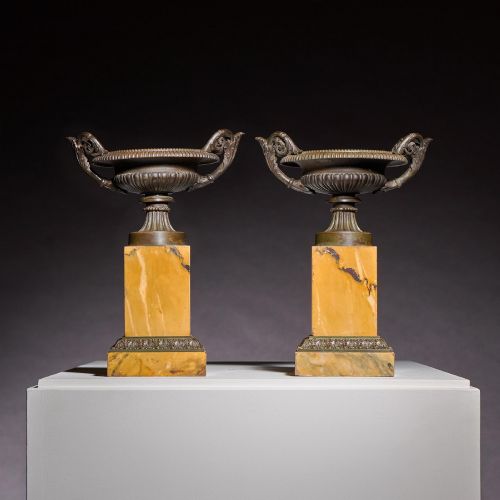
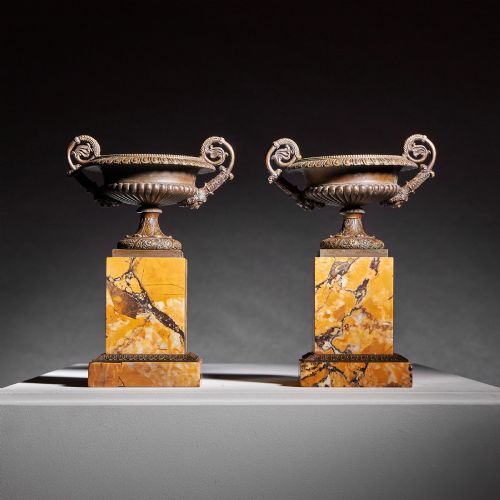
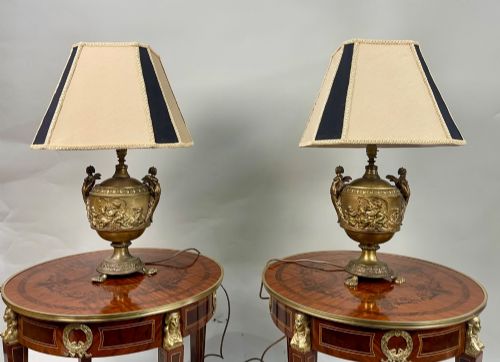
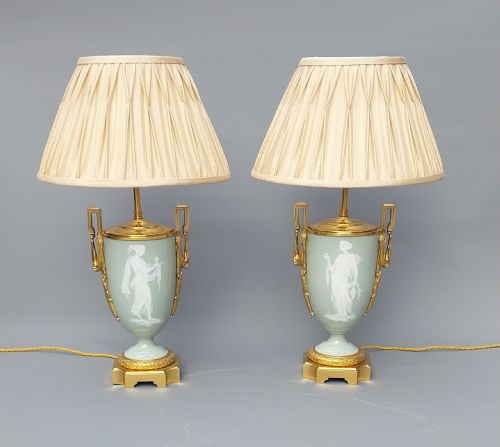
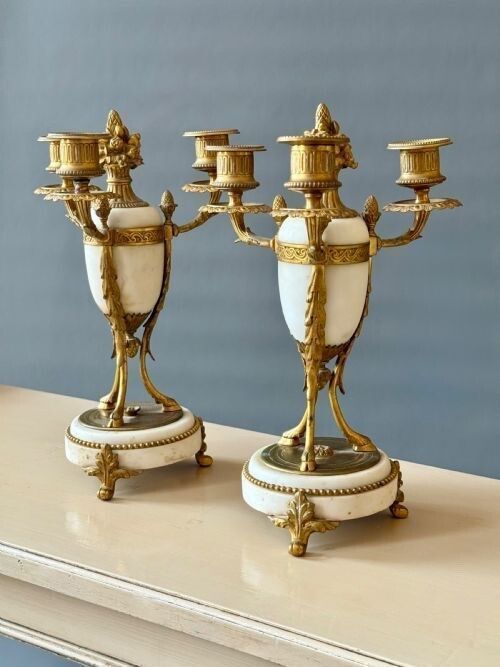
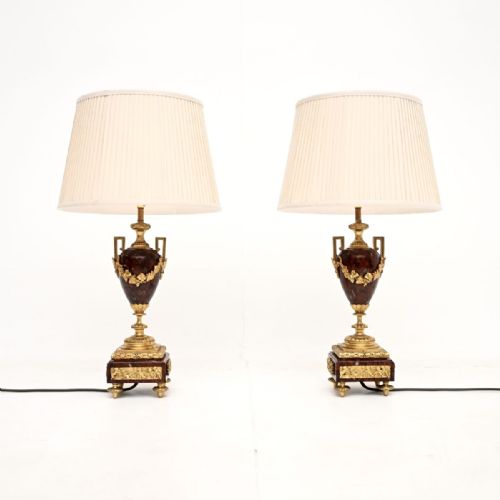
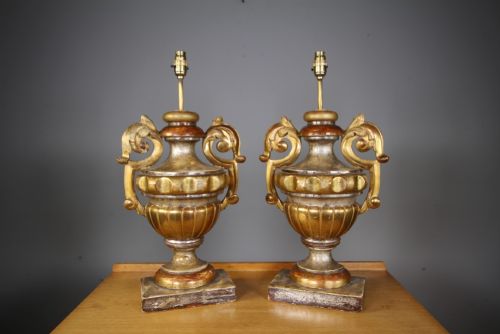
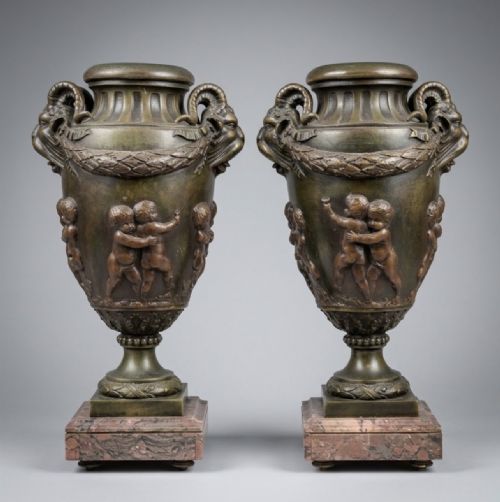
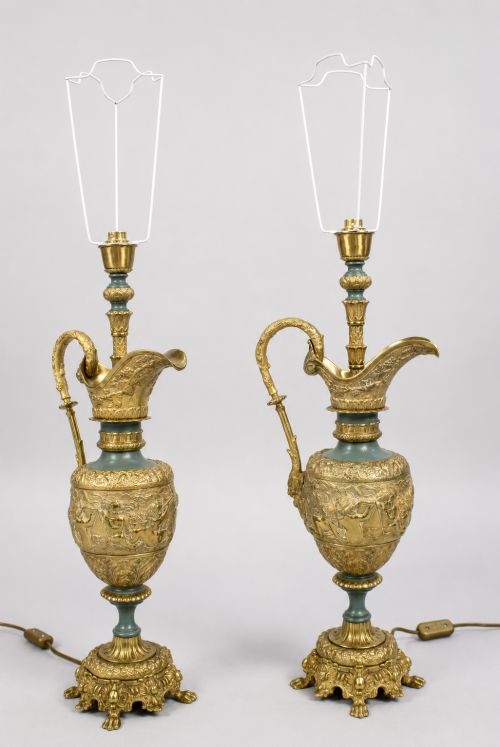
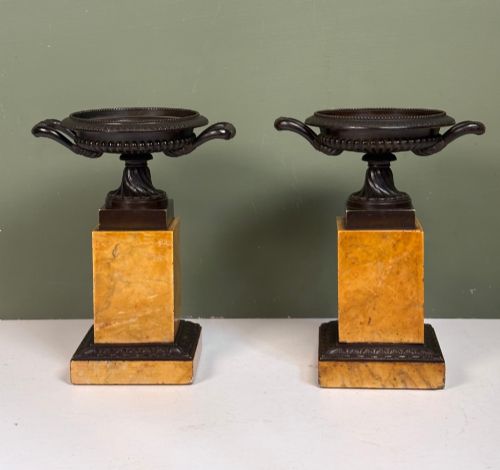
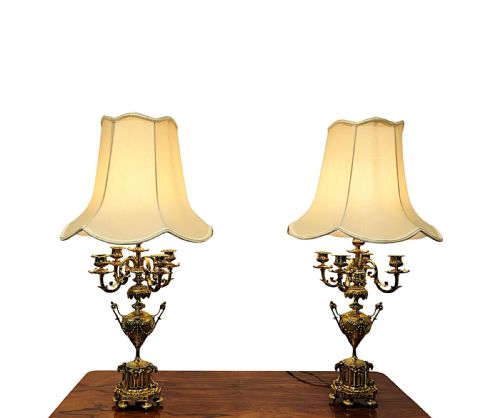
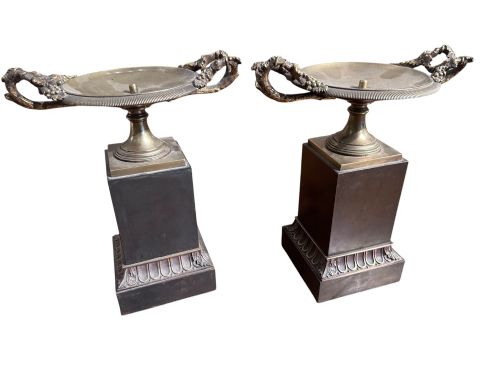
These pieces are a french neoclassical urn pair, symmetrical decorative objects and converted lamps cast in bronze, ormolu, and marble.
French Neoclassical Urn Pair
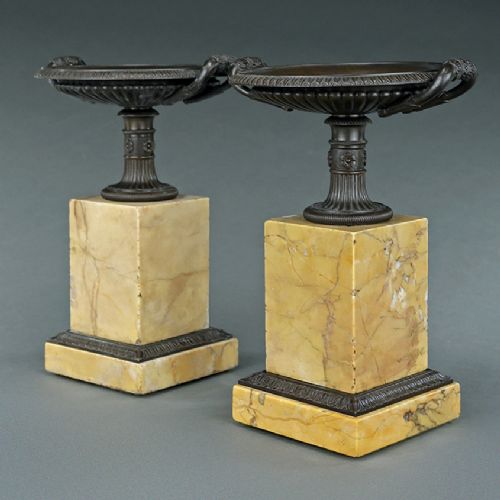
When searching for a french neoclassical urn pair, collectors encounter items spanning the nineteenth century through the early twentieth century. The forms range from campana urns and tazzas to classical vases mounted with classical motifs.
Many examples date from the 1800s and later revivals, reflecting Louis XVI style and French Empire aesthetics. These dual objects often serve as table lamps, mantel ornaments, or architectural accents.
The materials combine carved marble bases with metal bodies, frequently incorporating gilt bronze or ormolu mounts. Grand Tour pieces from the nineteenth century are common within this grouping.
Materials and Construction
The construction relies heavily on cast bronze, spelter, and brass paired with turned marble such as Siena, Campan vert, and white or rouge varieties. Gilt bronze and ormolu provide surface enrichment through chemical gilding techniques applied to the metal components.
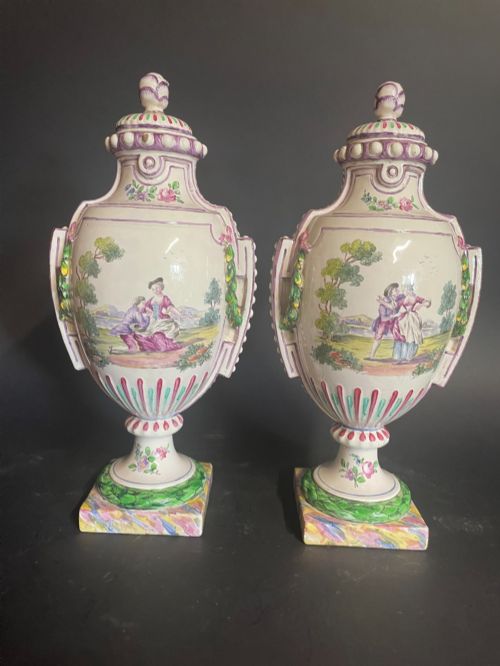
Marble elements are turned and polished to form plinths and bodies, supporting metal handles, rims, and putti reliefs. Porcelain bodies also appear, decorated with enamel and hand-painted scenes alongside metal mounts.
French Neoclassical Urn Pair Retail Price Guide 2026
Typical asking prices for french neoclassical urn pair among the pieces listed under this phrase on Sellingantiques today, from the lower quarter to the upper quarter. They describe what is for sale here now, not the wider market.
Object configurations include tazzas, campana urns, wall sconces, and candelabra converted into table lamps.
Design and Execution
The crispness of the casting in the bronze and ormolu separates standard items from finer works, particularly where relief details like ram's head masks or putti are rendered. The selection and figuring of the marble base add significant weight to the visual presence of the object.
Proportion and the integration of mounts dictate the success of the pair, alongside the preservation of the original gilding and surface patination.
Meissen·Limoges
The French Neoclassical Urn Pair Glossary
- Ormolu
- Gilt bronze applied to decorative arts, created by fusing a mercury and gold amalgam to a bronze base. This technique produces a characteristic warm golden lustre on nineteenth-century mounts.
- Tazza
- A shallow bowl or vase raised on a stem and foot, frequently utilised in classical designs. These forms appear in bronze and marble combinations within Grand Tour collections.
- Campana Urn
- A bell-shaped vessel with an everted rim and footed base, named after ancient pottery shapes. They form a staple silhouette in neoclassical decorative metalwork.
- Grand Tour
- The nineteenth-century practice of travelling through Europe to collect classical antiquities and souvenirs. Pieces from this tradition often replicate archaeological finds in miniature.
- Cassolette
- A decorative vase featuring a reversible lid that functions either as a solid urn or an incense burner. They typically incorporate ormolu mounts and marble bodies.
French Neoclassical Urn Pair: Frequently Asked Questions
What is a french neoclassical urn pair?
These items are matched pairs of decorative vessels or lamps inspired by classical antiquity and Louis XVI design. They combine stone and metal elements created in France during the nineteenth century.
Such pairs were designed for symmetrical placement on mantelpieces, side tables, or architectural consoles to bring classical balance to an interior.
Were these urns originally lamps?
Many examples were originally created as decorative urns, tazzas, or candelabra during the nineteenth century and were wired for electricity much later. Conversions are standard practice for surviving pairs adapted for modern lighting.
Original lamp forms with built-in fittings also date to the late nineteenth and early twentieth centuries.
How do I date these urns?
Dating relies on examining the casting quality of the bronze, the type of marble used, and the assembly methods of the mounts. Nineteenth-century pieces often display hand-chased metalwork and specific patination.
Revival periods from the late nineteenth century imitate eighteenth-century Louis XVI models, identifiable through manufacturing techniques.
Where should I place them?
A matched pair requires a symmetrical setting, such as either end of a sideboard, a large mantelpiece, or flanking a mirror. Their height and visual weight anchor large wall spaces or table settings.
Using them as table lamps brings classical proportion and soft illumination to living spaces.