


French Neoclassical Stand
A french neoclassical stand brings disciplined proportion and classical bronze or marble into a room, offering a sturdy perch for lamps, urns or plants.
French Neoclassical Stand
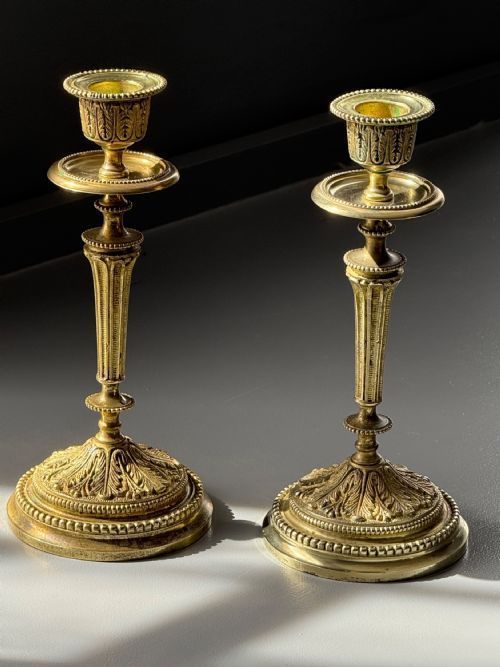
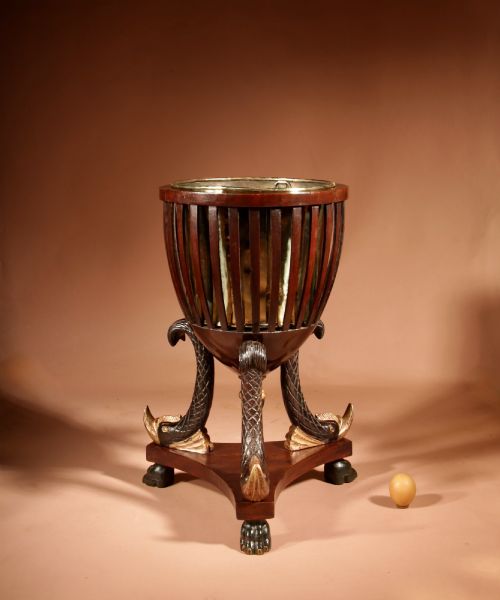
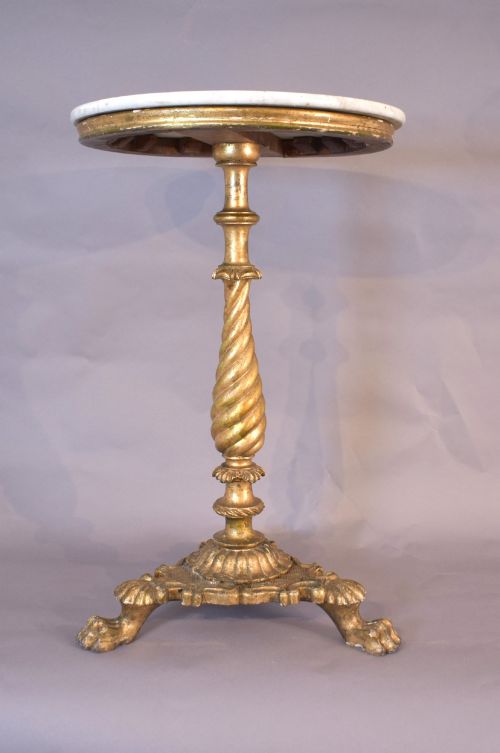
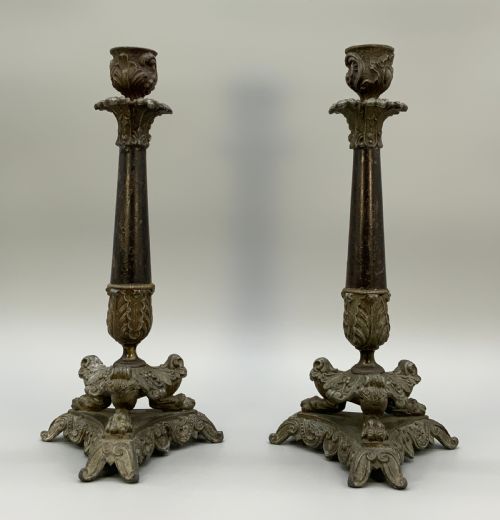
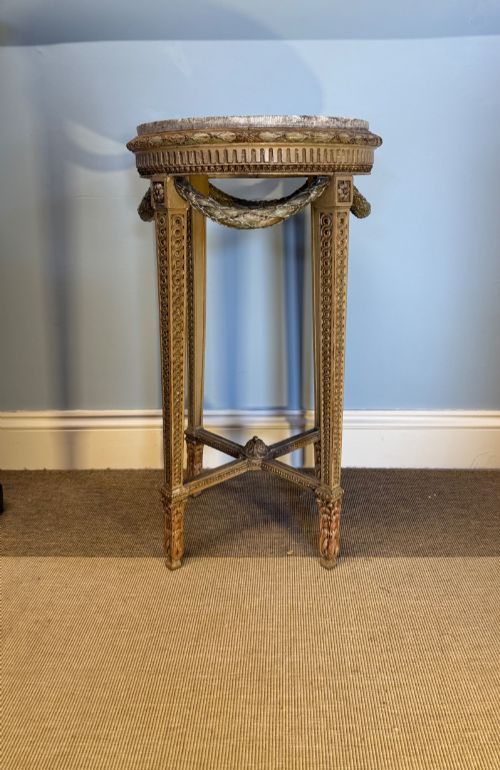
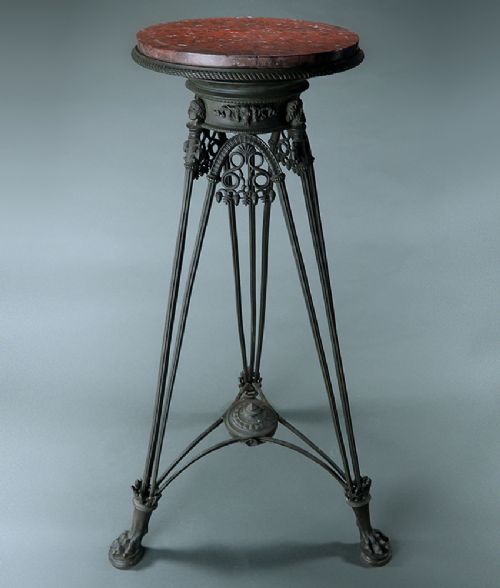
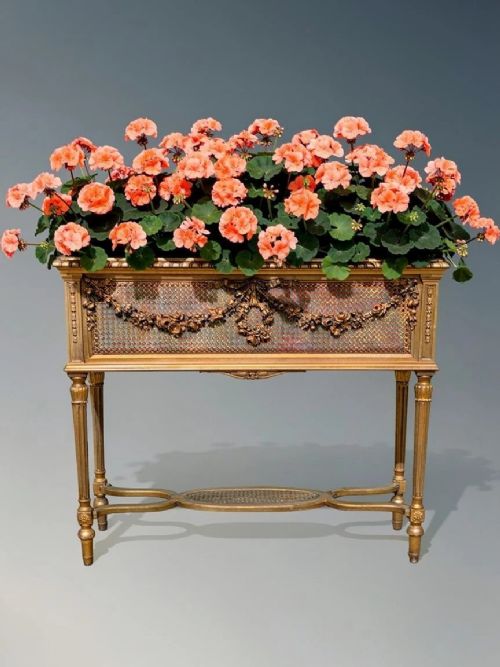
A french neoclassical stand draws on classical antiquity through columnar supports, tripod bases and clean architectural lines. Buyers seeking this form will encounter side tables, marble-topped guéridons, pedestals and plant stands spanning the nineteenth and early twentieth centuries.
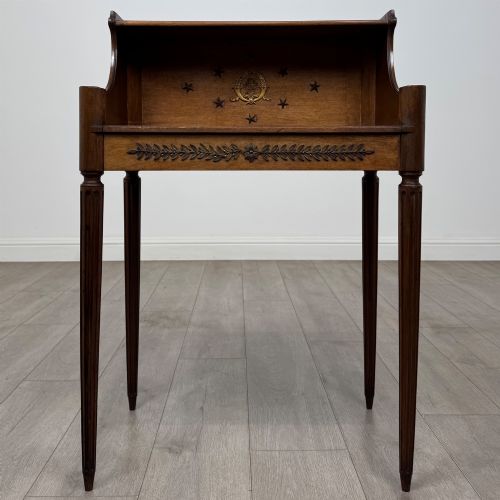
The materials align closely with classical vocabularies, pairing white or variegated marble tops with mahogany, giltwood or patinated bronze frames. Many examples incorporate tiers or canework, serving practical domestic uses while maintaining formal restraint.
Origins trace across French Empire, Louis XVI and Regency idioms, often expressed through revival pieces produced later in the nineteenth century. These objects function equally as display plinths for sculpture or as small tables beside seating.
Materials and construction
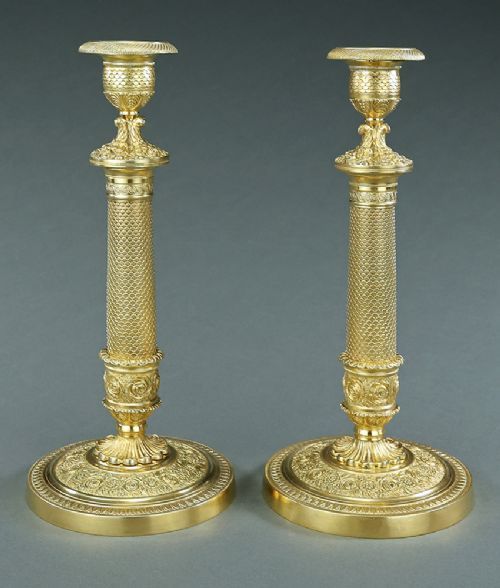
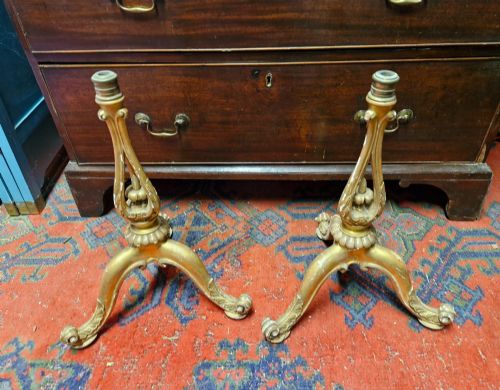
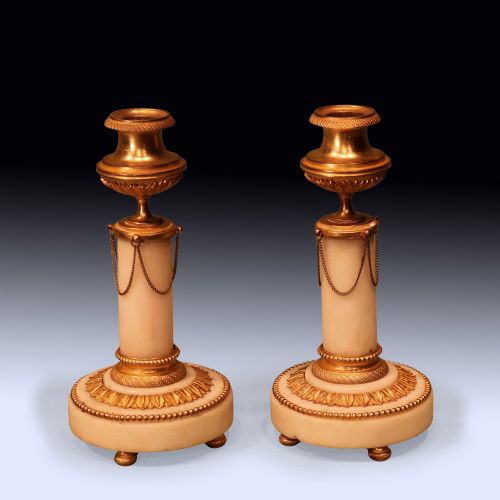
Foundational structures combine native hardwoods like mahogany with cast metals, utilising brass, bronze and ormolu for mounts and feet. Ormolu provides a rich gilded contrast against dark woods and patinated surfaces.
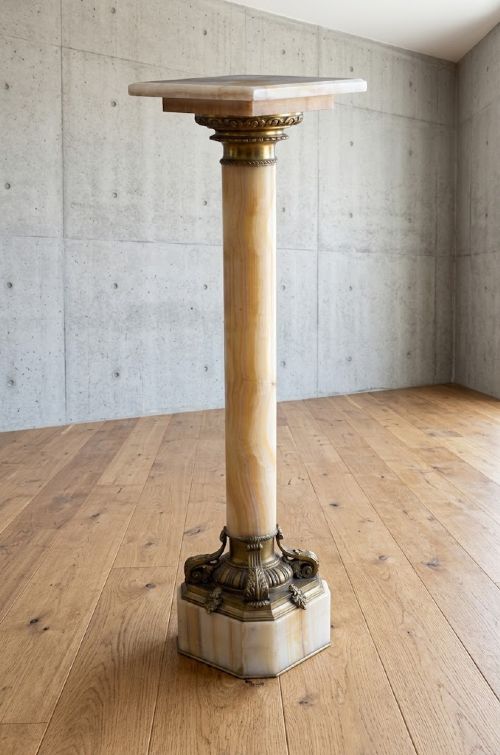
Stone elements rely on inset marble slabs, onyx columns and gesso detailing to build heavy, tactile surfaces. Joinery balances the weight of stone tops with stable tripod or columnar wooden bases.
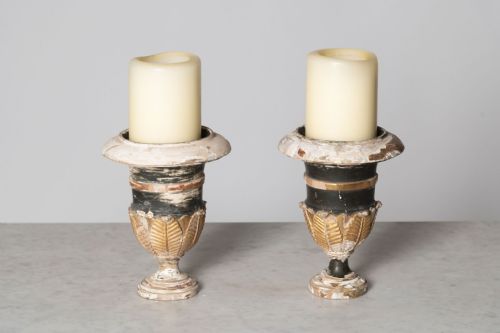
The object forms span side tables, guéridons, pedestals, plant stands, candlesticks and floor lamps adhering to classical French design idioms.
Judging quality in a french neoclassical stand
Quality rests in the crispness of metal casting and the depth of mercury gilding on ormolu mounts. Finer pieces display sharply chased acanthus leaves, classical figures and structural fittings integrated smoothly into the wood or stone.
The selection of stone dictates the upper tier of execution, where flawless marble or translucent onyx tops meet tight structural tolerances. Inferior versions rely on moulded composition ornament rather than hand-chiselled bronze and solid timber.
Rabiat·Dugourc·Weisweiler
The French Neoclassical Stand Glossary
- Ormolu
- Gilded bronze produced by applying a gold and mercury amalgam to a bronze base and heating it. It yields a rich, matte gold surface characteristic of classical furniture.
- Caryatid
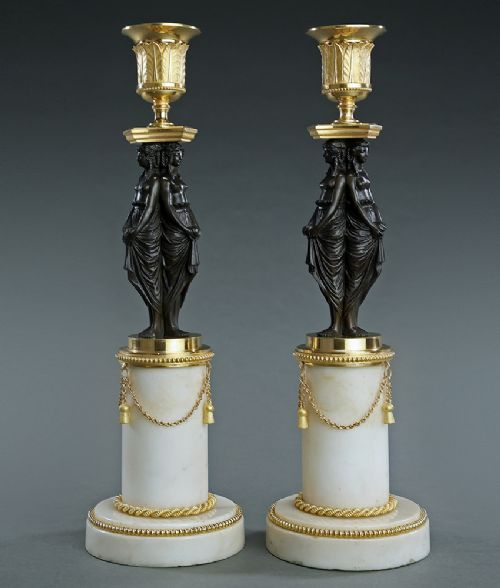
- A sculpted female figure serving as an architectural support in place of a column. They appear frequently on classical stands and candlesticks.
- Vert de Patricia
- A distinct green marble variety used for columns and table tops. Its mottled appearance mimics classical Italian stones.
- Tazza
- A shallow saucer-like ornamental cup or dish mounted on a stem and foot. These appear in gilt bronze on classical display pieces.
French Neoclassical Stand: Frequently Asked Questions
How do I style a french neoclassical stand at home?
Place a marble-topped guéridon beside an armchair to hold a small lamp or a stack of books. The stone surface handles daily use well while adding architectural weight to a corner.
Keep surrounding furniture simple to let the classical proportions and ormolu mounts command attention without cluttering the room.
What is the difference between Empire and Louis XVI stands?
Louis XVI pieces favour lighter fluted columns, rectilinear geometry and restrained ribbon or floral carvings. They reflect an archaeological interest in excavated Roman ruins.
Empire stands lean heavier and more martial, incorporating bronze caryatids, sphinxes and deep mahogany or giltwood surfaces inspired by Napoleonic victories.
Are marble tops original to these stands?
Most marble and onyx inserts on nineteenth-century pieces are original, cut specifically to fit the recessed wooden channels of the frame. The weight of the stone often keeps it anchored without adhesive.
Inspect the underside of the top to check for matching edge profiles and consistent weathering that aligns with the age of the base.
How do I care for ormolu and gilt bronze?
Dust gilt bronze mounts gently with a dry, soft-bristled brush to remove settled particles. Avoid liquid cleaners and polishes, which strip the delicate gold amalgam layer.
Keep the metal away from direct dampness and moisture to prevent oxidation beneath the gilded surface.