




French Neoclassical Low Table
A french neoclassical low table brings classical restraint to a sitting room, offering stone and metal surfaces sized for modern living.
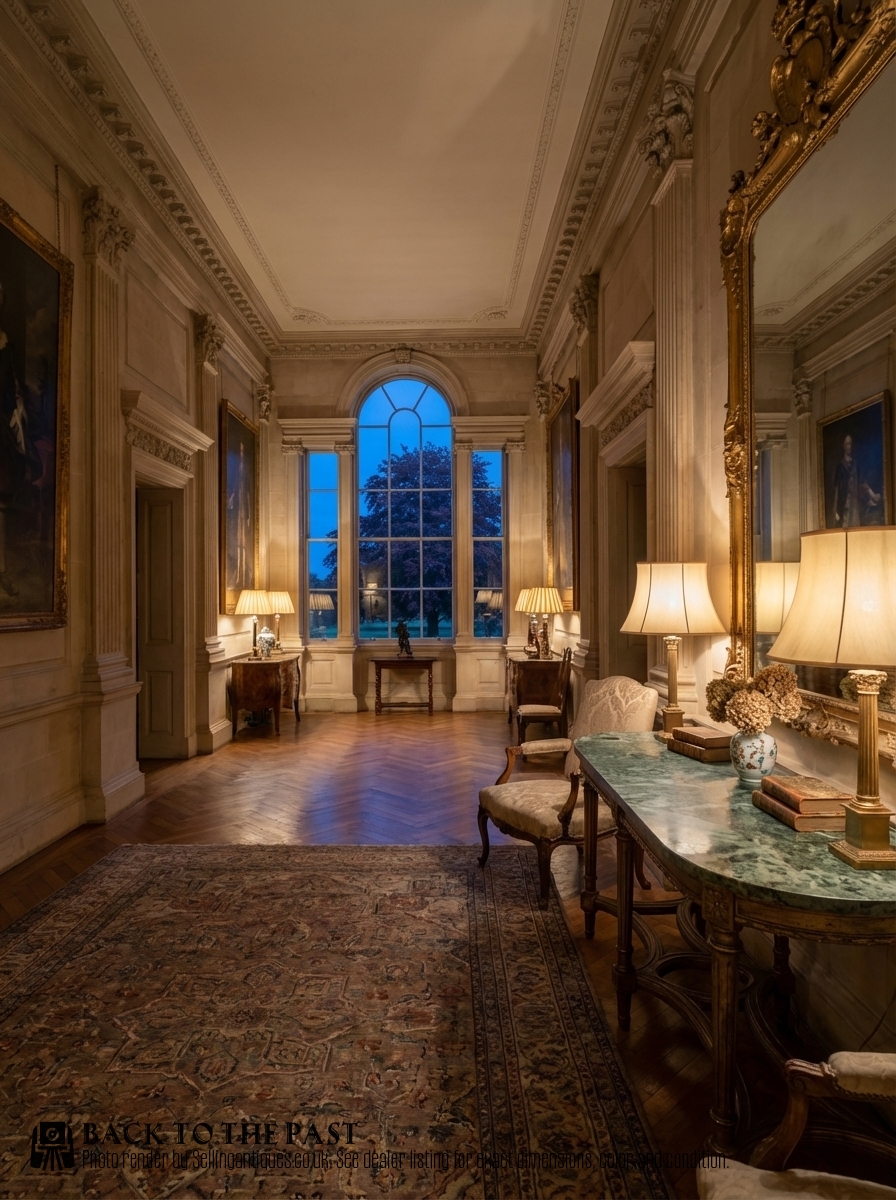
French Neoclassical Low Table
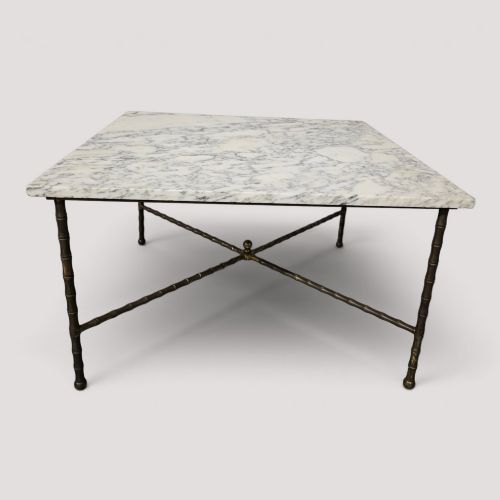
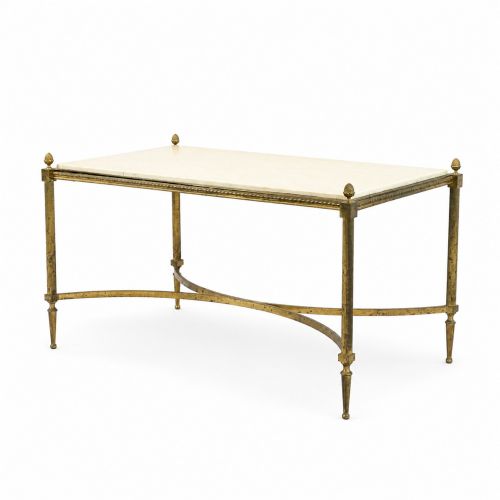
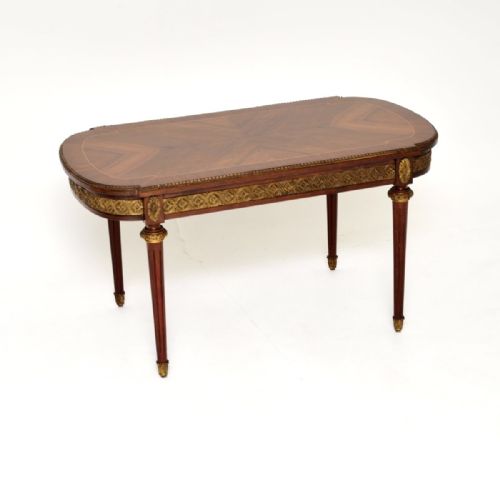
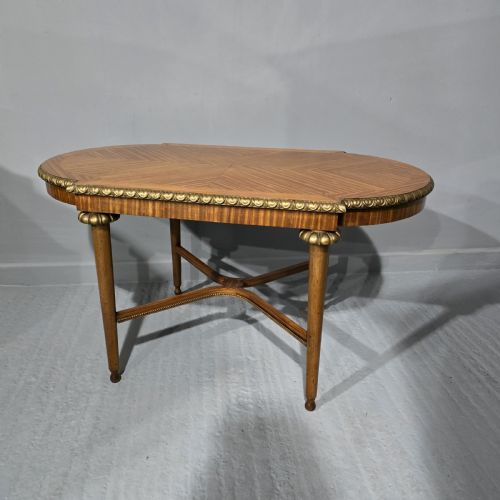
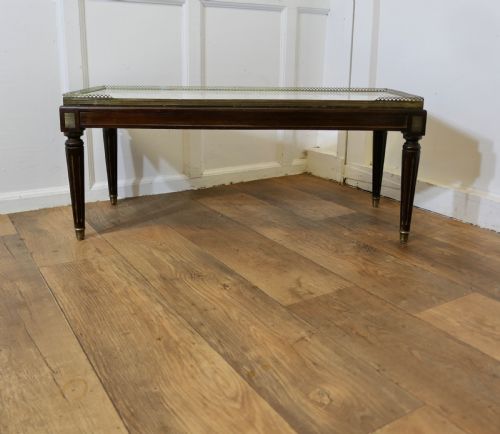
A french neoclassical low table combines classical architectural motifs with the lower proportions required for modern seating arrangements. These pieces appear primarily as coffee tables and side tables, adapting classical forms for everyday utility.
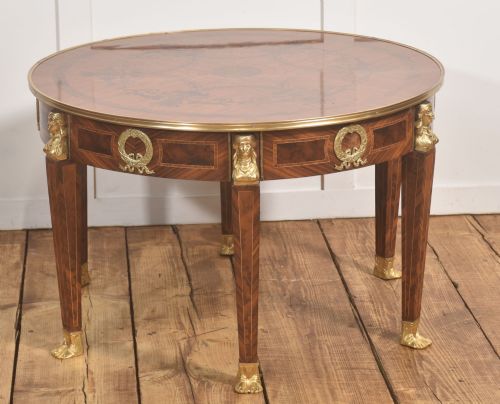
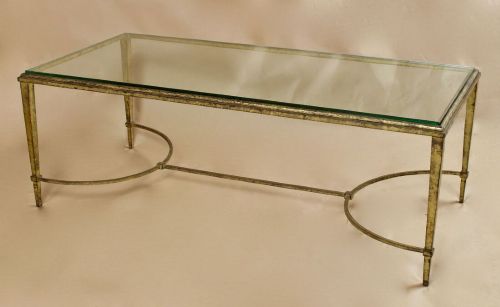
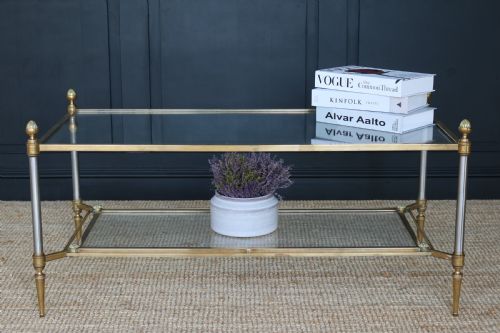
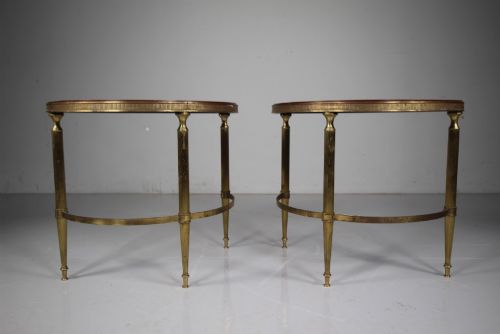
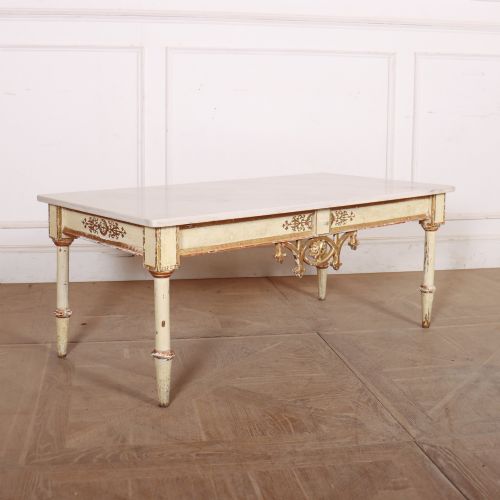
The selections span the nineteenth century through the mid twentieth century, including revival styles like Louis XVI and Empire. Pieces frequently adopt forms such as demi-lune side tables or rectangular coffee tables with inset stone tops.
Origins trace across France and Italy, reflecting continental taste during periods ranging from the eighteen nineties to the nineteen thirties. Buyers encounter both strict classical adherence and decorative Hollywood Regency interpretations.
How they were made
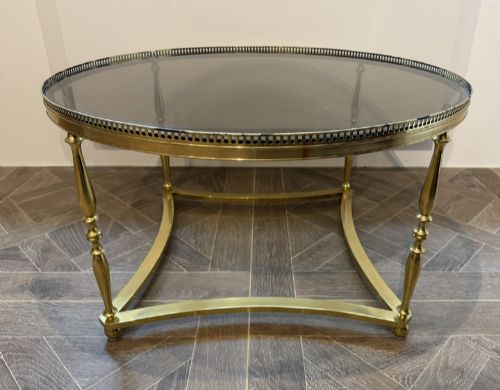
Construction relies on a combination of hardwoods and metals, paired with heavy stone surfaces. Walnut, satinwood, and giltwood provide the structural frames, often enhanced by ormolu mounts and cast bronze details.
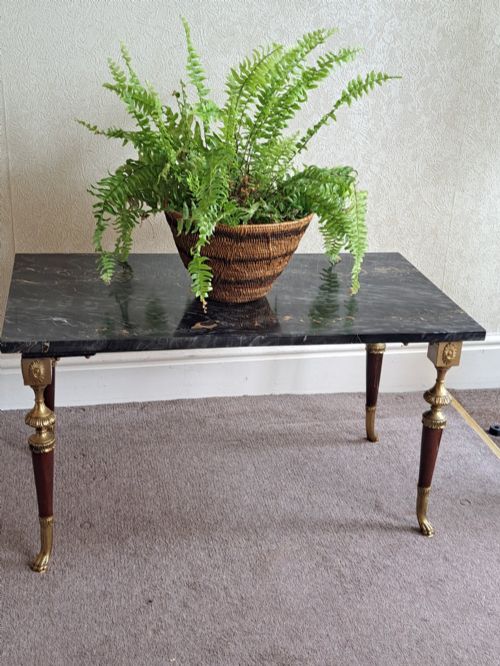
Tops feature polished marble or inset glass, supported by frames of brass, iron, or painted wood. Inlaid veneers and decorative painted finishes add surface pattern to the wooden elements of the tables.
French Neoclassical Low Table Retail Price Guide 2026
Typical asking prices for french neoclassical low table among the pieces listed under this phrase on Sellingantiques today, from the lower quarter to the upper quarter. They describe what is for sale here now, not the wider market.
Current listings span from the nineteenth century to nineteen sixty, featuring materials like marble, giltwood, brass, and walnut.
What varies in quality
The refinement of the cast metal mounts and the choice of stone dictate the upper tier of these pieces. Fine ormolu mounts and thick, well-figured marble slabs distinguish superior examples from simpler production.
Joinery execution and timber selection separate workshop pieces from standard decorative items. The crispness of carved details in giltwood and the precision of inlaid walnut indicate the level of craftsmanship involved.
Maison Jansen·Masion Ramsay
The French Neoclassical Low Table Glossary
- Ormolu
- Gilded bronze mounts applied to furniture. This technique provides metallic ornamentation on wood surfaces.
- Demi-lune
- Half-moon shape in furniture design. These tables sit flat against a wall or serve as companion pieces.
- Satinwood
- A hard, yellow timber used for fine cabinet-making. It takes a high polish and provides a bright, reflective surface.
- Louis XVI Style
- A revival style characterised by straight lines and classical symmetry. It draws upon eighteenth-century French design vocabulary.
French Neoclassical Low Table: Frequently Asked Questions
What is a french neoclassical low table?
It is a low surface inspired by classical architecture, designed for use as a coffee or side table.
These pieces use traditional materials like marble, brass, and wood to create formal proportions suited to contemporary seating areas.
How do I date these tables?
Dating relies on materials, construction methods, and stylistic revival cues seen across the pieces.
Items span the nineteenth century through the twentieth century, with distinct periods like the nineteen thirties showing specific manufacturing techniques.
Are marble tops original?
Most marble tops are original to the frames, fitted specifically to the wooden or metal structures.
Heavy stone inserts were standard for these designs to provide a durable and decorative surface.
How do I style a low table?
Pair the classical lines with simple upholstery to let the bronze, brass, and marble details stand out.
Keep surface objects minimal to showcase the wood grain, inlay, and stone patterns of the top.