


French Neoclassical Candlesticks
French neoclassical candlesticks combine severe architectural lines with rich gilding, offering steady illumination and a disciplined sense of proportion.
French Neoclassical Candlesticks
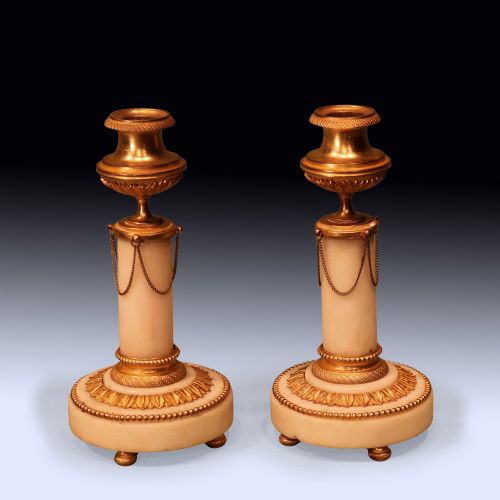
When buyers search for French neoclassical candlesticks, they encounter items built upon classical antiquity, often drawing directly on architectural columns, caryatids, and urn motifs. These objects range from strict Louis XVI period pairs to later interpretations from the nineteenth century styled in the manner of the Empire or Restauration eras.
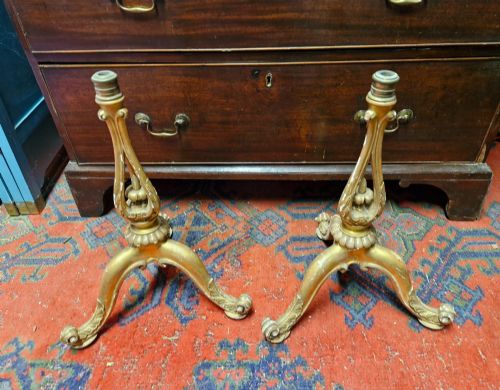
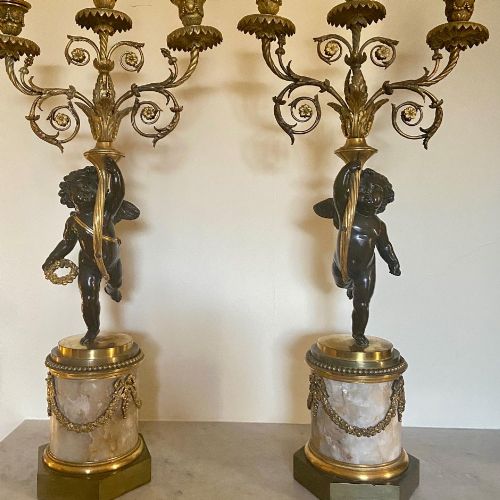
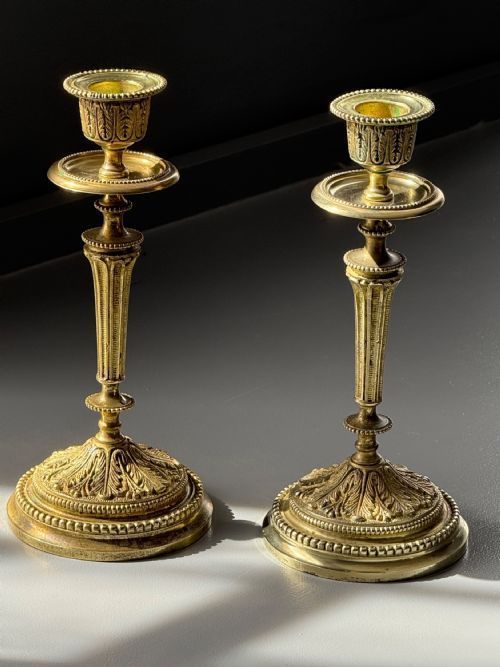
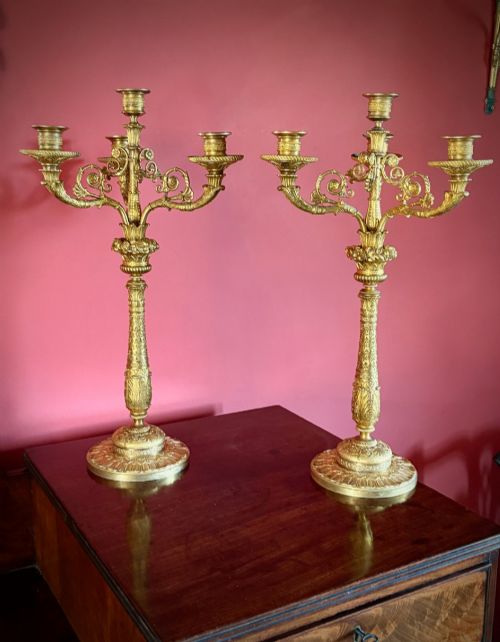
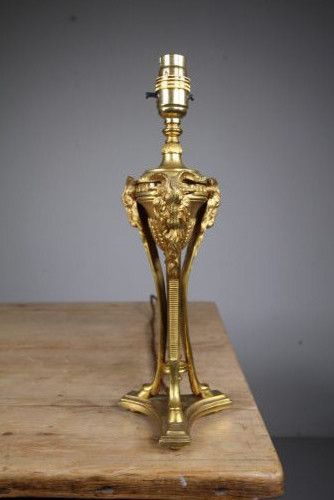
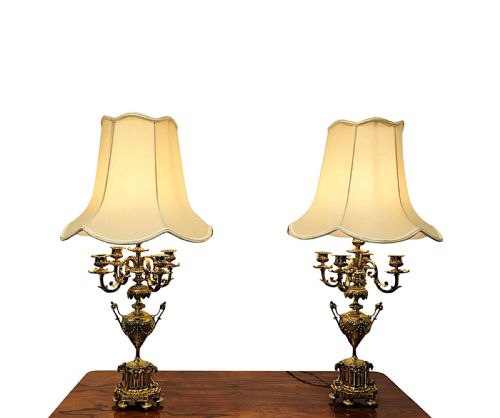
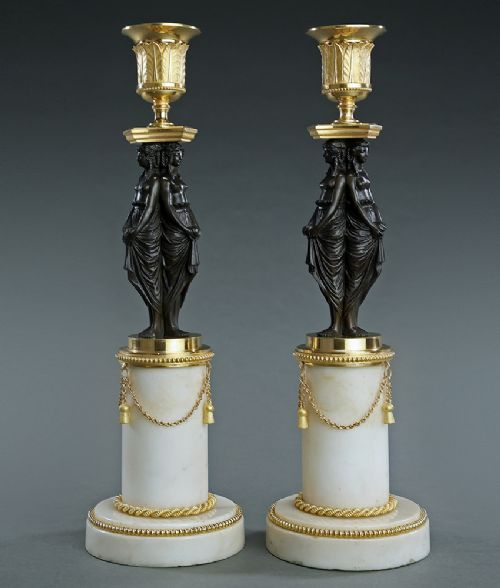
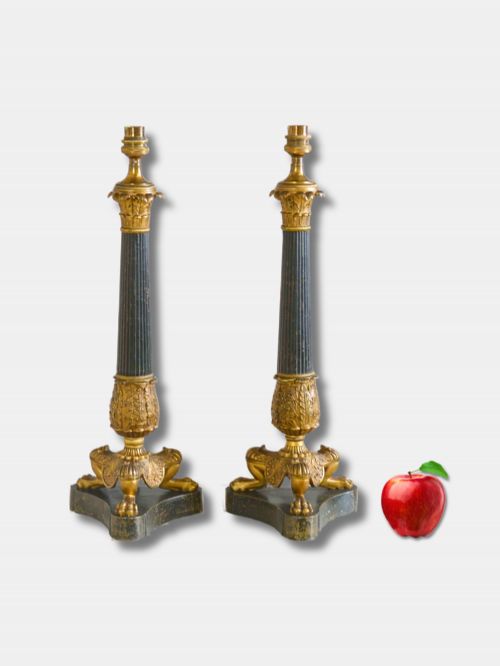
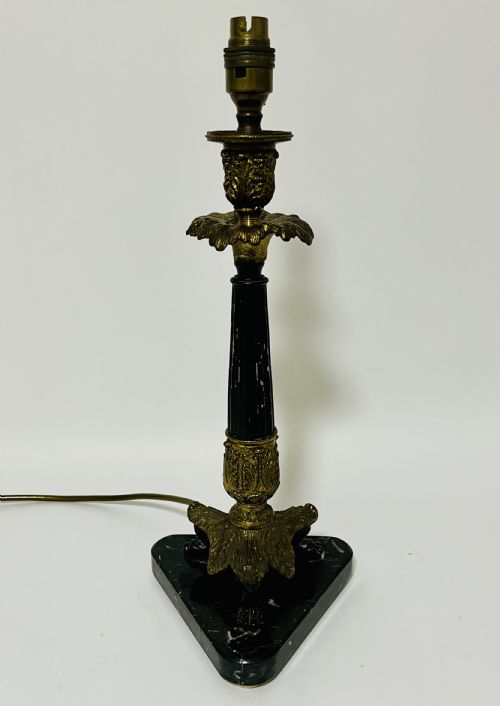
The most common form on this page is the pair of metal candlesticks or candelabra, frequently elevated on marble plinths or featuring cast bronze putti. Many examples survive in modified states, having been wired for electricity as table lamps or bouillotte lamps over subsequent decades.
Materials and construction
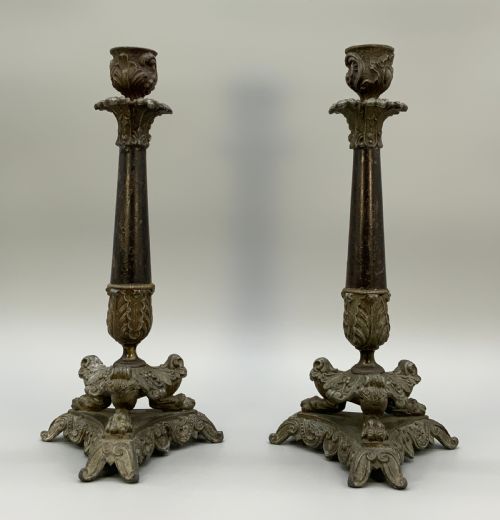
The primary metalwork relies on bronze, brass, and cast metal, frequently utilising ormolu to provide a brilliant gilded surface alongside dark patinated bronze. Foundries combined these metallic components with natural stones, mounting shafts upon white, sienna, or black marble plinths.
Casting methods allowed for intricate detailing, such as lions' paw feet, ram's head mounts, and classical foliage. Many pieces incorporate applied patination to create textural contrast between the polished highlights and the shadowed recesses of the metal.
Several pairs feature winged putti standing ready to hold your light, proving that even strict neoclassical design occasionally needs a mischievous helper.
Evaluating craftsmanship
Material selection also dictates the hierarchy, with heavy fire-gilt ormolu and solid marble bases sitting well above light spelter or painted substitutes. The integration of structural elements, such as steady column joins and balanced drip pans, determines how well a pair holds its posture over time.
Jean Démosthène Dugourc·Claude Clodion·Francois Redmond·Galle
The French Neoclassical Candlesticks Glossary
- Ormolu
- Gilded bronze produced by applying a mixture of mercury and gold to a bronze base and heating it until the mercury vaporised. This historic technique leaves a durable, deep golden finish.
- Caryatid
- A sculpted female figure serving as an architectural support in place of a column. They frequently appear supporting the shafts of classical candlesticks.
- Bouillotte lamp
- A type of adjustable metal desk lamp featuring a central shaft, multiple candle arms, and a distinctive toleware or metal shade. It originates from the card game of the same name.
- Patinated bronze
- Bronze that has been chemically treated to alter its surface colour, usually resulting in a dark brown or greenish tone. This treatment highlights the brighter gilt elements nearby.
- Grand Tour
- A traditional trip through Europe undertaken by upper-class young men in the eighteenth and nineteenth centuries. Souvenirs collected on these journeys often included classical bronzes and candelabra.
French Neoclassical Candlesticks: Frequently Asked Questions
How do I clean ormolu candlesticks?
Dust the surfaces gently with a soft, dry brush to prevent accumulation in the detailed chasing. Avoid harsh chemical cleaners or abrasive polishes, which can strip away the historic gilding.
If the metal requires further attention, consult a professional conservator who understands historical fire-gilded bronze. Water and moisture should be kept away from any integrated marble or fabric components.
Were these candlesticks converted to lamps?
Many nineteenth-century examples on the market were adapted for electricity during the twentieth century. This conversion often involved running a cord through the central column.
Buyers should inspect the wiring and base fixings to determine if the alteration was done cleanly. Original components are sometimes retained inside the weighted base.
What is the difference between an Empire and a Louis XVI candlestick?
Louis XVI pieces draw on lighter, more delicate classical geometries with straight fluted columns and restrained floral swags. They reflect an archaeological interest in ancient Rome and Greece.
Empire candlesticks tend to be heavier and more imposing, driven by military motifs, winged figures, and bold ormolu contrasts. They celebrate the authority of the Napoleonic era.
Can I use real candles in antique candelabra?
Most antique sockets and drip pans accommodate standard taper candles, provided the diameter matches the nozzle. Care must be taken to catch dripping wax before it reaches vulnerable ormolu or marble surfaces.
For daily use, many owners prefer to keep converted electric versions lit for safety. If burning wax, extinguish the flame before it burns down to the metal holder.