




French Mid Century Lamp
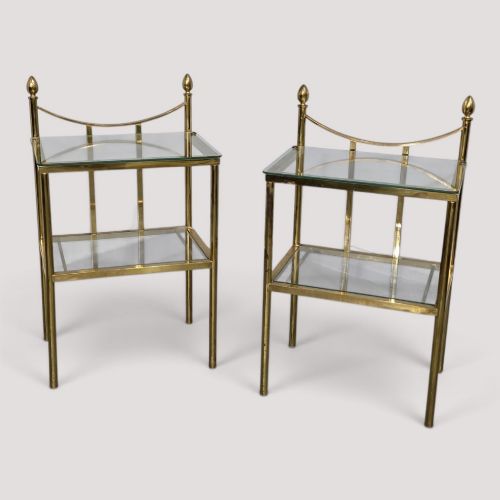
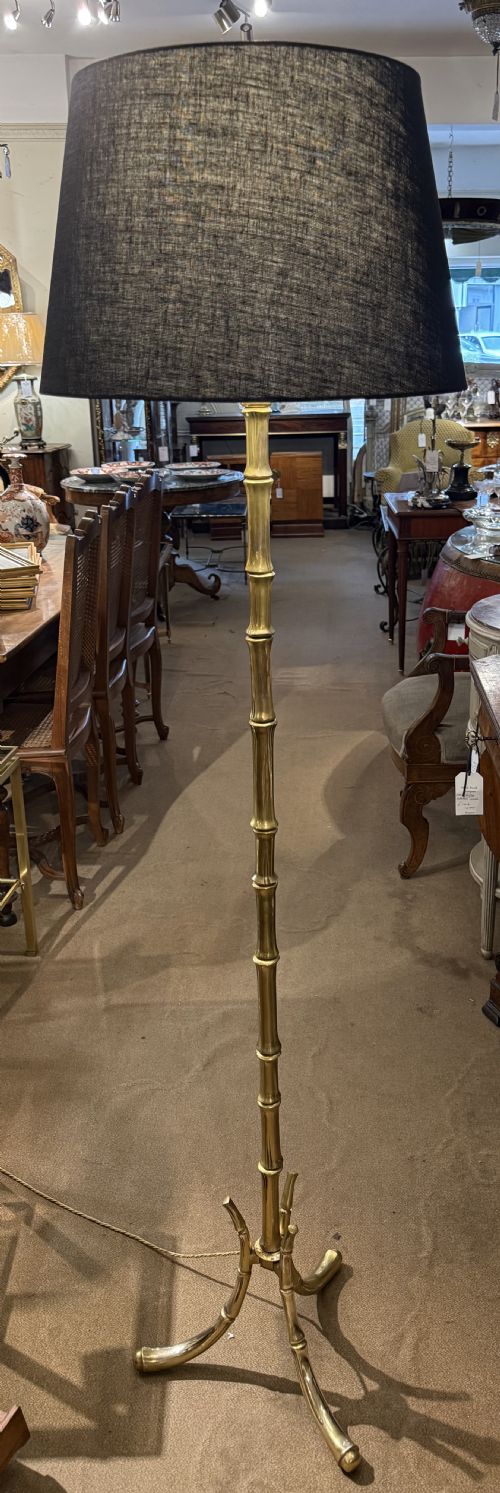
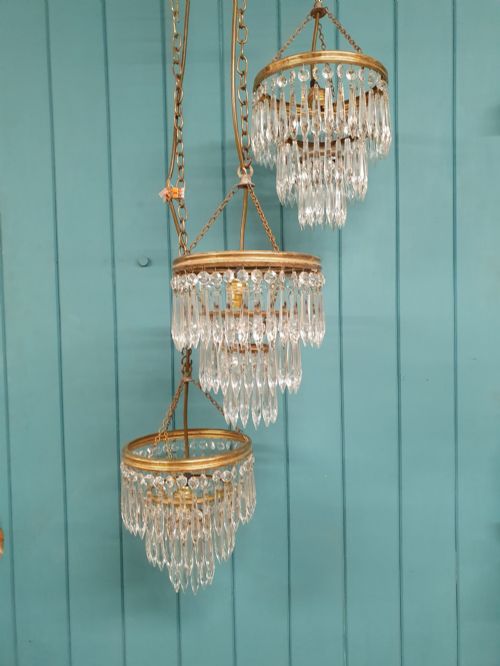
These pieces sold as a french mid century lamp combine brass, glass and marble to illuminate interiors with distinct continental character.
French Mid Century Lamp
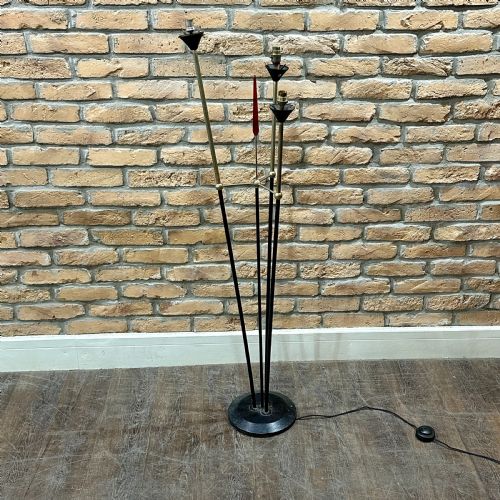
A french mid century lamp brings together functional lighting and decorative presence through varied forms like floor lamps, table lamps and wall lights. Buyers searching this phrase encounter items spanning the nineteenth and twentieth centuries alongside earlier eighteenth century pieces.
Materials and construction
Makers utilised durable metals such as brass, bronze and gilt metal combined with glass, crystal and marble elements to build structural integrity and visual weight.
Fabric shades and detailed mounts complete pieces that frequently integrate wiring into historical urn shapes, torchères and columnar forms.
A modernist floral still life painting sneaks into the lighting selection alongside pigeon lamps and clock posts.
Distinctions in quality
Quality rests in the precision of metalwork and the weight of materials like bronze, brass and marble used in the construction.
Finished surfaces display differing levels of hand-applied gilding and patination that separate standard production from finer examples.
Maison Bagues·RENE MATHIEU·François Christophe Armand Toussaint·Jaeger Le Coultre
The French Mid Century Lamp Glossary
- Gilt metal
- Metal treated with a gold-coloured finish or thin layer of gold to simulate solid gold. This treatment appears frequently on twentieth-century lighting.
- Patinated bronze
- Bronze that has developed a darkened surface sheen through age or chemical treatment. It provides contrast against bright gilt details.
- Torchère
- A tall ornamental stand or candlestick adapted to hold light fixtures. Mid-nineteenth-century examples often incorporate figural bronze designs.
- Urn shaped
- A vessel form tapering toward the base, commonly utilised for lamp bodies. This classical shape appears across multiple periods in the archive.
French Mid Century Lamp: Frequently Asked Questions
What periods do these lamps cover?
The inventory spans from the eighteenth century through the nineteenth century and into the mid twentieth century, reflecting varied decorative movements.
Items date across several decades including the nineteen twenties, thirties, fifties and sixties alongside earlier antique examples.
Are these lamps suitable for daily use?
Many pieces function as practical floor lamps, table lamps and wall lights designed for domestic illumination.
Buyers should verify wiring standards and compatibility with modern electrical systems before installation.
What materials are most common?
Brass, gilt metal, glass and marble form the primary structural components across the lighting selection.
Additional materials include wrought iron, crystal and bronze incorporated into sculptural and decorative bases.
How do styles differ across the selection?
Styles range from mid-century modern and Hollywood regency to neoclassical revival and French chateau aesthetics.
Earlier nineteenth-century pieces lean toward classical bronze figural torchères while later items embrace modernist simplicity.