

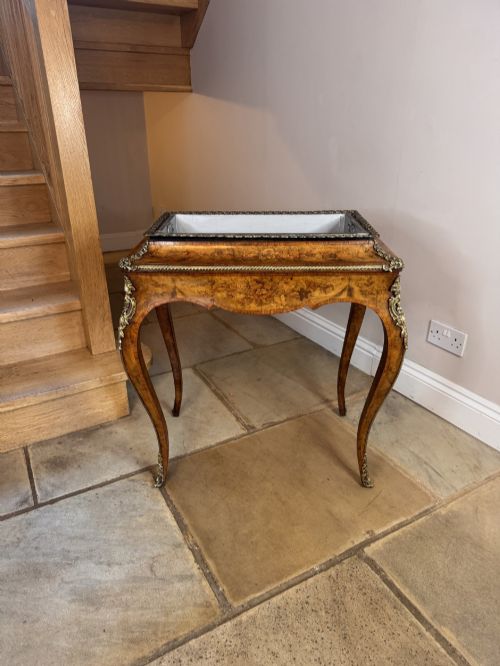

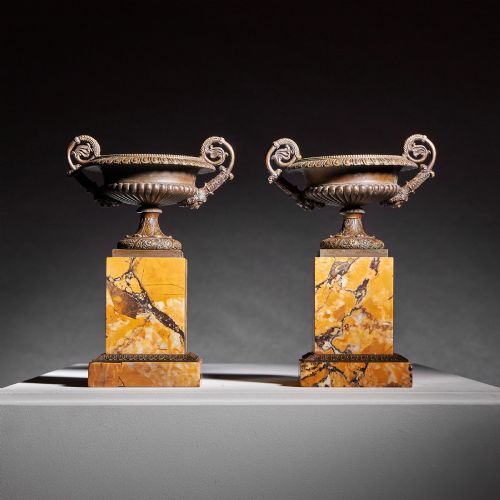
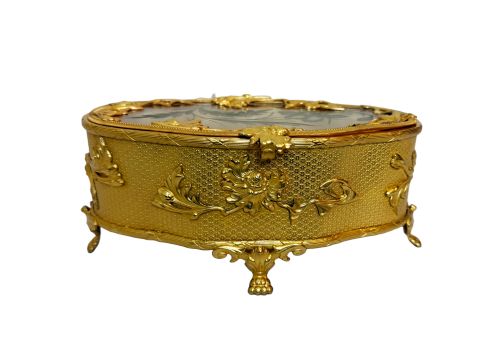
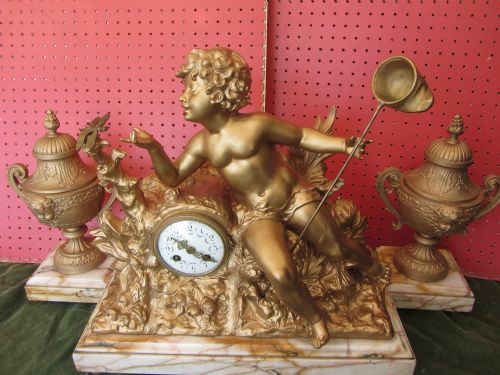
French Metal Table
These pieces known as a french metal table bring substantial character to a room through varied forms from the nineteenth century onward.
French Metal Table
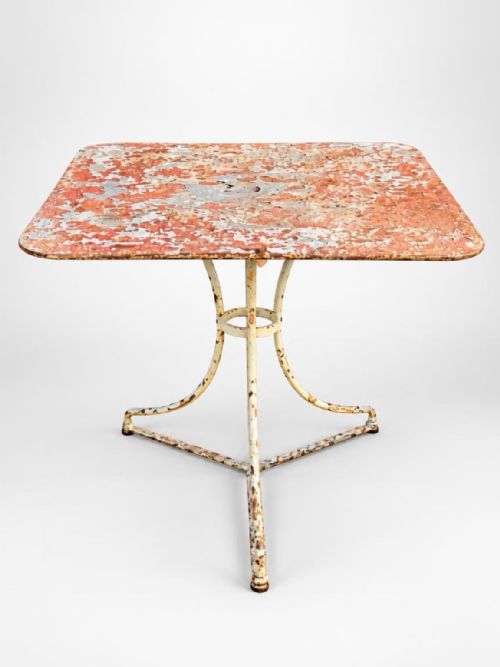
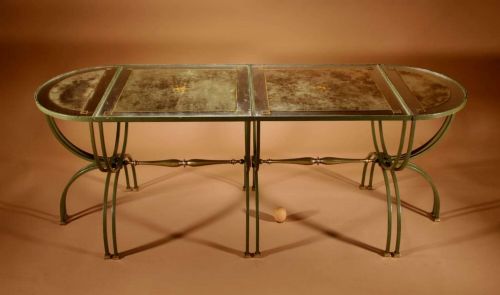
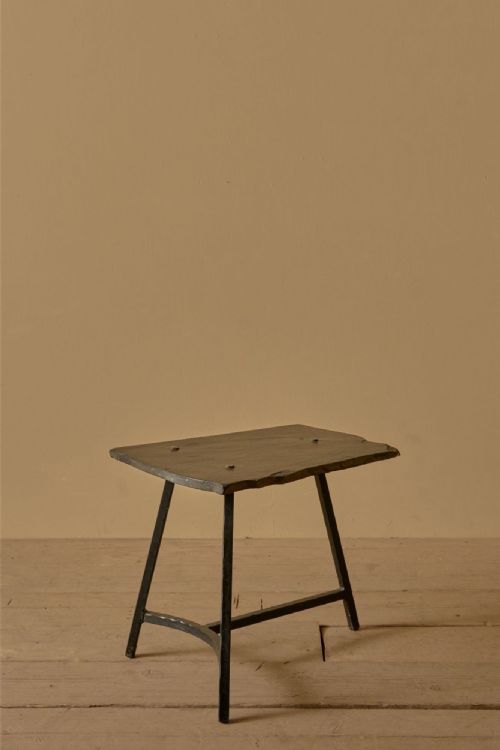
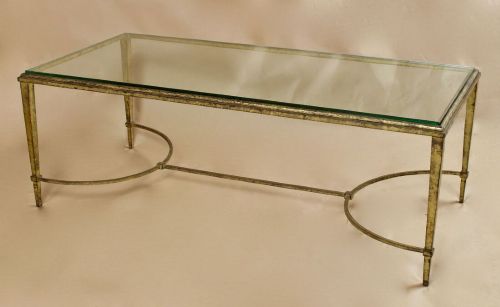
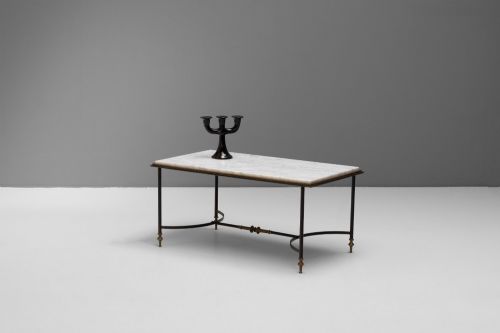
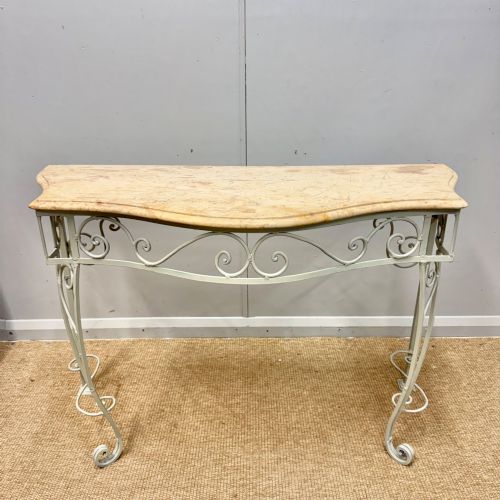
When you search for a french metal table, you encounter diverse domestic and garden furnishings spanning periods from the nineteenth century to the mid twentieth century. The selections on this page incorporate coffee tables, console tables, side tables, and garden tables made with structural metal components.
Makers and manufacturers utilised iron, brass, bronze, and steel, frequently combining these metals with stone, glass, and wood surfaces. Designs range from heavy nineteenth century garden furniture and wrought iron console tables to streamlined Art Deco pieces from the 1920s and 1940s.
The most common forms on this page include sturdy garden tables, marble topped console tables, and glass top coffee tables framed in wrought iron or gilt metal. These items reflect stylistic shifts across French periods including the Empire, Napoleon III, Art Nouveau, and Art Deco movements.
How They Were Made
The construction of a french metal table relies heavily on the manipulation of iron, brass, bronze, and gilt metal, often shaped through forging, casting, and gilding techniques. Wrought iron elements provide robust structural frameworks, while cast or gilt bronze and ormolu add ornate decorative detail to legs, mounts, and edges.
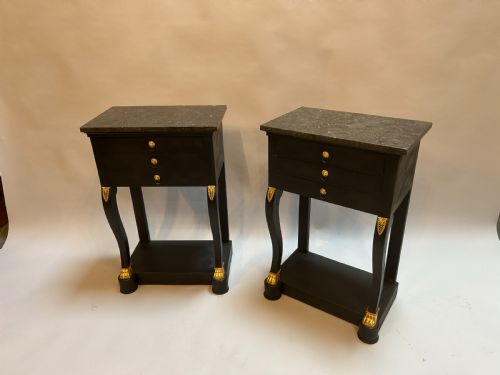
Makers combined these metallic structures with contrasting materials such as marble, slate, glass, and wood to create functional surfaces. Stone tops like marble and slate sit firmly within metal frames, whilst glass inserts are supported by intricate brass or wrought iron bases.
French Metal Table Retail Price Guide 2026
Typical asking prices for french metal table among the pieces listed under this phrase on Sellingantiques today, from the lower quarter to the upper quarter. They describe what is for sale here now, not the wider market.
Materials appearing across these listings include wrought iron, brass, marble, glass, gilt bronze, and wood.
What Varies in Quality
The standard of a french metal table is determined by the precision of the metalwork, the weight and authenticity of the materials, and the sophistication of the design. Heavier cast components and finely chased gilt bronze demonstrate superior craftsmanship compared to lighter, simpler stamped metal assemblies.
Integration between the metal frame and inset surfaces like marble, slate, or glass dictates the overall refinement of the piece. Exemplary items display seamless joins and harmonious proportions between structural metalwork and decorative ornamentation.
Maison Ramsay·Eileen Grey
The French Metal Table Glossary
- Wrought iron
- Iron heated and hammered into shape by hand. This material provides the sturdy, organic framework seen in many garden and console tables.
- Ormolu
- Gilded bronze applied to decorative items and furniture mounts. This technique gives metal a rich gold appearance that characterises many nineteenth century French pieces.
- Console table
- A table designed to stand against a wall, frequently featuring a marble top. These items often rely on structural metal bases for support.
- Art Deco
- A design style prominent in the 1920s and 1930s emphasising geometric shapes and modern materials. Pieces from this era often incorporate steel, glass, and wrought iron.
- Gilt bronze
- Bronze coated with a thin layer of gold. This material offers durable lustre on decorative table frames and mounts.
French Metal Table: Frequently Asked Questions
Where should I place a metal console table?
A metal console table suits entrance halls, living rooms, or hallways where wall space allows a narrow profile. Their sturdy iron or brass frames provide a stable surface for lamps and decorative objects.
Pairing a metal base with a marble or glass top adds textural contrast against interior walls. These tables anchor a space without overwhelming the room visually.
How do I identify Art Deco metal tables?
Art Deco metal tables from the 1920s and 1930s typically feature clean geometric lines, streamlined silhouettes, and combinations of steel, brass, and glass. These pieces often discard ornate nineteenth century flourishes in favour of modernist structure.
Look for architectural framing and unadorned surfaces that emphasise the natural qualities of the metal and inset materials like slate or glass.
What maintenance do marble and metal tables need?
Marble and metal tables require gentle cleaning using soft cloths and non abrasive solutions to protect both the stone and the metallic finish. Avoiding harsh chemicals prevents damage to gilt bronze, ormolu, and polished brass.
Marble surfaces benefit from periodic sealing to guard against stains from daily use. Ensuring the metal frame remains dry prevents moisture accumulation around joints.