




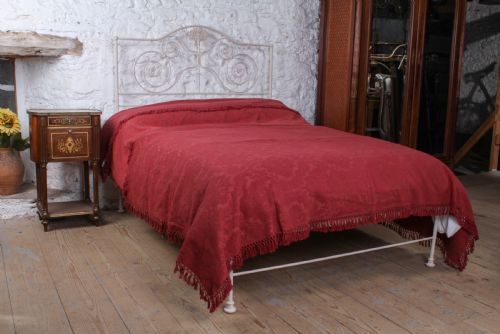

French Metal Bed Frame
A french metal bed frame brings robust construction and ornate framing into a bedroom, combining cast iron or brass with distinct Continental styling.
French Metal Bed Frame
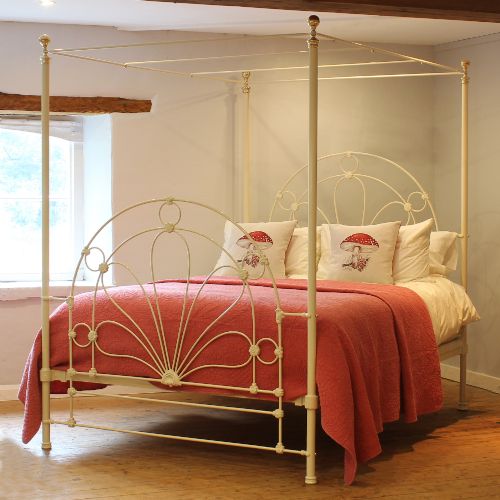
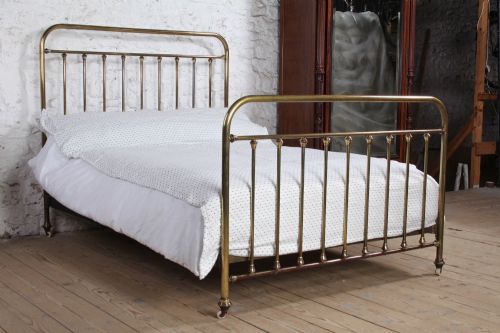
A french metal bed frame consists of structural iron, brass, or steel components shaped into single, double, or king-size beds, daybeds, and bedsteads. These pieces date predominantly from the Victorian and Edwardian eras, spanning the late nineteenth century through to the nineteen-twenties.
The aesthetic borrows heavily from French country, provincial, and Belle Epoque traditions, alongside Art Nouveau curves and simpler hospital or no-end configurations. Buyers encounter formats ranging from cream platform beds to black iron frames adorned with brass mounts and hoop details.
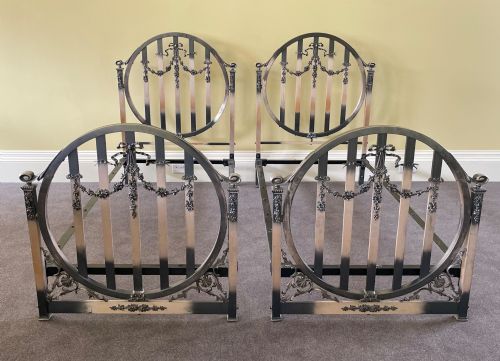
Origins stretch beyond strict French manufacture to include Portuguese and broader European workshops, alongside specific period interpretations. Whether configured as matching pairs of single beds or grand king-size half tester beds, these frames serve as focal points for traditional and eclectic interiors.
Assessing quality and detail
Quality rests upon the crispness of the brass and iron casting, the complexity of the period styling, and the integrity of any original painted surfaces. Frames featuring intricate Art Nouveau curves or specialised nickel plating show superior craftsmanship compared to plain utility designs.
The structural soundness of joints, the preservation of original metal finishes, and the presence of matching pairs elevate certain examples above standard single pieces.
French Metal Bed Frame Retail Price Guide 2026
Typical asking prices for french metal bed frame among the pieces listed under this phrase on Sellingantiques today, from the lower quarter to the upper quarter. They describe what is for sale here now, not the wider market.
Listings feature periods from eighteen-eighty to nineteen-twenty, incorporating brass, cast iron, wrought iron, and nickel plating.
The French Metal Bed Frame Glossary
- Bedstead
- The complete framework of a bed, including headboard, footboard, and side rails. This structural assembly supports the mattress platform in traditional metal beds.
- Half tester
- A wall-mounted or bed-attached canopy that extends only partway over the head of the bed. It traditionally suspends fabric drapery above the sleeping area.
- Daybed
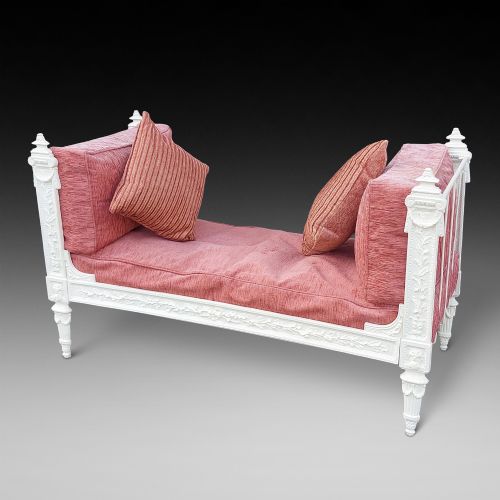
- A piece of furniture functioning as both a sofa during the day and a bed at night. Victorian examples often incorporate iron backs and shaped ends.
- Nickel plating
- An electrolytic coating applied to iron or steel components to prevent corrosion and provide a bright, silver-coloured finish. Edwardian makers utilised this technique for decorative effect.
- No end
- A bed design featuring a tall headboard but lacking a high footboard. This configuration creates an open visual line across the room.
French Metal Bed Frame: Frequently Asked Questions
How do I style a french metal bed frame?
Pair the metal structure with neutral linens and period-appropriate textiles to let the brass or painted iron details stand out in the room.
Keep surrounding furniture simple so the ornate framing remains the primary visual focus of the interior scheme.
Will a vintage bed frame fit modern mattresses?
Many nineteenth and early twentieth-century sizes differ slightly from contemporary standard dimensions. Measuring the internal side rails carefully ensures a correct fit.
Modern custom or standard mattresses can often be accommodated with appropriate slat bases or supportive platform inserts.
Are these beds easy to assemble?
Most antique metal frames utilise standard iron wedge-lock or bolt-together side rail connections. These components dismantle into individual headboards, footboards, and rails for transport.
Careful handling protects original paint and brass finishes during the assembly and positioning process.
How do I care for brass and iron?
Dust metal frames regularly with a soft, dry cloth to prevent accumulation. Avoid harsh chemical cleaners that can strip original lacquers or antique paint.
Preserve painted surfaces by maintaining stable room humidity and keeping the metal away from direct moisture.