



French Marble Desk Light
A french marble desk light brings solid weight and classical proportion to a workspace, combining smooth stone with cast metal mounts.
French Marble Desk Light
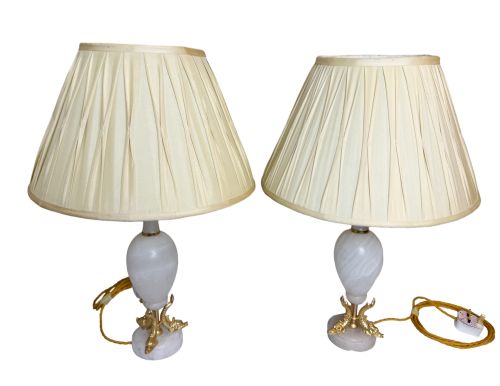
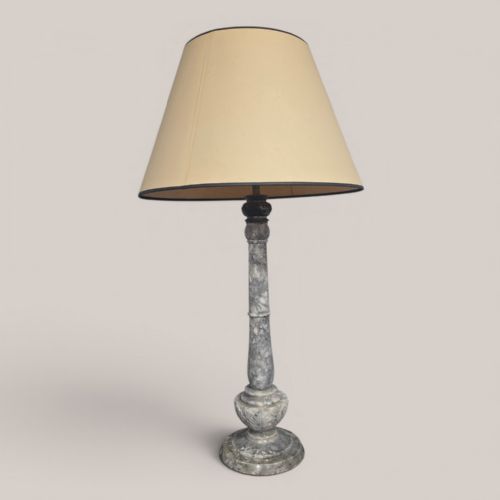
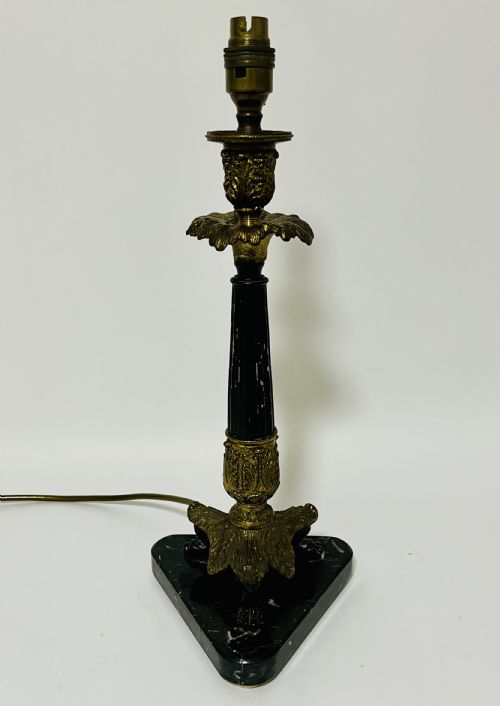
When searching for a french marble desk light, buyers encounter heavy stone bases paired with metal mounts and electrical fittings adapted for illumination. These objects emerge from various periods spanning the nineteenth century through the art deco era, appearing frequently as table lamps or converted candlesticks.
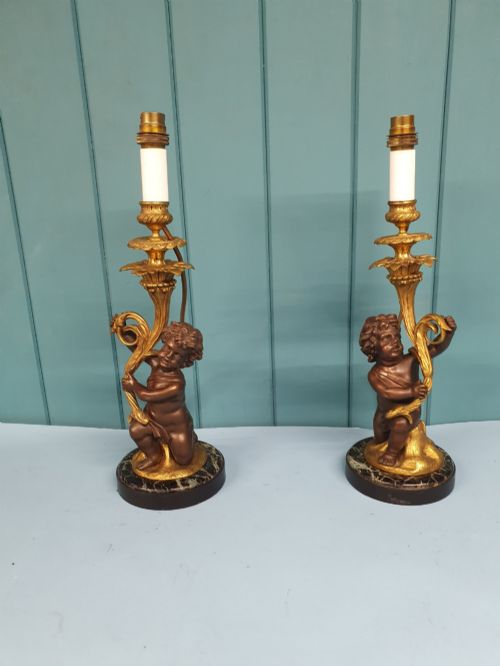
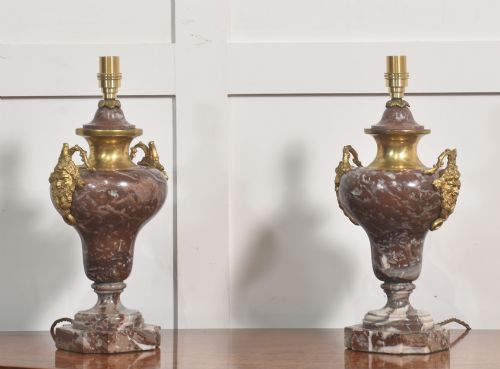
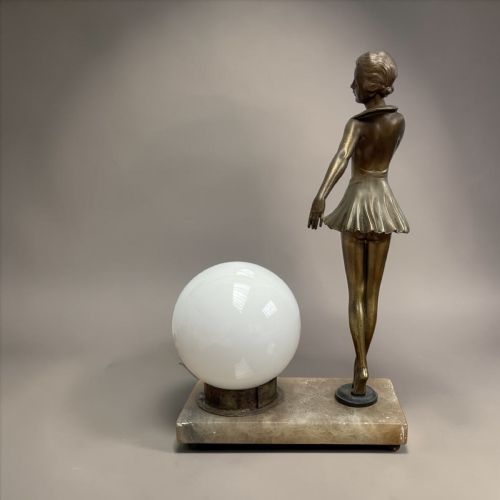
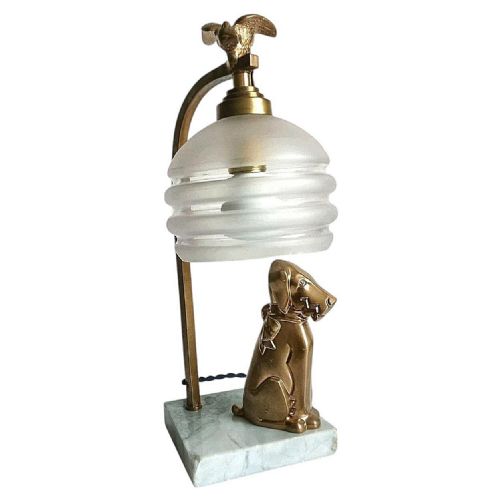
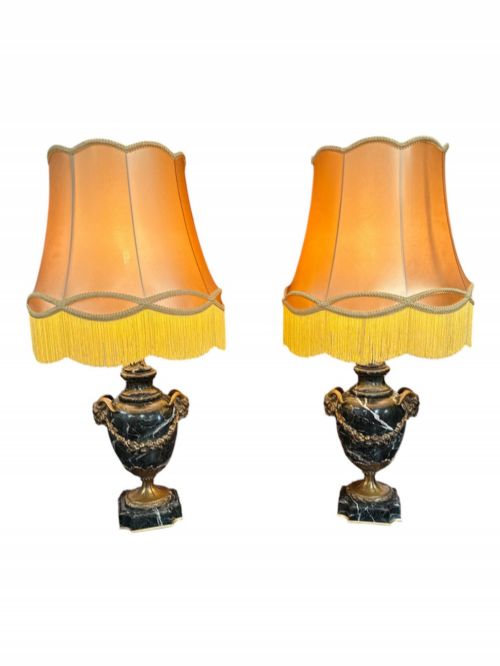
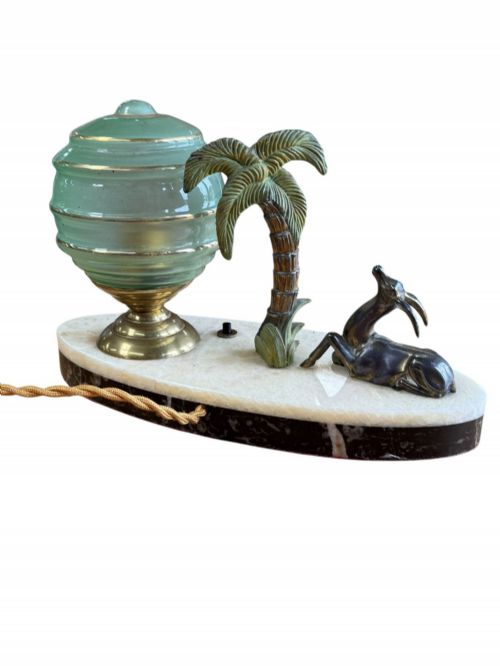
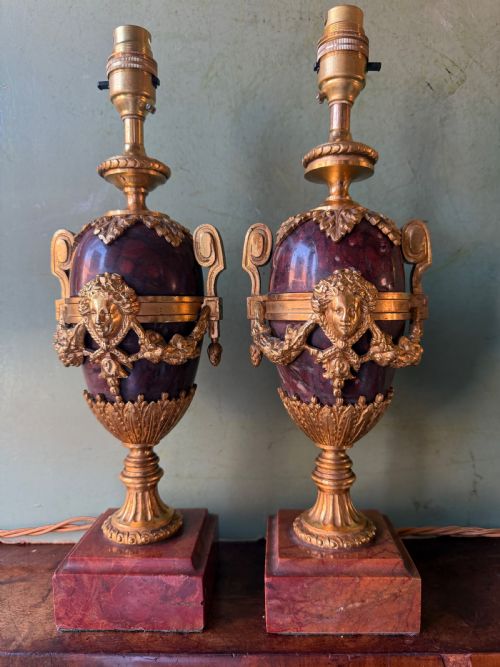
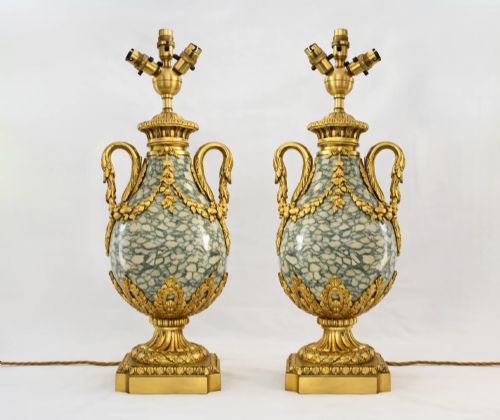
The selection includes matched pairs alongside single figures, incorporating materials such as rouge marble, white marble, and onyx alongside bronze, brass, and ormolu. Forms range from classical urns and cassolettes to figural subjects including cherubs, animals, and art deco dancers.
Materials and construction
The construction relies on turning and polishing dense natural stone to form plinths, columns, and urn bodies, which are then anchored with metal screw rods running through the centre. Metal components such as gilt bronze, ormolu, and spelter are cast and chased separately before being mounted onto the marble bases.
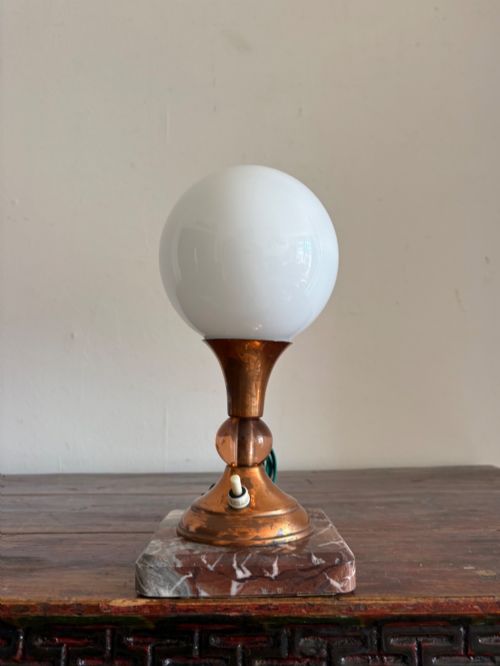
Artisans applied fire gilding or bronze patination to the metalwork, securing decorative feet, handles, and collars directly to the stone. Many lighting examples incorporate glass elements such as opaline shades or frosted figurines to diffuse the light.
Listings feature items from the Victorian, Edwardian, and Art Deco periods, utilising materials such as rouge marble, onyx, ormolu, and opaline glass.
Assessing quality
The standard of a piece depends heavily on the crispness of the metal chasing and the depth of the marble figuring. Finer examples display hand-finished bronze mounts with sharp detail and richly variegated stone free from clumsy repairs.
Weight and stability also indicate calibre, as superior mountings fit flush against the stone without visible gaps. The integration of the electrical conversion reveals the care taken by previous handlers to preserve the original structure.
The French Marble Desk Light Glossary
- Cassolette
- A decorative vessel shaped like an urn, often featuring a reversible lid that functions as a burner or a solid cover.
- Ormolu
- Finely chopped and amalgamated gold-mercury application onto bronze, creating a durable golden surface common in french decorative arts.
- Spelter
- An alloy of zinc and lead used as a less expensive alternative to bronze for cast figural elements and mounts.
- Onyx
- A banded variety of chalcedony or calcite frequently utilised for translucent or highly patterned lamp bases.
- Empire style
- A neoclassical design movement characterised by heavy classical motifs, military symbols, and Roman influences.
French Marble Desk Light: Frequently Asked Questions
How do I date a marble lamp?
Dating relies upon stylistic markers in the metalwork and the type of marble used, ranging from nineteenth century neoclassical revival forms to nineteen-thirties geometric art deco designs. Examining the wiring channels and assembly screws also provides clues regarding the period of manufacture.
Earlier examples often display hand-cut threading and heavier bronze castings, whereas later twentieth-century iterations lean toward streamlined bases and stylised figural subjects.
Were these originally electric?
Many items began life as oil lamps, candlesticks, or decorative urns before undergoing later conversion to electricity. This adaptation process typically involved running a cord through the centre bore and adding a bulb holder.
Such conversions are standard practice for antique lighting and allow these decorative objects to function in modern interiors without losing their original character.
How do I clean the marble base?
Maintenance requires only a soft, dry cloth to remove dust from the polished stone surface. Avoid acidic cleaners or harsh chemicals that can etch the marble or damage the surrounding metal gilding.
For stubborn marks, a damp cloth with mild soap followed by immediate drying is sufficient to protect the finish.
What is the difference between bronze and spelter?
Bronze is a robust copper alloy that accepts fine chasing and holds a deep patination, whereas spelter is a softer, zinc-based metal that feels lighter and shows more brittle fracture patterns. Spelter mounts often feature painted or plated finishes rather than true fire gilding.
In marketplace descriptions, identifying the metal helps determine the period and the overall craftsmanship standard of the piece.