
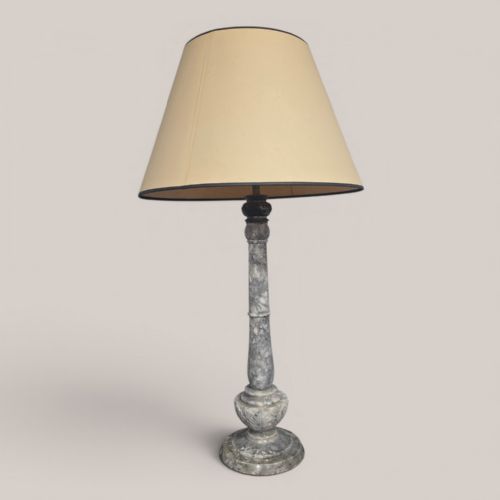


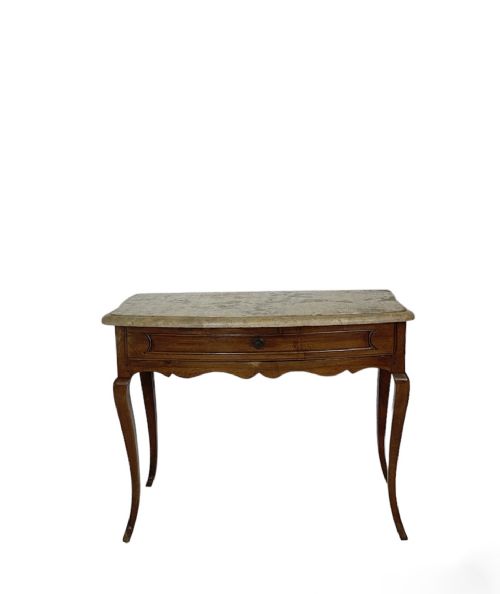


Grey Marble Table Lamp
A grey marble table lamp brings solid stone and classical form to a room, offering weight and permanence that lesser materials simply cannot match.
Grey Marble Table Lamp
A grey marble table lamp combines substantial mineral bases with electrical fittings, drawing on forms originally designed for oil or candle lighting. The selection here ranges from nineteenth-century classical bases to later conversions, reflecting diverse continental tastes.
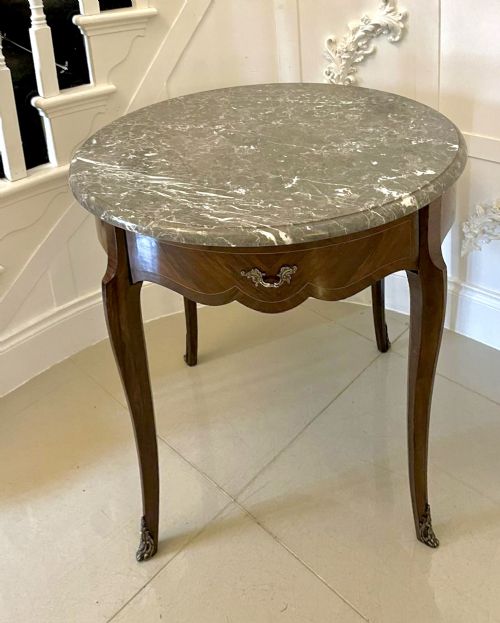
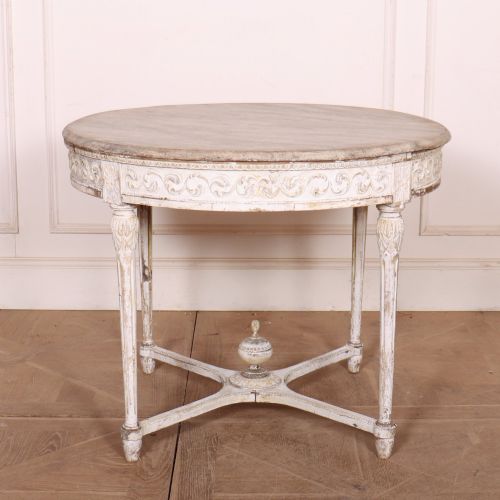
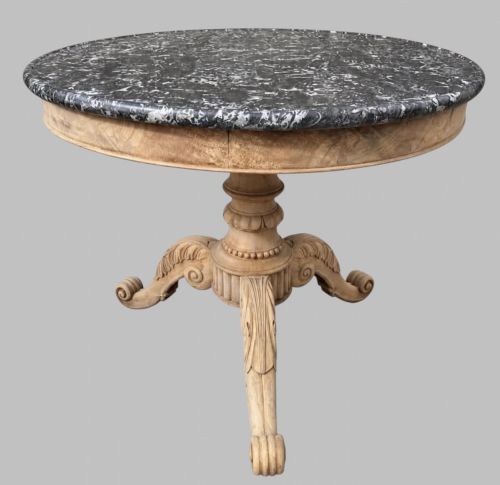
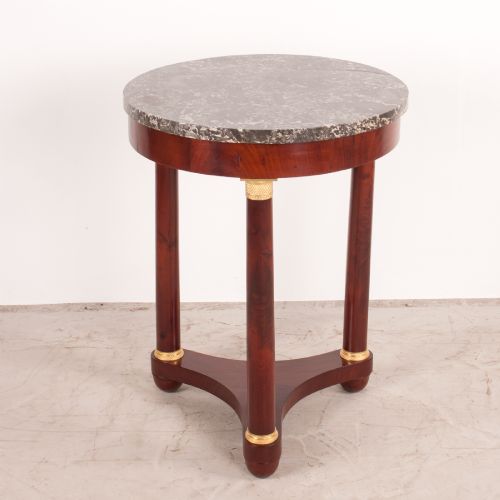
Buyers seeking a grey marble table lamp encounter forms derived from classical torchères, gueridon tables adapted for illumination, and dedicated sculptural columns. These pieces frequently feature contrasting metallic mounts in ormolu or brass, enhancing their architectural presence.
The materials and styles span the Victorian era, the nineteenth century generally, and the early twentieth century, with strong French and Swedish influences. Pieces often incorporate rich timbers such as mahogany, kingwood, or walnut alongside the characteristic stone.
Materials and construction methods
The construction relies heavily on turned and polished grey marble, sometimes paired with Derbyshire Fossil marble or accented by white marble variations. Stonework requires skilled masonry to achieve smooth columns, urns, and bases.
Ormolu and brass mounts are cast and chased to frame the stone elements, while wooden components utilise traditional cabinet-making timbers like mahogany, kingwood, and bleached walnut. Painted timber and painted wood also appear among the supporting structures.
The listings feature grey marble alongside mahogany, ormolu, and brass, spanning the eighteenth to the twentieth centuries.
Distinction in quality and execution
Quality rests in the depth of the stone's natural veining, the precision of the turning, and the crispness of any ormolu or brass mountings. Finer examples display harmonious proportions where the weight of the marble balances the overall height.
The integration of metalwork and timber reveals the maker's hand, distinguishing standard commercial work from pieces intended for high nineteenth-century interiors. Original surfaces and untouched patination on the supporting woods further separate standard items from superior specimens.
The Grey Marble Table Lamp Glossary
- Ormolu
- Gilded bronze used for decorative mounts and decorative trim on furniture and lamp bases. It provides a bright golden contrast against dark stone and timber.
- Gueridon
- A small round table on a central pillar or column, frequently adapted over time to carry lighting components. These French tables provide a sturdy platform for heavy marble tops.
- Kingwood
- A dense, richly figured exotic timber utilised in fine cabinet work during the eighteenth and nineteenth centuries. Its dark grain complements polished grey stone.
- Aesthetic Movement
- A late nineteenth-century design style emphasising visual beauty over narrative content. Pieces from this movement often incorporate unusual geological specimens like Derbyshire Fossil marble.
- Restauration
- A French design period bridging the Empire style and later nineteenth-century revivals. It retains classical dignity while introducing softer, more domestic proportions.
Grey Marble Table Lamp: Frequently Asked Questions
Are these lamps originally electrical?
Most nineteenth-century examples began life as oil lamps, candle stands, or small occasional tables before conversion to electricity. The conversion process preserves the antique base while integrating modern wiring safely.
Buyers should expect twentieth-century or modern electrical fittings mounted onto historical stone and metalwork. This dual nature allows antique character to function within contemporary spaces.
How do I care for grey marble?
Grey marble requires gentle cleaning with a damp cloth and mild, pH-neutral soap to protect its polished surface. Avoid acidic substances like vinegar or lemon juice, which etch the stone.
Regular dusting keeps the mineral grain visible without risking the integrity of the finish. Periodic gentle buffing maintains the soft lustre developed over decades of handling.
How do I identify the period?
Dating relies on the combination of turning techniques, mount styles, and underlying timber construction. Ormolu casting methods and stone coloration offer key indicators of nineteenth-century manufacture.
French Empire and Restauration pieces display strict classical geometry, whereas later Victorian examples often incorporate eclectic stylistic touches. Comparing the brass fittings and internal fixtures helps confirm the era.
Where should I place one?
These lamps suit heavy wooden sideboards, entrance consoles, or large study desks where their substantial weight anchors the arrangement. Their architectural presence works best in rooms with traditional proportions.
Because grey stone absorbs light, pairing the lamp with a sympathetic shade directs illumination effectively. The neutral tones of the marble blend easily with various colour schemes.