



French Low Back Chair
A French low back chair brings relaxed nineteenth-century seating and distinct upholstery potential to a room.
French Low Back Chair
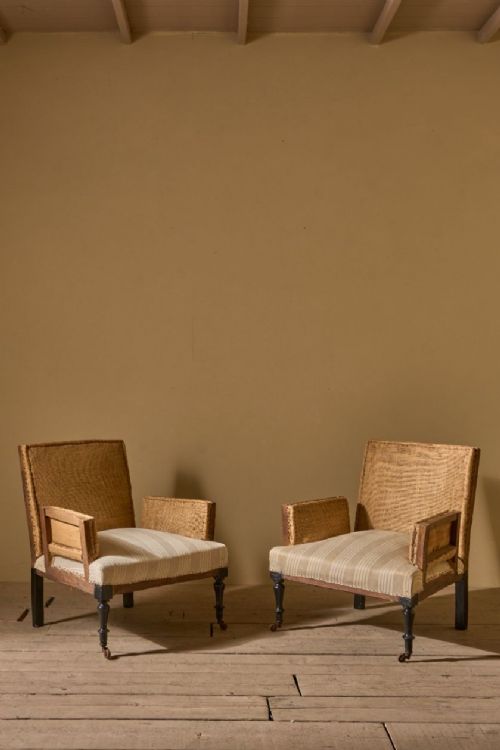
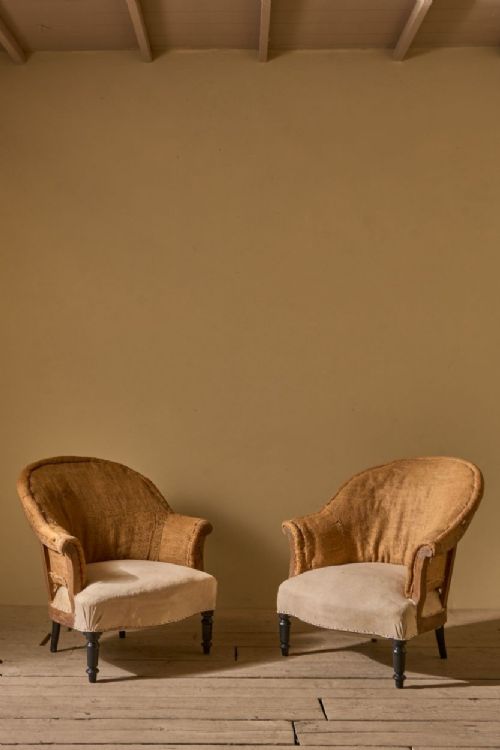
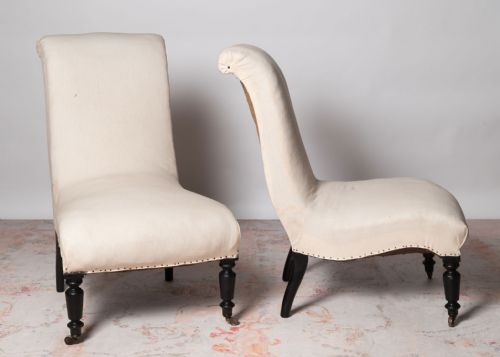
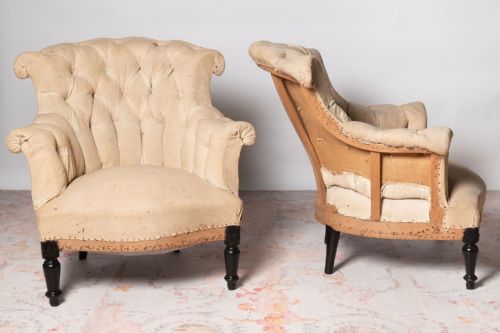
A French low back chair encompasses low-slung seating forms including slipper chairs, nursing chairs, tub chairs, and compact armchairs designed for nineteenth-century interiors. These pieces appear in styles ranging from Victorian and Napoleon III to Louis XVI style, French chateau, and Art Deco.
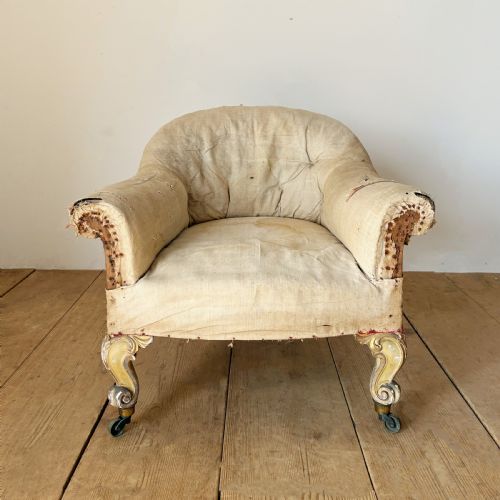
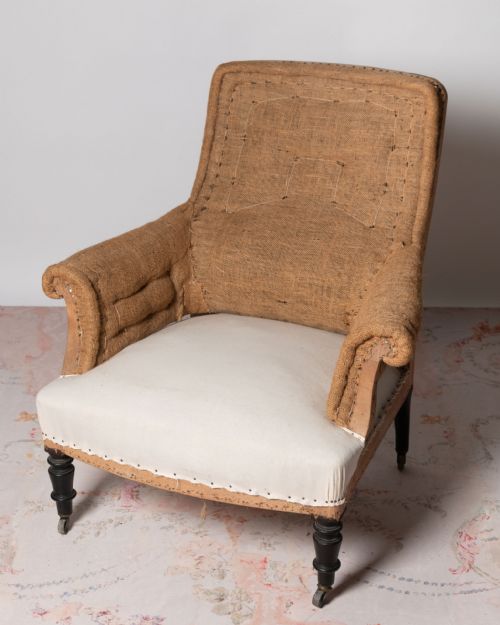
The most common versions met on this page are nineteenth-century French pieces, often offered as pairs or individual armchairs and slipper chairs. Many arrive ready for upholstery in calico, hessian, or raw textile.
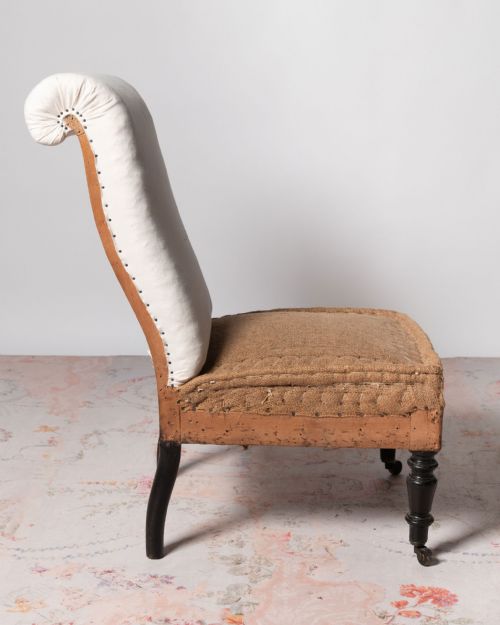
Makers and designers created these forms to sit lower in the room, utilising scroll backs, square sides, and open frames. Walnut, hardwood, and giltwood provide the structural foundations for these varied seating types.
Materials and construction methods
Construction relies on hardwood and walnut frames shaped to form tub chairs, scroll backs, and open armchairs. Giltwood and ebonised finishes often adorn the legs of nineteenth-century pieces, while brass details occasionally appear.
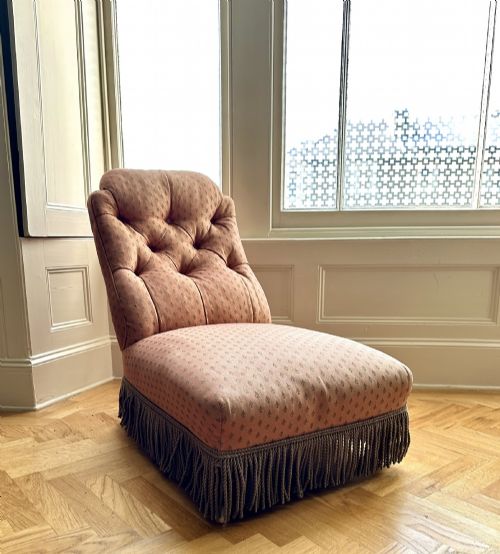
Upholstery foundations utilise traditional materials such as hessian and calico to support fabric and textile coverings. Fringe trims and exposed carved frames complete the finish on specific slipper and nursing chairs.
Listings feature nineteenth-century and Art Deco periods, utilising materials such as brass, wood, calico, hessian, hardwood, and giltwood.
Assessing quality in seating
Quality separates through the crispness of carved giltwood details and the structural integrity of hardwood frames. Pieces retaining original ebonised legs or balanced scroll back proportions display finer craftsmanship.
The degree of restoration and the suitability of the frame for new textile upholstery influence the standard of each chair. Stronger frames with intact internal support command greater attention from restorers.
The French Low Back Chair Glossary
- Napoleon III
- A nineteenth-century French design period associated with eclectic revival styles, ornate frames, and comfortable upholstered seating. Pieces from this era often feature rich giltwood or ebonised woodwork.
- Slipper chair
- A low-seated bedroom chair traditionally used by ladies while dressing. These chairs lack arms and sit close to the floor.
- Nursing chair
- A low-backed armchair historically designed for feeding infants in comfort. The compact height allows the sitter to remain close to the ground.
- Tub chair
- An armchair featuring a rounded back that curves continuously into the arms. This enclosed shape creates a supportive tub-like seat.
- Giltwood
- Wood coated with a thin layer of gold leaf or gilt finish. This decorative treatment appears frequently on nineteenth-century French frames.
French Low Back Chair: Frequently Asked Questions
What is a French low back chair?
A French low back chair is a nineteenth-century seating form designed with a low profile for boudoirs, bedrooms, and reception rooms. These pieces include slipper chairs, nursing chairs, and compact armchairs.
They originate primarily from the nineteenth century and encompass styles such as Napoleon III, Louis XVI style, and Art Deco. Many examples feature exposed wood frames and scroll backs.
How were these chairs used historically?
Historically, low-seated chairs served practical domestic roles in bedrooms and dressing rooms. Slipper chairs assisted with footwear, while nursing chairs provided comfortable seating for childcare.
Their compact proportions allowed them to fit easily into smaller private spaces. Today, buyers utilise them as accent chairs in modern living rooms and hallways.
How do I identify a Napoleon III chair?
Napoleon III chairs date from the mid to late nineteenth century in France and reflect an eclectic mix of historical revivals. They frequently display giltwood, ebonised finishes, or elaborate carved details.
Upholstery often uses traditional foundations like hessian and calico beneath decorative textiles. Their frames range from tub shapes to square-sided armchairs.
Can I reupholster an antique French chair?
Many nineteenth-century French chairs are sold specifically for upholstery, supplied in calico or hessian ready for new fabric. This allows buyers to select textiles that match contemporary interiors.
Traditional frames accommodate modern fabrics well, provided the underlying hardwood structure remains sound. Professional upholsterers can work with the existing webbing and springs.