



French Library Cabinet
A french library cabinet brings order and presence to a room through rich timber and disciplined proportions.
French Library Cabinet
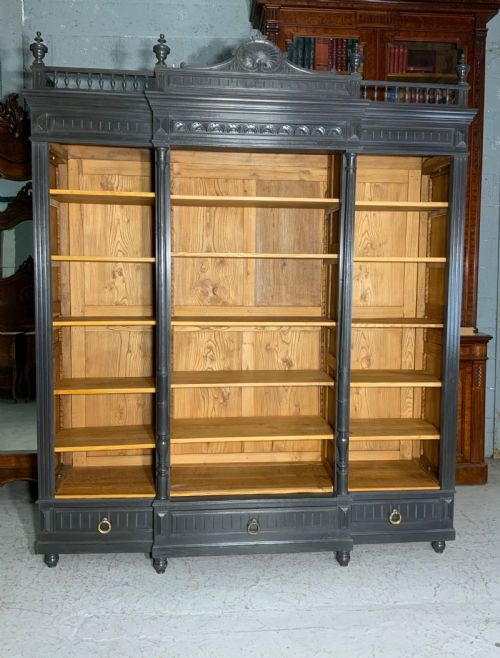
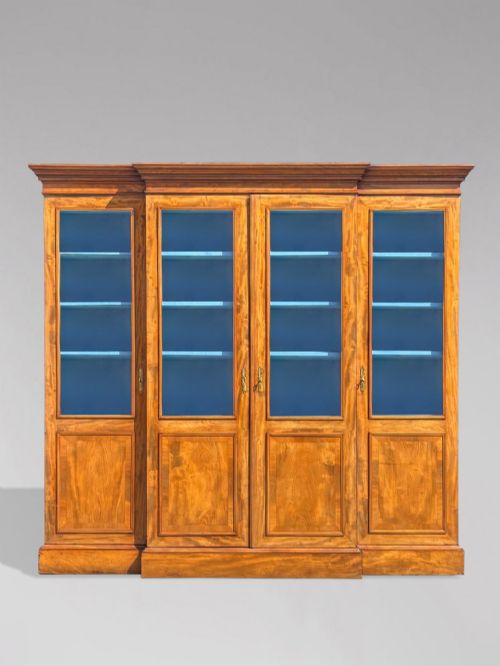
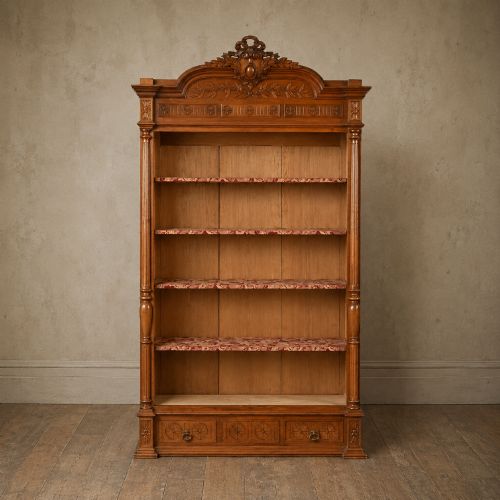
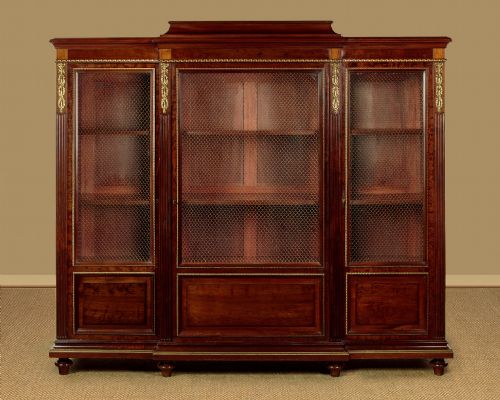
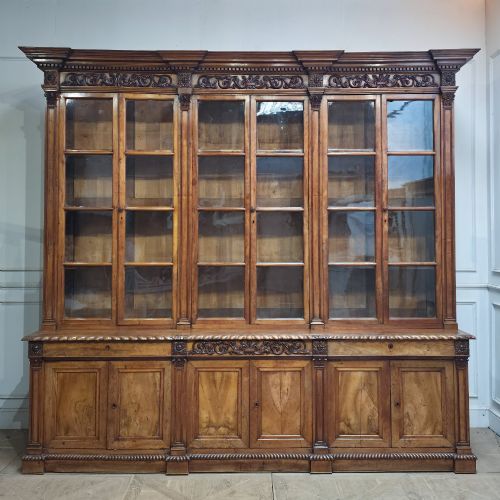
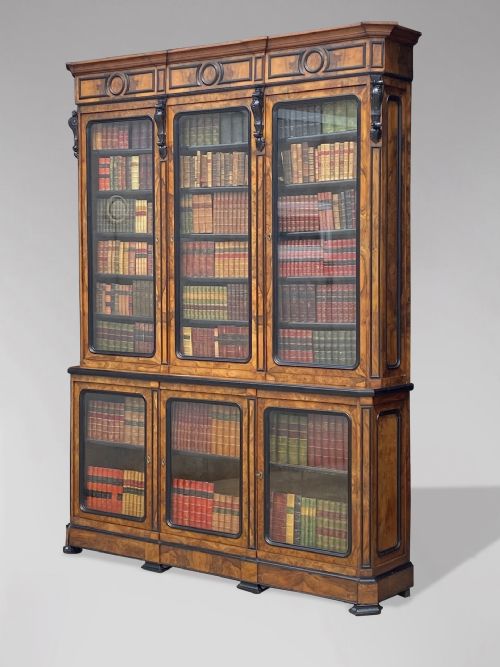
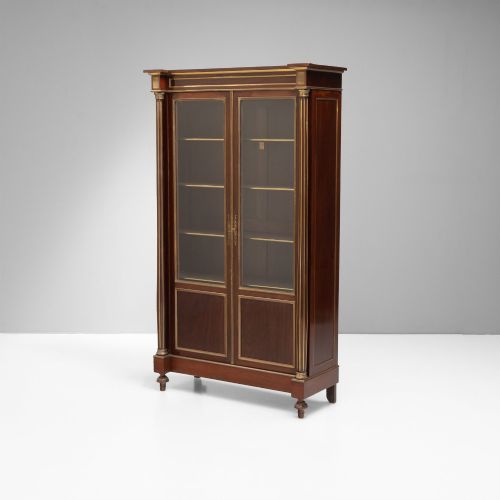
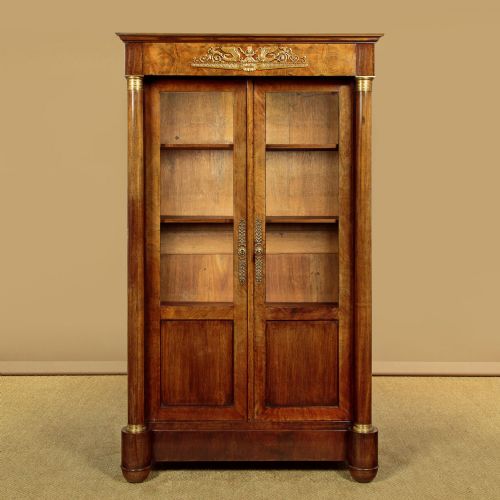
A french library cabinet is typically encountered as a tall bookcase, glazed display unit, or breakfront piece designed to house collections of books and papers. The examples gathered here stretch from nineteenth century walnut and mahogany forms to twentieth century iterations.
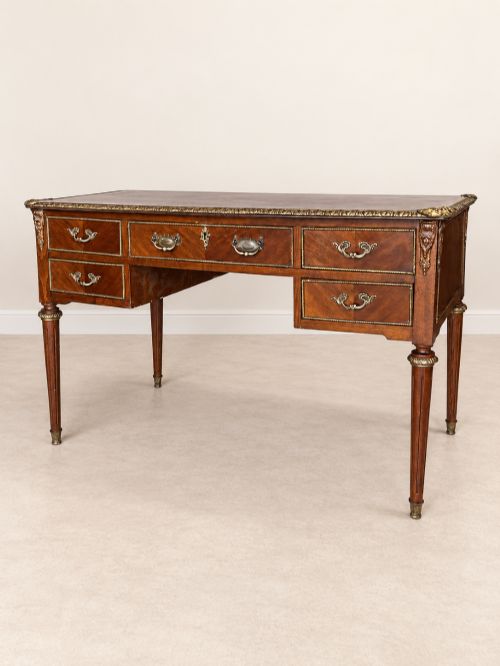
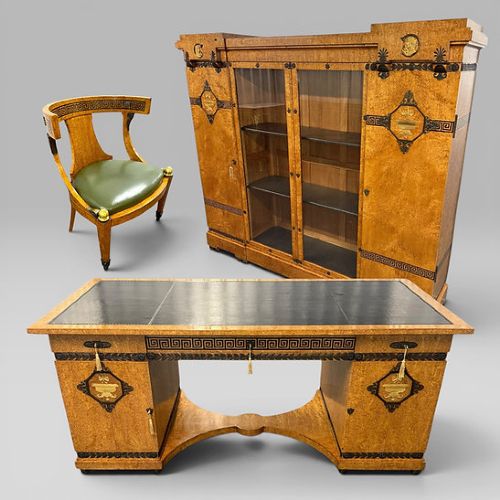
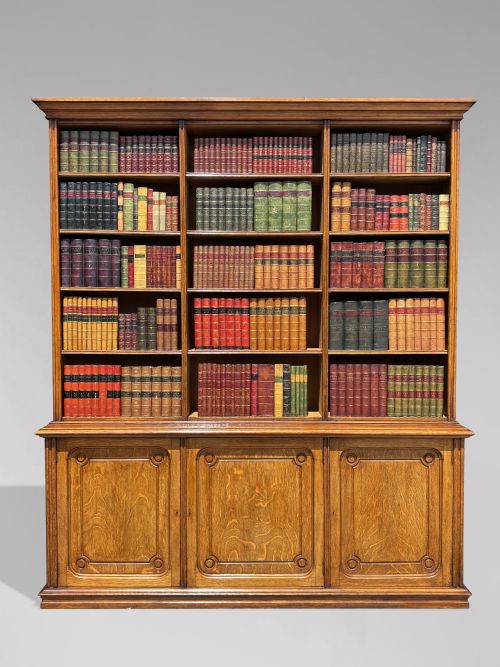
Buyers will find both open library shelving and enclosed cabinets with glass doors, occasionally accompanied by desks, writing tables, or leather cartonniere fittings. These pieces draw on styles ranging from Louis Philippe and Napoleon III to Empire and Neoclassical vocabularies.
Originating in domestic studies and institutional libraries, these cabinets combine architectural presence with functional storage. Walnut, oak, and mahogany form the structural backbone of most pieces available on this page.
Materials and construction
Cabinet makers relied primarily on solid and veneered hardwoods such as walnut, mahogany, and oak, frequently enhanced by satinwood or kingwood. These timbers provided both the structural integrity required for heavy shelving and stable surfaces for decorative veneers.
Ormolu mounts, brass galleries, and gilt metal details punctuate the dark or polished timber surfaces, reflecting the influence of Empire and Neoclassical design. Glass panels secure the contents of glazed doors while leather inserts often line associated writing surfaces.
Listings feature pieces spanning the nineteenth century through the 1920s, utilising walnut, mahogany, oak, satinwood, and brass.
Distinctions in craftsmanship
The distinction between standard utility storage and superior cabinet work lies in the selection of timbers and the finesse of bronze or ormolu mounts. Finer pieces display meticulous parquetry or matched veneer grains across large expanses like breakfront doors.
Structural refinement shows in the execution of carved mouldings, the crispness of brass mounts, and the integration of functional elements such as adjustable shelving or fitted desk interiors by known makers.
Mercier Frères·Paul Sormani
The French Library Cabinet Glossary
- Cartonniere
- A piece of furniture designed with multiple tiers of pigeonholes or drawers for sorting papers and documents. It often appears in leather-bound or walnut finishes within office sets.
- Ormolu
- Gilt-bronze mounts applied to the corners, friezes, and cornices of cabinets. This decorative technique characterises Napoleon III and Empire style pieces.
- Breakfront
- A cabinet design where the central section projects forward from the flanking wings. This configuration adds architectural depth to large bookcases.
- Glazed door
- A door fitted with glass panes to protect books from dust while keeping them visible. These doors are common on nineteenth century walnut and mahogany cabinets.
French Library Cabinet: Frequently Asked Questions
What defines a French library cabinet?
A french library cabinet is a tall storage piece designed for books and documents, typically constructed from walnut, mahogany, or oak during the nineteenth and early twentieth centuries.
These pieces often incorporate glazed doors, breakfront profiles, or ormolu mounts reflecting styles such as Empire, Neoclassical, and Louis Philippe.
How were these cabinets used originally?
They served in private studies, libraries, and formal reception rooms to house leather-bound volumes, manuscripts, and writing equipment.
Many pieces formed part of larger office sets that included matching desks and chairs for administrative work.
How do I date a cabinet?
Dating relies on identifying timber choices, construction methods, and stylistic cues such as Napoleon III or Louis Philippe ornament. Nineteenth century pieces often feature hand-cut joints and dense hardwoods like walnut or ebonised wood.
Twentieth century examples tend to show lighter construction or simplified neoclassical lines.
How do I fit one into a modern room?
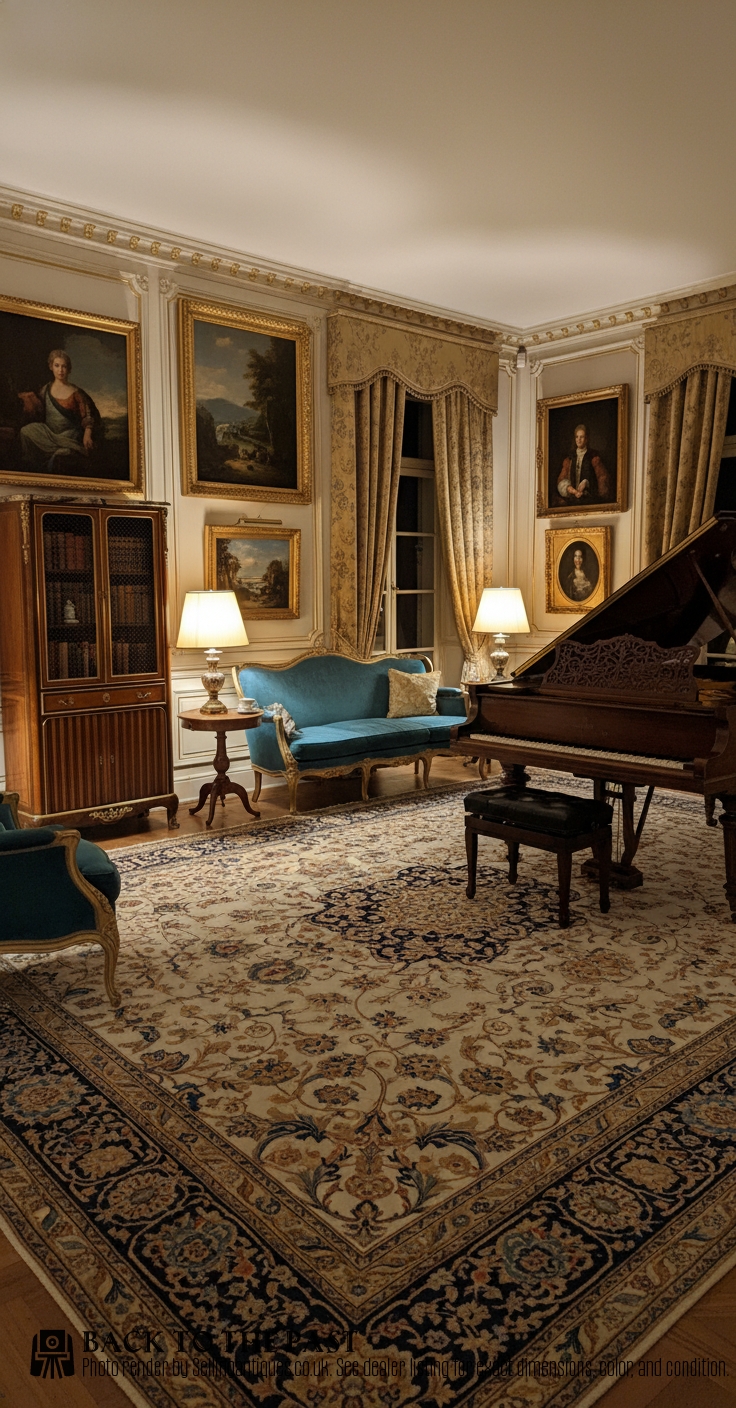
These cabinets anchor a room visually and provide substantial vertical storage for books or display objects. Pairing a dark wood bookcase with neutral walls allows the grain and ormolu mounts to stand out.
Open variants work well for accessible shelving, while glazed doors protect delicate volumes.