


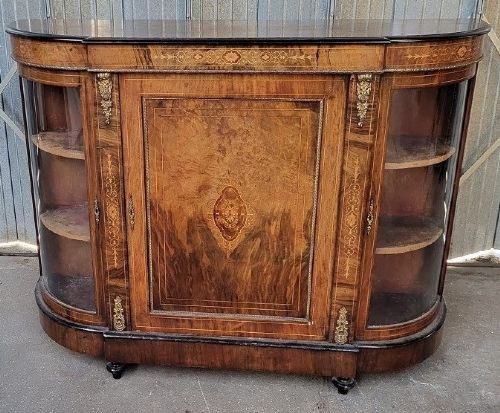


Ornate French Cabinet
An ornate french cabinet brings sculptural presence to a room, combining rich timber veneers with gleaming mounts.
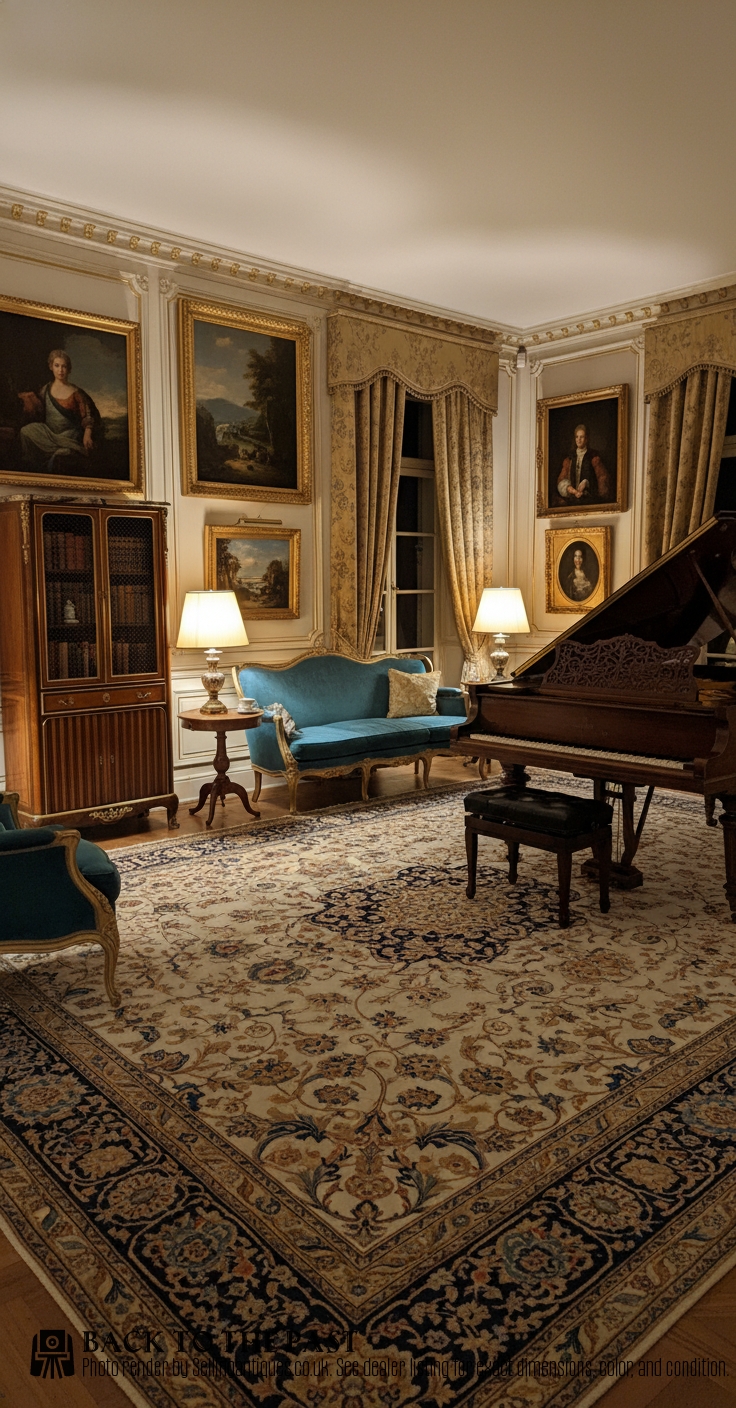
Ornate French Cabinet
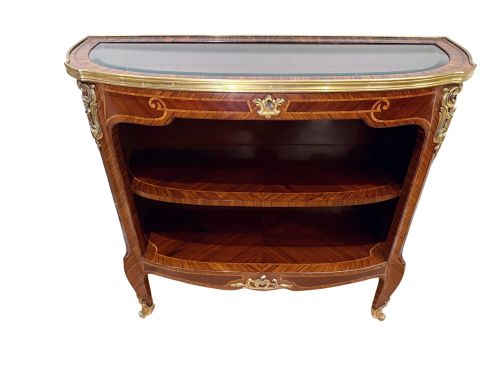
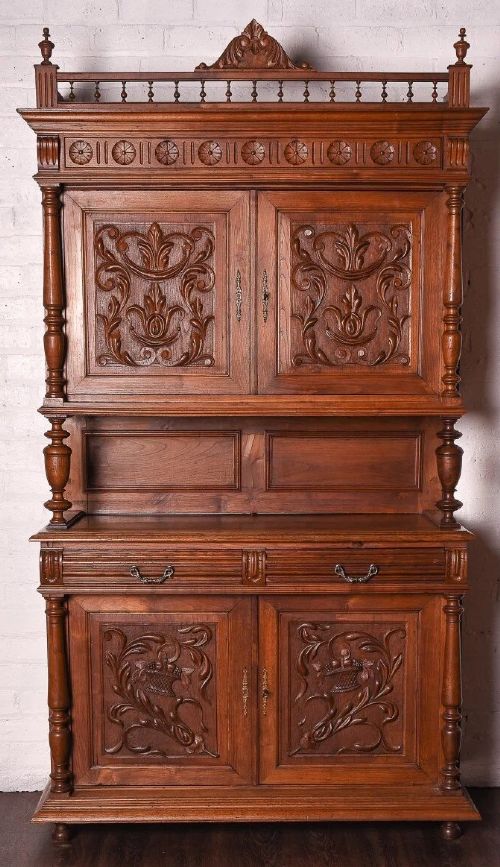
When searching for an ornate french cabinet, a buyer encounters pieces primarily from the nineteenth century, including glass-fronted vitrines, bookcases, side cabinets, and credenzas. These items range from walnut and kingwood display cases to mahogany chests and marble-topped commodes.
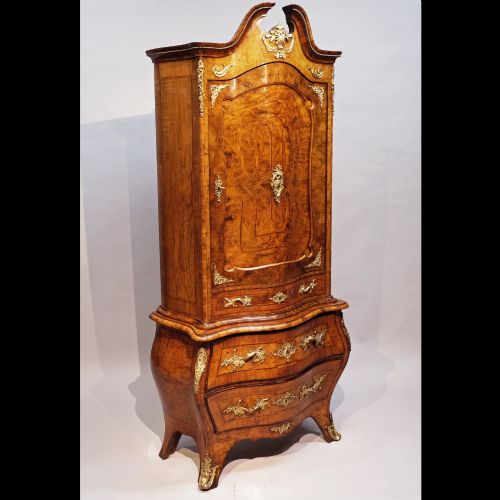
The aesthetic leans heavily towards revival movements, specifically Louis XV style, Rococo Revival, and French Renaissance Revival. Buyers are most likely to meet burr walnut and kingwood examples decorated with marquetry inlay and gilt mounts.
Forms vary from serpentine display vitrines and kidney-shaped bedside units to monumental commodes and tall bookcases with glazed upper sections. Each piece reflects the decorative ambitions of nineteenth-century cabinet makers working in established historic idioms.
Materials and construction
Construction relies on a foundation of solid timbers like walnut, mahogany, or satinwood, often faced with decorative veneers such as kingwood and burr walnut. Marquetry and Boulle inlay introduce contrasting patterns of brass, tortoiseshell, or exotic woods across the surfaces.
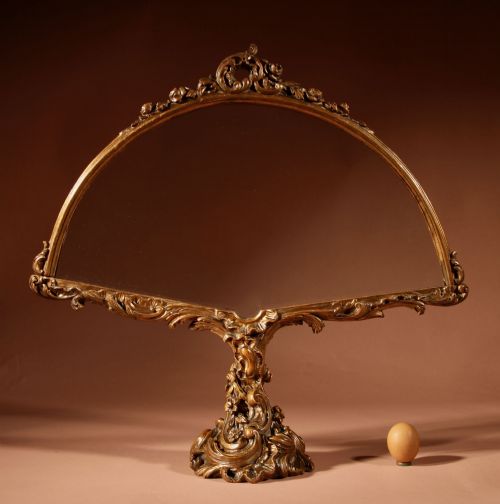
Gilt bronze and ormolu mounts accentuate the structural lines, corners, and panels of the cabinetry, cast and chased with rococo scrolls or floral motifs. Marble tops provide a durable and luxurious finish to commodes, side cabinets, and vitrines.
Glazed doors utilise bevelled glass panels to showcase interior shelving, while porcelain plaques from Sevres serve as inset pictorial panels on select doors and friezes.
One unexpected nineteenth-century entry listed in the archive is a brass four-glass mantel clock, proving that French makers extended their ornate vision to timekeeping.
Distinctions in quality
Quality rests on the precision of the cabinet work and the crispness of the bronze or ormolu mounts. Finer pieces display hand-chased metalwork with sharp relief, whereas lesser examples rely on softer, cast details without secondary hand-finishing.
The intricacy and execution of the marquetry or Boulle inlay dictate the tier of a piece, with complex pictorial or geometric patterns requiring high technical skill. Choice of timber veneers, such as richly figured burr walnut or select kingwood, marks out the upper range of production.
François Linke·Paul Sormani
The Ornate French Cabinet Glossary
- Ormolu
- Gilded bronze mounts applied to furniture for decoration. This technique involved dipping copper alloys into gold amalgams during the nineteenth century.
- Vitrine
- A glass-fronted display cabinet designed for porcelain and small objects. These pieces often feature glazed side panels to maximise light inside.
- Boulle
- A form of marquetry using brass and tortoiseshell inlaid in counter-change patterns. It takes its name from André-Charles Boulle.
- Marquetry
- Decorative patterns formed by fitting together thin veneers of different coloured woods. Craftsmen assemble these wooden elements to create floral or geometric scenes.
- Commode
- A low chest of drawers, frequently topped with marble. In nineteenth-century French pieces, these often feature curved serpentine fronts.
Ornate French Cabinet: Frequently Asked Questions
What is an ornate french cabinet used for?
These cabinets served historically to display precious porcelain, books, or curated collections behind glass doors while adding decorative splendour to formal rooms.
Today, collectors utilise them in living spaces and hallways to exhibit ceramics and glassware while introducing period character.
How do I identify a revival style?
Nineteenth-century makers drew heavily on eighteenth-century court designs, incorporating asymmetrical scrollwork, cabriole legs, and naturalistic floral motifs characteristic of Louis XV and Rococo aesthetics.
Examining the secondary timbers and construction methods helps distinguish these later interpretations from genuine eighteenth-century antiques.
Are marble tops original?
Many nineteenth-century commodes, side cabinets, and vitrines were designed with fitted marble tops, often matching the specific colour palette of the timber veneer.
Checking the underside of the marble and the seating rebate on the cabinet helps confirm whether the stone slab belongs to the original construction.
How should I care for timber veneer?
Burr walnut and kingwood veneers require stable indoor humidity levels away from direct sunlight to prevent the timber from drying out and lifting.
Applying a traditional beeswax polish occasionally helps maintain the lustre of the polished wooden surfaces without building up heavy residue.